Alternative Therapies: Find the right natural approach for your body
What if a gentler touch or a different angle could stop your pain, ease stress, or help you move better? Alternative therapies cover hands-on methods like Rolfing, Hellerwork, and Ortho-Bionomy, energy work like Reiki and craniosacral therapy, and movement systems such as Feldenkrais and Breema. This page helps you cut through the noise and pick practical options that actually fit your life.
How to pick the right therapy
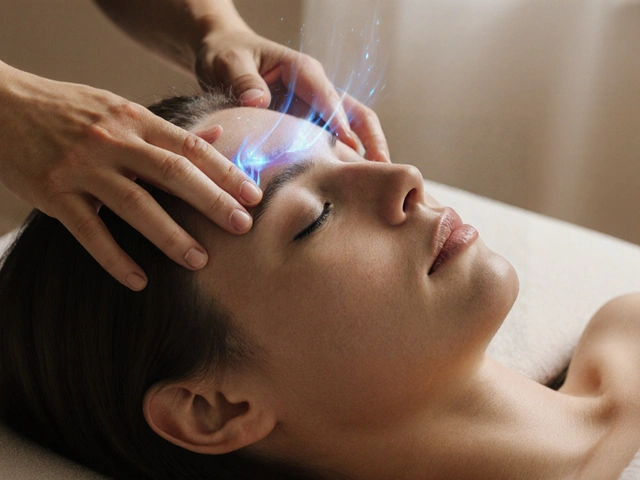
Start with what you want to change. For posture and long-term structural shifts, Rolfing or Hellerwork aim at deep tissue and alignment over a series of sessions. If you want gentle, pain-relieving work that your body leads, try Ortho-Bionomy or Trager. For stress, anxiety, or subtle nervous system rebalancing, craniosacral or Reiki might fit. If you like cultural traditions and full-body rituals, explore Hilot or Kahuna.
Ask therapists about training, session length, and a clear plan. Good questions: how many sessions do you recommend, what will change between sessions, and how do you handle pain or adverse reactions? A reliable practitioner should explain risks and alternatives, especially for techniques like cupping or deep structural work.
Simple self-care and what to expect
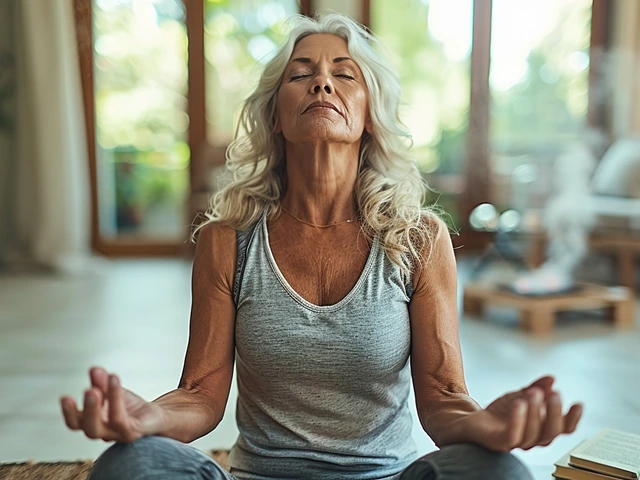
Try small things at home before booking an intense program. Acupressure is easy: press the web between thumb and index finger for headache relief (LI4) for 30 to 60 seconds, and press two fingers above the wrist on the inner arm to ease nausea (PC6). Do not use LI4 if you are pregnant. For energy balance, try 5 minutes of slow diaphragmatic breathing before bed—noticeable calming effects often show up in days.
Cupping sessions create circular marks from suction; they can help tight muscles but avoid cupping on inflamed or broken skin. Hot and cold stone therapy adds heat control to muscle release; tell the therapist if a stone feels too hot. For movement-based work like Feldenkrais, expect guided, tiny movements that retrain how your body moves. Structural work like Rolfing usually runs as a series—expect gradual improvement, not instant fixes.
Combine therapies smartly. Use acupressure and breathing daily, add a movement class weekly, and schedule deeper bodywork every few weeks. Track changes: pain levels, sleep, energy, and mobility. If something makes pain worse after 48 hours, stop and consult a pro.
Want more specifics? Explore our individual guides on Hilot, Hellerwork, Feldenkrais, Ortho-Bionomy, stone therapy, cupping, and more. Each article gives hands-on tips, safety notes, and realistic timelines so you can try what feels right without getting lost in trends.
Ready to explore? Pick a guide that matches your goal and start with one small self-care habit today. You can build real change from simple, consistent steps.
Rolfing: A Breakthrough in Natural Pain Relief Techniques
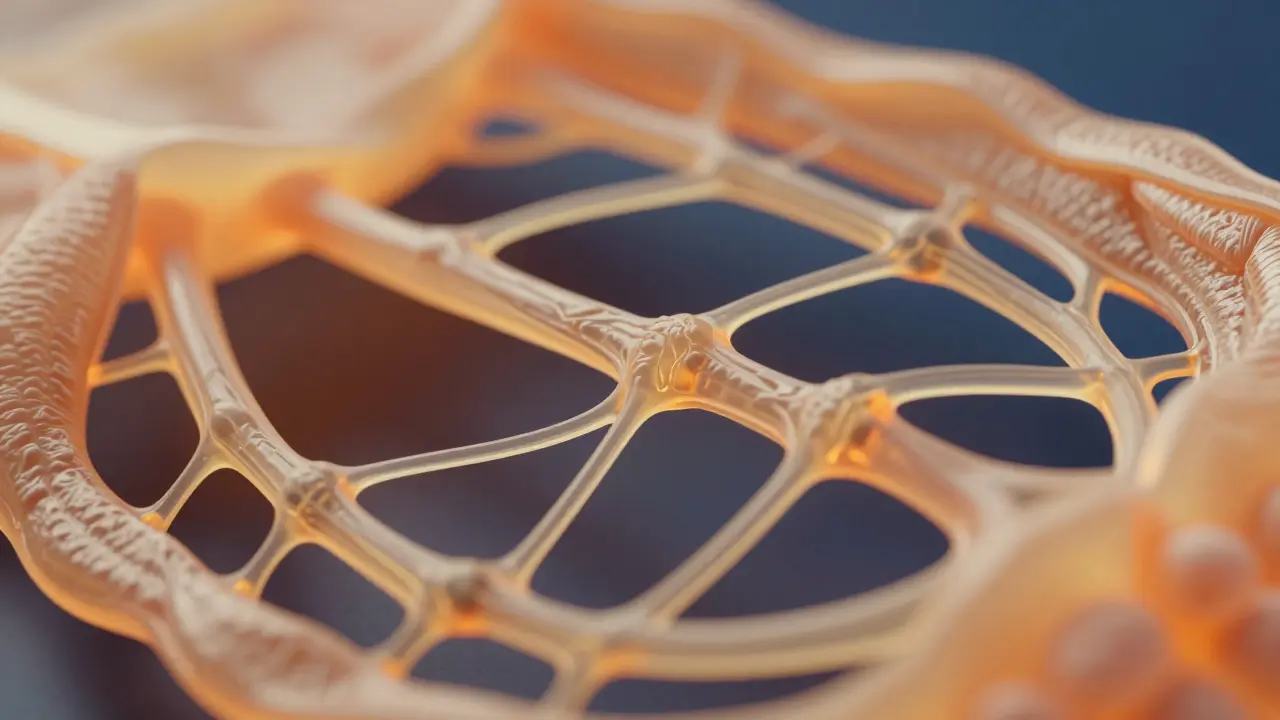
Discover how Rolfing uses structural integration to address chronic pain by reshaping fascial tissue and aligning the body with gravity.
Reiki: A Pathway to Improved Mind-Body Connection
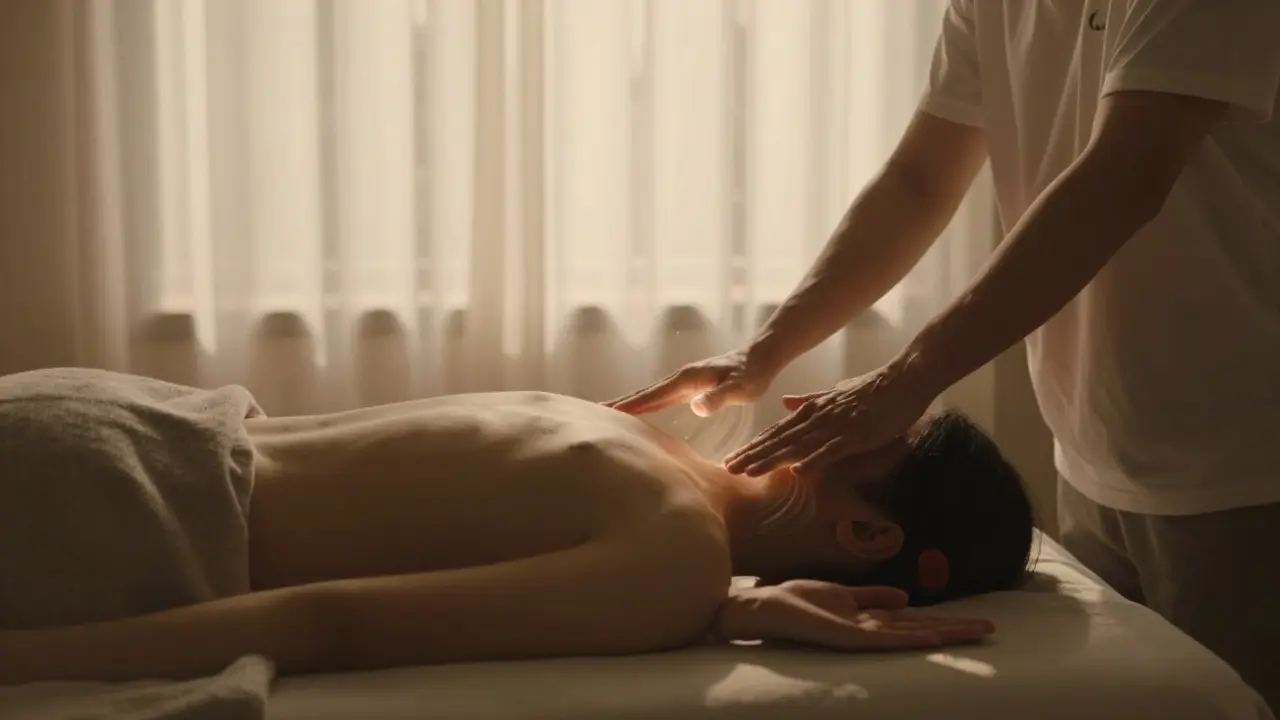
Reiki is a gentle, non-invasive energy healing practice that helps restore balance between mind and body. It reduces stress, improves sleep, and supports emotional well-being without drugs or manipulation.
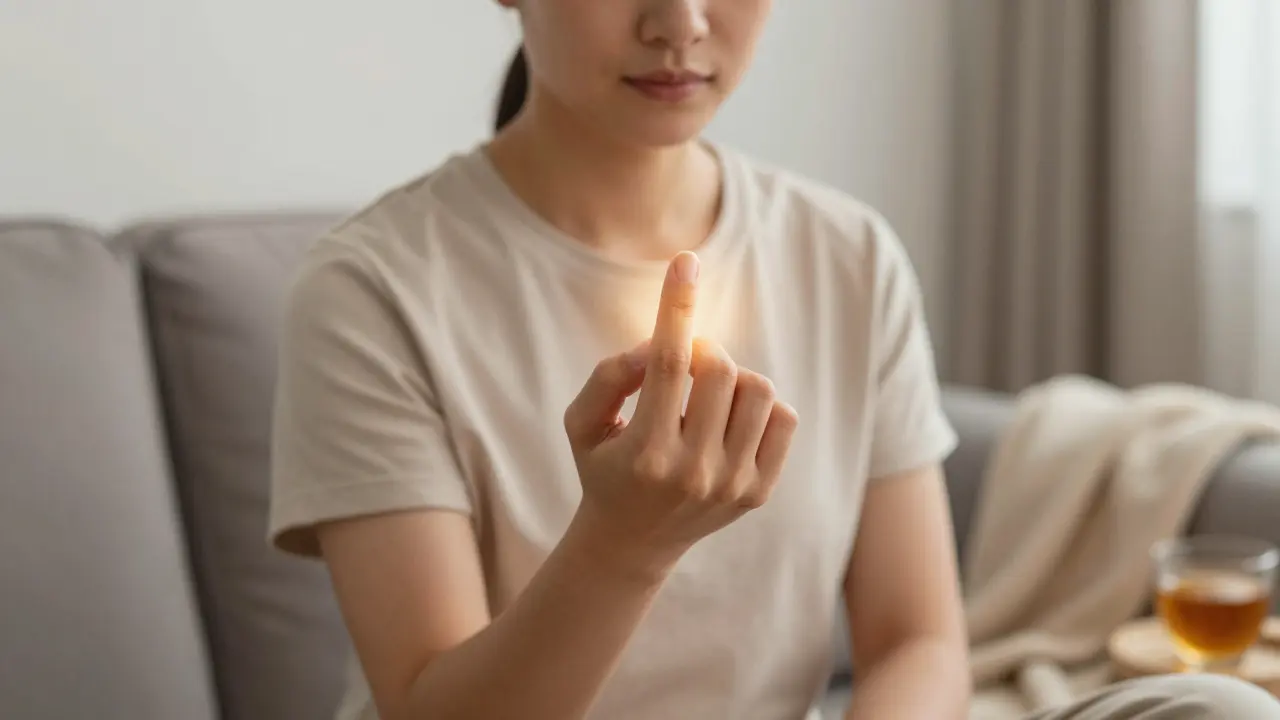
Unlocking the Secrets of Acupressure: How Pressure Points Ease Pain and Stress
Acupressure uses natural pressure on key points to relieve pain, reduce stress, and improve sleep - no needles or drugs needed. Learn how to use five powerful points for instant relief and long-term wellness.
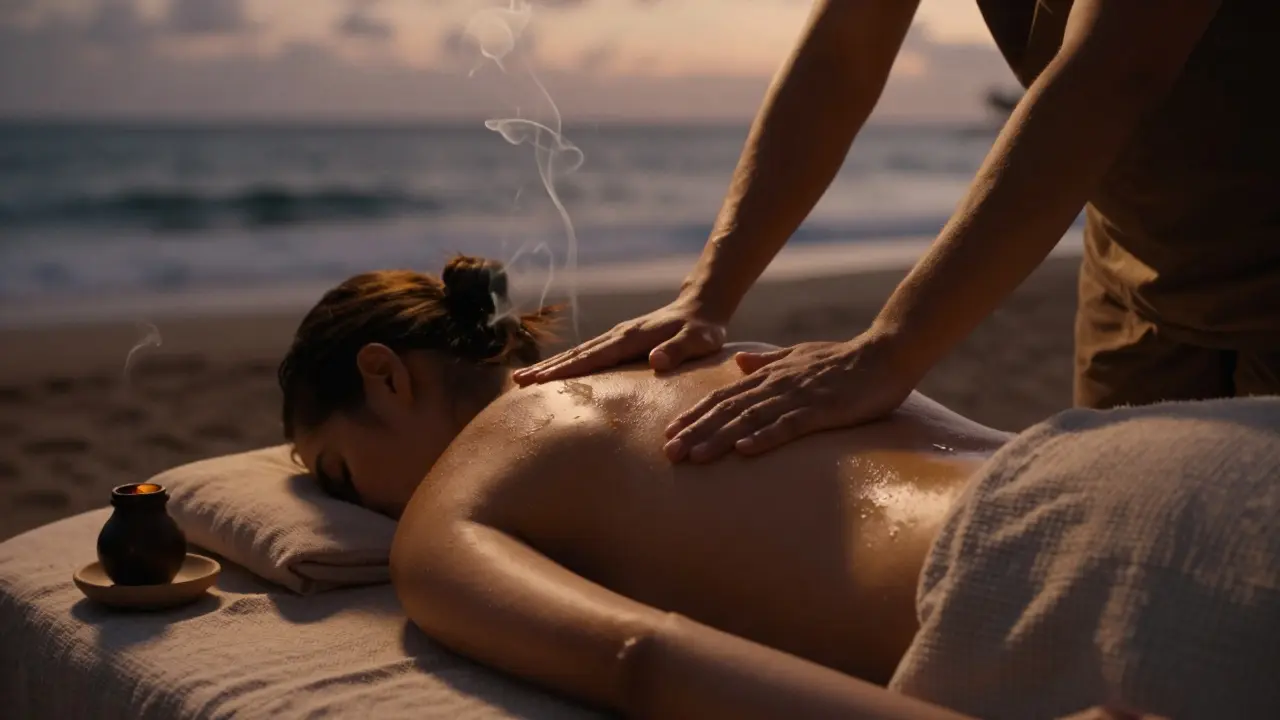
The Tranquil World of Lomi Lomi Massage
Lomi lomi massage is a traditional Hawaiian healing practice that uses rhythmic, flowing strokes to release physical tension and emotional blockages. Rooted in ancient wisdom, it’s not just a massage-it’s a return to inner peace.
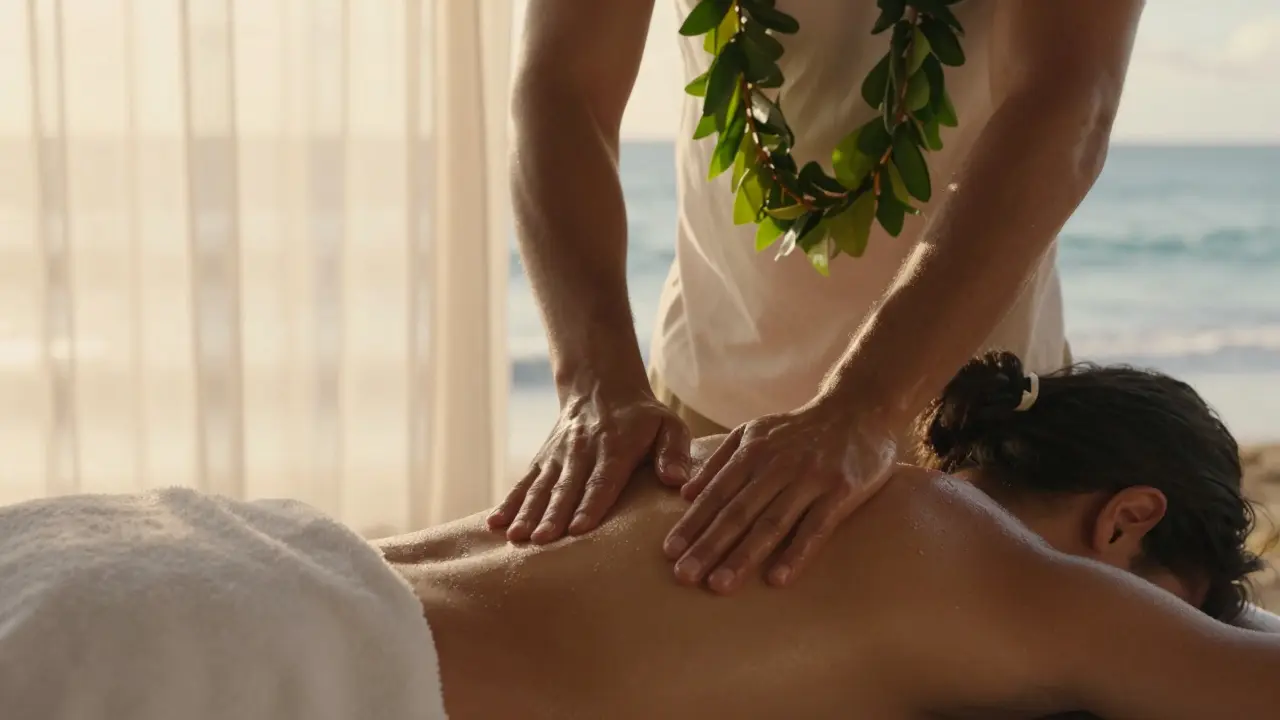
Lomi Lomi Massage: A Hawaiian Secret to Relaxation
Lomi lomi massage is a traditional Hawaiian healing practice that uses rhythmic, flowing strokes to release deep physical and emotional tension. Unlike standard massages, it treats the body as a whole system, promoting profound relaxation and emotional release.
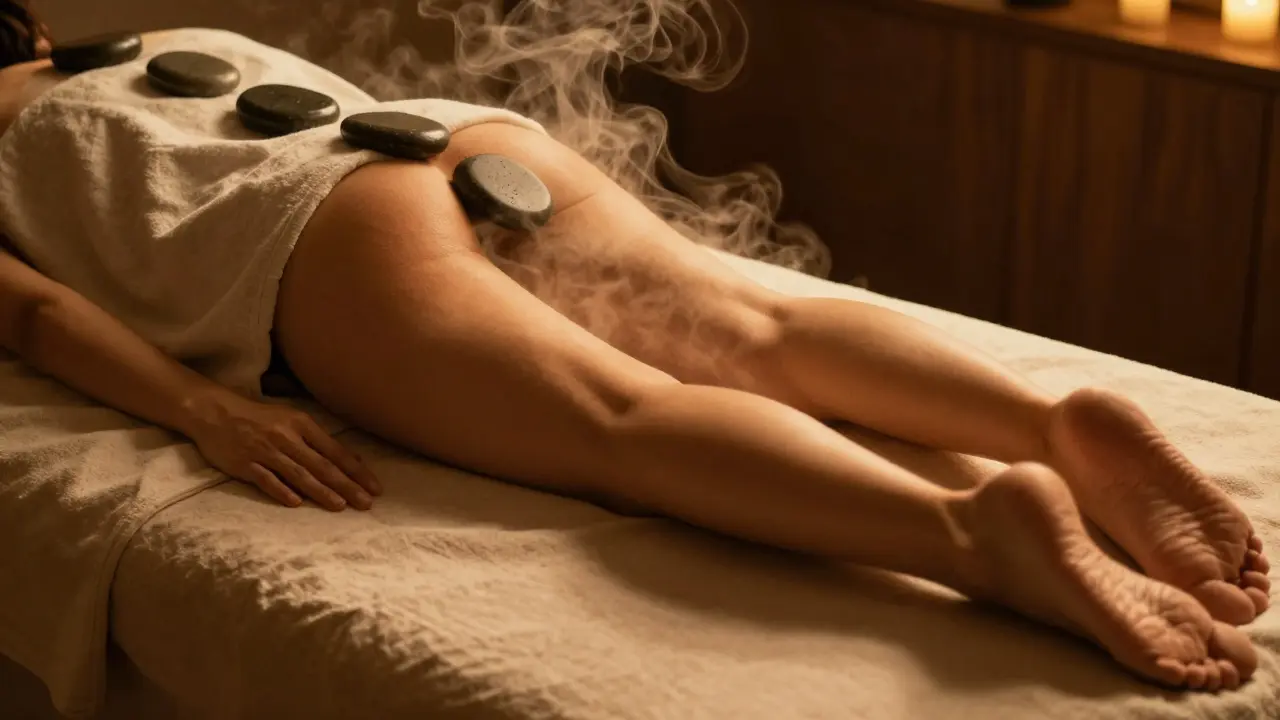
Stone Massage: An Ancient Remedy for Modern Stress
Stone massage uses heated and cooled stones to melt stress, reset the nervous system, and promote deep relaxation. Rooted in ancient traditions, it’s one of the most effective non-medical tools for modern anxiety and tension.
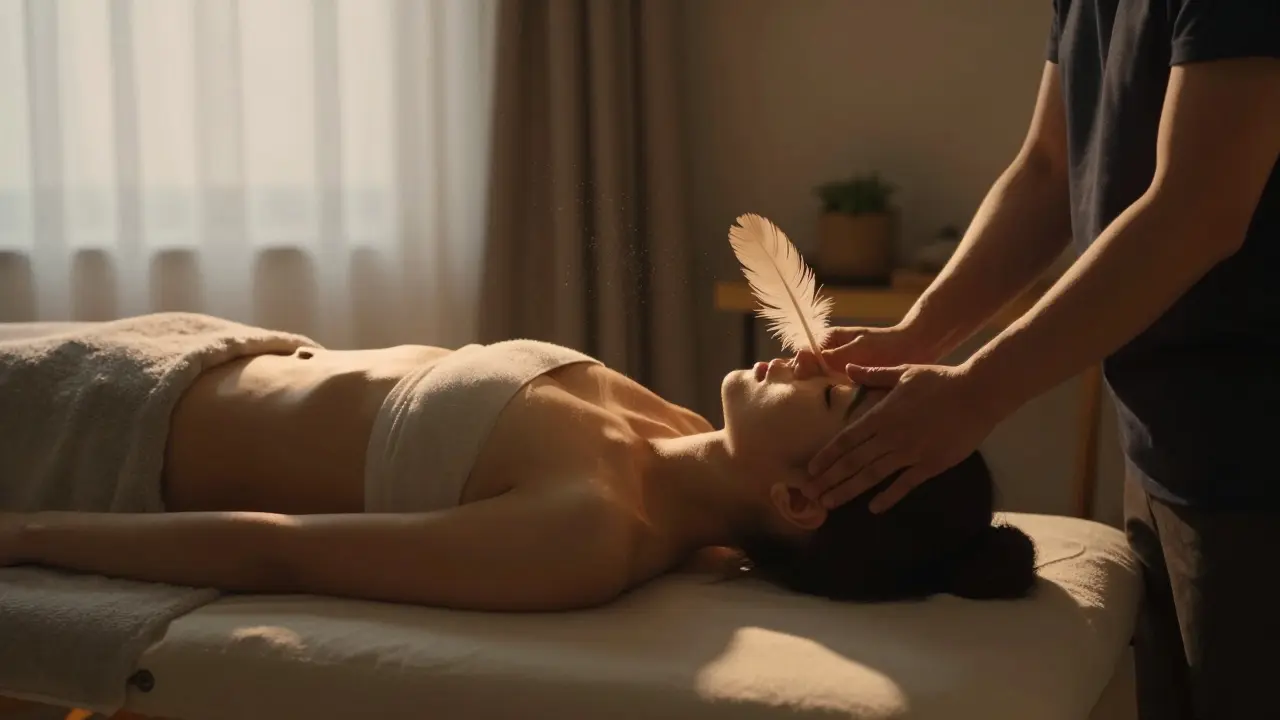
Craniosacral Therapy: A Revolutionary Approach to Pain Relief
Craniosacral therapy uses gentle touch to release tension in the central nervous system, helping relieve chronic pain, headaches, and stress. Unlike forceful treatments, it works with the body's natural rhythms for lasting relief.
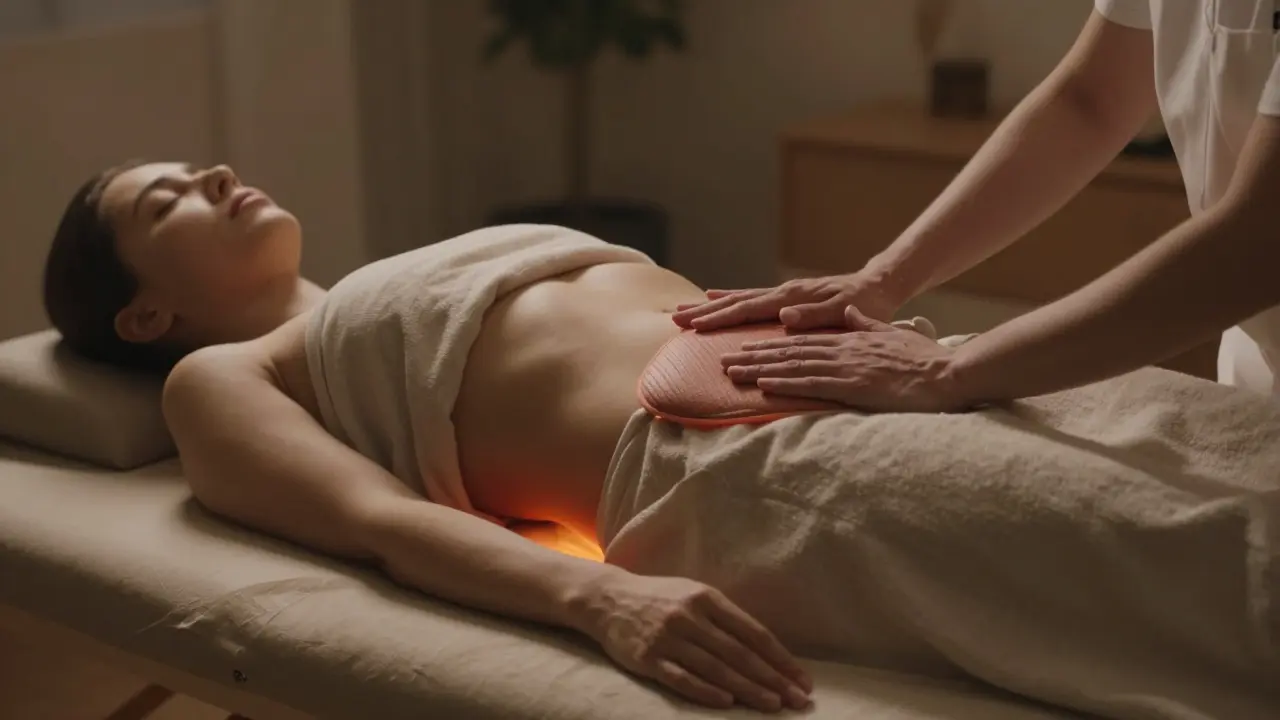
Maya Abdominal Massage: How This Ancient Technique Heals Digestion, Fertility, and Emotional Blockages
Maya Abdominal Massage is an ancient technique that repositions internal organs to improve digestion, fertility, and emotional well-being. Used by thousands worldwide, it offers a natural, non-invasive way to heal chronic pelvic and abdominal issues without drugs or surgery.
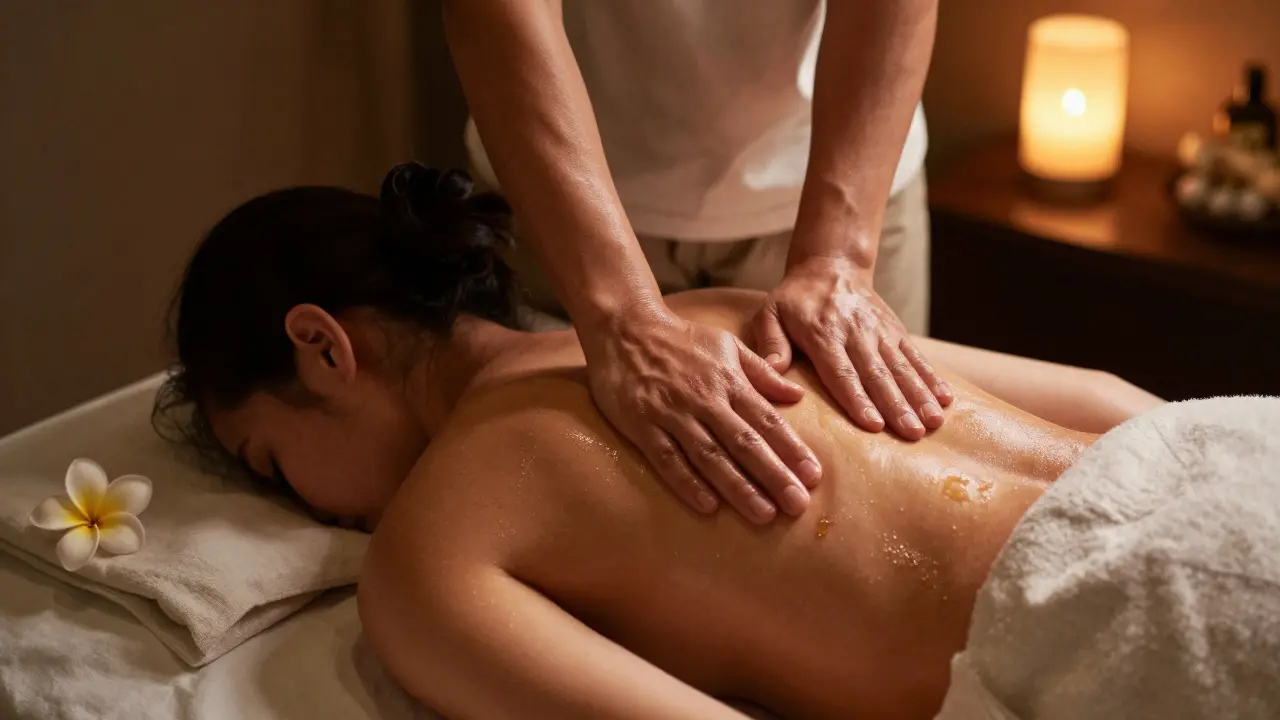
Debunking Myths About Balinese Massage: What Really Happens During the Session
Balinese massage is often misunderstood. This article cuts through the myths to show what really happens during a session-deep pressure, joint mobilization, and real physical relief-not just aromatherapy or spiritual rituals.
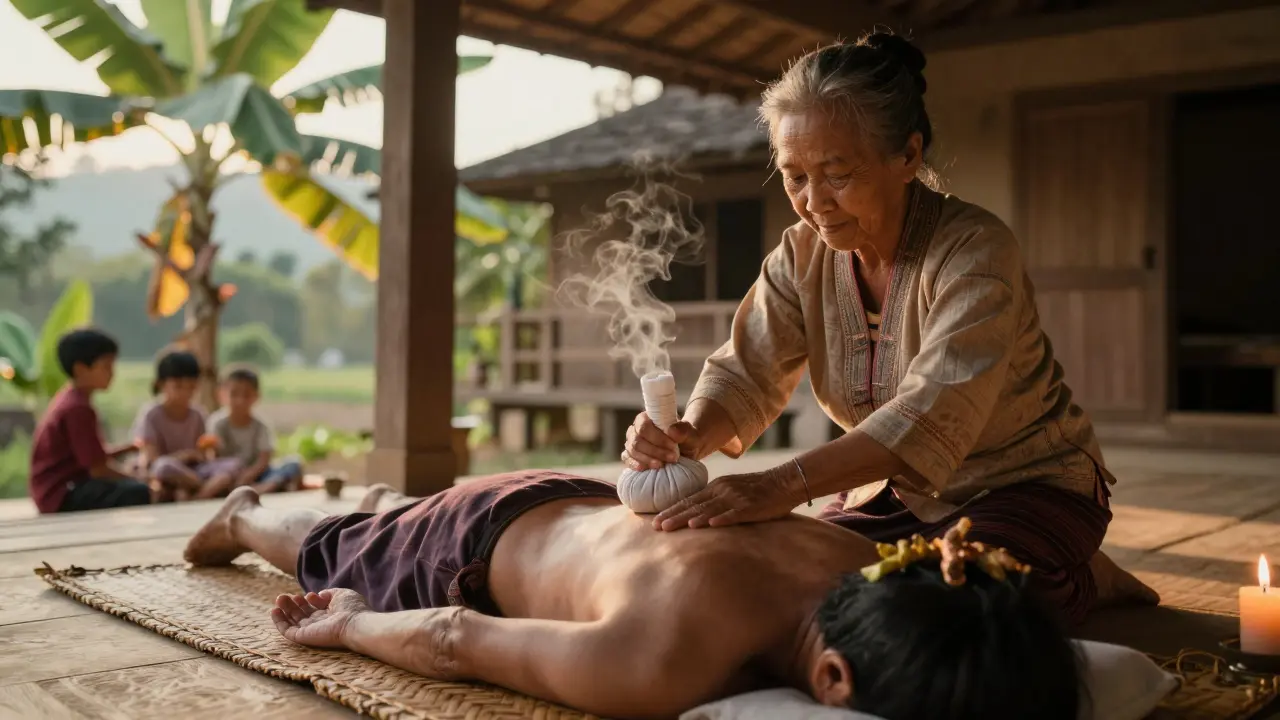
Laos Massage: A Hidden Treasure in Holistic Health
Laos massage is a gentle, herb-infused healing tradition from Southeast Asia that offers deep relaxation and pain relief without aggressive stretching. Rooted in Buddhist and village wisdom, it's a hidden gem in holistic health.
Categories
- Health and Wellness (150)
- Alternative Therapies (102)
- Massage Therapy (40)
- Travel and Culture (16)
- Beauty and Skincare (9)
- Holistic Health (8)
- Health and Fitness (6)
- Spirituality (5)
- Personal Development (3)
- Other (2)