
Craniosacral Therapy: A Revolutionary Approach to Pain Relief
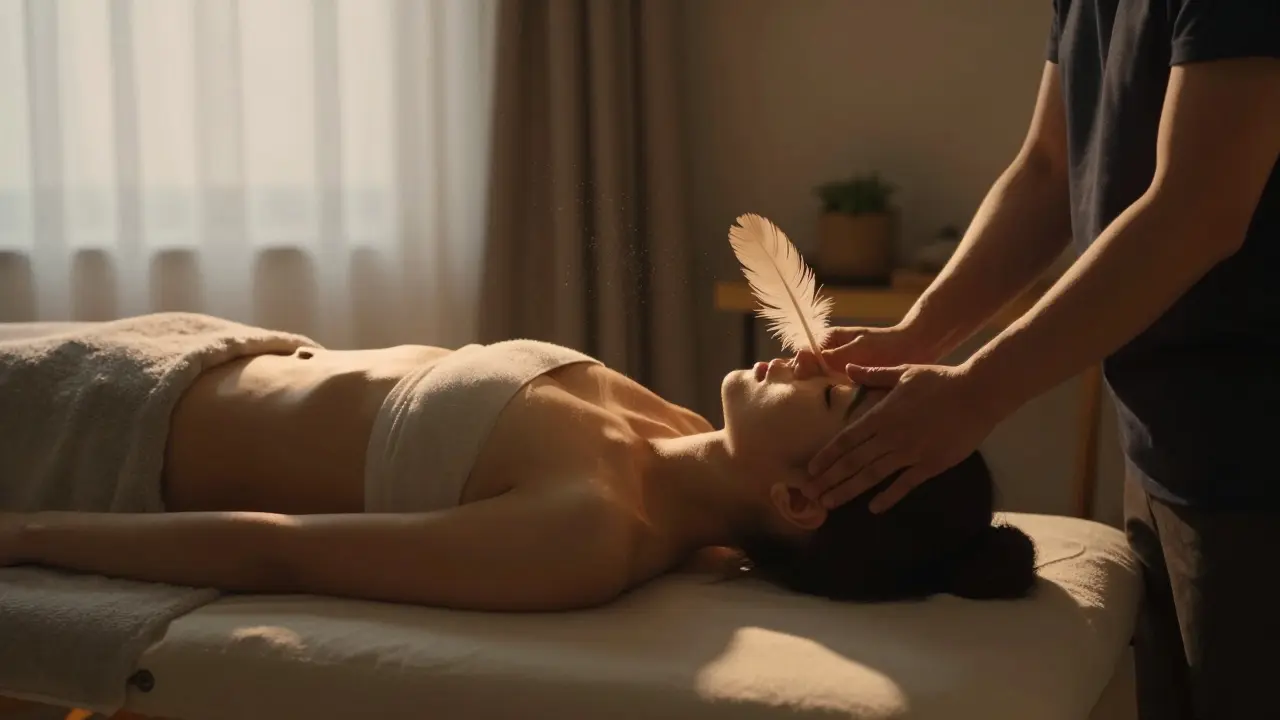
Most people think pain relief means pills, injections, or surgery. But what if the key to easing chronic pain lies in the subtle rhythm of your own body? Craniosacral therapy (CST) isn’t about force or deep pressure. It’s about listening-to the quiet pulse of cerebrospinal fluid, to the tiny movements of your skull bones, to the way your nervous system holds onto stress from years ago. This isn’t magic. It’s physiology. And it’s working for thousands who’ve tried everything else.
What Exactly Is Craniosacral Therapy?
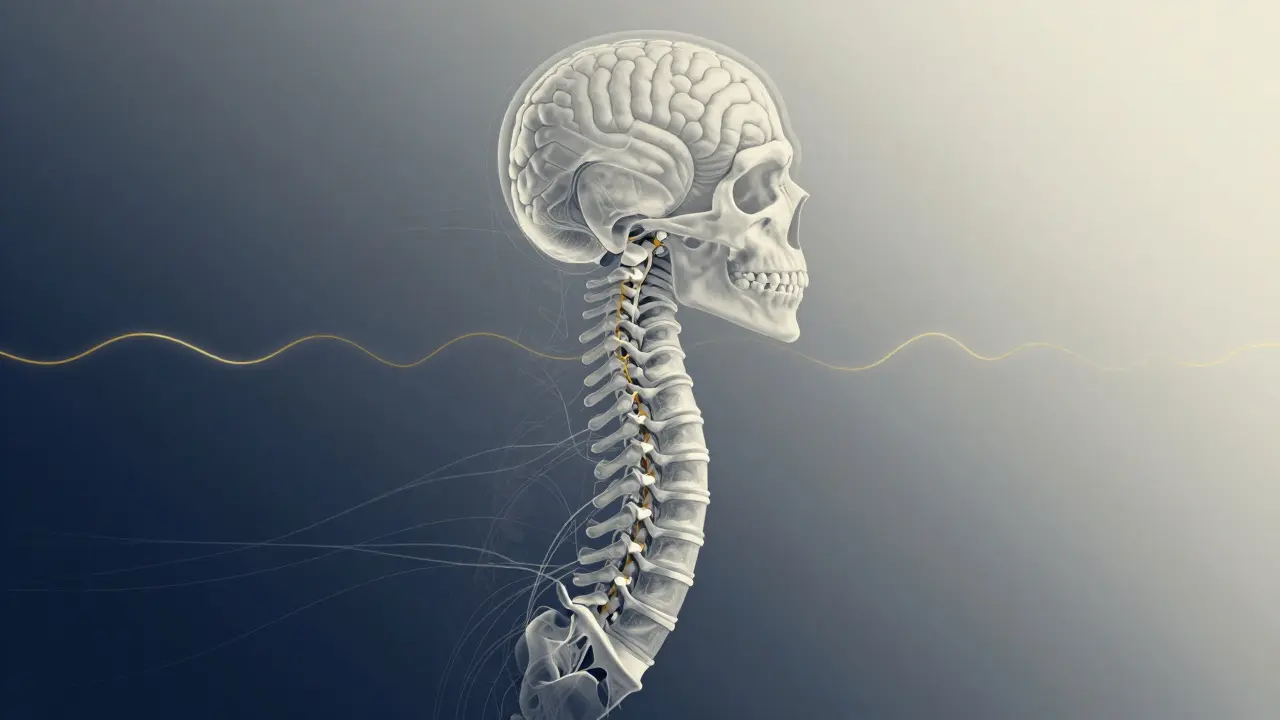
Craniosacral therapy is a gentle, hands-on technique that focuses on the membranes and fluid surrounding your brain and spinal cord. Developed in the 1970s by osteopathic physician John Upledger, it builds on earlier work by William Sutherland, who noticed that the bones of the skull aren’t fused solidly like most people assume. Instead, they have slight, rhythmic movements-just a fraction of a millimeter-driven by the production and reabsorption of cerebrospinal fluid. This fluid circulates around your central nervous system, cushioning your brain and spinal cord, delivering nutrients, and removing waste. When this system gets stuck-due to trauma, surgery, or chronic tension-the rhythm slows or stops. That’s where CST comes in.
A trained therapist uses a light touch, usually no more than 5 grams of pressure (about the weight of a nickel), to feel this rhythm. They don’t push or crack anything. They wait. They listen. And over time, the body often begins to release restrictions on its own. It’s like tuning a musical instrument: you don’t force the strings. You adjust the tension until the note rings true again.
How It Works: The Science Behind the Touch
People often dismiss CST because it sounds soft. But the science isn’t fluffy. The dura mater, a tough membrane that wraps around your brain and spinal cord, connects from the base of your skull to your tailbone. Tension in this membrane can pull on nerves, restrict blood flow, and alter spinal alignment. A car accident, a fall, even a difficult birth can leave lasting tension here. Studies using real-time ultrasound have shown changes in cerebrospinal fluid flow after CST sessions. One 2020 study published in the Journal of Bodywork and Movement Therapies found measurable improvements in cervical range of motion and reduced pain scores in patients with chronic neck pain after just six CST sessions.
It’s not just about bones and fluid. The autonomic nervous system-your body’s stress control center-responds to gentle touch. When a therapist’s hands rest lightly on your head or sacrum, the parasympathetic nervous system kicks in. Your heart rate drops. Your breathing slows. Your muscles relax. This isn’t placebo. It’s measurable. Heart rate variability (HRV), a marker of nervous system balance, improves in many CST recipients. That’s why people with anxiety, insomnia, or PTSD often report feeling calmer after sessions, even before the physical pain changes.
Who Benefits Most?
Craniosacral therapy isn’t a cure-all. But it shines for certain conditions:
- Chronic headaches and migraines - Especially those linked to jaw tension or neck stiffness. Many clients report fewer attacks and less intensity after regular sessions.
- Post-concussion syndrome - After a head injury, the brain can remain in a state of hyperarousal. CST helps calm the central nervous system, reducing dizziness, brain fog, and light sensitivity.
- Lower back pain - When the sacrum (the triangular bone at the base of your spine) is misaligned or restricted, it affects the whole pelvic and spinal chain. CST gently releases tension here without manipulation.
- Tinnitus and ear pressure - Some research suggests CST can improve fluid dynamics around the inner ear, reducing ringing and fullness.
- Infants with colic or feeding difficulties - CST is gentle enough for newborns. It helps release tension from birth trauma, improving latch, sleep, and digestion.
It’s also used by athletes recovering from repetitive strain, office workers with tension headaches, and even people with fibromyalgia who’ve found traditional massage too intense.
What Happens During a Session?
A typical session lasts 45 to 60 minutes. You lie fully clothed on a massage table, usually on your back. The therapist places their hands gently on your skull, spine, or sacrum. You might feel warmth, tingling, or a subtle pulsing. Some people drift into deep relaxation. Others don’t feel much at all-and that’s normal too.
There’s no cracking, no forceful stretching. If you feel discomfort, you speak up. A good therapist adjusts immediately. Many clients say they leave feeling lighter, as if a weight they didn’t know they were carrying has been lifted. Some feel sleepy. Others feel strangely energized. Both are common responses as the nervous system resets.
Most people need 4 to 8 sessions to notice lasting change. It’s not a one-time fix. Like physical therapy, CST works cumulatively. The body needs time to relearn how to move freely.
How It Compares to Other Therapies
Here’s how CST stacks up against other common approaches:
| Therapy | Pressure Level | Duration of Relief | Best For | Side Effects |
|---|---|---|---|---|
| Craniosacral Therapy | Very light (5g) | Days to weeks (cumulative) | Nervous system tension, chronic pain, trauma | None reported |
| Deep Tissue Massage | High | Hours to 1 day | Chronic muscle knots | Soreness, bruising |
| Chiropractic Adjustment | High, sudden | Hours to days | Spinal misalignment | Temporary dizziness, soreness |
| Physical Therapy | Moderate to high | Weeks to months | Rehab after injury | Muscle fatigue |
| Acupuncture | Minimal (needles) | Hours to days | Neuropathic pain, stress | Minor bruising |
CST stands out because it doesn’t force change. It invites it. That’s why it’s often used alongside other therapies-not as a replacement, but as a complement. A physical therapist might use CST after strengthening exercises to help the body integrate the new movement patterns.
What to Look for in a Practitioner
Not everyone who calls themselves a CST therapist is trained the same way. Look for certification from reputable schools:
- Upledger Institute - The original training program founded by John Upledger. Most widely recognized.
- Cranial Academy - Offers advanced training in Europe and North America.
- Biodynamic Craniosacral Therapy - Focuses on the body’s innate healing intelligence, with less emphasis on technique.
Ask about their training hours. A qualified therapist has completed at least 700 hours of classroom and clinical training. They should be able to explain what they’re feeling during the session-not just say “I’m working on your energy.” Real CST is grounded in anatomy and physiology, not mysticism.

What You Shouldn’t Expect
CST isn’t a miracle cure. Don’t go in expecting:
- Instant pain elimination
- A diagnosis of your condition
- A treatment for cancer, diabetes, or serious neurological disease
- A replacement for medical care
If you have a recent spinal injury, osteoporosis, or a brain aneurysm, talk to your doctor first. CST is safe for most people, but it’s not for everyone. Always disclose your full medical history.
Why It Feels So Different
Most therapies tell your body what to do. CST asks your body to remember how to heal itself. That’s why people describe it as “inner work.” You’re not being fixed. You’re being reminded of your own resilience. After a session, some clients cry without knowing why. Others laugh. Some sit quietly for 20 minutes after leaving the table, just breathing.
That’s not coincidence. It’s the nervous system releasing old patterns. When the body finally feels safe enough to let go, healing happens-not because of pressure, but because of presence.
Is It Worth Trying?
If you’ve tried painkillers, physical therapy, or chiropractic care and still hurt-CST might be the missing piece. It’s low-risk, non-invasive, and deeply calming. A single session costs between $80 and $150 in Australia, depending on location. Many private health insurers cover it under natural therapies.
Try three sessions. If you don’t feel any shift in tension, sleep, or pain levels, you’re no worse off. But if your body starts to feel lighter, calmer, or more at ease? That’s not imagination. That’s your nervous system coming back online.