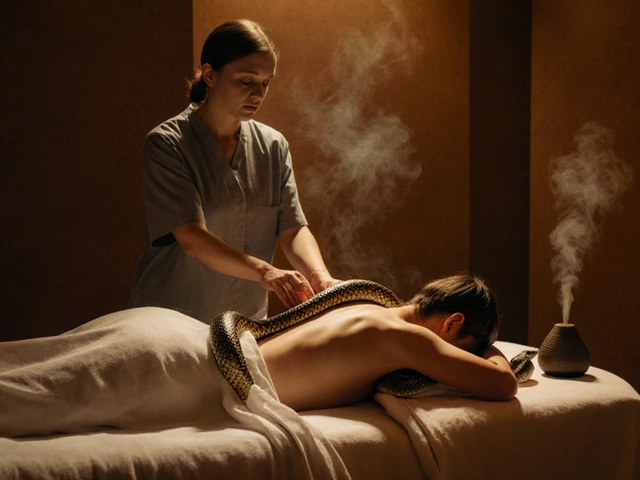
Craniosacral therapy: gentle, hands-on relief you can feel
Ever tried a treatment so gentle you barely feel it—and left calmer, with less pain? That’s craniosacral therapy. Practitioners use light touch on the skull, neck, and sacrum to ease tightness, improve movement, and calm your nervous system. It’s low-force and slow-paced, so it’s easy to try even if other hands-on therapies hurt.
What to expect in a session
Sessions are usually done with you clothed, lying on a massage table. The therapist rests their hands on your head, neck, or low back and follows small rhythms and subtle shifts. You might notice warmth, a sense of release, a softening around your jaw, or just deep relaxation. Sessions range from 30 to 60 minutes. Afterward people often feel looser, sleep better, or less anxious. If you have headaches, neck pain, or chronic tension, a few sessions spaced over weeks give the body time to respond.
Therapists come from different backgrounds—massage, physical therapy, osteopathy—so styles vary. Ask the practitioner what training they completed and how long they’ve practiced craniosacral work. If you have recent head trauma, a brain condition, or unstable medical issues, check with your doctor first and tell the therapist about any surgeries, implants, or ongoing treatments.
Who benefits and how safe is it?
People who try craniosacral therapy often have headaches, neck or back tension, stress, TMJ problems, or sleep issues. Some report improved digestion or reduced anxiety after treatment. Evidence is mixed but promising: small clinical trials and case reports show benefits for certain kinds of headaches and neck pain, and many clients report meaningful symptom changes. Because the touch is so light, risks are low for most people. Still, avoid deep cranial work if you have recent head injury, aneurysm history, or uncontrolled blood clotting disorders—your therapist should screen for this.
How do you pick a good practitioner? Look for clear training credentials, good client reviews, and someone who asks detailed questions about your health. A solid practitioner will explain what they do, set realistic expectations, and suggest a plan—often a short series of sessions to see how you respond. Trust your gut: if the therapist rushes you or gives big promises, walk away.
Simple at-home steps can help between sessions: gentle neck stretches, focused breathing to calm your nervous system, and short breaks from screens to reset posture. If you try craniosacral therapy, track your symptoms for a few weeks so you can tell whether it’s helping.
Craniosacral therapy isn’t a magic cure, but for many it’s a gentle, low-risk way to reduce tension, improve sleep, and calm the nervous system. If you want a soft-touch option that’s easy on the body, it’s worth a try.
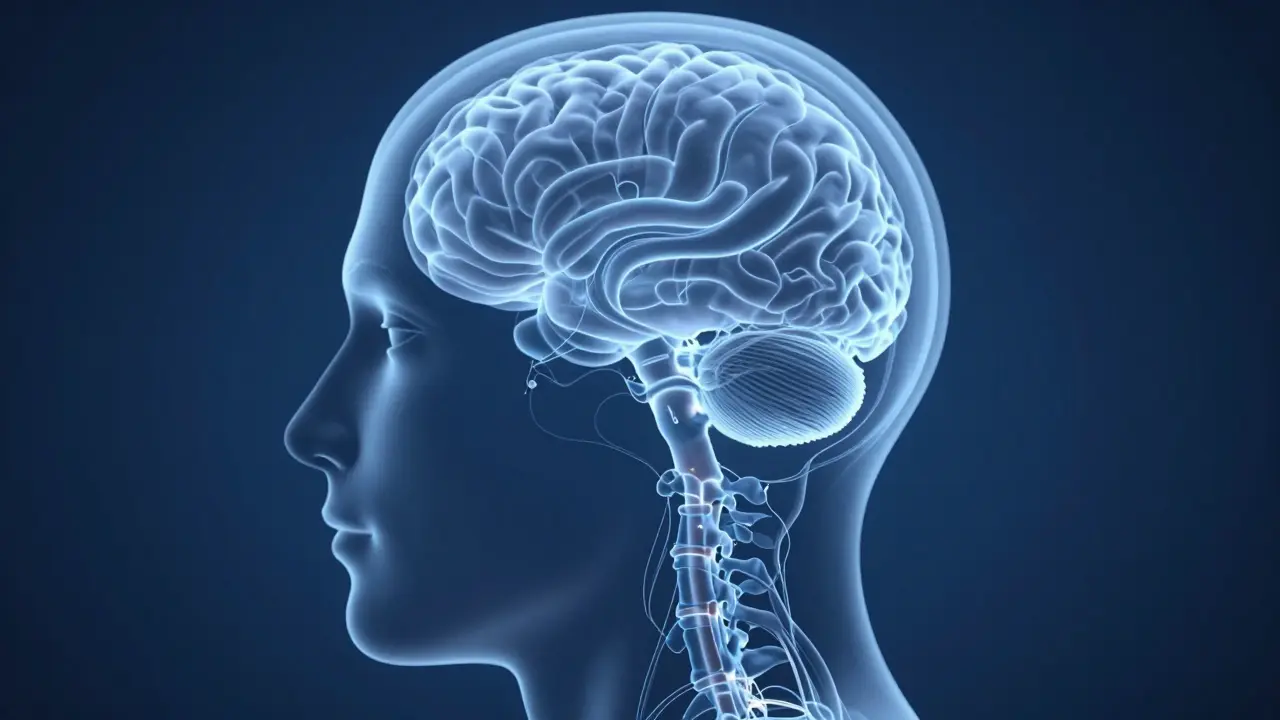
Craniosacral Therapy for Pain: Does This Gentle Touch Actually Work?
Discover how Craniosacral Therapy (CST) uses gentle touch to release nervous system tension and provide lasting relief for chronic pain, migraines, and fibromyalgia.
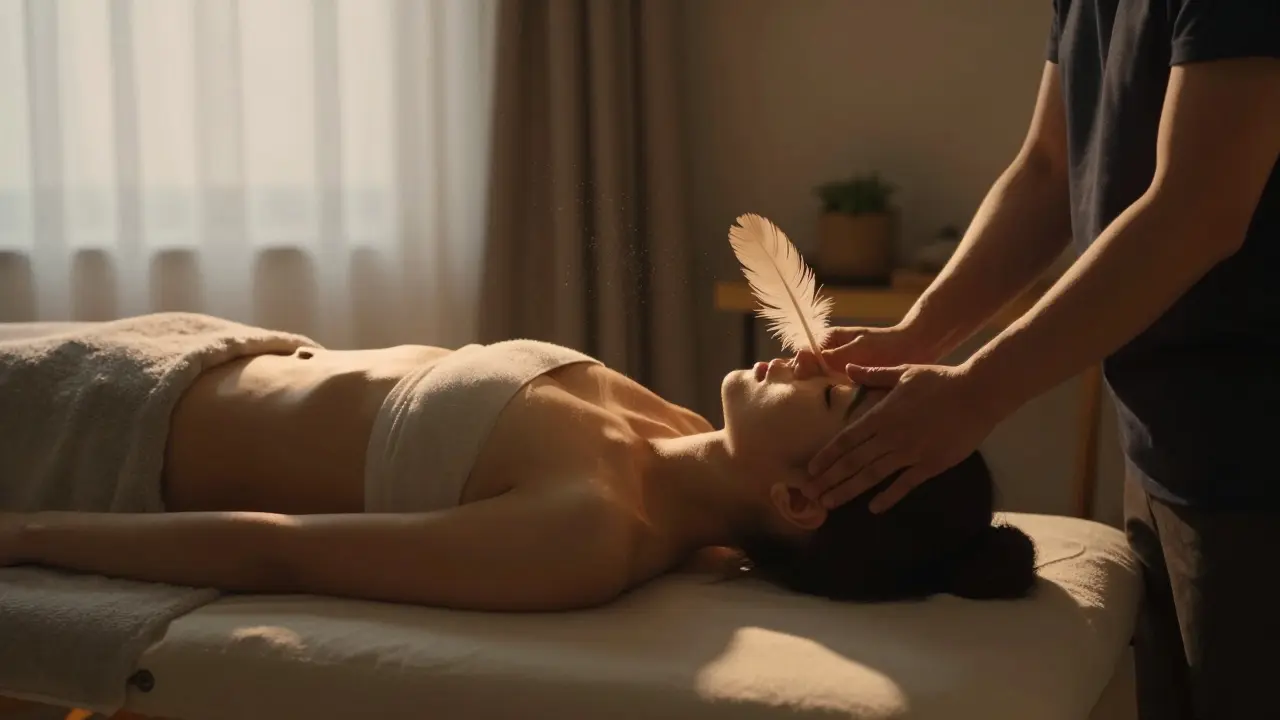
Craniosacral Therapy: A Revolutionary Approach to Pain Relief
Craniosacral therapy uses gentle touch to release tension in the central nervous system, helping relieve chronic pain, headaches, and stress. Unlike forceful treatments, it works with the body's natural rhythms for lasting relief.
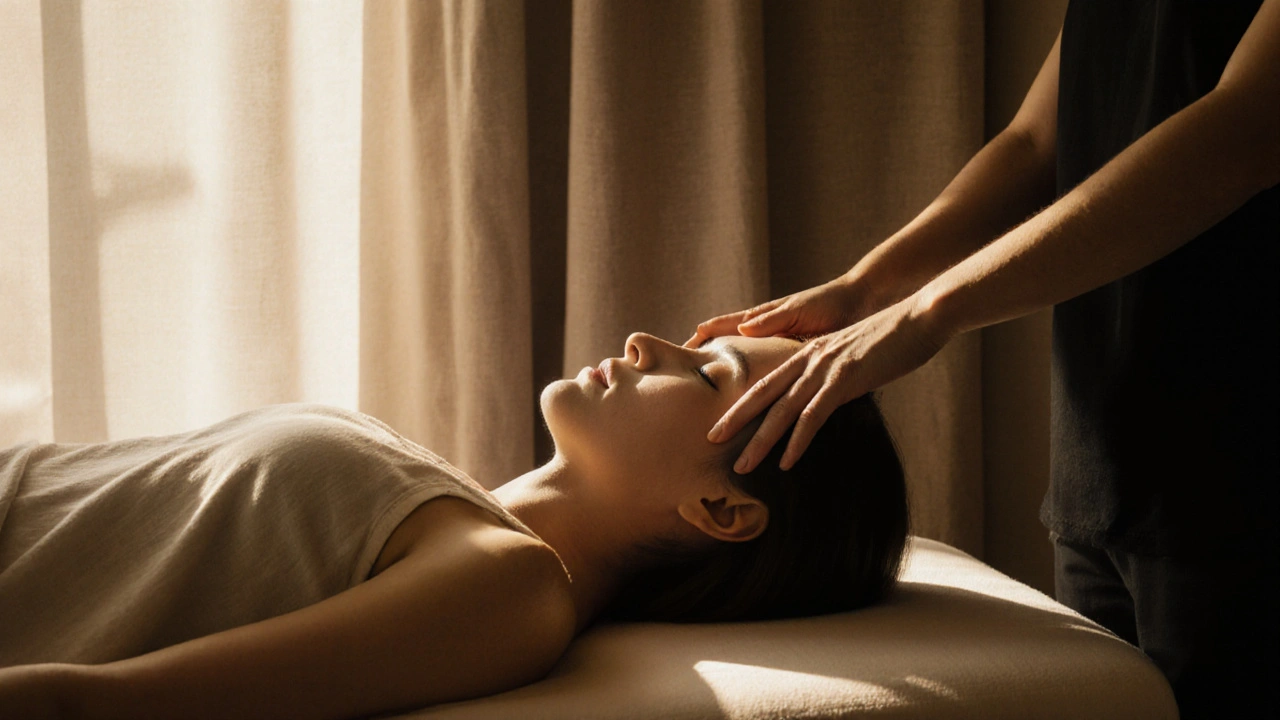
The Surprising Health Benefits of Craniosacral Therapy
Craniosacral therapy uses gentle touch to support the nervous system, reduce stress, and ease chronic pain. Discover real benefits backed by patient reports and emerging research.
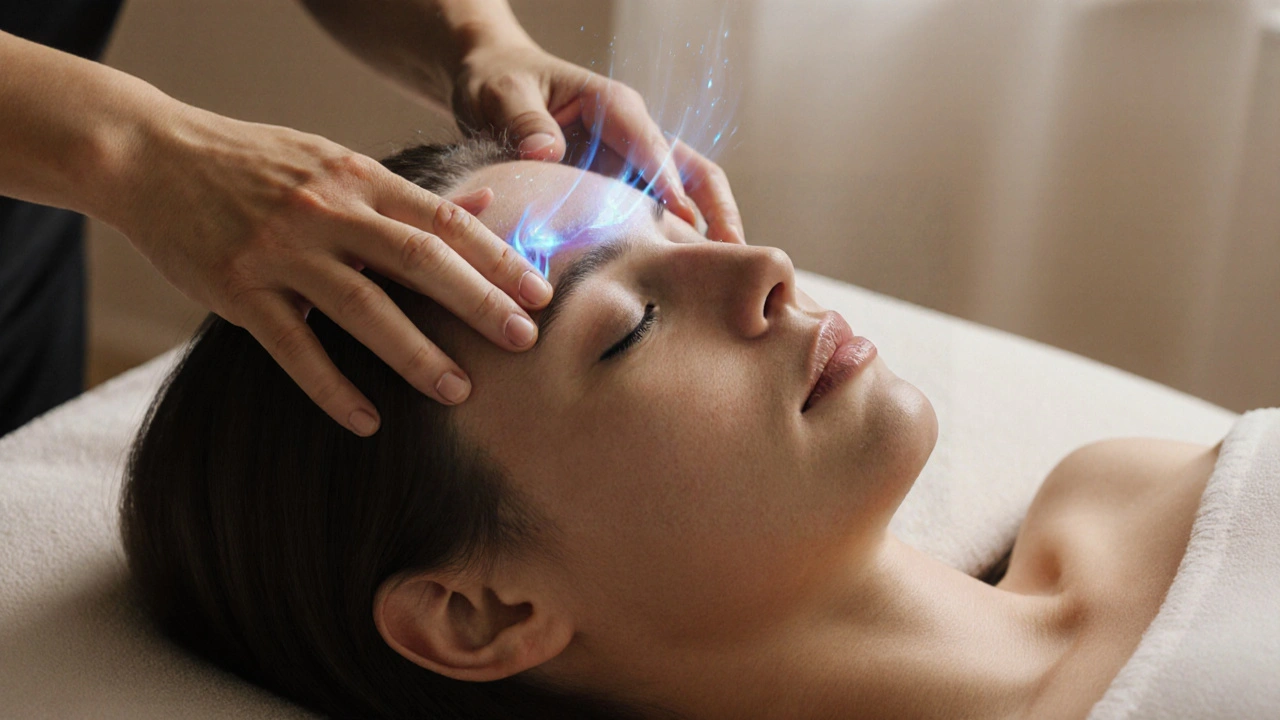
Craniosacral Therapy: Harnessing the Healing Power of Touch
Discover how gentle craniosacral therapy works, its benefits, common conditions it helps, what to expect in a session, and how to pick a certified practitioner.

Your Health Matters: Unpacking Craniosacral Therapy
Craniosacral therapy is an alternative healing approach focusing on the body's craniosacral system to enhance health. Learn how this gentle, hands-on technique aims to improve bodily function by soothing the central nervous system. Discover the possible benefits, who might consider it, and tips for getting started. Delve into the practical side of craniosacral therapy and its role in holistic health.

The Power of Craniosacral Therapy in Modern Pain Relief
Craniosacral therapy is gaining attention as a transformative approach to pain management. This gentle, hands-on method focuses on relieving tension in the central nervous system, which can promote overall well-being. By fostering a deep sense of relaxation, it helps alleviate chronic pain and supports the body's natural healing processes. As more people seek alternative therapies, craniosacral therapy is becoming a cornerstone in holistic health strategies.
Categories
- Health and Wellness (151)
- Alternative Therapies (126)
- Massage Therapy (57)
- Travel and Culture (17)
- Beauty and Skincare (11)
- Holistic Health (8)
- Health and Fitness (6)
- Spirituality (5)
- Spa and Wellness (4)
- Personal Development (3)