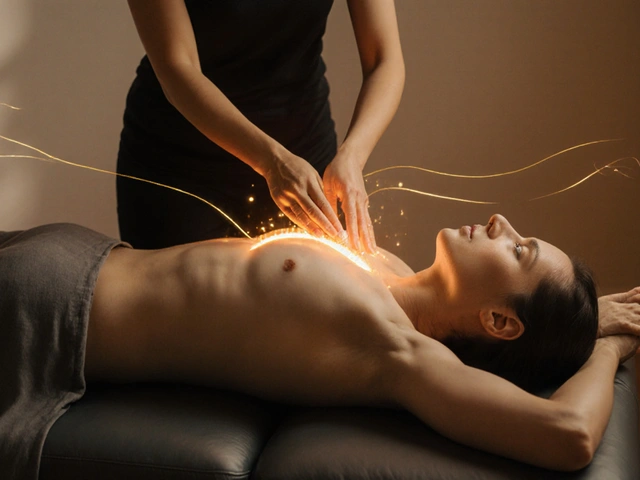
Craniosacral Therapy for Pain: Does This Gentle Touch Actually Work?
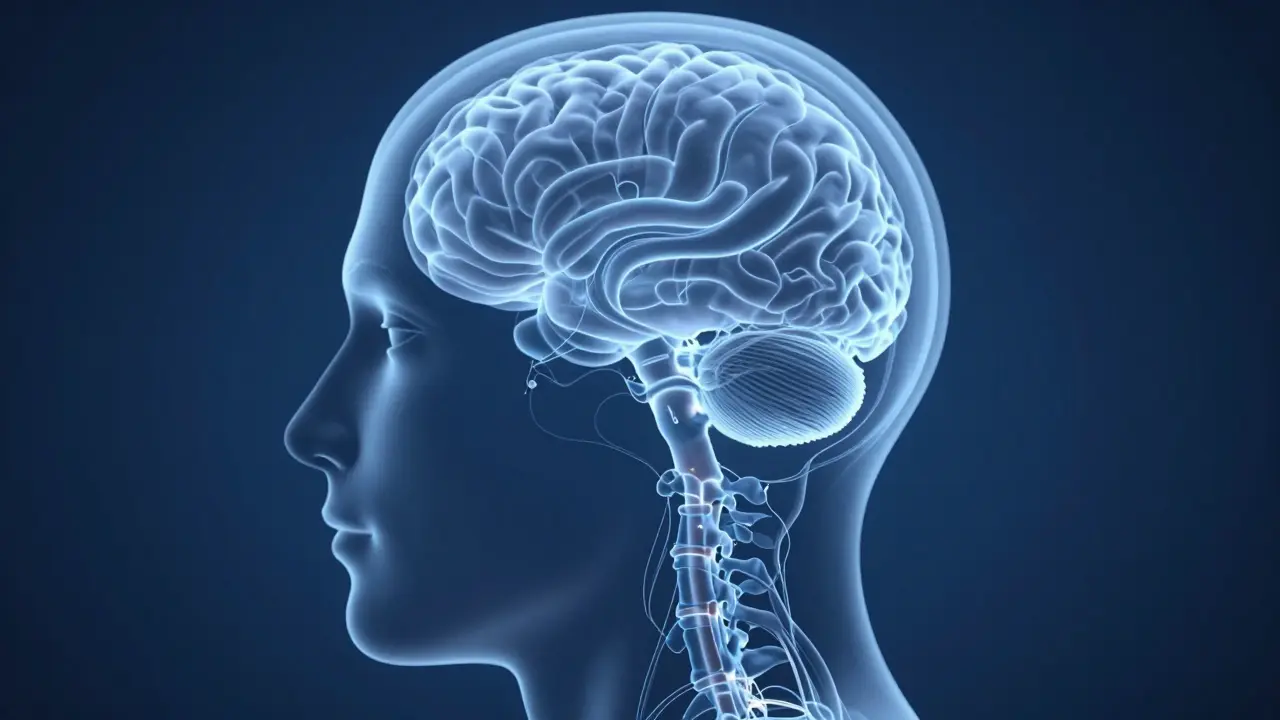
The Core Idea: It's All About the Fluid
To understand why this works, you have to look at the Cerebrospinal Fluid (CSF). This clear liquid cushions your brain and spinal cord, acting as a shock absorber and a waste disposal system. Your body produces this fluid in a rhythmic cycle-a pulse that can be felt by a trained practitioner. When you experience a trauma, whether it's a car accident or years of slouching at a desk, the membranes holding this fluid can tighten up.
Think of it like a kink in a garden hose. When the flow of CSF is restricted, your nervous system stays in a state of high alert. This is where chronic pain kicks in. By applying very light pressure-usually no more than five grams-a therapist helps these membranes relax. When the "kink" is removed, the pressure drops, and the body can finally shift out of fight-or-flight mode and into a state of healing. This is why many people report feeling an immediate sense of calm or a "release" during a session.
Why Traditional Pain Killers Often Fail
Most of us are used to the "block and mask" approach to pain. You take an ibuprofen or a prescription opioid to block the signal from reaching your brain. While this works for a sprained ankle, it rarely solves the root cause of chronic issues. In fact, long-term reliance on these can dull your body's natural warning system. craniosacral therapy takes a different route. It doesn't mask the pain; it addresses the physical tension in the Central Nervous System that is sending the pain signals in the first place.
For example, someone with chronic migraines might have tension in the occiput (the base of the skull). A standard massage might rub the shoulders, but CST focuses on the subtle movement of the cranial bones. By releasing the pressure at the source, the frequency and intensity of the headaches often drop. It's the difference between silencing an alarm and actually putting out the fire.
The Specifics: What Pain Does CST Actually Target?
It isn't a magic wand for every ailment, but it shines in areas where the nervous system is overwhelmed. If you're dealing with tension that feels "deep" or "unreachable," this is often the best bet. Let's look at how it hits specific targets:
- Migraines and Chronic Headaches: By releasing restrictions around the skull and neck, CSF flow improves, reducing the pressure that triggers vascular headaches.
- Fibromyalgia: People with this condition often have a hypersensitive nervous system. The gentle nature of CST doesn't trigger the "pain flare" that deep tissue work sometimes does.
- TMJ Disorders: Tension in the jaw is often linked to the cranial rhythms. Working on the temporomandibular joint can ease lock-jaw and ear ringing.
- Chronic Fatigue Syndrome: When the nervous system is stuck in a loop of stress, the body can't recharge. CST helps shift the body into the parasympathetic state, which is where real rest happens.
| Method | Intensity | Primary Target | Goal |
|---|---|---|---|
| CST | Very Low | Cerebrospinal Fluid / Membranes | Nervous System Regulation |
| Deep Tissue Massage | High | Muscle Fibers / Fascia | Physical Knot Release |
| Chiropractic Adjustment | Moderate | Vertebrae / Joints | Structural Alignment |
| Pharmaceuticals | Chemical | Pain Receptors / Brain | Symptom Suppression |
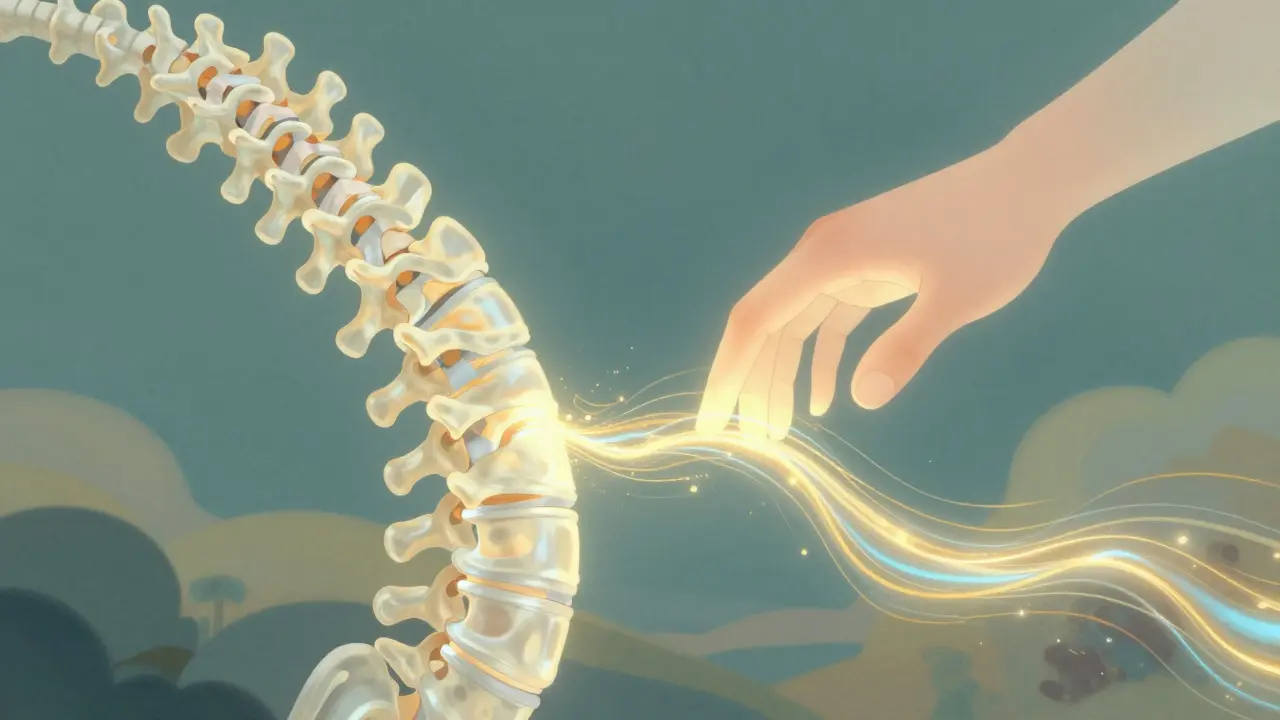
What Happens During a Session?
If you've never had a session, the lack of "action" can be surprising. You don't strip down to your underwear, and you don't get rubbed with oil. The therapist starts by placing their hands on your feet, sacrum, or head. They aren't trying to move you; they are waiting to feel your "rhythm." Everyone has a unique pulse of CSF, similar to a heartbeat but much slower and subtler.
Once they find a restriction-a place where the tissue feels "stuck" or doesn't move with the rhythm-they apply a tiny amount of pressure. They hold this position, allowing the body to make its own decision to let go. You might feel a sudden wave of warmth, a deep sigh, or even a feeling of sleepiness. This is the Parasympathetic Nervous System taking over. For many, the most profound part of the experience is the mental clarity that follows the physical release.
Common Pitfalls and Realistic Expectations
One mistake people make is expecting a "quick fix." CST is not like popping an aspirin. It's a cumulative process. Because you're working with the slowest systems of the body, it often takes a few sessions before the chronic tension truly unravels. If you go in expecting to be "cured" in 30 minutes, you'll be disappointed. But if you view it as a way to retrain your nervous system to stop reacting to phantom pain, the results are usually lasting.
Another pitfall is choosing a practitioner without proper training. Since the touch is so light, some might think anyone can do it. However, a certified therapist has spent hundreds of hours learning how to differentiate between a normal rhythm and a pathology. Look for practitioners trained by the Upledger Institute or similar accredited bodies to ensure they understand the contraindications-such as avoiding CST if you have a recent brain hemorrhage or a skull fracture.
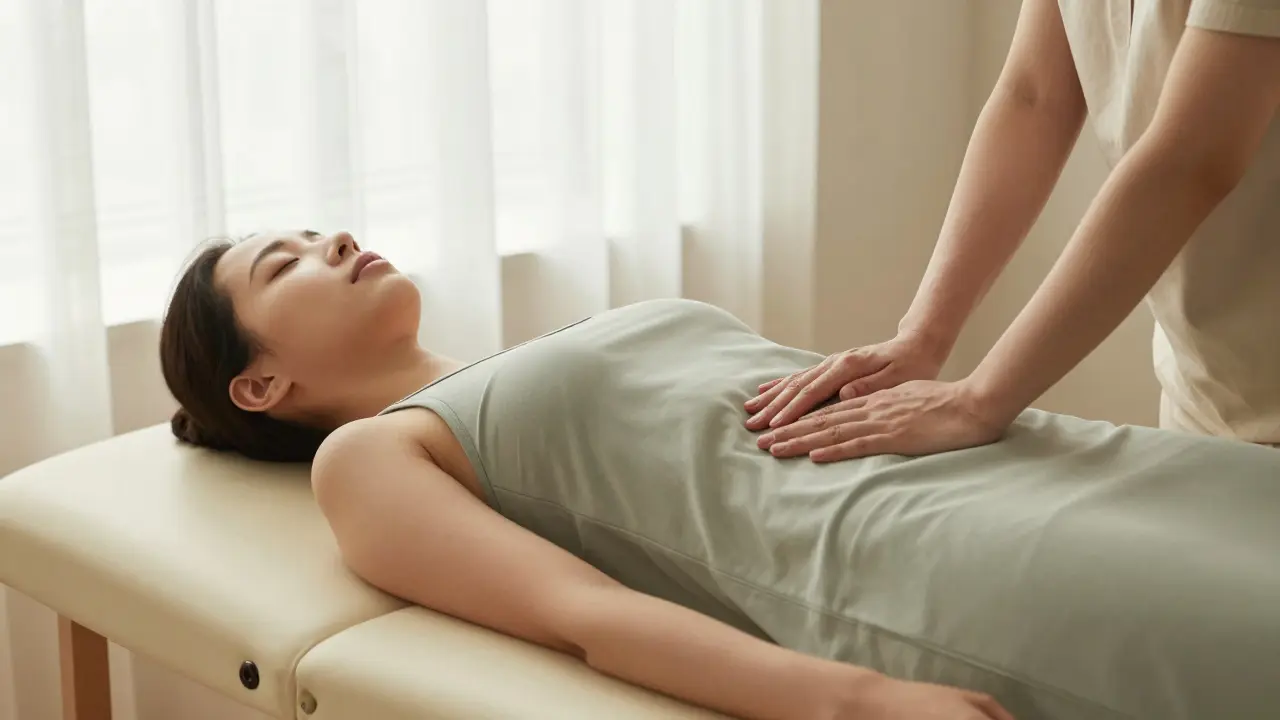
Integrating CST into a Broader Health Plan
CST works best when it's not the only tool in your kit. It's a fantastic "reset" button, but it doesn't replace the need for movement and nutrition. For instance, if you have chronic lower back pain, CST can release the nerve tension, but Physical Therapy is still needed to strengthen the core muscles that keep your spine stable. Combining the two creates a synergy: one removes the "noise" of the pain, and the other builds the strength to prevent it from returning.
Similarly, pairing these sessions with mindfulness or meditation can amplify the effects. Since CST moves the body into a meditative state, continuing that practice at home helps maintain the openness of the membranes. You're essentially teaching your brain that it's safe to relax, which is the most powerful antidote to chronic pain available.
Does craniosacral therapy hurt?
Not at all. Unlike some forms of massage or chiropractic adjustments, there is no forceful manipulation. The pressure used is incredibly light, and the goal is to encourage the body to relax, not to push it. If any part of the process feels uncomfortable, the therapist simply adjusts their hand placement.
How many sessions do I need to feel a difference?
While some people feel immediate relief from stress or a headache after one session, chronic pain usually requires a series. Most practitioners suggest 4 to 6 sessions to evaluate how your body responds. Because it's a gentle process, the changes happen incrementally rather than all at once.
Is it safe for children or infants?
Yes, it is often used for infants, particularly those struggling with colic or birth-related trauma (like molding of the skull during delivery). Because it is so gentle, it's safe for all ages, though it's always important to consult with a pediatrician first.
Can I do craniosacral therapy on myself?
While you can practice basic relaxation and mindfulness, true CST requires a trained practitioner to feel the rhythms of the cerebrospinal fluid. It's very difficult to accurately perceive and guide these subtle movements in your own body without professional training.
What are the contraindications for CST?
CST should be avoided in cases where a change in intracranial pressure would be dangerous. This includes recent brain bleeds, aneurysms, or acute skull fractures. Always inform your therapist of any recent surgeries or neurological conditions before starting.
What to Do Next
If you're tired of the cycle of medication and temporary relief, the next step is simple: find a certified practitioner. Don't just go to anyone who offers "holistic touch." Ask specifically about their training-whether they've studied the Upledger method or another recognized school of CST. Start with a consultation to discuss your specific type of pain.
If you're dealing with severe acute pain, use CST as a complementary therapy alongside your doctor's advice. Once the acute phase is managed, use these sessions to maintain the health of your nervous system. The goal isn't just to remove pain, but to create a body that is resilient enough to handle stress without breaking down.