Unleashing the Power of Aromatherapy for Emotional Well-being
When you walk into a room and instantly feel calmer, or catch a whiff of citrus and suddenly remember a sunny morning from childhood-that’s aromatherapy at work. It’s not magic. It’s science, wrapped in scent. Your nose doesn’t just detect smells; it talks directly to the part of your brain that controls emotions, memory, and stress. That’s why a few drops of lavender oil on your pillow can do more than just make you smell nice-it can help you sleep deeper, quiet your racing thoughts, and reset your nervous system.
How Aromatherapy Actually Works
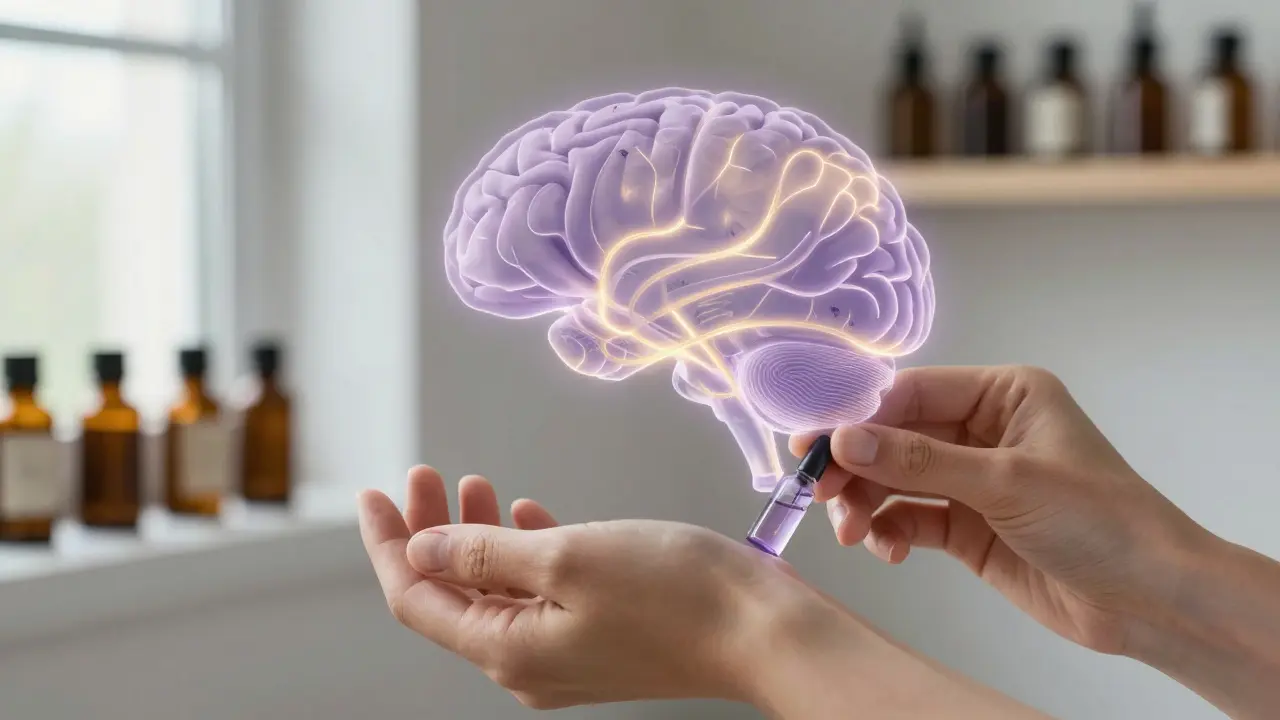
Aromatherapy uses concentrated plant oils-called essential oils-to support emotional health. These oils are extracted from flowers, leaves, bark, or peels using steam or cold pressing. Unlike synthetic fragrances, they contain hundreds of natural compounds that interact with your body’s chemistry. When you inhale them, molecules travel through your nasal passages to the olfactory bulb, which connects straight to the amygdala and hippocampus. These are the brain’s emotional and memory centers.
That’s why peppermint can snap you out of a mental fog, or bergamot can lift a low mood. A 2023 study from the University of Queensland found that participants who used lavender oil daily for four weeks reported a 37% drop in cortisol levels-the body’s main stress hormone-compared to those who used a placebo. No pills. No side effects. Just scent.
Essential Oils That Actually Help With Emotions
Not all essential oils are created equal when it comes to emotional support. Here are five that have real, documented effects:
- Lavender: The most researched oil for anxiety and sleep. It slows heart rate and lowers blood pressure. Try it in a diffuser before bed or diluted on your wrists.
- Bergamot: A citrus oil that’s surprisingly calming, not stimulating. Studies show it reduces feelings of tension and improves mood in people with mild depression. Great for morning use.
- Chamomile: Roman chamomile (not German) has a sweet, apple-like scent that soothes irritability and emotional overwhelm. Perfect after a long day or during panic moments.
- Frankincense: Used for centuries in meditation. It slows breathing and grounds the mind. Ideal for people who feel scattered or disconnected.
- Patchouli: Earthy and deep, it helps with emotional stability. Often overlooked, but powerful for people dealing with grief or emotional numbness.
These aren’t just aromas. They’re biochemical tools. Each one has a unique chemical profile-linalool in lavender, limonene in bergamot, boswellic acid in frankincense-that triggers specific responses in your brain and body.
How to Use Aromatherapy in Daily Life
You don’t need a spa or a candle collection to benefit. Here’s how real people use aromatherapy every day:
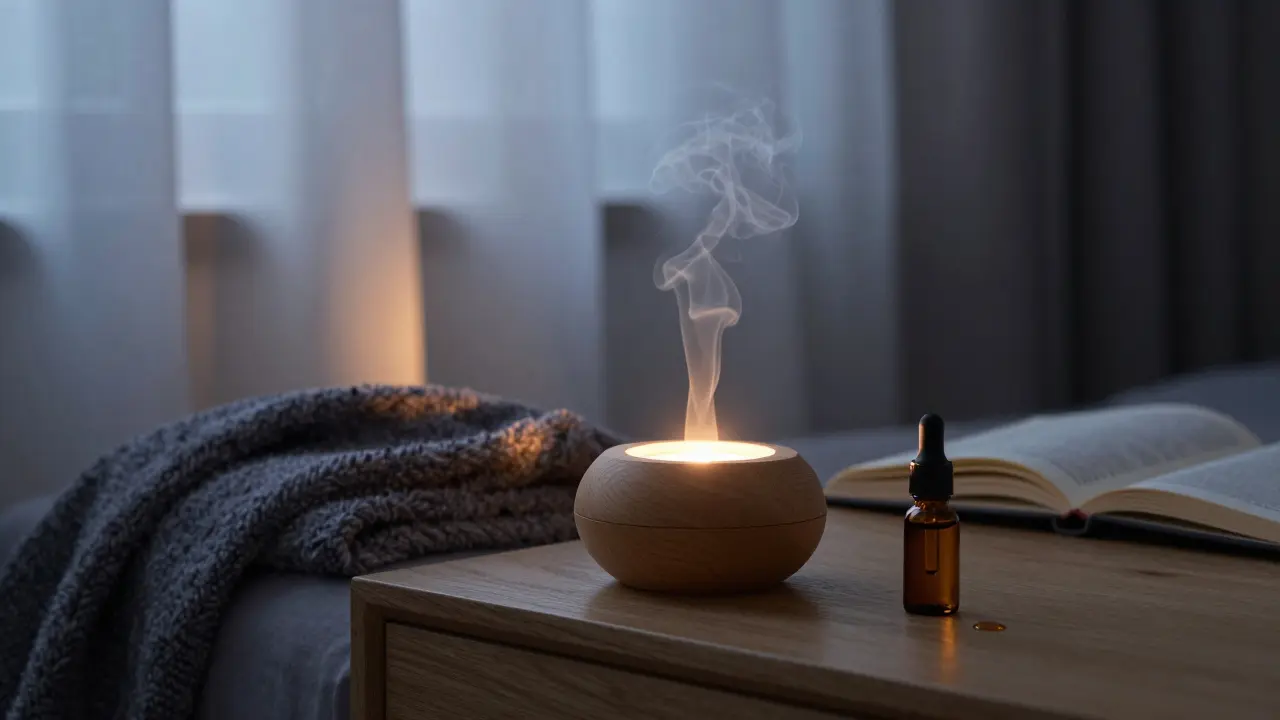
- Diffusing: Add 5-8 drops of oil to a water-based diffuser in your living room or bedroom. Run it for 30 minutes in the morning or before bed. Avoid running it all night-your nose gets used to the scent.
- Personal Inhalers: Buy a small portable inhaler (under $15 online). Fill it with 10 drops of your favorite oil. Keep it in your pocket. Use it when you feel overwhelmed at work or stuck in traffic.
- Topical Use: Always dilute oils with a carrier oil like jojoba or coconut. Mix 2-3 drops of lavender with 1 teaspoon of oil and rub it on your temples or the back of your neck. Never apply undiluted oils to skin.
- Bath Soak: Add 6-8 drops of chamomile or bergamot to a warm bath with a tablespoon of Epsom salt. Soak for 20 minutes. The heat helps the oils absorb through your skin and lungs.
- Linens and Clothes: Spray a mix of 5 drops of frankincense and 1/4 cup of water on your pillowcase or scarf. It’s subtle, long-lasting, and helps create a calming ritual.
Consistency matters more than intensity. Using one oil for 10 minutes a day, five days a week, builds a stronger effect than a one-hour aromatherapy session once a month.

What Doesn’t Work (And Why)
Not every product labeled “aromatherapy” delivers results. Here’s what to avoid:
- Perfumes and air fresheners: These are made with synthetic chemicals that mimic scent but don’t contain therapeutic compounds. They might smell nice, but they won’t calm your nerves.
- Low-quality or diluted oils: If a bottle of lavender oil costs $5, it’s likely cut with carrier oil or alcohol. Real essential oils are expensive because it takes 2,000 pounds of lavender flowers to make one pound of oil.
- Using too much: More isn’t better. Overuse can cause headaches, nausea, or even sensitization-where your body starts reacting negatively to the oil.
- Expecting instant cures: Aromatherapy supports emotional balance. It won’t replace therapy for clinical anxiety or depression. Think of it as a daily emotional tune-up, not a fix.
Always check for purity. Look for labels that say “100% pure essential oil,” list the Latin name (like Lavandula angustifolia), and include the country of origin. Reputable brands like doTERRA, Plant Therapy, and Eden’s Garden are widely trusted in Australia and globally.
Who Should Be Careful
Aromatherapy is safe for most people-but not everyone. If you:
- Are pregnant (especially in the first trimester),
- Have asthma or severe allergies,
- Are using medications like blood thinners or antidepressants,
- Have epilepsy or seizures,
talk to your doctor first. Some oils, like rosemary or eucalyptus, can interfere with medications or trigger reactions. Always patch-test new oils on your inner forearm and wait 24 hours before using more.
Real Stories: How People Use Aromatherapy
In Brisbane, Sarah, a nurse working night shifts, started using bergamot oil in her inhaler before her 11 PM shift. She used to come home wired and unable to sleep. Now, she takes three deep inhales on the drive home. Within two weeks, she fell asleep 40 minutes faster.
Mark, a teacher with chronic anxiety, began diffusing frankincense during his quiet morning coffee. He didn’t notice a change until his wife said, “You haven’t snapped at the kids in weeks.” He hadn’t realized how much tension he was carrying.
These aren’t outliers. They’re everyday people using scent to reclaim calm in a noisy world.
Building Your Own Aromatherapy Routine
Start simple. Pick one oil that matches how you want to feel:
- Need to relax? → Lavender or chamomile
- Feeling low? → Bergamot or orange
- Scattered mind? → Frankincense or vetiver
- Need focus? → Rosemary or lemon (use sparingly)
Buy one small bottle. Use it for 14 days. Write down how you feel each morning and night. Notice patterns. Maybe you feel more patient after using lavender. Or maybe citrus makes you feel energized but jittery. That’s your body talking.
After two weeks, you’ll know what works for you. No need to buy ten oils. One good one, used consistently, changes more than ten random ones.
The Bigger Picture
Aromatherapy isn’t about escaping reality. It’s about reconnecting with it-through your senses. In a world that’s always demanding more-more productivity, more noise, more screens-smell is one of the few things that can gently pull you back into your body.
It’s not a cure-all. But it’s a quiet, powerful tool. One that costs less than a coffee, takes seconds to use, and doesn’t require a prescription. All you need is a drop of oil, a breath, and the willingness to pause.
Try it tomorrow. Light a candle, open a window, or just breathe in deep. Notice what happens.
Can aromatherapy replace therapy or medication for anxiety?
No. Aromatherapy supports emotional well-being but doesn’t treat clinical anxiety, depression, or other mental health conditions. It works best as a complementary tool alongside therapy, medication, or lifestyle changes. If you’re struggling with persistent low mood or panic attacks, talk to a mental health professional.
How long does it take for aromatherapy to work?
You can feel the effects within seconds of inhaling-like a sudden calm or shift in mood. But for lasting emotional benefits, like better sleep or reduced baseline stress, you need consistent use over 2-4 weeks. Think of it like exercise: one run won’t change your fitness, but daily walks will.
Are essential oils safe for kids and pets?
Use extreme caution. Many oils, like tea tree, eucalyptus, and peppermint, are toxic to cats and dogs if inhaled or ingested. For children under 6, avoid strong oils entirely. For older kids, use only mild oils like lavender or chamomile, heavily diluted, and never in diffusers around them for long periods. Always keep oils out of reach.
Can I make my own essential oils at home?
You can’t make true essential oils at home. They require industrial steam distillation or cold pressing equipment to extract the concentrated compounds. What you can make are infused oils-like olive oil with dried lavender-but those don’t have the same potency or emotional effects. Stick to buying from reputable suppliers.
Which essential oils are best for sleep?
Lavender is the most proven. Roman chamomile and vetiver are also strong choices. Try diffusing 5 drops of lavender in your bedroom 30 minutes before bed. You can also add a drop to your pillow or mix with a carrier oil and rub on your feet. Avoid citrus oils at night-they’re energizing.