Laos Massage: A Hidden Treasure in Holistic Health
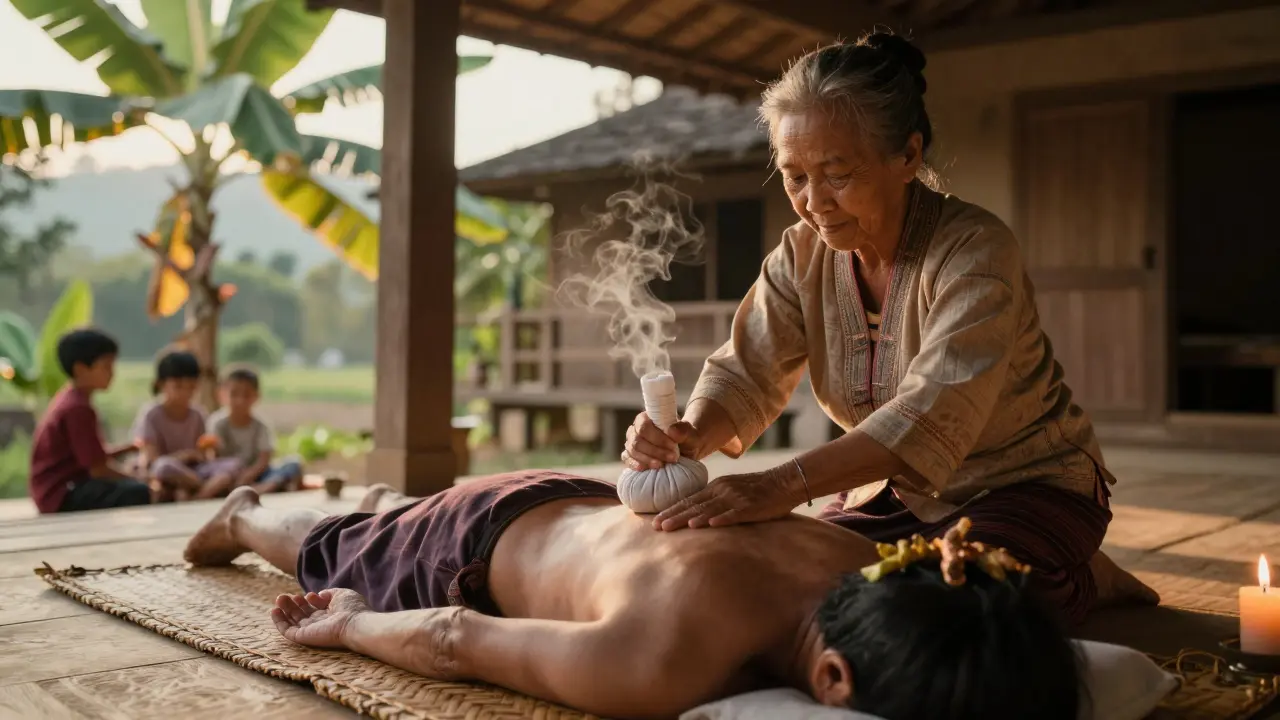
Most people know about Thai massage. You’ve seen the photos: therapists bending over clients on mats, stretching limbs with rhythmic pressure. But few know that just across the border in Laos, a quieter, deeper tradition thrives-one that’s older than modern spas, gentler than deep tissue, and more rooted in spirit than technique. Laos massage isn’t just a treatment. It’s a ritual passed down through generations, shaped by Buddhist monks, forest healers, and village women who learned to ease pain with hands, steam, and herbs long before any clinic opened its doors.
What Makes Laos Massage Different?
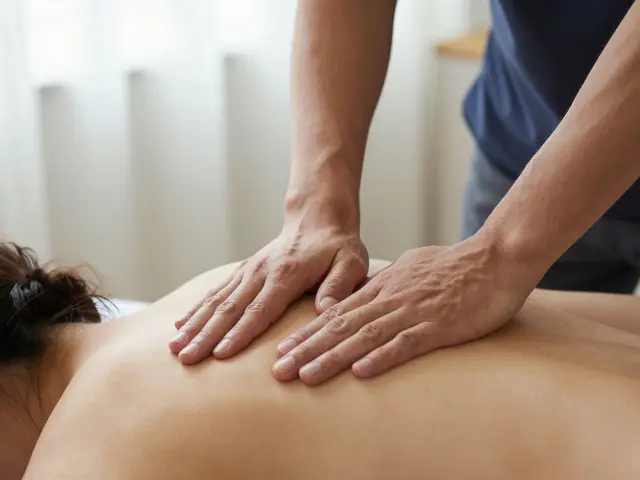
Laos massage doesn’t follow a rigid sequence like Swedish or Thai styles. It flows like water-adapting to the body’s needs in real time. Therapists use their palms, thumbs, elbows, and sometimes even feet to apply slow, rhythmic pressure along energy lines called sen. These aren’t just meridians copied from traditional Chinese medicine. Lao sen lines are unique, often mapped from the crown of the head down to the soles of the feet, with branches running through the arms and spine. There are 10 main sen lines in Lao tradition, each tied to a different organ or emotional state.
Unlike Thai massage, which often includes aggressive stretching, Laos massage prioritizes stillness. The goal isn’t to bend you into a pretzel-it’s to help your body release tension naturally. You’ll feel deep pressure, yes, but it’s never sharp or forced. It’s the kind of pressure that makes you exhale without realizing you were holding your breath.
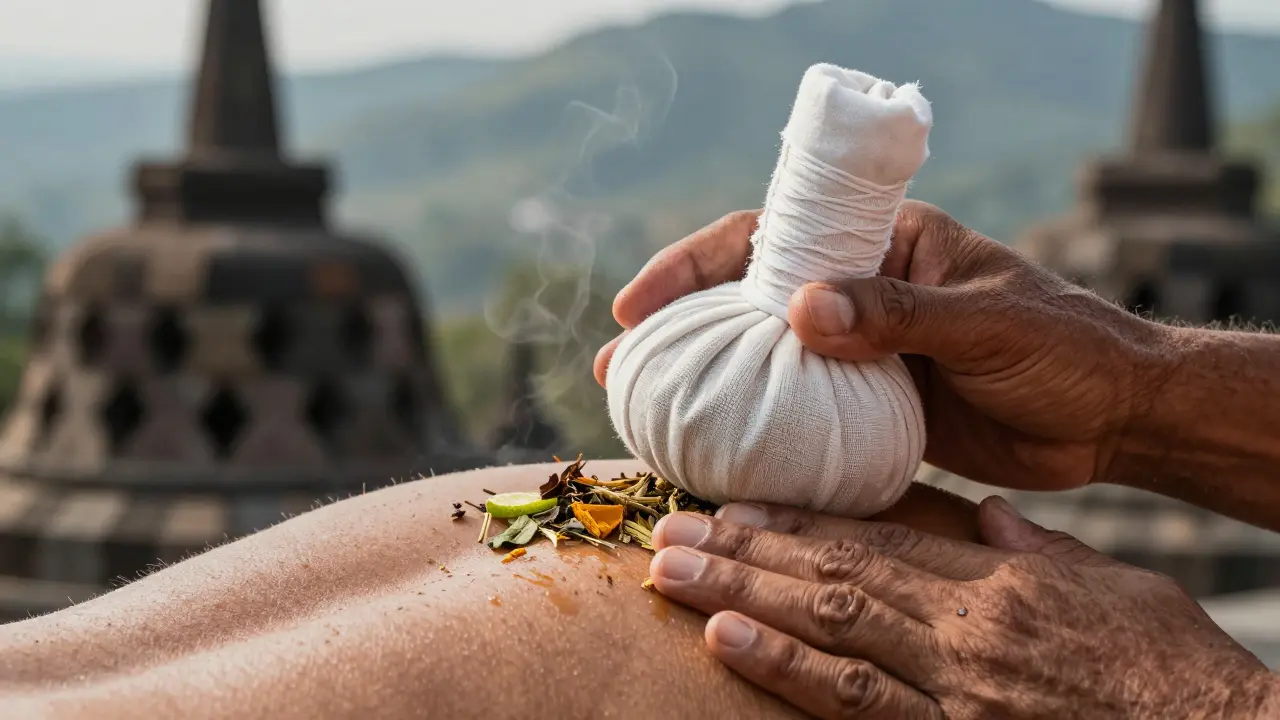
Herbs play a huge role. In rural villages, therapists wrap bundles of lemongrass, turmeric, kaffir lime leaves, and plai (a local ginger relative) in cotton cloth, steam them, and press them against sore muscles. The heat opens pores. The scent calms the nervous system. The oils seep into the skin. This isn’t aromatherapy. It’s herbal medicine delivered through touch.
A Practice Rooted in Spirit, Not Just Skin
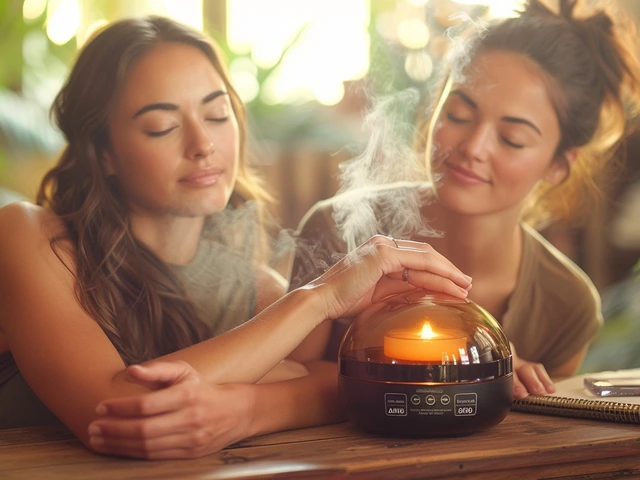
Before a session begins, many Lao therapists light a small candle and whisper a quiet prayer. Not for profit. Not for performance. Just to honor the ancestors who taught them this craft. This isn’t theater. It’s belief. In Laos, healing isn’t something you do to someone-it’s something you do with them.
Monks in northern Laos used to perform massage as part of their daily discipline. They’d walk village to village, offering free sessions to the sick and elderly. No money changed hands. No receipts were issued. The offering was the practice itself. Today, you’ll still find this spirit in places like Luang Prabang, where elders sit under shaded trees, massaging neighbors while children play nearby. It’s community care, not commerce.
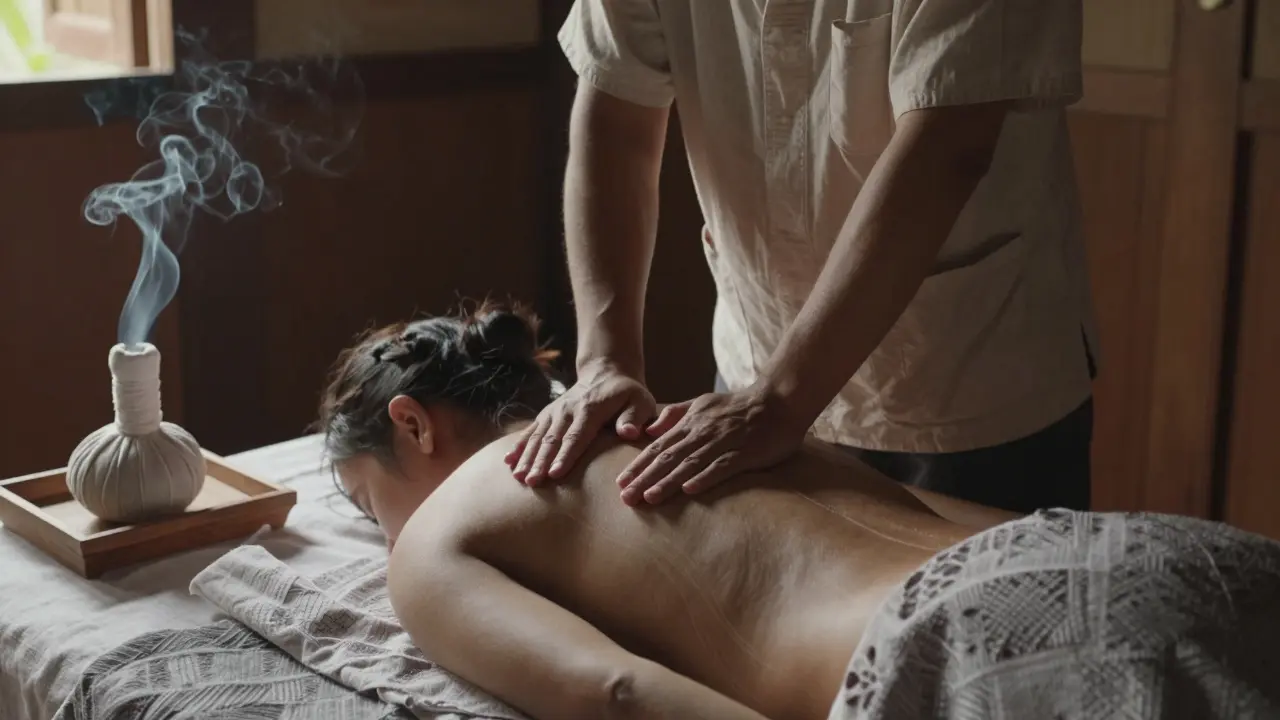
Even in urban spas, the energy is different. No loud music. No scented oils pumped from bottles. Just the sound of breathing, the rustle of cloth, and the occasional clink of a herbal compress being reheated. You don’t leave feeling like you’ve been worked on. You leave feeling like you’ve been listened to.
The Herbal Compress: More Than a Warm Pack
If you’ve never tried a Lao herbal compress, you haven’t truly experienced Laos massage. These aren’t your average hot stones. They’re hand-sewn cotton pouches, filled with dried herbs pounded into a coarse paste. The mix varies by region, but the core ingredients stay the same: turmeric for inflammation, lemongrass for circulation, plai for muscle relief, and tamarind leaves for detox.
The compress is steamed until it’s warm but not scalding-around 45°C, just enough to penetrate without burning. The therapist doesn’t just place it on your back. They roll it slowly along your spine, press it into your shoulders, glide it over your hips. The heat activates the herbs’ essential oils, which absorb through your skin. Studies from the University of Laos in 2023 showed that herbal compress therapy reduced muscle stiffness by 68% in participants after just three sessions, with no side effects.
One woman in Vientiane, a former teacher with chronic lower back pain, told me she’d tried acupuncture, physiotherapy, even surgery. Nothing stuck. Then she found a grandmother in a village outside Pakse who used only herbal compresses. After five visits, she walked without pain for the first time in eight years. She still goes every month. Not because she’s addicted to the treatment. Because she feels like herself again.
How It Compares to Thai and Balinese Massage
People often confuse Laos massage with Thai or Balinese. They’re cousins, not twins.
| Feature | Laos Massage | Thai Massage | Balinese Massage |
|---|---|---|---|
| Pressure Style | Slow, deep, adaptive | Firm, rhythmic, stretching-focused | Light to medium, flowing |
| Use of Herbs | Central-herbal compresses standard | Rare-mostly oil or none | Common-essential oils, not compresses |
| Stretching | Minimal, gentle | Extensive, passive | Occasional, light |
| Energy Lines | 10 unique sen lines | 10 Sen lines (based on Ayurveda) | None-focus on circulation |
| Setting | Village homes, temples, quiet spas | Tourist centers, busy salons | Resorts, luxury spas |
Thai massage is more like a workout. Balinese feels like a vacation. Laos massage feels like coming home.
Who Benefits Most?
Laos massage isn’t for everyone-but it’s perfect for certain people.
- If you’re chronically tense but hate being stretched or cracked, this is your therapy.
- If you’ve tried deep tissue and left bruised, this will soothe you instead.
- If you’re drawn to natural remedies and hate synthetic oils, the herbal compresses will surprise you.
- If you’re stressed, anxious, or recovering from burnout, the quiet, meditative pace helps reset your nervous system.
- If you’ve got arthritis, fibromyalgia, or old sports injuries, the heat and herbs offer real relief without pills.
It’s not a quick fix. You won’t feel 100% better after one session. But after three, you’ll notice your shoulders drop lower when you sit. Your breathing will slow down on its own. You’ll sleep deeper. These aren’t placebo effects. They’re physiological shifts caused by sustained, gentle pressure and plant-based bioactives.
Where to Find Authentic Laos Massage
Outside Laos, it’s hard to find true Lao massage. Most places calling themselves "Lao-style" are just Thai massage with a different name. Here’s how to spot the real thing:
- Look for herbal compresses on the table-real ones, not just warm towels.
- Ask if the therapist learned from a family member or village elder. Most authentic practitioners can name their teacher.
- Check the setting. If it’s a flashy spa with EDM music, walk away.
- Expect silence. No talking unless you start it. The therapist should be fully present, not distracted.
In Australia, a few clinics in Melbourne and Sydney offer genuine Lao techniques. One in Perth, run by a woman who trained under a monk in Luang Prabang, uses herbs imported directly from the Mekong region. Sessions cost around $90 AUD-more than a Thai massage, but less than a luxury spa. And the difference? You won’t just feel relaxed. You’ll feel restored.
Why This Matters Now
In a world where we’re bombarded with fast fixes-pills, apps, quick stretches-Laos massage reminds us that healing takes time. It doesn’t promise miracles. It offers presence. It doesn’t sell results. It shares care.
Modern science is finally catching up. Studies on phytochemicals in turmeric and plai show anti-inflammatory effects matching NSAIDs. The slow, rhythmic pressure activates the parasympathetic nervous system, lowering cortisol and heart rate. But none of this explains why, after a session, you feel like you’ve been hugged by your grandmother.
That’s the magic. It’s not in the herbs. Not in the pressure. It’s in the intention. In a culture where healing is still a sacred act, not a service, the hands that work on you carry something no algorithm can replicate.
Is Laos massage painful?
No, it’s not meant to be painful. The pressure is deep but slow, allowing your muscles to release naturally. If you feel sharp pain, speak up. A good therapist will adjust immediately. It’s more about sustained comfort than intensity.
How often should I get a Laos massage?
For chronic tension or pain, once a week for 3-4 weeks helps reset your body. After that, monthly sessions are ideal for maintenance. If you’re using it for stress relief, every two weeks works well. Listen to your body-it’ll tell you when it’s time.
Can I do Laos massage at home?
You can mimic some techniques, like slow palm pressure along the spine, but the herbal compress is the key. Without the right herbs and proper steaming, you’re missing half the benefit. You can buy pre-made compresses online from trusted Lao suppliers, but always check the ingredient list. Avoid anything with synthetic fragrances.
Is Laos massage safe during pregnancy?
Yes, with precautions. Avoid deep pressure on the abdomen and lower back. Herbal compresses are safe if they don’t contain strong stimulants like plai in high doses. Always tell your therapist you’re pregnant. Many Lao therapists have trained specifically for prenatal care.
Does Laos massage help with anxiety?
Absolutely. The combination of slow touch, herbal aromas, and quiet environment activates the vagus nerve, which calms the fight-or-flight response. Many clients report feeling calmer for days after a session. It’s not a replacement for therapy, but it’s a powerful support tool.
What Comes Next?
If you’ve tried everything else and still feel stuck-tense, tired, out of sync-Laos massage might be the quiet answer you didn’t know you were looking for. It doesn’t shout. It doesn’t sell. It simply holds space. And sometimes, that’s all healing needs.