
Thai Bodywork: The New Era of Body Healing
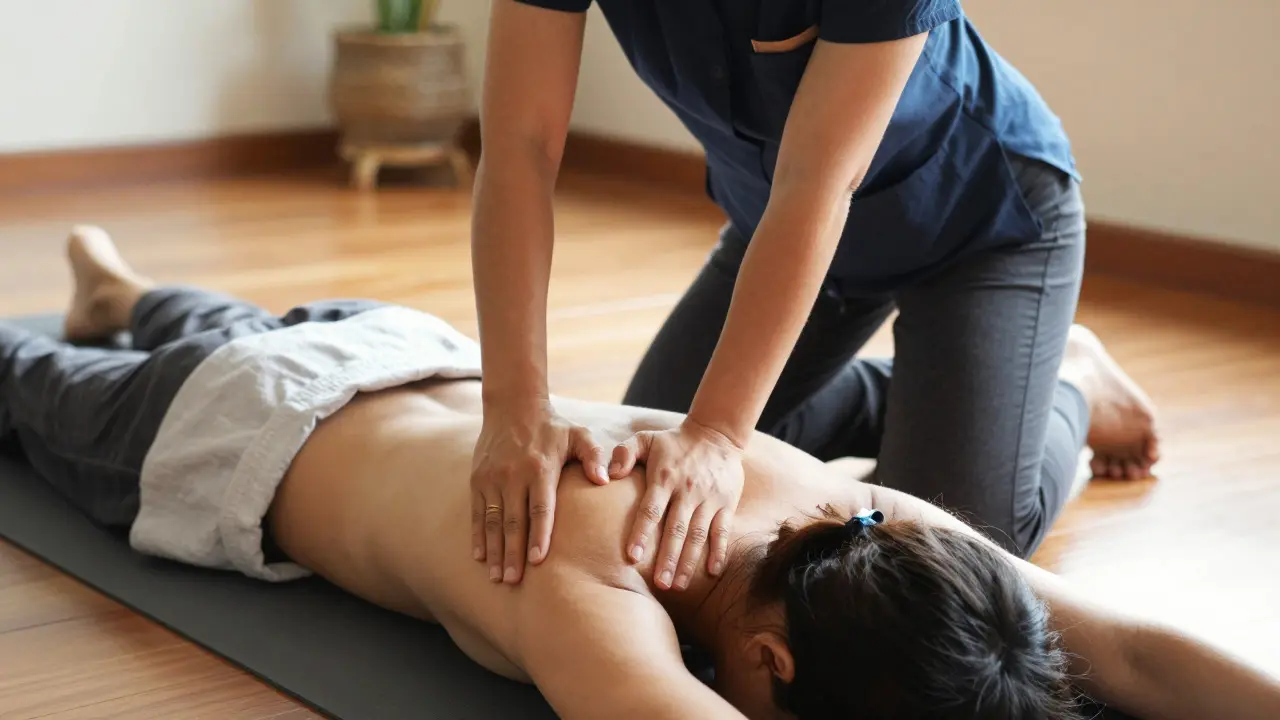
Have you ever left a massage feeling relaxed but still carrying that deep, stubborn knot in your lower back? You’re not alone. For decades, Western massage focused on soft tissue manipulation-kneading muscles to relieve tension. But what if the problem wasn’t just in the muscle fibers, but in the energy pathways running through them? This is where Thai bodywork steps in, marking a distinct shift from passive relaxation to active, structural realignment.
We are witnessing a new era in body healing. It’s no longer enough to simply "get a massage." Clients now seek modalities that address posture, mobility, and chronic pain with precision. Thai bodywork, rooted in ancient traditions yet refined by modern anatomical understanding, is leading this charge. It combines acupressure, Indian Ayurvedic principles, and assisted yoga postures to create a comprehensive healing experience.
The Anatomy of Thai Bodywork
To understand why Thai bodywork feels different, you have to look at its foundation. Unlike Swedish massage, which uses oil and gliding strokes, Thai bodywork is performed on a mat on the floor. The practitioner wears comfortable clothing, as does the client. There is no oil. Instead, the therapist uses their hands, thumbs, elbows, knees, and feet to apply rhythmic compressions along specific energy lines.
Sen lines are invisible energy channels that run throughout the body, similar to meridians in Traditional Chinese Medicine. According to traditional texts, there are ten primary Sen lines. When these lines are blocked or tense, energy (or Lom) cannot flow freely, resulting in pain, stiffness, or fatigue. The goal of Thai bodywork is to clear these blockages.
This isn’t just spiritual theory; it has physical correlates. The Sen lines often align with fascial planes and nerve pathways. By applying pressure along these lines, therapists can release tension in the fascia-the connective tissue that wraps around every muscle and organ. This explains why a stretch applied to your leg might suddenly relieve tension in your neck. They are connected via the same fascial network.
Active Participation vs. Passive Relaxation
One of the most striking differences in this new era of healing is the role of the client. In a typical spa massage, you lie still while the therapist works on you. In Thai bodywork, you are an active participant. The therapist will guide you through a series of stretches, much like a private yoga session.
Imagine the therapist standing at your feet, gently pulling your legs up toward your chest while you breathe deeply into the stretch. Or perhaps they are using their knee to press into your gluteal muscles while simultaneously pulling your leg across your body to open the hip joint. These movements require your cooperation. You must breathe into the tension rather than holding your breath against it.
This active engagement triggers a neurological response known as proprioceptive feedback. Your brain receives signals about where your body is in space, helping to recalibrate muscle length and joint positioning. This is why many clients report improved range of motion immediately after a session. It’s not just relaxation; it’s re-education of the musculoskeletal system.
Modern Adaptations: Integrating Science and Tradition
The "new era" mentioned in our title refers to how practitioners are blending ancient techniques with modern anatomy. Gone are the days when Thai massage was viewed solely as a mystical practice. Today’s certified Thai bodyworkers study kinesiology, biomechanics, and pathology.
For instance, a therapist might recognize that a client’s chronic lower back pain stems from tight hip flexors due to prolonged sitting. Instead of just massaging the lower back, they will focus on stretching the psoas muscle and strengthening the core through specific postures. This targeted approach makes Thai bodywork highly effective for office workers, athletes, and anyone suffering from repetitive strain injuries.
Furthermore, the intensity of the treatment is now customizable. While traditional Thai massage can be quite vigorous, modern studios offer variations ranging from gentle, restorative sessions to intense sports-focused treatments. This flexibility has broadened its appeal beyond those seeking spiritual balance to include individuals looking for practical pain relief.
Benefits Beyond Muscle Relief
While physical benefits are obvious, the systemic effects of Thai bodywork are profound. Here are some key advantages backed by both anecdotal evidence and emerging research:
- Improved Circulation: The rhythmic compression acts as a pump, encouraging blood flow and lymphatic drainage. This helps remove metabolic waste products from tissues, reducing inflammation.
- Enhanced Flexibility: Regular sessions can significantly increase joint mobility, particularly in the hips, shoulders, and spine.
- Stress Reduction: The combination of touch, breathing exercises, and mindful movement activates the parasympathetic nervous system, lowering cortisol levels.
- Better Posture: By releasing tight muscles and strengthening weak ones, Thai bodywork helps restore natural alignment, reducing the risk of future injury.
Consider Sarah, a software developer who spent eight hours a day hunched over a keyboard. She came to Thai bodywork complaining of neck pain and headaches. After six weekly sessions focusing on her upper trapezius and chest openers, she reported not only pain relief but also better sleep and increased energy levels. Her case illustrates the holistic nature of this therapy-it doesn’t just treat symptoms; it addresses root causes.
| Feature | Thai Bodywork | Swedish Massage |
|---|---|---|
| Surface | Floor mat | Massage table |
| Clothing | Loose, comfortable clothes | Nude (draped with sheets) |
| Technique | Compression, stretching, acupressure | Effleurage, petrissage, tapotement |
| Client Role | Active participation | Passive relaxation |
| Primary Goal | Energetic flow, mobility, alignment | Relaxation, stress relief |
What to Expect During Your First Session
If you’re considering trying Thai bodywork, preparation is key. Wear loose, breathable clothing that allows for full range of motion. Avoid eating a heavy meal right before your appointment, as some positions may put pressure on your abdomen.
Upon arrival, communicate openly with your therapist. Tell them about any injuries, surgeries, or areas of particular concern. A good therapist will adjust their technique accordingly. For example, if you have a sensitive knee, they might use a bolster for support instead of applying direct pressure.
The session typically lasts 60 to 90 minutes. It begins with gentle compressions along the arms and legs to warm up the body. Then, the therapist moves to larger groups, incorporating deeper stretches and more intense pressure points. The pace is slow and meditative, allowing you to stay present in your body. At the end, you’ll usually sit quietly for a few minutes to integrate the experience.
It’s normal to feel soreness afterward, similar to post-workout muscle fatigue. Drink plenty of water to help flush out toxins released during the session. Most people find that the soreness subsides within 24 hours, leaving them feeling lighter and more energized.
Finding a Qualified Practitioner
As demand grows, so does the number of practitioners claiming expertise in Thai bodywork. However, quality varies widely. Look for someone who has completed a comprehensive training program, ideally recognized by organizations like the Federation of Holistic Therapists (FHT) or the American Massage Therapy Association (AMTA).
Ask questions during your consultation. Do they understand anatomy? Can they explain how they tailor treatments to individual needs? A skilled therapist will view each client as unique, adapting their approach based on your current state rather than following a rigid script.
Additionally, check reviews and testimonials. Pay attention to comments about professionalism, communication, and results. Word-of-mouth referrals from friends or healthcare providers can also be valuable sources of information.
The Future of Body Healing
Thai bodywork represents more than just a trend; it reflects a broader shift towards integrative health. People are moving away from fragmented treatments that address isolated symptoms and toward holistic approaches that consider the whole person. This includes physical, emotional, and energetic well-being.
In the coming years, we can expect to see even greater integration between traditional practices like Thai bodywork and modern medical science. Research into the effects of fascial manipulation and mindfulness-based interventions will likely provide further validation for these ancient techniques. As awareness grows, Thai bodywork will continue to evolve, offering new possibilities for healing and prevention.
Whether you’re dealing with chronic pain, stress, or simply want to improve your overall well-being, Thai bodywork offers a powerful tool. It invites you to reconnect with your body, listen to its signals, and take an active role in your own healing journey. In this new era of body healing, the choice is yours: remain passive, or engage fully in the process of transformation.
Is Thai bodywork painful?
Thai bodywork can be intense, but it shouldn't be painful. The level of pressure is adjustable, and a good therapist will check in with you regularly. You may feel discomfort during deep stretches, but it should feel like a "good hurt" similar to exercise, not sharp or stabbing pain. Communication is key-if something hurts, speak up.
How often should I get Thai bodywork?
Frequency depends on your goals. For acute pain or injury recovery, weekly sessions for 4-6 weeks may be beneficial. For maintenance and general well-being, once a month is often sufficient. Athletes or those with physically demanding jobs might benefit from bi-weekly sessions.
Can Thai bodywork help with anxiety?
Yes. The combination of rhythmic pressure, guided breathing, and mindful movement activates the parasympathetic nervous system, which helps reduce stress and anxiety. Many clients report feeling calmer and more centered after a session. It can be a valuable complement to other mental health therapies.
Do I need to undress for Thai bodywork?
No. You remain fully clothed in loose, comfortable attire. This distinguishes it from oil-based massages like Swedish or Deep Tissue, where draping is used. Wearing appropriate clothing ensures freedom of movement during stretches and maintains modesty throughout the session.
Are there any contraindications for Thai bodywork?
Yes. Thai bodywork may not be suitable for people with recent fractures, severe osteoporosis, acute inflammation, or certain cardiovascular conditions. Pregnant women should consult their doctor before undergoing treatment, though modified prenatal Thai massage is available. Always disclose your medical history to your therapist.