Unlocking Your Potential at Esalen: A Life-Changing Journey Guide
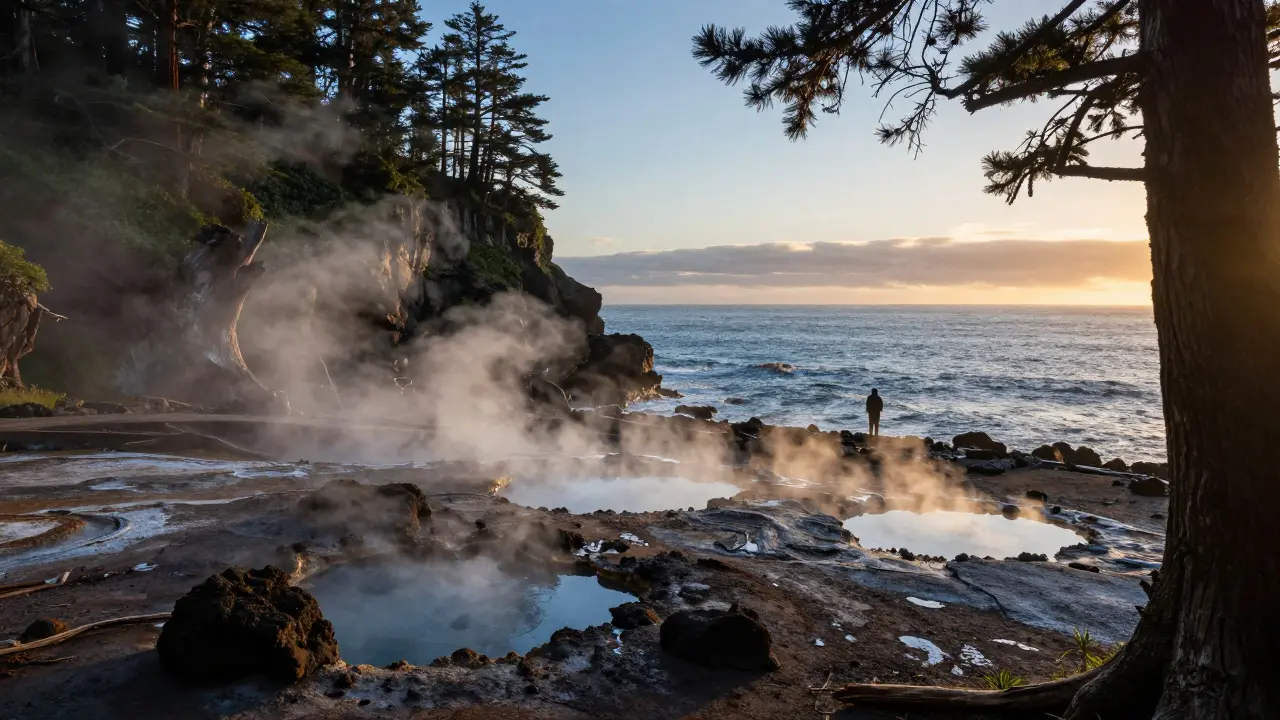
Picture yourself standing on a cliff overlooking the Pacific Ocean. Below, the waves crash against rocks carved over millions of years. Above, redwood trees frame the sky. You've just turned off your phone. There are no emails, no notifications, just the sound of the wind and the heat of water running from the earth beneath you. This isn't a fantasy; this is the opening scene of a visit to the Esalen Institute, a historic sanctuary for personal growth located in Big Sur, California. Many people arrive here seeking answers, but they leave with questions that reshape their entire worldview.
The Birthplace of the Human Potential Movement
To understand what happens on campus, you have to know where it came from. In the late 1960s, Esalen became the epicenter for a cultural shift known as the Human Potential Movement. Before the digital age, before screens dominated our lives, thinkers like Abraham Maslow and Carl Rogers were walking those paths. They wanted to move beyond fixing mental illness and focus instead on maximizing what makes life meaningful.
This legacy isn't just history; it informs every workshop today. When you sign up for a program, you aren't just getting a class; you are stepping into a living lineage of psychological exploration. The concept is simple yet radical: humans are born with vast capacities, and society often suppresses them. Esalen aims to unlock that suppressed capacity through experiential learning rather than traditional lectures.
The Role of Touch and Bodywork
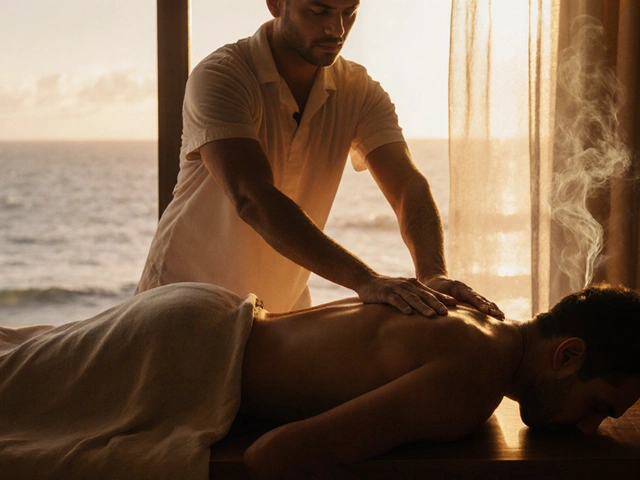
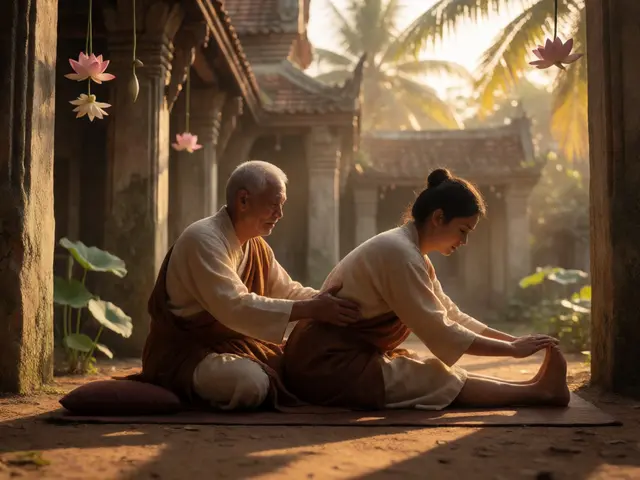
One of the most unique aspects of this institution is its emphasis on physical touch. In modern culture, touch is often commodified or restricted. Here, it is considered a primary tool for connection and healing. The Esalen School of Conscious Living is famous for pioneering the integration of full-body massage into its educational curriculum.
- Therapeutic Touch: Massages are not luxury add-ons; they are part of the curriculum. Trained therapists use techniques to release emotional tension held in muscles.
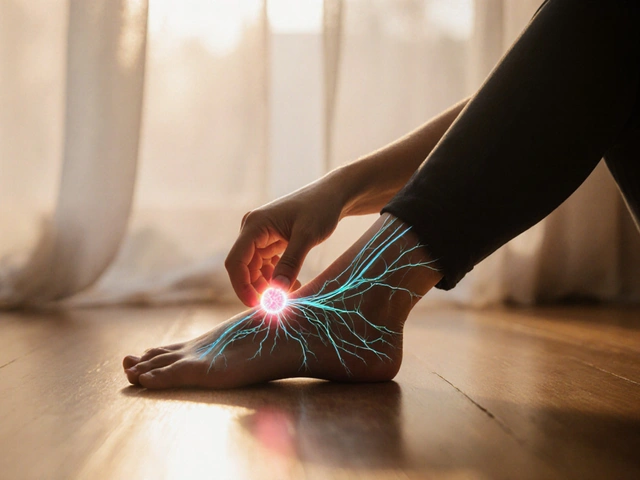
- Somatic Awareness: Participants learn to recognize how emotions manifest physically.
- Community Healing: Some programs involve non-therapeutic social touch exercises to rebuild trust and reduce isolation.
If you come stiff with anxiety, you will likely feel different after a few sessions. The goal isn't a spa day relaxation; it's using the body as a map to find deeper emotional truths. You learn that your nervous system holds patterns that your mind cannot simply think away.
Nature as a Teaching Tool
You cannot separate the teachings from the landscape. Big Sur provides a backdrop that demands attention. The Natural Environment acts as an active participant in the retreat experience, influencing mood and reflection.
Different elements trigger different states of mind. The geothermal hot springs offer warmth when the ocean breeze gets cold. These pools are heated by rainwater that filters through volcanic rock, emerging naturally hot. People sit there for hours, sometimes in silence, watching steam rise into the fog. This environment forces a slowdown. When you walk a mile to get to the dining hall, surrounded by cypress and ferns, the constant rushing stops. Nature doesn't care about your deadlines. Being present in that space reminds your brain that time is expansive, not scarce.
Workshop Structures and Deep Dive Learning
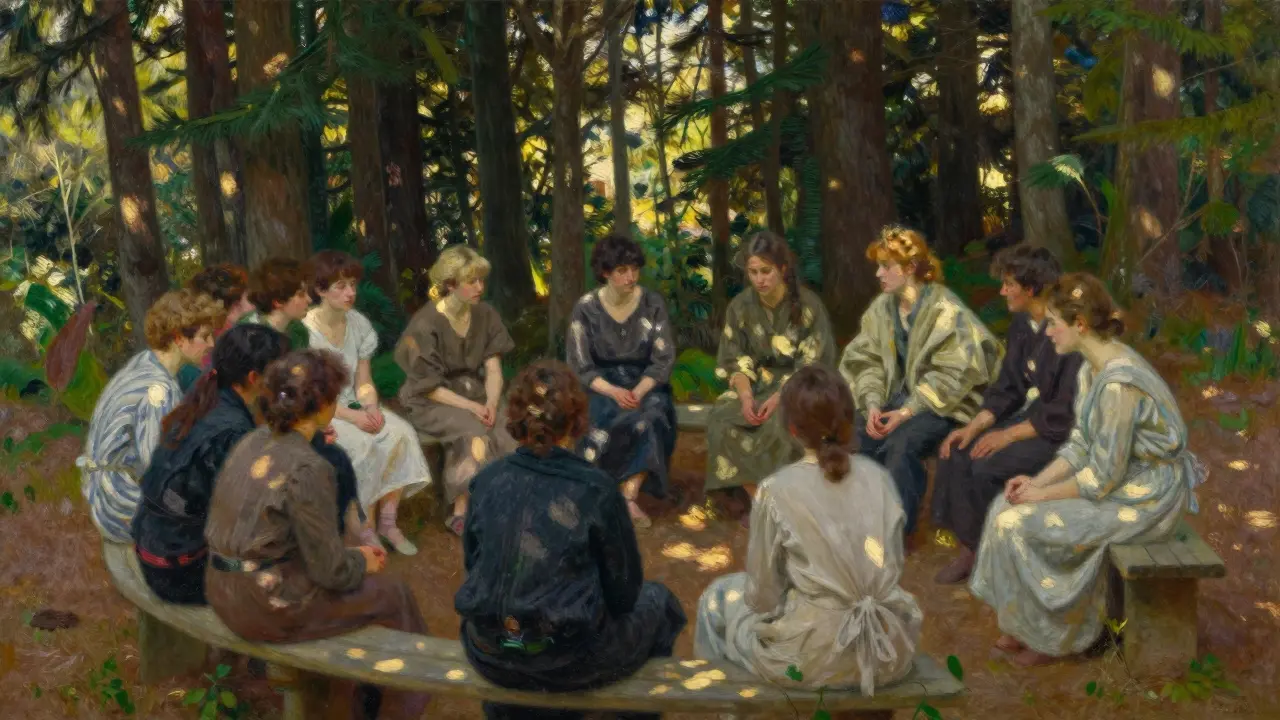
Unlike a standard conference where you swap business cards, workshops here require vulnerability. The format varies widely, but most rely on the "here and now." You might work in dyads (pairs), small groups, or large circles. Facilitators encourage participants to drop their social masks.
| Type | Focus Area | Key Activity |
|---|---|---|
| Mindfulness | Present Moment Awareness | Meditation and Breathwork |
| Psychotherapy | Emotional Patterns | Gestalt Experiments |
| Creative Arts | Self Expression | Writing, Painting, Movement |
| Relationship Dynamics | Connection Skills | Couples Coaching |
The learning curve can be steep. Sometimes you spend days processing the same emotion that you would have avoided in normal life. However, that avoidance is often where the growth happens. By staying with the discomfort, supported by teachers and peers, you discover your resilience.
Logistics and Accessibility
Planning a visit requires some strategy. The campus is remote, which is intentional, but it means you need to prepare for limited connectivity. You generally won't find Wi-Fi access on the grounds. Dining is communal, vegetarian, and organic, reflecting the holistic ethos of the community.
Financial aid is available. Historically, the institute strives to keep spaces open for a diverse range of people, including students and those without significant means. Scholarships cover partial costs for many. Accommodation ranges from standard cabins to shared rooms. It is rustic luxury-wood floors, stone walls, clean water-but the focus remains on simplicity rather than opulence.
Long-Term Impact After Return
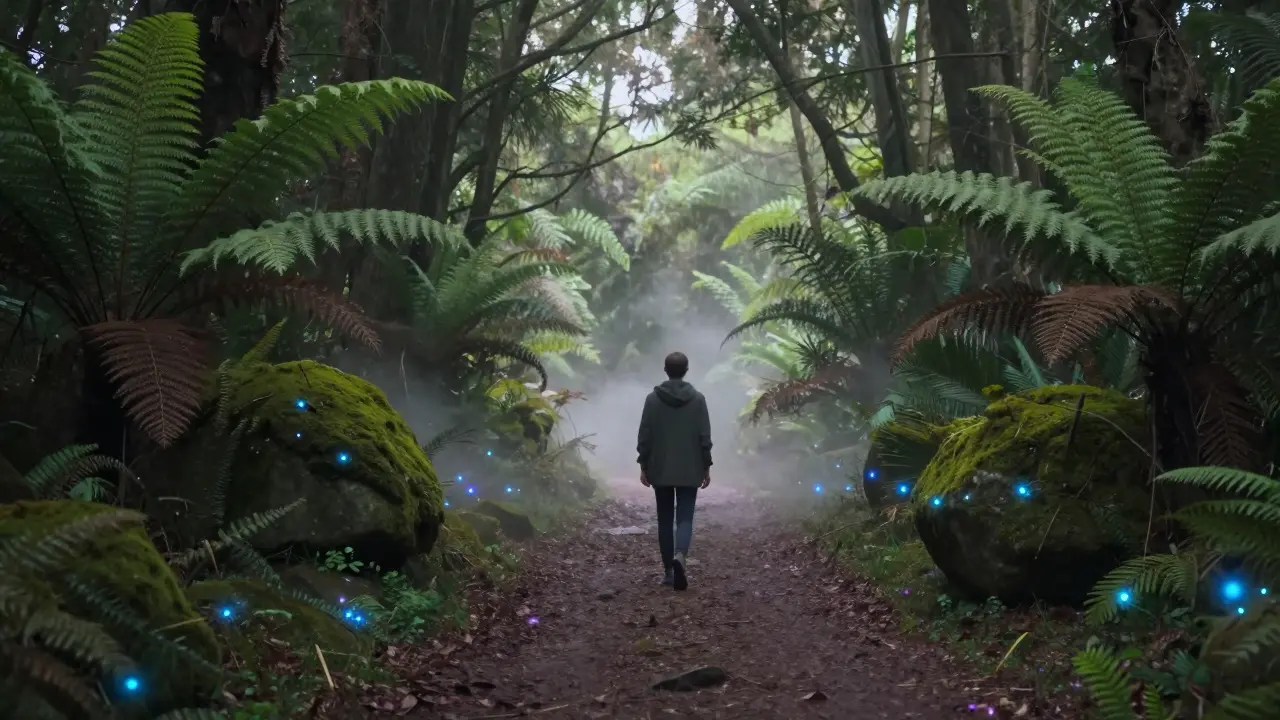
The question everyone asks is: does it last once you go back to the city? For many alumni, the shift is subtle but profound. It changes how you handle conflict. Instead of reacting immediately, you pause. You notice your breathing. You realize that your reaction is a choice, not a reflex.
Some people return multiple times, viewing the campus as a spiritual home base. Others attend once and carry the tools forward. Whether it is daily meditation, regular bodywork, or simply a greater willingness to listen, the effects often ripple out into relationships and career choices.
Frequently Asked Questions
Where exactly is Esalen located?
It is situated in Big Sur, along the Pacific Coast Highway in California, USA. The address is on the coast near the entrance to Pfeiffer Big State Park.
Do I need experience with therapy or meditation?
No prior experience is required. Most workshops are designed for beginners as well as advanced practitioners. You will be guided step-by-step through exercises.
Are scholarships available for visiting?
Yes, financial assistance is offered to individuals whose income limits their ability to pay. You typically apply for these funds during the booking process for specific programs.
Can I bring my own medication or food?
You can bring necessary prescription medications. For food, while you can request dietary adjustments for allergies, bringing outside food into the campus mess hall is generally restricted due to kitchen safety protocols.
What should I pack for the trip?
Bring comfortable clothing for layering. Temperatures vary widely between morning coastal fog and afternoon sun. Pack warm robes for the outdoor pools and sturdy shoes for walking trails.