Shiatsu Massage Guide: Benefits, Techniques & How to Book
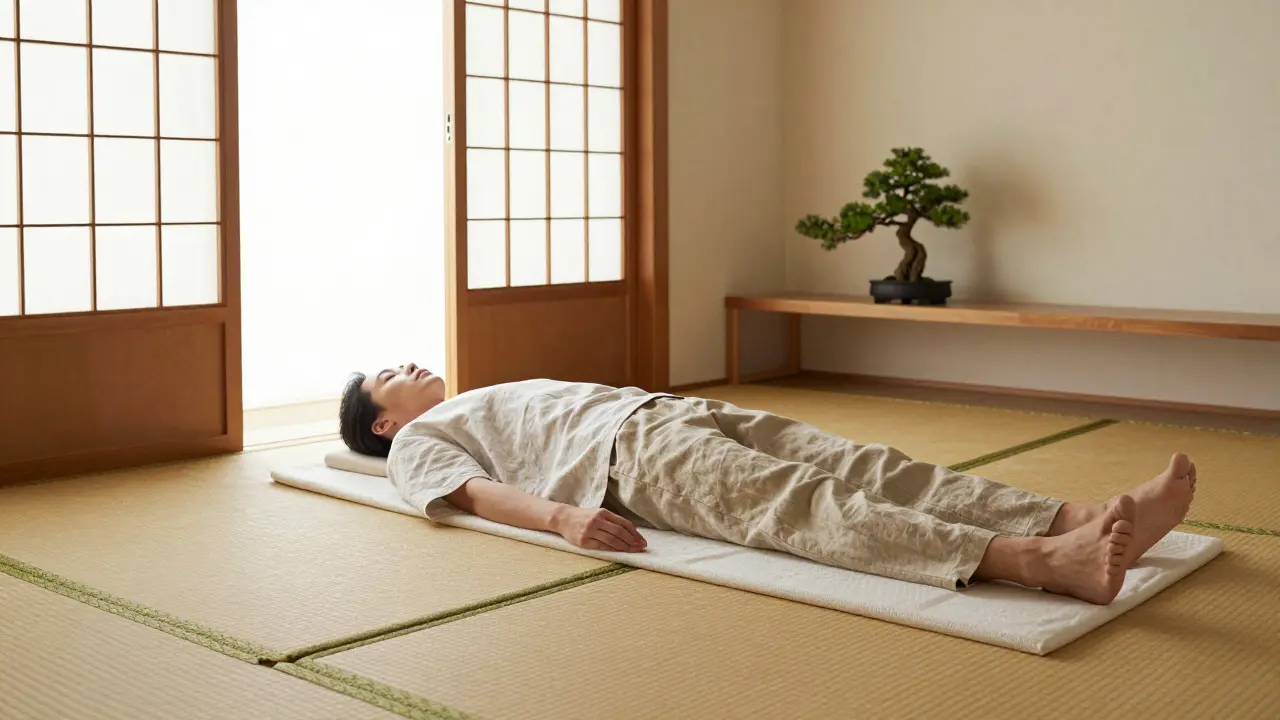
Imagine walking into a room where the only tools are your hands and a thick mat on the floor. No oils, no machines, just precise pressure applied to specific spots on your body. This is Shiatsu is a Japanese form of bodywork that uses finger and thumb pressure on specific points along the body's meridians to restore balance and promote healing. It has been practiced for over 200 years, evolving from traditional Chinese medicine principles but adapting them to fit modern Japanese culture.
If you have ever felt stuck in a cycle of tension headaches, poor sleep, or chronic back pain, you might be looking for something different than a standard deep tissue massage. Shiatsu offers a distinct approach because it works with the flow of energy rather than just relaxing muscles. The word itself breaks down into 'finger' (shi) and 'pressure' (atsu), which tells you exactly what to expect: targeted, rhythmic pressure without sliding strokes.
The Core Philosophy: Meridians and Ki
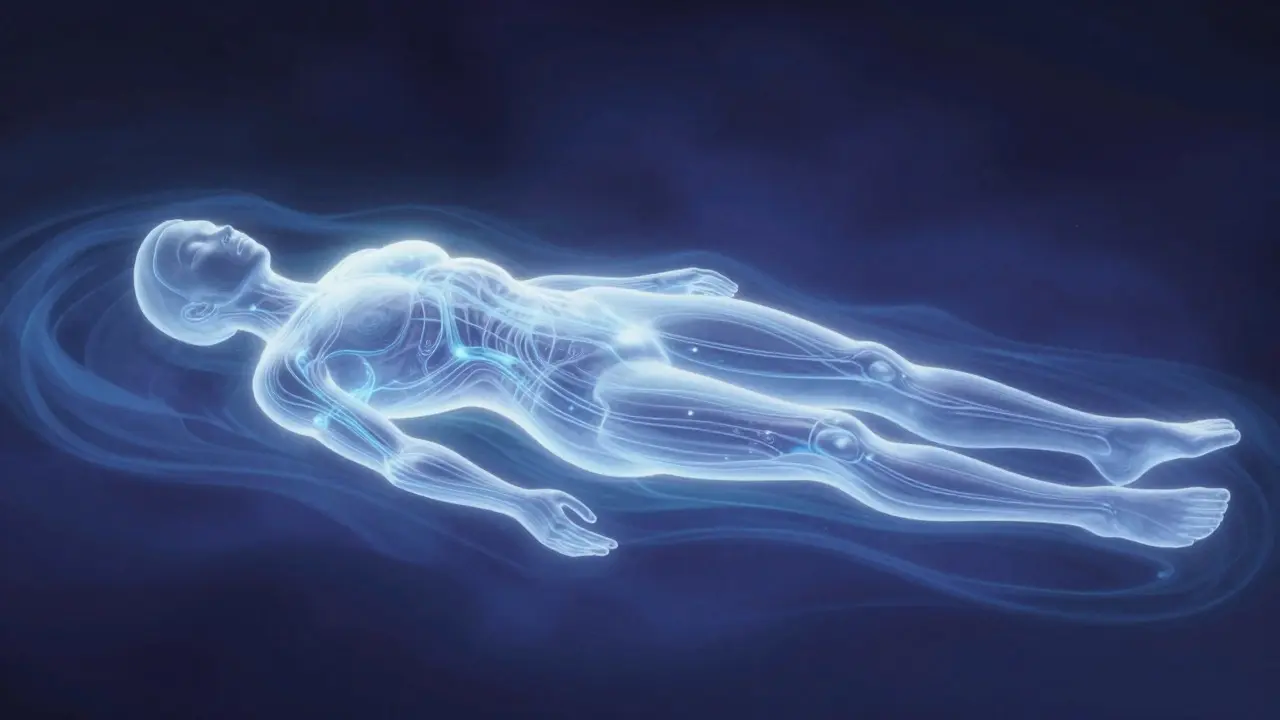
To understand why shiatsu works, you have to look at the map it uses. Practitioners believe the body contains pathways called meridians are invisible channels through which vital energy, known as ki or chi, flows throughout the body. When this energy gets blocked or stagnates, symptoms like pain, fatigue, or digestive issues appear. Think of it like a garden hose; if you kink the hose, water stops flowing freely. Shiatsu aims to unkink those hoses by applying pressure to specific nodes along the path.
This differs significantly from Western medical models that focus primarily on anatomy and physiology. While both agree that blood flow and nerve stimulation matter, shiatsu adds a layer of energetic balance. A certified shiatsu practitioner will spend time feeling the texture of your tissues, not just pressing hard. They are listening to the body’s response to determine where the blockages are strongest.
What Actually Happens During a Session?
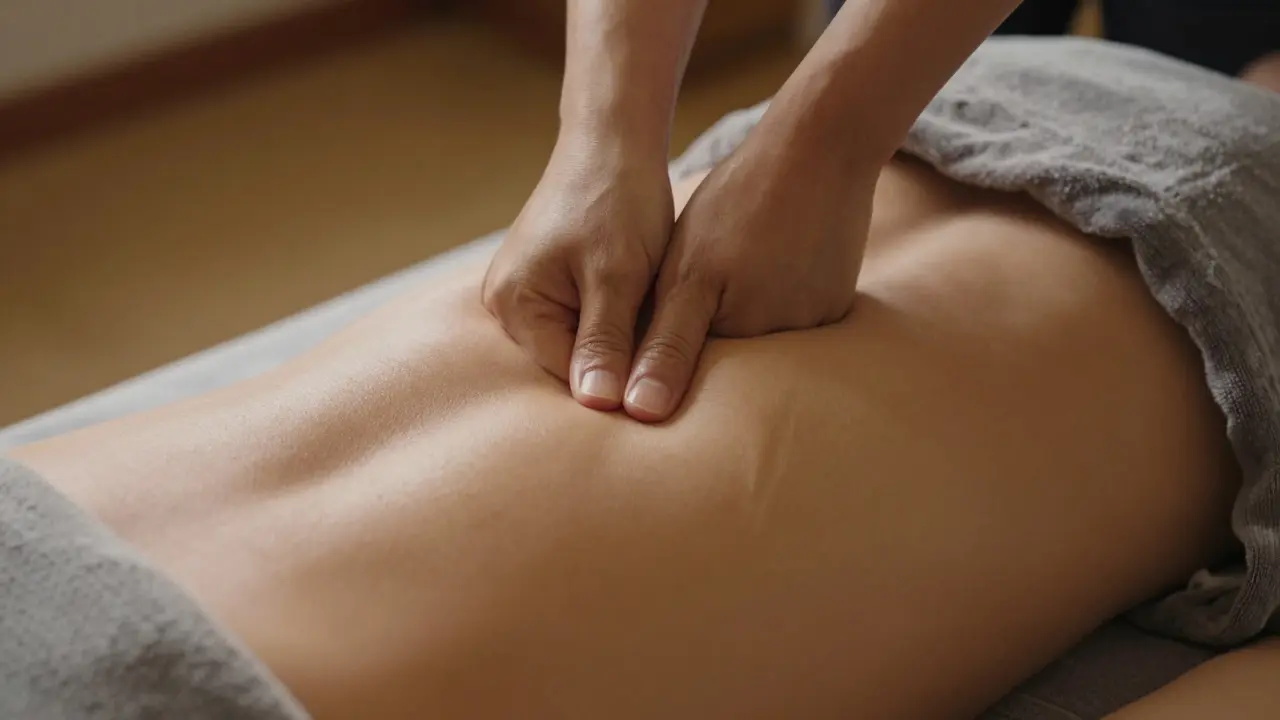
You might worry about getting an oil-slicked, slippery experience. Not here. In shiatsu, you remain fully clothed. The session takes place on a futon-style mat on the floor. This setup allows the therapist to use their elbows, knees, and feet, not just their thumbs. Here is the typical flow of a 60-minute appointment:
- Assessment: The therapist asks about your health history and current concerns. They may check your pulse or observe your posture.
- Upper Body Work: Starting with the head, neck, and shoulders, they apply kneading and pressure to release tension. You will feel deep warmth spreading through these areas.
- Back and Legs: The therapist moves to your spine and legs, using their palms and elbows to work along the major meridian lines. This part often feels intense but comfortable.
- Cool Down: Gentle rocking and stretching help integrate the treatment and calm the nervous system.
The rhythm is slow and deliberate. If you are new to this, the first ten minutes can feel strange because you are lying on the floor. However, most people report sinking into a state of deep relaxation within twenty minutes. The lack of oil means the friction helps stimulate the skin and underlying fascia, creating a different sensory experience than Swedish or sports massage.
Key Health Benefits Backed by Experience
Why do people keep coming back? The benefits go beyond simple relaxation. Many practitioners and clients report significant improvements in specific areas after regular sessions. Here is what you can realistically expect:
- Pain Reduction: Chronic lower back pain and neck stiffness often improve because the pressure releases trigger points in the muscles and fascia. Studies suggest that manual therapy increases local blood flow, which speeds up recovery.
- Stress Management: By activating the parasympathetic nervous system, shiatsu lowers cortisol levels. Clients often leave feeling lighter, with a clearer mind and reduced anxiety.
- Digestive Health: Pressure on abdominal meridians can stimulate peristalsis, helping with bloating or irregular digestion. This is a unique benefit compared to many other massage types that avoid the abdomen.
- Sleep Quality: The deep relaxation response helps regulate sleep cycles. People with insomnia frequently report falling asleep faster and staying asleep longer after a series of treatments.
It is not a cure-all, but for functional issues related to stress and tension, it performs remarkably well. If you sit at a desk all day, the upper trapezius and shoulder blade area usually respond dramatically to the kneading techniques used in shiatsu.
Shiatsu vs. Other Massage Types
Choosing the right therapy depends on your goal. If you are torn between shiatsu and other popular options, here is a direct comparison to help you decide.
| Feature | Shiatsu | Deep Tissue | Swedish Massage |
|---|---|---|---|
| Oil Used | No | Yes | Yes |
| Primary Technique | Pressure/Kneading | Slow Friction | Long Gliding Strokes |
| Focus Area | Meridians/Energy Flow | Muscle Knots/Fascia | General Relaxation/Circulation |
| Intensity Level | Medium to High | High | Low to Medium |
| Best For | Chronic Tension/Digestion | Injury Recovery/Athletes | Stress Relief/Beginners |
If you prefer being oiled and want long, flowing strokes, Swedish massage is your pick. But if you want to target specific energy blockages or have sensitive skin that dislikes lotion, shiatsu is the superior choice. Athletes sometimes combine both: deep tissue for muscle damage repair and shiatsu for maintaining flexibility and energy flow.
Finding a Qualified Practitioner
Not everyone who calls themselves a shiatsu therapist has proper training. Because the technique involves working near the spine and joints, safety matters. Look for practitioners who hold certification from recognized bodies such as the American Shiatsu Association (ASA) or equivalent national organizations. These certifications typically require hundreds of hours of supervised clinical practice.
When booking your first session, ask these questions:
- How many years have you been practicing shiatsu specifically?
- Do you adjust pressure based on my feedback during the session?
- Are there any conditions I should mention before we start (e.g., osteoporosis, recent surgery)?
Preparation and Aftercare Tips
You don’t need to do much to prepare, but a few habits can enhance your experience. Avoid heavy meals two hours before your appointment, as the abdominal work can be uncomfortable if you are too full. Wear loose, comfortable clothing that does not restrict movement. Hydrate well before and after the session to help flush out metabolic waste products released from the tissues.
After the session, it is normal to feel tired or emotionally open. This is your body integrating the changes. Take it easy for the rest of the day. Avoid intense exercise immediately after, as your muscles may be more sensitive. Many people find that drinking warm tea or taking a gentle walk helps settle the energy shift.
Is shiatsu painful?
It should not be painful, but it can be intense. You should feel a deep, warm pressure that is comfortable. If it hurts sharply, tell your therapist to reduce the force. Pain usually indicates too much pressure or a sensitive area that needs gentler handling.
How many sessions do I need to see results?
Many people feel immediate relief after the first session. For chronic issues like back pain or stress, a course of 4-6 sessions spaced weekly is often recommended to build lasting change. Maintenance sessions once a month can help sustain the benefits.
Who should avoid shiatsu?
People with severe osteoporosis, open wounds, fever, or acute inflammation should consult their doctor first. Pregnant women can receive shiatsu, but should inform the therapist so they can avoid certain abdominal points and use side-lying positions.
Does shiatsu work for mental health?
Yes, indirectly. By reducing physical tension and lowering stress hormones, shiatsu can alleviate symptoms of anxiety and mild depression. It is not a replacement for therapy, but it works well as a complementary tool for emotional regulation.
Can I do shiatsu on myself?
You can learn basic self-massage techniques for common areas like the neck, shoulders, and feet. However, reaching the spine and deeper meridian points is difficult alone. A professional provides access to areas you cannot easily reach and applies consistent, calibrated pressure.