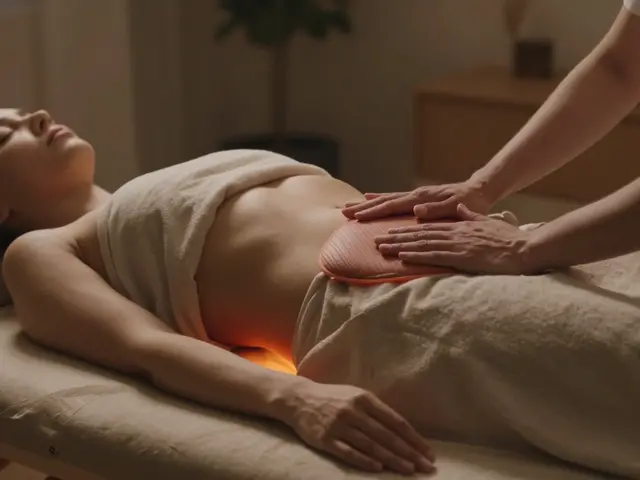
Medical Massage: What It Is, Benefits, and How to Get Prescribed in 2026
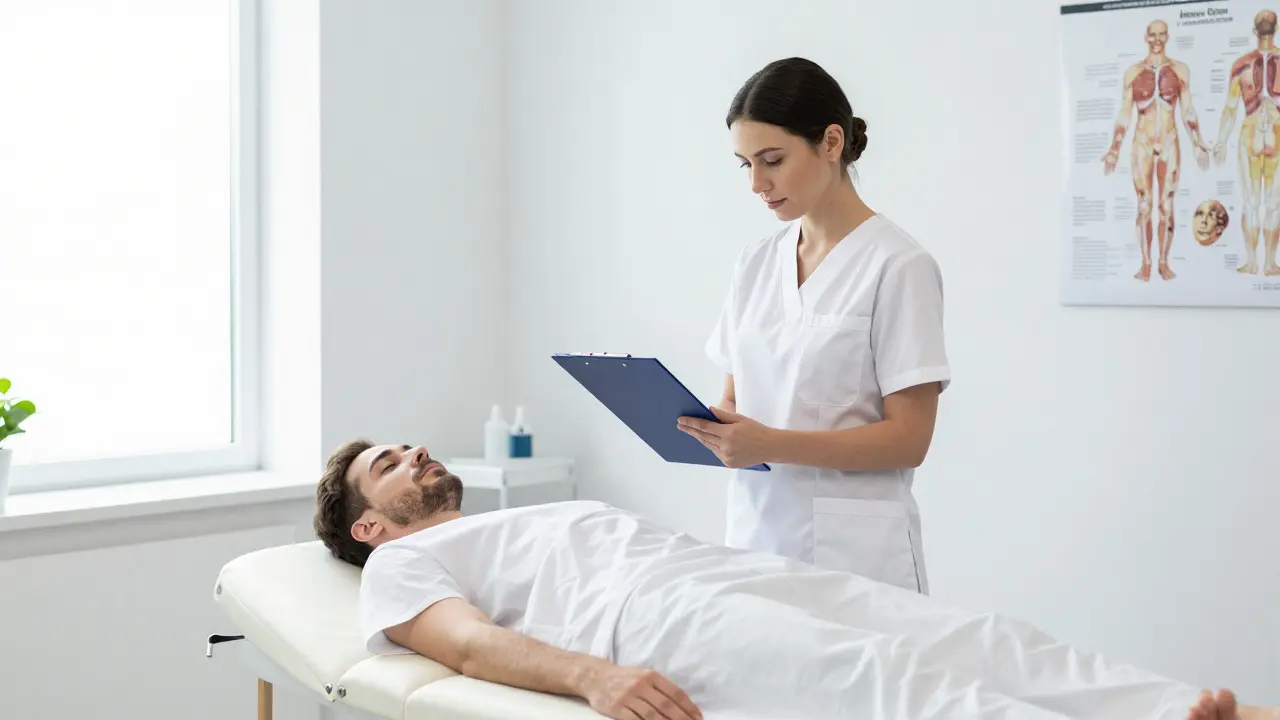
You walk into a clinic, not a spa. There are no candles flickering, no soft jazz playing, and the therapist asks for your medical history before you even lie down. This isn't about relaxation; it's about repair. You are here because your shoulder hurts when you type, your lower back locks up after gardening, or surgery left you with scar tissue that pulls and aches. This is medical massage, defined as a targeted form of bodywork prescribed by a healthcare provider to treat specific injuries, chronic pain, or functional limitations. Unlike standard massage therapy, which focuses on general well-being, medical massage is clinical, precise, and goal-oriented.
The Core Difference: Medical vs. Relaxation Massage
To understand why this approach works, you first need to drop the idea that all massage is the same. Standard Swedish massage uses long, gliding strokes to promote circulation and reduce stress. It feels good, but it rarely fixes a rotator cuff tear or sciatica. Medical massage, however, operates like physical therapy using hands instead of machines. The therapist identifies the root cause of your pain-often a knot in a muscle far from where you feel the ache-and applies specific pressure to resolve it.
Consider the difference in intent. If you have tension headaches, a relaxation therapist might work gently on your neck to help you unwind. A medical massage therapist will assess your posture, check the alignment of your cervical spine, identify trigger points in your suboccipital muscles, and apply deep tissue techniques to release the tension causing the headache. They are treating a symptom with a physiological solution, not just offering comfort.
How the Treatment Process Works
The process starts before you touch the table. In most jurisdictions, including Australia and many parts of the US, medical massage requires a referral or prescription from a doctor, physiotherapist, or chiropractor. This document outlines your diagnosis, such as "acute lumbar strain" or "post-operative adhesion," and sets clear treatment goals. Without this paper trail, the service is usually considered cosmetic or recreational, meaning your insurance won't cover it.
Once you arrive, the intake process is thorough. The therapist reviews your medical records and discusses your current pain levels using a scale from one to ten. They perform a physical assessment, checking your range of motion, muscle strength, and joint stability. For example, if you complain of knee pain, they won't just massage your knee; they'll test your hip flexors and ankle mobility, knowing that tightness in those areas often contributes to knee issues.
The session itself is intense. You might be asked to sit up during the treatment so the therapist can observe how your muscles react under load. Techniques used include:
- Myofascial Release: Slow, sustained pressure applied to the fascia (connective tissue) to eliminate pain and restore motion. This is crucial for people who have been sedentary or have suffered trauma.
- Trigger Point Therapy: Direct pressure applied to hyper-irritable spots in skeletal muscle that are associated with palpable nodules in taut bands. This releases referred pain patterns.
- Cross-Fiber Friction: Deep strokes applied perpendicular to the muscle fibers to break down scar tissue and prevent adhesions, often used after surgeries or fractures.
- Neuromuscular Technique: Focusing on the connection between nerves and muscles to correct imbalances and improve motor control.
After the session, the therapist provides a report to your referring physician, detailing what was done and your progress. This loop of communication ensures your entire care team is aligned on your recovery path.
Conditions Treated Effectively
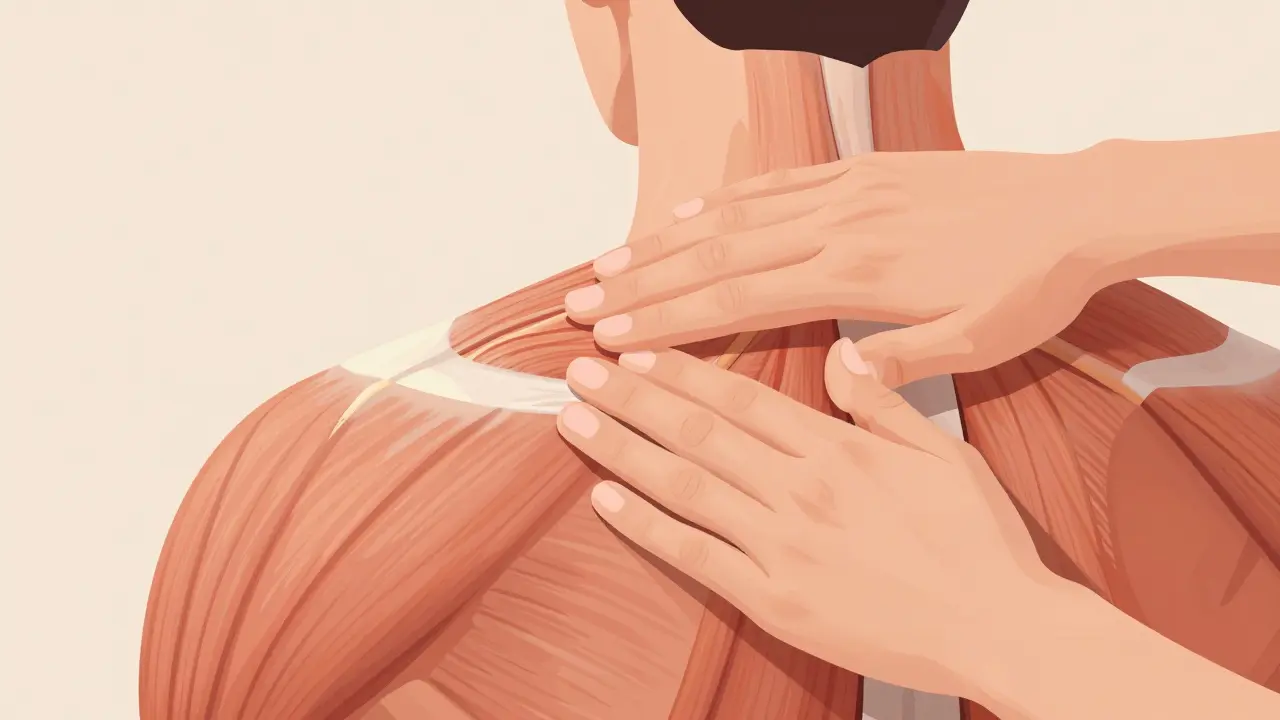
Medical massage is not a cure-all, but it is highly effective for specific musculoskeletal and neurological conditions. Research supports its use in managing chronic pain, reducing recovery time from injury, and improving quality of life for patients with limited mobility.
| Condition | Primary Goal | Techniques Used |
|---|---|---|
| Chronic Lower Back Pain | Reduce inflammation and improve mobility | Deep Tissue, Myofascial Release |
| Sciatica | Relieve nerve compression | Nerve Gliding, Trigger Point Therapy |
| Post-Surgical Scar Tissue | Prevent adhesions and restore function | Cross-Fiber Friction |
| Tension Headaches | Release muscular tension in neck/scalp | Trigger Point, Craniosacral Therapy |
| Athletic Injuries | Accelerate recovery and prevent re-injury | Sports Massage, Neuromuscular Technique |
For instance, someone recovering from a total knee replacement might suffer from significant swelling and stiffness. Medical massage helps mobilize lymphatic fluid, reducing edema, while gentle stretching prevents the joint capsule from tightening prematurely. Similarly, office workers suffering from repetitive strain injuries (RSI) like carpal tunnel syndrome benefit from forearm and wrist treatments that decompress the median nerve.
Insurance Coverage and Cost Considerations
One of the biggest hurdles for patients is cost. Because medical massage is a healthcare service, it often costs more per hour than relaxation massage. However, the potential for insurance reimbursement makes it a financially viable option for many. In 2026, many private health insurance plans in Australia and PPO plans in the United States cover manual therapy if it is part of a documented treatment plan for a diagnosed condition.
To get reimbursed, you must follow strict protocols. First, obtain a written prescription from your doctor specifying the number of sessions needed and the diagnosis code (ICD-10). Second, ensure your therapist is licensed and credentialed to provide medical massage, not just general massage therapy. Finally, keep detailed receipts and progress notes from your therapist to submit to your insurer. Some plans require pre-authorization, so check with your provider before starting treatment.
If your insurance does not cover it, look into Flexible Spending Accounts (FSAs) or Health Savings Accounts (HSAs), which often allow you to pay for medical massage with pre-tax dollars. This can significantly reduce the out-of-pocket expense.

Finding the Right Practitioner
Not every massage therapist is trained in medical techniques. When searching for a provider, look for specific credentials beyond the basic state or national license. Titles like Licensed Massage Therapist (LMT) or Registered Remedial Massage Therapist (RRMT) indicate foundational training, but additional certifications signal specialized expertise.
Look for practitioners who hold certifications such as:
- Certified Clinical Massage Therapist (CCMT): Indicates advanced training in clinical settings.
- Board Certified Manual Therapist (BCMT): Demonstrates proficiency in orthopedic assessment and treatment.
- Specialized Certifications: Look for credentials in Myofascial Release, Neuromuscular Integration, or Sports Medicine.
In Sydney and other major cities, many therapists work within multidisciplinary clinics alongside physiotherapists and osteopaths. This environment fosters collaboration and ensures you receive evidence-based care. Ask potential therapists direct questions: "Do you accept referrals from doctors?" "Can you provide documentation for my insurance?" "What is your experience with [your specific condition]?" Their answers will reveal whether they are equipped to handle your medical needs.
Realistic Expectations and Aftercare
Medical massage is not magic. It often hurts during the session, especially when working through dense scar tissue or chronic trigger points. This discomfort is normal and usually subsides within 24 to 48 hours. However, severe pain that persists or worsens should be reported to your therapist immediately. Hydration is critical after treatment; drinking water helps flush out metabolic waste released from the tissues into the bloodstream, reducing soreness and fatigue.
You may also experience emotional releases. The body stores trauma in the muscles, and releasing physical tension can sometimes bring up suppressed emotions. This is a recognized phenomenon in somatic psychology and is generally a positive sign of healing. Allow yourself space to rest after sessions; avoid strenuous exercise for at least 24 hours to let your body integrate the changes.
Consistency is key. One session rarely solves a chronic issue. Most treatment plans involve weekly sessions for four to six weeks, followed by maintenance appointments. Adhering to the plan and doing any prescribed home exercises or stretches will maximize your results and speed up your return to full function.
Does medical massage hurt?
It can be uncomfortable, especially when treating chronic knots or scar tissue. The therapist should adjust pressure based on your feedback. Pain should be manageable, not debilitating. Communicate openly with your therapist about your pain tolerance.
Is medical massage covered by Medicare?
In many countries, including Australia, Medicare typically does not cover private massage therapy unless it is part of a specific government-funded program or provided by a allied health professional under a Chronic Disease Management Plan. Always check with your specific insurer or local health authority for current policies.
How many sessions do I need?
The number of sessions varies by condition. Acute injuries may resolve in 3-5 sessions, while chronic conditions like fibromyalgia or long-term back pain might require 8-12 sessions or ongoing maintenance. Your therapist will create a customized plan based on your progress.
Can I get medical massage without a doctor's referral?
While you can technically book an appointment with any therapist, without a referral, it is usually classified as wellness or relaxation massage. This means it likely won't be covered by insurance and may not address the underlying medical cause of your pain as effectively.
What should I wear to a medical massage appointment?
Wear loose, comfortable clothing that allows easy access to the area being treated. You may be asked to undress partially, but draping (covering areas not being worked on) is standard practice to maintain modesty and warmth. Bring a towel or change of clothes if recommended.