Experience the Ancient Art of Thai Massage: A Complete Guide to Benefits and Practice
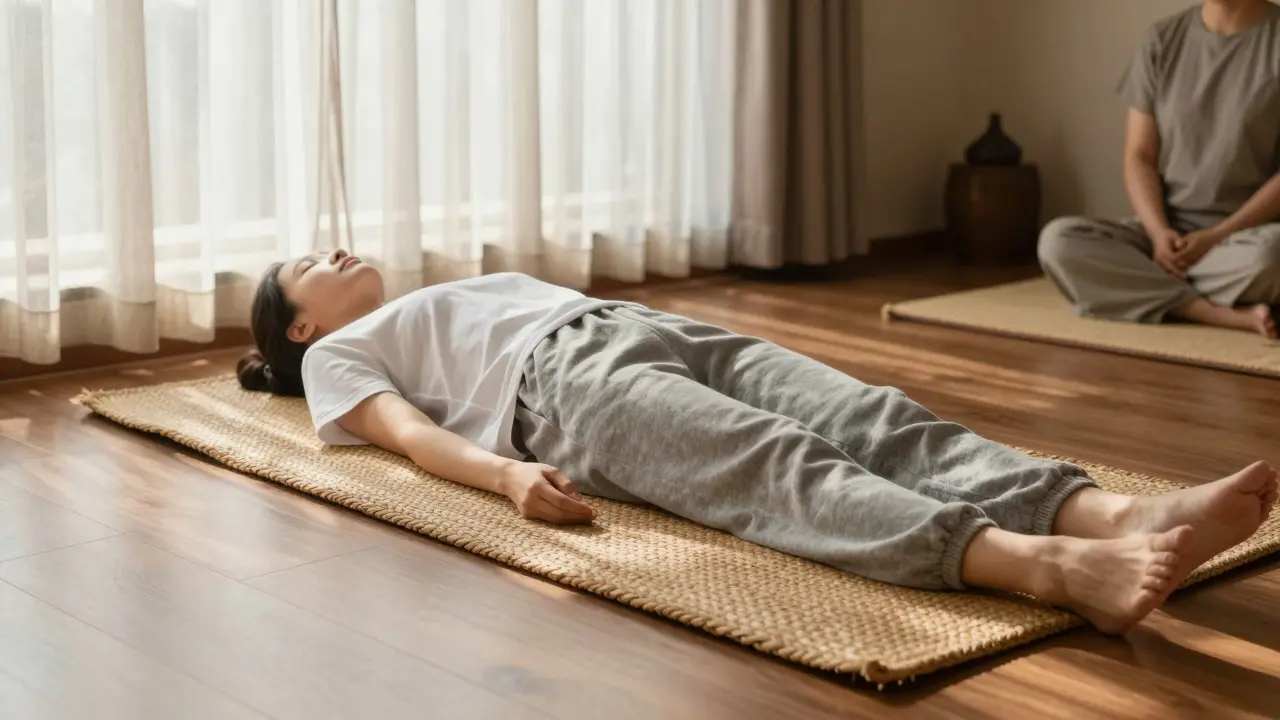
You step into a quiet room. There is no table with sheets. Instead, there is a firm mat on the floor. You are fully clothed. Your therapist sits nearby, ready to move you through a series of stretches that feel like yoga, but you do not have to do any of the work. This is Thai massage, also known as Nuad Boran. It is an ancient healing art from Thailand that combines acupressure, Indian Ayurvedic principles, and assisted yoga postures.
If you have only ever experienced Swedish or deep tissue massage, this might sound strange. Why would someone want to be stretched while lying down? The answer lies in how Thai massage treats the body. It does not just relax muscles; it opens up your entire system. It targets blockages in your energy flow, improves flexibility, and boosts circulation without requiring you to lift a finger.
The Roots of Nuad Boran
To understand Thai massage, you have to look back about 2,500 years. Most historians trace its origins to Jivaka Kumarabhaccha, who was the personal physician to Siddhartha Gautama (the Buddha). Jivaka brought medical knowledge from India to Southeast Asia. Over centuries, this knowledge merged with local Thai beliefs about health and energy.
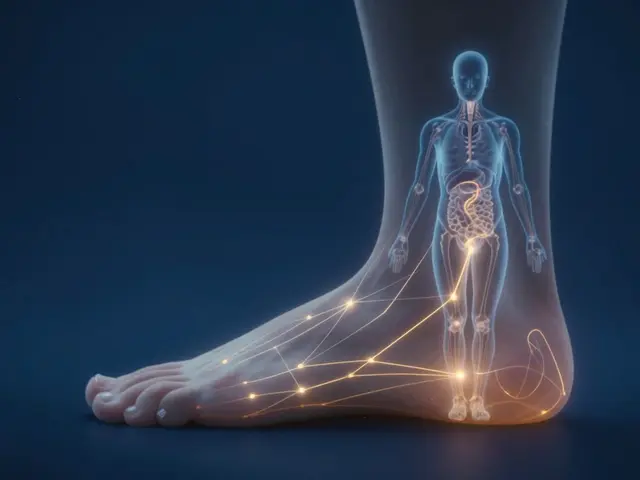
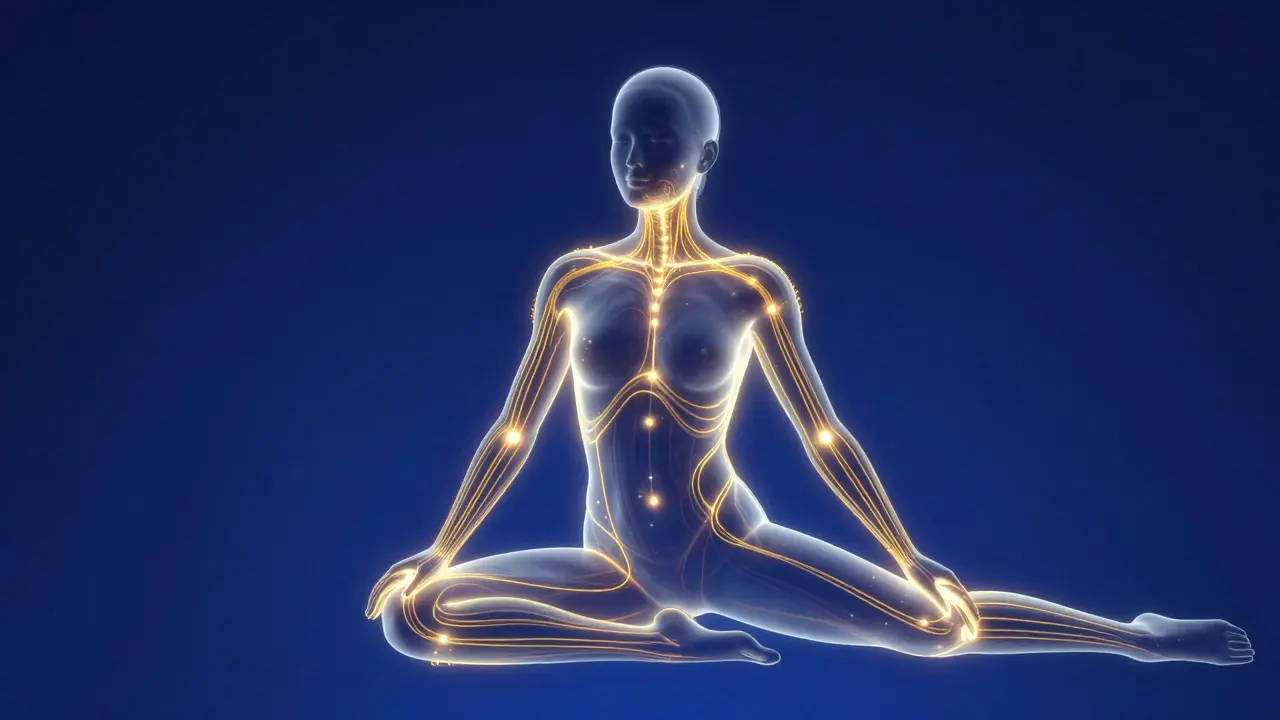
In traditional Thai medicine, health is not just the absence of pain. It is a balance of four elements: earth, water, wind, and fire. When these elements are out of balance, you get sick or hurt. Thai massage works by restoring this balance. It focuses on Sen lines, which are invisible energy pathways that run through your body. Think of them like rivers. If a river gets blocked by debris, the water stops flowing. In your body, if Sen lines are blocked, energy stagnates, leading to tension, pain, and illness.
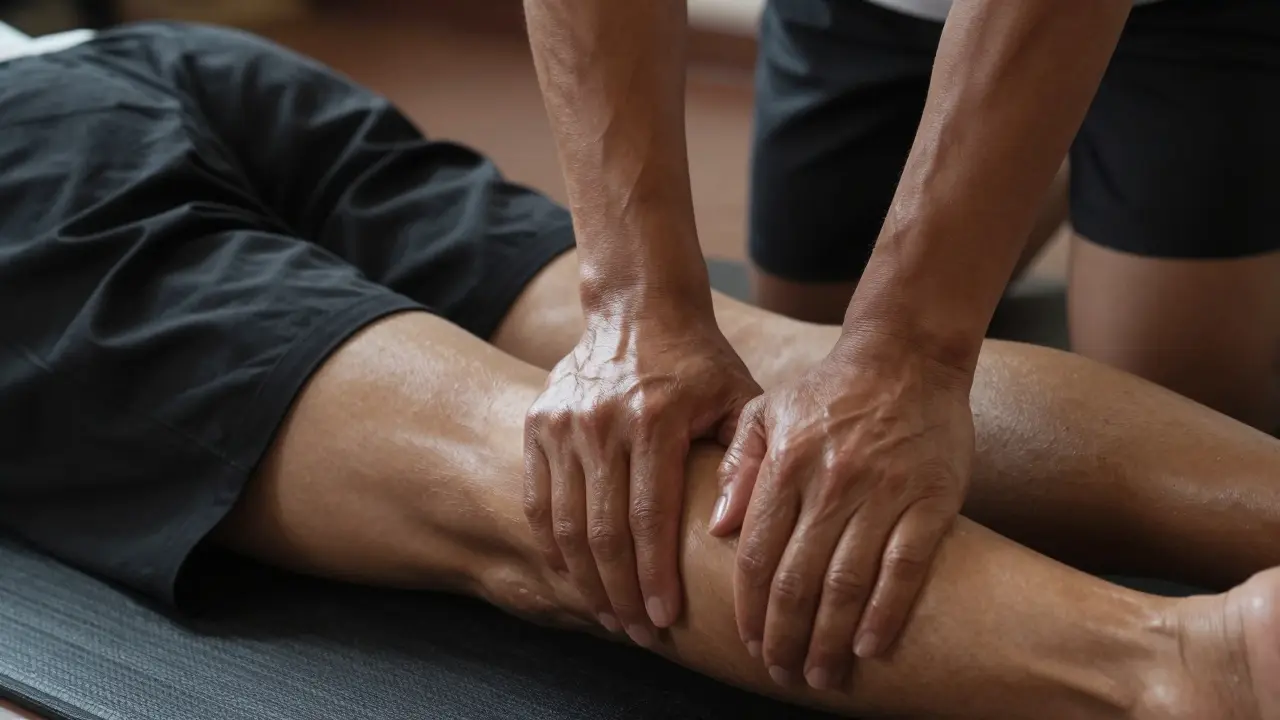
A skilled practitioner uses their thumbs, palms, elbows, knees, and feet to press along these lines. They pull and stretch your limbs to clear the blockages. This is why Thai massage is often called "lazy man's yoga." You get all the benefits of stretching and joint mobilization without the effort.
How a Session Actually Feels
Walking into a Thai massage session can be intimidating if you are used to Western spa culture. Here is what you need to know so you are not caught off guard.
- Clothing: You stay fully clothed. Wear loose, comfortable clothes like sweatpants and a t-shirt. Tight jeans or restrictive shirts will make the stretching difficult for both you and the therapist.
- The Surface: The massage happens on a thick mat on the floor. This allows the therapist to use their full body weight and leverage. It also provides stability for the complex stretches.
- No Oil: Unlike Swedish massage, no oil or lotion is used. The therapist needs grip to push and pull your body safely.
- Movement: You will move. A lot. One moment you are lying on your back, the next you are in a seated twist, and then you might be hanging upside down in a supported inversion. Trust the process.
The pressure can be intense. It is not necessarily painful, but it is firm. The therapist is working deep into the connective tissue and fascia. Communication is key. If something hurts too much, say so. A good practitioner will adjust immediately.
The Physical Mechanics: More Than Just Stretching
Thai massage relies on three main techniques that work together to heal the body.
- Rhythmic Compression: The therapist uses their hands, forearms, and thumbs to apply steady pressure along the muscle fibers and Sen lines. This mimics the effect of acupressure, stimulating specific points to release tension.
- Assisted Yoga Postures: The therapist guides your body into various positions. These stretches target joints that are often stiff from sitting at desks or driving. For example, the "spinal twist" helps decompress the vertebrae and improve mobility in the lower back.
- Energy Work: While the physical movements are obvious, the intention behind them matters. Practitioners focus on moving Prana (life force) through the body. This mental focus helps calm the nervous system, shifting you from a "fight or flight" state to a "rest and digest" state.
This combination makes Thai massage unique. It addresses structural issues (tight hips, stiff shoulders) and energetic issues (fatigue, brain fog) simultaneously.
Key Health Benefits Backed by Experience
Why do people keep coming back to Thai massage? The benefits go beyond feeling relaxed for an hour. Here is what regular sessions can do for you.
| Common Issue | How Thai Massage Helps | Long-Term Effect |
|---|---|---|
| Chronic Back Pain | Deep stretching and compression release tension in the psoas and lumbar muscles. | Improved posture and reduced frequency of flare-ups. |
| Stiff Joints (Knees/Hips) | Passive range-of-motion exercises lubricate joints and break up adhesions. | Greater flexibility and ease of movement in daily activities. |
| Stress and Anxiety | Rhythmic pressure stimulates the parasympathetic nervous system. | Lower cortisol levels and better sleep quality. |
| Poor Circulation | Compression acts like a pump, pushing blood and lymph fluid through stagnant areas. | Reduced swelling (edema) and faster recovery after exercise. |
| Digital Fatigue | Neck and shoulder stretches counteract the forward-head posture from screen time. | Less tension headaches and eye strain. |
Many athletes use Thai massage as part of their recovery routine. Because it improves flexibility without causing micro-tears in the muscle (like aggressive foam rolling can), it is a gentle yet effective way to maintain peak performance.
What to Expect During Your First Visit
Your first Thai massage session usually lasts 90 minutes to two hours. Rushing through this treatment defeats the purpose. Here is a typical flow.
The session starts with you lying on your back. The therapist begins with gentle compressions on your legs and arms. They check your flexibility and sensitivity. Then, they start working on your upper body, pressing along your chest and shoulders. You might feel some resistance as tight muscles begin to release.
Next, you roll onto your stomach. The therapist works on your back, using their elbows and knees to apply deeper pressure along the spine. They will likely pull your arms back to open your chest, a move that feels incredible if you spend all day hunched over a computer.
The middle of the session involves more complex stretches. You might sit up while the therapist twists your torso or pulls your leg over your head. These moves require trust. Breathe deeply. Do not hold your breath. Exhale as you are stretched. This signals your muscles to relax rather than resist.
The session ends with calming compressions on your head and neck. You will likely feel lighter, taller, and more energized than tired. Drink plenty of water afterward to help flush out toxins released from the tissues.
Finding a Qualified Practitioner
Not all "Thai massages" are created equal. Some spas offer a diluted version that is mostly just stretching with little regard for energy lines or proper technique. To get the real experience, look for these signs.
- Certification: Look for therapists trained at recognized institutes like Wat Pho in Bangkok or the Traditional Thai Medicine School in Chiang Mai. In the West, organizations like the International Thai Yoga Massage Association provide standards.
- Consultation: A good therapist will ask about your injuries, pregnancy status, and health conditions before starting. Thai massage is not safe for everyone (more on this below).
- Focus on Sen Lines: Ask if they follow traditional Sen line mappings. If they just say "we stretch you," they might be missing the therapeutic depth of the practice.
Avoid places that offer "happy endings" or sexual services disguised as Thai massage. Legitimate Thai massage is strictly professional and therapeutic. It is a respected medical tradition in Thailand, protected by law.
Who Should Avoid Thai Massage?
While beneficial for most, Thai massage is physically demanding. It is not recommended for people with:
- Recent fractures or severe osteoporosis: The pressure and stretching could cause further injury.
- Pregnancy: Unless the therapist is specifically certified in prenatal Thai massage. Certain points and stretches can induce labor or harm the fetus.
- Acute inflammation or infection: Fever, flu, or swollen joints should be treated with rest, not manipulation.
- Uncontrolled high blood pressure: The intensity can spike blood pressure temporarily.
- Open wounds or skin infections: Since you are fully clothed, minor cuts are okay, but rashes or contagious conditions are not.
If you have any doubts, talk to your doctor first. Always inform your therapist of any health issues before the session begins.
Thai Massage vs. Other Modalities
How does Thai massage compare to other popular treatments? Understanding the differences helps you choose the right therapy for your needs.
| Feature | Thai Massage | Swedish Massage | Deep Tissue Massage | Yoga |
|---|---|---|---|---|
| Clothing | Fully clothed | Nude or under sheet | Nude or under sheet | Clothed |
| Oil Used | No | Yes | Yes (small amount) | No |
| Effort Required | None (passive) | None | None | High (active) |
| Primary Goal | Energy flow & flexibility | Relaxation | Release chronic tension | Strength & mindfulness |
| Intensity | Medium to High | Light to Medium | High | Variable |
If you want pure relaxation, choose Swedish. If you have a specific knot in your shoulder that won't go away, Deep Tissue might be better. But if you want to improve your overall mobility, reduce stress, and feel energized, Thai massage is hard to beat.
Tips for Maximizing Your Session
To get the most out of your Thai massage, prepare properly.
- Eat Lightly: Do not go on a full stomach. A heavy meal can make you feel nauseous when you are inverted or compressed. Wait at least two hours after eating.
- Hydrate: Drink water before and after. Hydration helps your muscles respond better to stretching and aids detoxification.
- Breathe: This is the most important tip. Deep, slow breathing tells your body it is safe to relax. If you hold your breath, your muscles will tense up, making the stretches harder and less effective.
- Communicate: Thai massage is interactive. If a stretch feels wrong, speak up. If the pressure is too much, let them know. The best sessions are a dialogue between client and therapist.
- Rest Afterward: Do not schedule a busy meeting or intense workout immediately after. Give your body an hour to integrate the changes. Many people find they nap easily after a session.
Embrace the strangeness of it. Let go of the need to control your body. For 90 minutes, let someone else take care of your flexibility and energy flow. You might just discover a new way to heal yourself.
Does Thai massage hurt?
Thai massage can be intense, but it should not be painful. You may feel strong pressure and deep stretching, which can cause temporary discomfort, especially if you are stiff. However, sharp pain is a sign to stop. Communicate with your therapist to adjust the pressure. The goal is "good pain"-the sensation of release, not injury.
Can I get Thai massage if I am pregnant?
Standard Thai massage is generally not recommended during pregnancy due to the intensity of stretches and pressure on certain points. However, prenatal Thai massage exists and is performed by specially trained therapists who modify techniques to ensure safety for both mother and baby. Always consult your obstetrician before booking.
How often should I get Thai massage?
For general wellness, once a month is sufficient. If you are dealing with chronic pain, stiffness, or high stress, weekly or bi-weekly sessions may be beneficial initially. As your body improves, you can reduce the frequency. Listen to your body; if you feel sore after a session, wait longer before your next one.
What should I wear to a Thai massage?
Wear loose, comfortable clothing that allows for full range of motion. Sweatpants, yoga pants, and a loose t-shirt are ideal. Avoid tight jeans, belts, bras with underwire, or restrictive shoes. Remove jewelry, watches, and glasses before the session begins.
Is Thai massage better than Swedish massage?
It depends on your goals. Swedish massage is best for pure relaxation and stress relief. Thai massage is superior for improving flexibility, joint mobility, and energy flow. If you want to feel refreshed and more mobile, choose Thai. If you want to melt into a couch and sleep, choose Swedish.
What are Sen lines?
Sen lines are invisible energy pathways in the body, similar to meridians in Chinese acupuncture. There are ten primary Sen lines that converge at the navel. Blockages in these lines are believed to cause pain and illness. Thai massage practitioners apply pressure along these lines to restore the flow of Prana (life energy).
Do I need to tip my Thai massage therapist?
Tipping customs vary by location. In Thailand, tipping is not mandatory but is appreciated for exceptional service. In the US and Europe, tipping 15-20% is standard practice for massage therapists, including those specializing in Thai massage. Check the spa's policy, as some include gratuity in the price.