Elephant Massage Techniques: History, Methods, and Ethical Reality
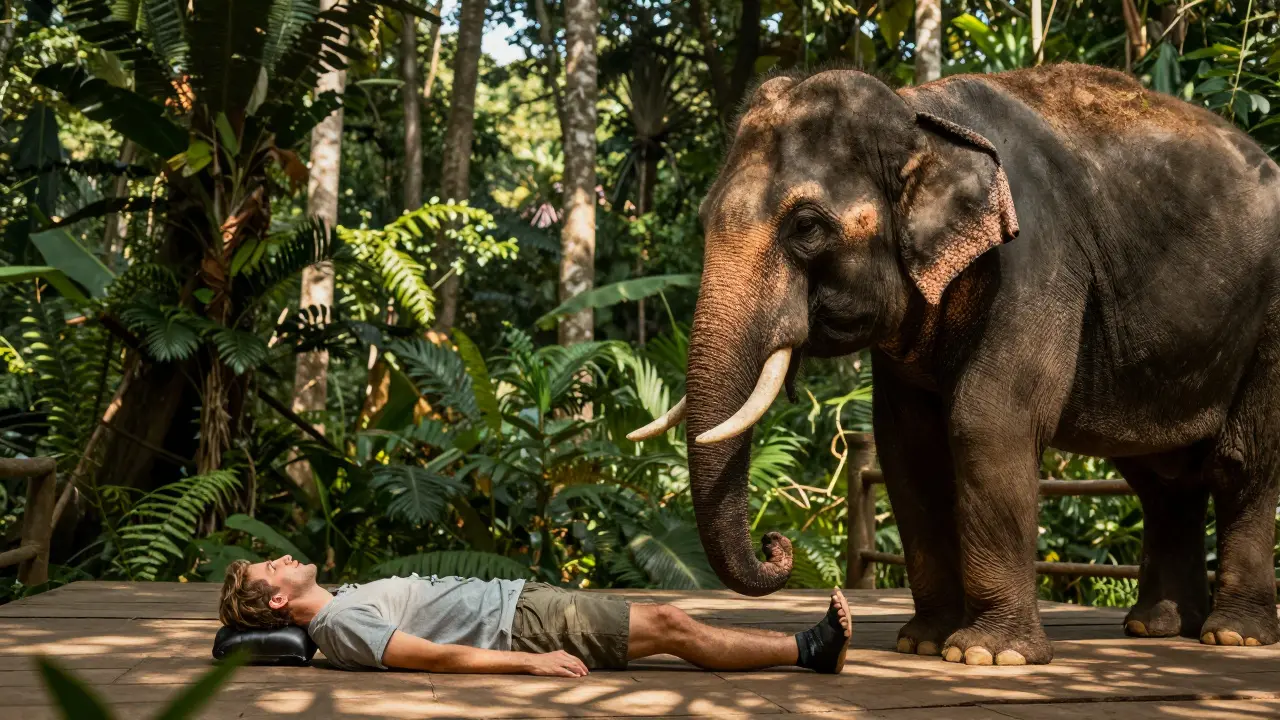
Have you ever seen a video of an elephant using its trunk to press into someone's back? It looks relaxing, maybe even magical. For years, this image has been sold as the ultimate spa experience in places like Thailand. But there is a big difference between what tourists see on social media and what actually happens behind the scenes. Elephant massage is a practice where elephants use their trunks or feet to apply pressure to human bodies, often marketed as a unique cultural therapy. While it promises deep tissue relief, the reality involves complex ethical questions about animal welfare that many travelers overlook.
The Origins of Elephant Interaction in Asia
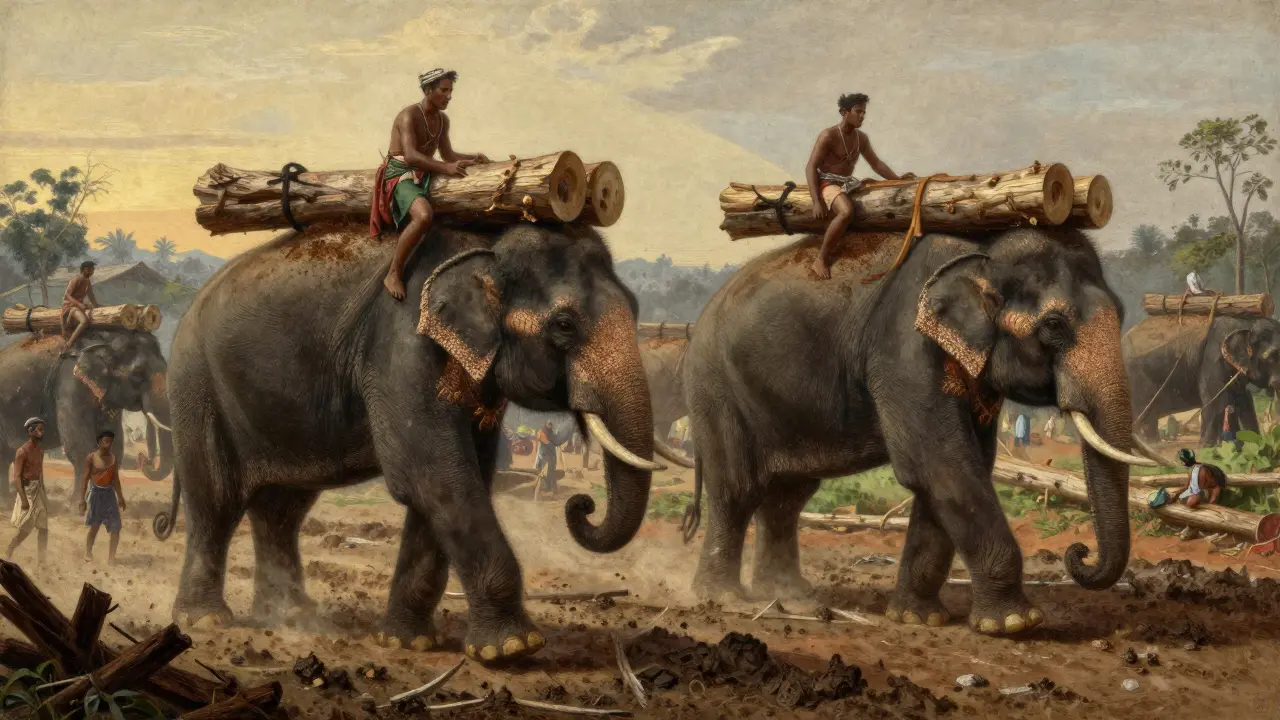
To understand why we associate elephants with massage, we have to look at history. In Southeast Asia, particularly in Thailand, India, and Myanmar, humans and elephants have shared a bond for over 4,000 years. This wasn't about giving massages to tourists. It was about survival and labor. Elephants were used for logging, farming, and warfare. The relationship was built on mutual dependence. Mahouts (elephant handlers) lived with these animals, caring for them while relying on their strength.
The concept of "massage" here comes from a misunderstanding of natural behavior. Elephants are herd animals. They groom each other constantly. An elephant might use its trunk to scratch another's back or push against it to relieve tension. Tourists saw this gentle interaction and thought, "Imagine if an elephant did that to me." What started as observation turned into a commercial industry. The line between respecting a cultural heritage and exploiting an animal became blurred very quickly.
How the Technique Actually Works
If you decide to try this treatment, knowing what happens physically is important. You won't get a smooth, rhythmic rub like a human therapist provides. Elephants don't have fingers. They have trunks made of more than 40,000 muscles. When an elephant performs a "massage," it usually involves one of three actions:
- Trunk Pressing: The elephant wraps its trunk around your shoulder or back and applies steady pressure. This can feel like a deep tissue squeeze. However, the control is not precise. A sudden movement can cause bruising or injury.
- Foot Stomping: Sometimes called "elephant yoga," the animal steps lightly on your back or legs. This mimics acupressure points. The weight distribution depends entirely on the elephant's mood and training.
- Scratching: Using the tip of the trunk or tusks (if present), the elephant scratches the skin. This is less about muscle relief and more about surface stimulation.
There is no standardized curriculum for this. Unlike licensed massage therapists who study anatomy and physiology, mahouts train elephants through repetition and conditioning. The technique varies wildly depending on the camp. Some camps claim to use positive reinforcement, but many still rely on traditional methods that involve fear-based training.
The Ethical Cost Behind the Experience
This is the part most brochures skip. For an elephant to stand still and perform specific tasks for strangers, it must be broken of its wild instincts. This process is known as "phajaan" or the "crushing." It involves isolating a young calf and subjecting it to physical and psychological stress until it submits to human authority. While some modern sanctuaries claim to have moved away from this, the demand for interactive experiences keeps the practice alive in many areas.
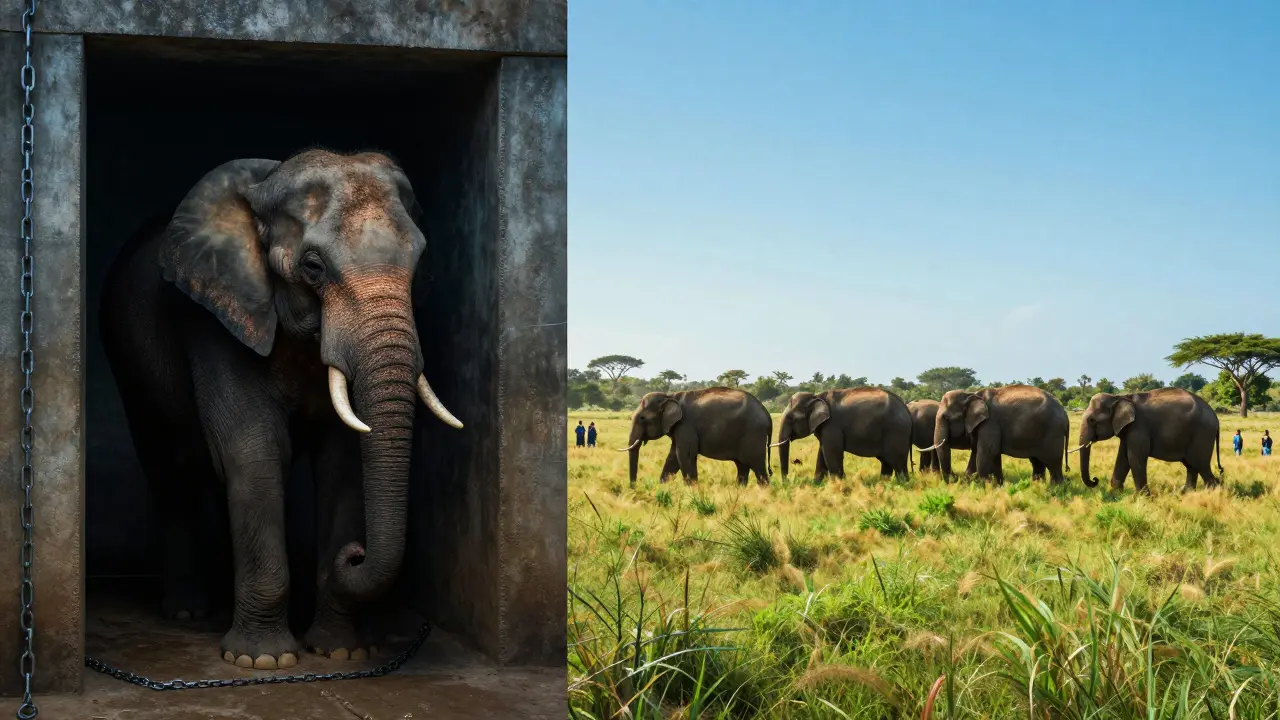
Consider the environment. Elephants need vast spaces to roam, forage, and socialize. In tourist camps, they often live in small concrete enclosures. Their feet suffer from cracks and infections because they aren't walking on natural terrain. Their diets are restricted to keep them manageable. When you pay for an elephant massage, you are funding a system that prioritizes human entertainment over animal health. Organizations like the World Animal Protection and the Born Free Foundation have documented severe welfare issues in these facilities.
You might ask, "Can't the elephant enjoy it too?" Animals can tolerate interaction, but tolerance isn't consent. An elephant standing still while being touched by dozens of people daily is showing submission, not enjoyment. True welfare means allowing them to behave naturally, not performing tricks for money.
Alternatives That Respect Both Humans and Animals
You still want relaxation. You still want a connection to nature. You don't need to exploit an endangered species to get either. There are ethical alternatives that provide similar benefits without the harm.
| Experience Type | Animal Welfare Impact | Therapeutic Benefit | Cost Range |
|---|---|---|---|
| Elephant Massage | High negative impact (stress, confinement) | Novelty, mild pressure | $50 - $150 USD |
| Ethical Elephant Sanctuary Visit | Positive (supports conservation) | Mental well-being, education | $30 - $80 USD |
| Traditional Thai Massage | No animal impact | Deep tissue relief, flexibility | $15 - $40 USD |
| Nature Walks/Yoga | No animal impact | Stress reduction, mindfulness | Free - $20 USD |
Visiting an ethical sanctuary allows you to observe elephants in a semi-natural habitat. You watch them eat, bathe, and interact with their herd. There is no touching, no riding, and no massage. Instead, you learn about conservation efforts. This approach supports the animals' long-term health and helps protect their populations from poaching and habitat loss.
If you crave the physical sensation of deep pressure, traditional Thai massage is the root of the inspiration anyway. Human practitioners understand body mechanics. They can target specific knots and adjust intensity based on your feedback. It is safer, more effective, and ethically sound.
What Travelers Should Look For
If you are planning a trip to Southeast Asia, how do you spot the difference between a rescue center and a tourist trap? It is not always clear-cut. Many places use words like "sanctuary" and "rescue" in their marketing. Here is what to check:
- No Direct Contact: If the tour includes feeding, bathing, or massaging the elephants, it is likely not ethical. True sanctuaries maintain a distance to respect the animals' space.
- Herd Dynamics: Are the elephants kept together in groups? Solitary elephants are depressed and stressed. Look for herds where matriarchs lead and calves play.
- Dietary Transparency: Ethical centers provide large quantities of grass, hay, and fruit. If they feed mostly rice or sugar-rich treats to make them friendly, that is a red flag.
- Training Methods: Ask how they handle difficult behavior. If the answer involves bullhooks, chains, or beatings, leave immediately. Positive reinforcement uses rewards, not punishment.
Certifications matter. Look for affiliations with recognized organizations like the Global Federation of Animal Sanctuaries (GFAS). These groups audit facilities regularly. Without such oversight, claims of ethical treatment are just marketing slogans.
The Future of Wildlife Tourism
The trend is shifting. More travelers are becoming aware of the hidden costs of exotic experiences. Governments in countries like Thailand and Nepal are tightening regulations on elephant tourism. Bans on elephant riding are starting to take effect. The market is slowly moving toward observation-based tourism.
This change benefits everyone. Elephants get to be elephants again. Tourists get a more authentic, meaningful connection to nature. And the local economy shifts from exploitation to conservation. Supporting ethical tourism sends a message that animals are not props for our Instagram photos. They are sentient beings deserving of dignity.
Next time you see a post about an elephant massage, pause and think. Is the relaxation worth the suffering? There are plenty of ways to unwind that don't require breaking a wild spirit. Choose experiences that heal, not those that harm.
Is elephant massage safe for humans?
Physically, it carries risks. Elephants are unpredictable. A sudden move can cause bruises, sprains, or worse. Hygiene is also a concern, as elephants may carry bacteria or parasites. Medically, it offers no proven therapeutic benefit over standard massage techniques.
Are all elephant camps unethical?
Not necessarily, but most that offer direct contact like massage or riding are. Ethical sanctuaries focus on observation and conservation. If an elephant is performing a service for tourists, it is likely under stress. Look for GFAS-accredited centers that prohibit direct interaction.
Why do elephants allow themselves to be massaged?
They do not "allow" it out of choice. They comply due to training that often involves fear or submission. In the wild, elephants groom each other voluntarily. In captivity, they follow commands to avoid punishment or receive food rewards. Tolerance is not consent.
What is the best alternative to elephant massage?
Traditional Thai massage is the closest human equivalent, offering deep tissue relief without animal exploitation. For a nature connection, visit an ethical sanctuary where you observe elephants in their natural behaviors. Both options support your well-being and animal welfare.
Does visiting an ethical sanctuary help elephants?
Yes. Ethical sanctuaries rely on visitor fees to provide veterinary care, proper nutrition, and spacious habitats. Your money supports conservation efforts and rescues elephants from abusive situations. It creates a sustainable model that values life over profit.