Aromatherapy: Simple Ways to Use Scents for Relaxation and Healing
Aromatherapy uses plant-based essential oils to change how you feel. A few drops of lavender can ease stress. A slice of citrus can lift a heavy mood. You don't need a fancy diffuser to get results—small, repeatable steps work best.
Start by choosing one clear goal: sleep better, ease tension, or lift energy. For sleep, try lavender or chamomile. For tension and headaches, peppermint or eucalyptus often help. For focus, rosemary or lemon are good picks. Stick to one or two oils at a time so you can tell what works.
How to use essential oils safely
Always dilute oils before applying them to skin. Use a carrier like almond or fractionated coconut oil. A general rule is 2-3 drops of essential oil per teaspoon of carrier for adults. Do a patch test on a small skin area to check for reactions. Keep oils away from eyes, open wounds, and pets. If you are pregnant, nursing, or on medication, ask a healthcare pro before trying new oils.
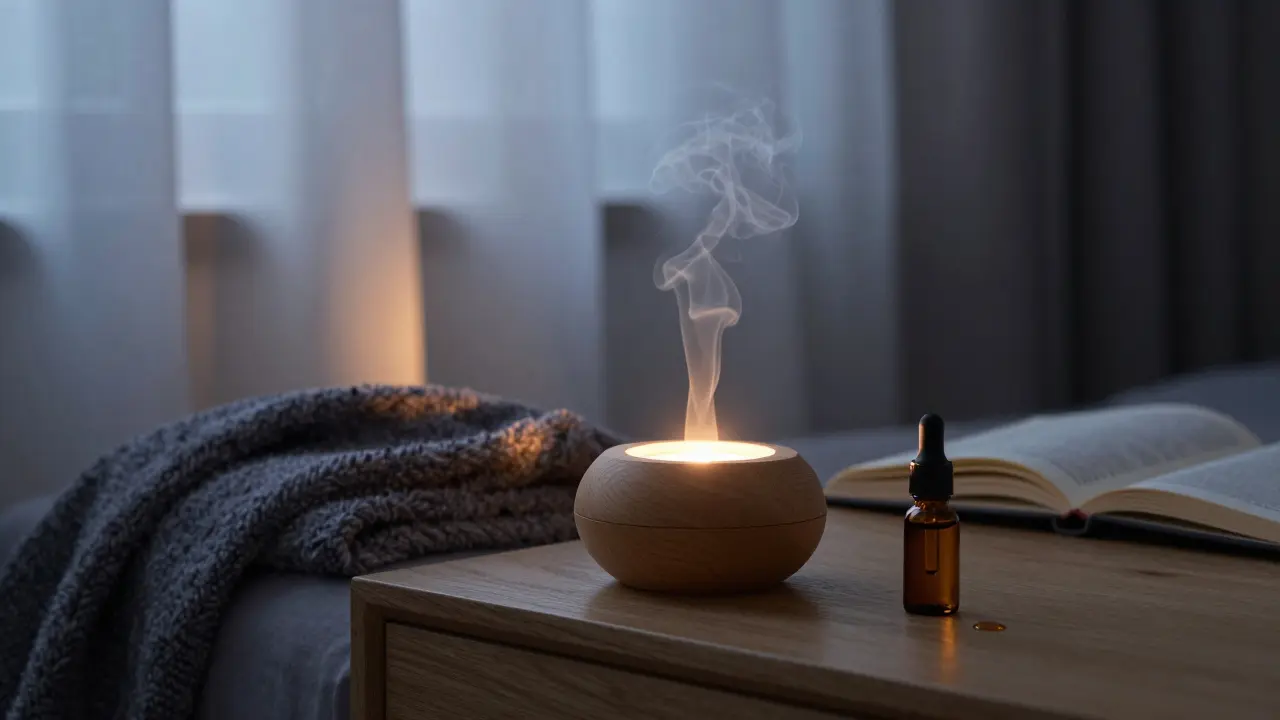
Diffusers are an easy way to spread scent across a room. Run a diffuser for 15–30 minutes, then turn it off for a break. This avoids scent fatigue and lowers irritation risk. When buying oils, pick brands that list botanical names and avoid products with vague "fragrance" labels. Pure essential oils have clear labels like Lavandula angustifolia for true lavender.
Pairing aromatherapy with bodywork
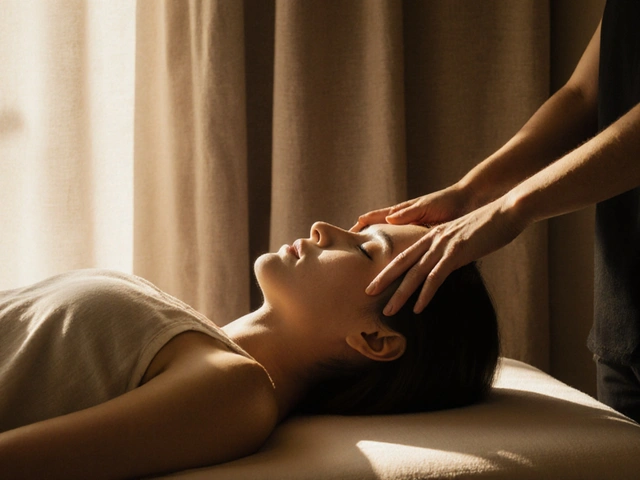
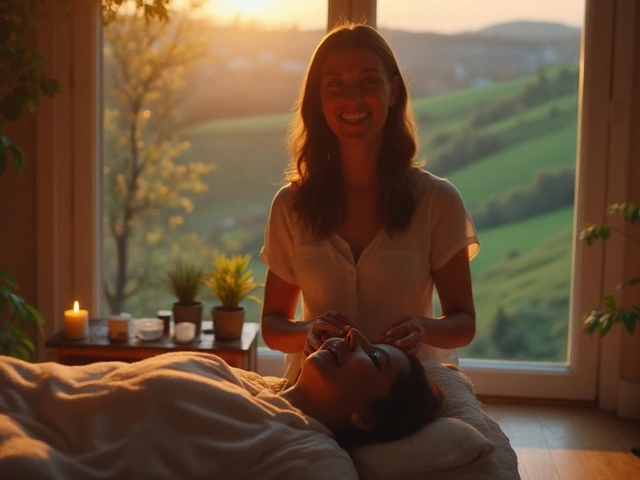
Mix aromatherapy into massage or self-care. A light lavender blend boosts relaxation during a warm stone or Lomi Lomi session. If your focus is muscle recovery, add a touch of peppermint to a massage oil before an Amma or Swedish-style routine. Read our related posts like "Warm Stone Massage" and "Lomi Lomi Massage" to see practical pairing tips and what to expect in a session.
Aromatherapy also works well with gentle therapies such as Feldenkrais or Ortho-Bionomy. Use scent to cue calm breathing before mindful movement. Try citrus before a short morning routine to feel awake and ready. Want deep relaxation? Combine a chamomile roll-on with soft music and a dim room to guide your nervous system toward rest.
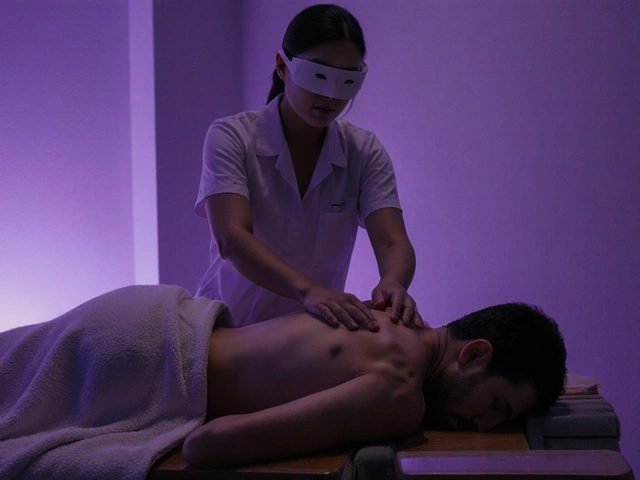
When choosing a therapist, ask if they use essential oils and what brand and dilution they prefer. Some therapists specialize in palliative or therapeutic touch and tailor scents to comfort rather than hype. Read articles like "Palliative Massage: A Healing Touch for the Soul" and "Blind Massage: What Sets It Apart" to understand how scent and touch work together in different care settings.
Practical tip: keep a small inhaler or roll-on in your bag. Two to three quick inhales can cut acute stress without needing a full session. Track which oils make you feel better and which bother you. Over time you'll build a short, reliable list of go-to scents for sleep, focus, and relief.
If you want product ideas or step-by-step recipes, check our guides and reviews on related therapies. Aromatherapy is a low-cost tool you can try at home, in a studio, or during a massage. Simple, safe use often gives the best results.
Want a quick starter set? Try lavender, peppermint, and lemon. Start with small bottles, make a simple roll-on recipe, and label each blend. Notice reactions, then expand. That small, steady approach gives real results without wasted money or confusion and fits busy lives easily.
Unleashing the Power of Aromatherapy for Emotional Well-being
Discover how essential oils like lavender, bergamot, and frankincense can naturally reduce stress, improve sleep, and lift mood. Learn practical ways to use aromatherapy daily for lasting emotional balance.
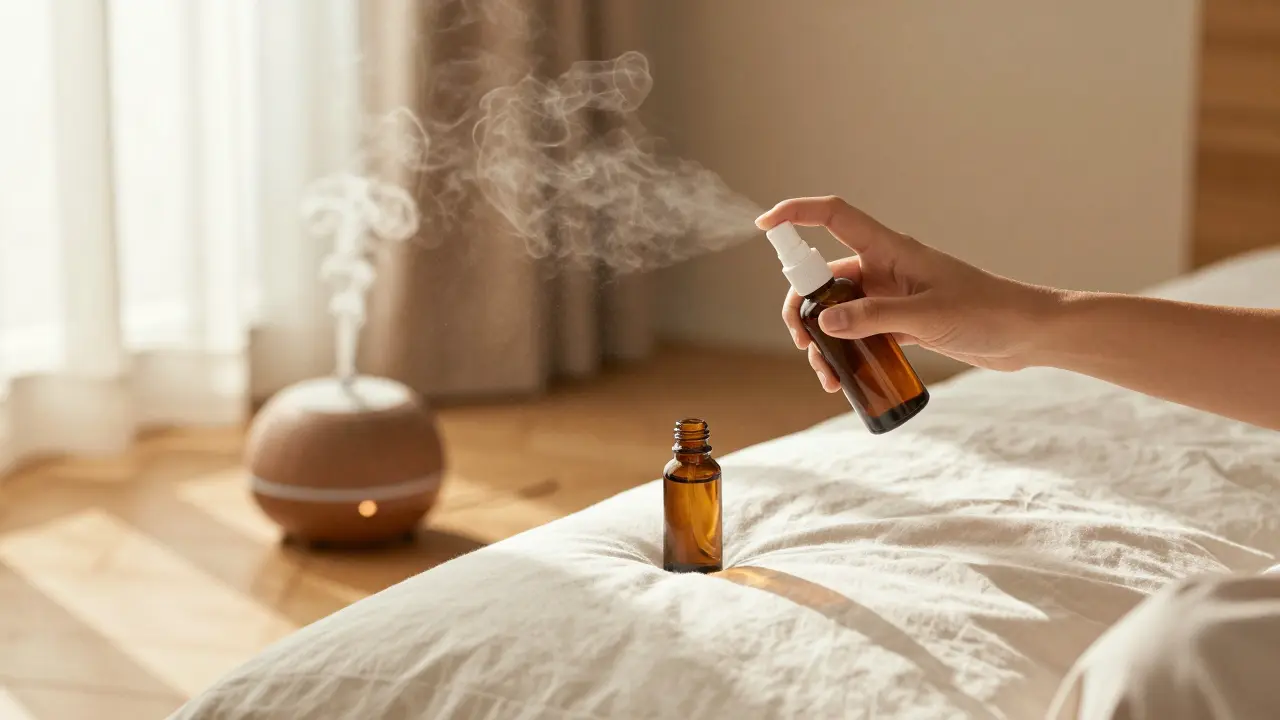
Revitalize Your Senses with Aromatherapy: Simple Ways to Use Essential Oils Daily
Discover how aromatherapy uses essential oils to reduce stress, improve sleep, and boost mood with simple, science-backed daily routines. Learn which oils work best and how to use them safely.
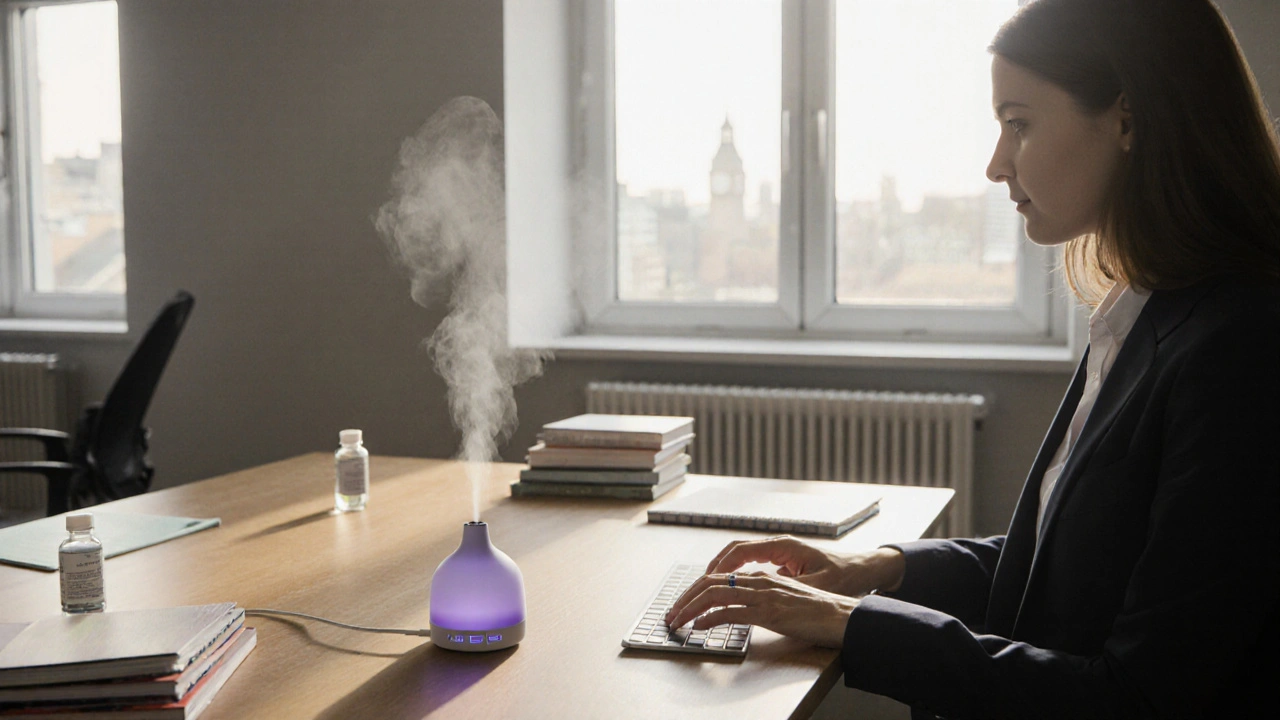
How Aromatherapy Boosts Workplace Productivity
Aromatherapy can boost workplace productivity by reducing stress and sharpening focus. Essential oils like peppermint, lavender, and lemon have been shown to improve task accuracy, lower cortisol, and enhance memory-without medication or caffeine.
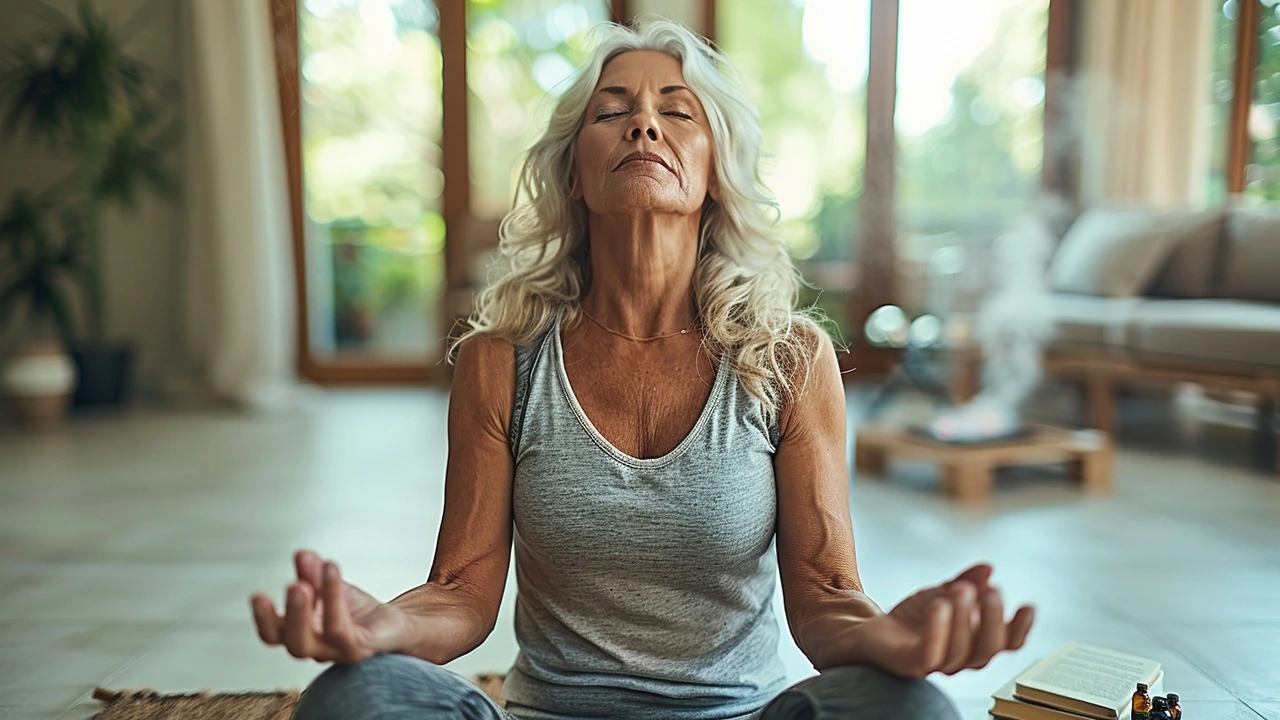
Essential Oils for Pain Management: Harnessing Aromatherapy's Soothing Power
Exploring the intersection of natural healing and modern wellness, this article delves into how aromatherapy and essential oils can be effectively used for pain relief. It covers different types of essential oils suitable for various pain types, methods of application, and the scientific basis behind their efficacy. Additionally, it provides practical tips for integrating these oils into your daily routine for optimal benefits.
Categories
- Health and Wellness (150)
- Alternative Therapies (101)
- Massage Therapy (40)
- Travel and Culture (16)
- Beauty and Skincare (9)
- Holistic Health (8)
- Health and Fitness (6)
- Spirituality (5)
- Personal Development (3)
- Other (2)
Popular Articles