Reflexology: The Ancient Healing Art Revisited
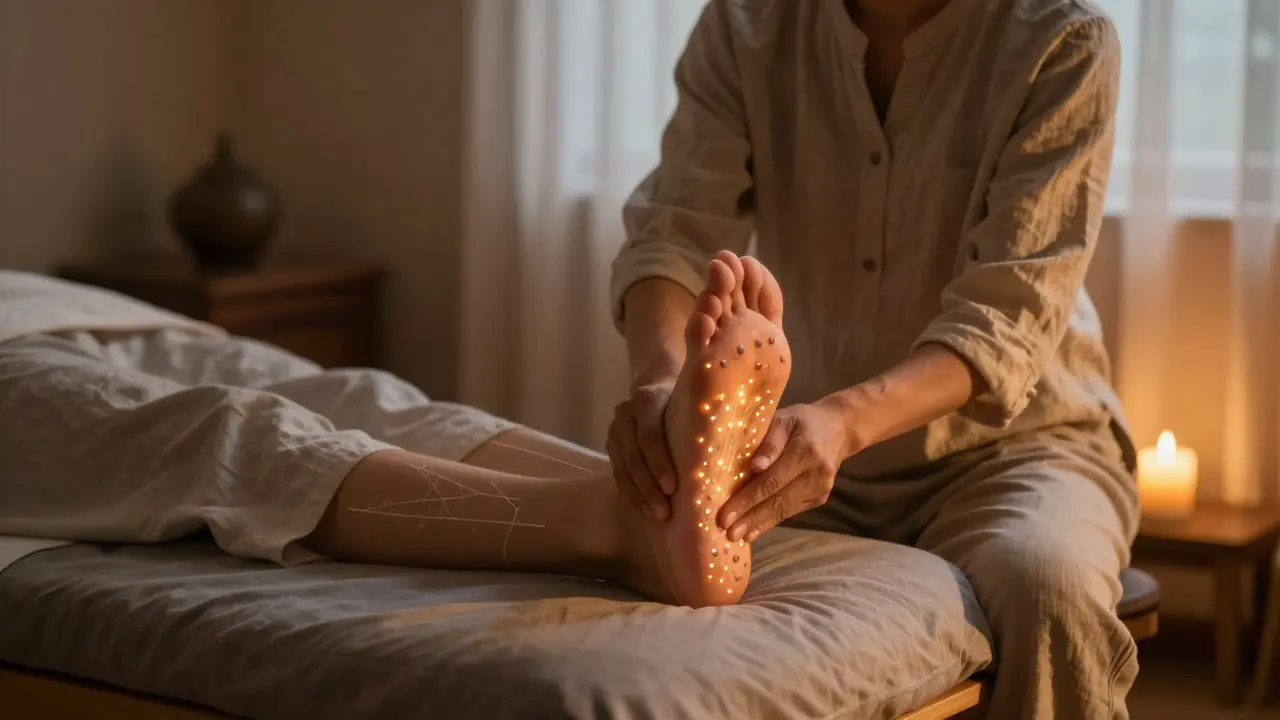
Ever stepped off a long flight and your feet felt like they’d been through a war? You sit down, someone gently presses a thumb into the arch of your foot-and suddenly, your shoulder pain eases. It’s not magic. It’s reflexology. And it’s been around longer than most modern medicines.
What Reflexology Actually Is
Reflexology isn’t just a foot rub. It’s a system where specific areas on the feet, hands, and ears are believed to connect to organs and body systems. Pressing these spots-called reflex points-is thought to stimulate healing responses elsewhere. The map isn’t random. It’s been passed down for thousands of years, with roots in ancient Egypt, China, and India. A 2023 review in the Journal of Evidence-Based Complementary Medicine found that reflexology consistently showed measurable effects on stress reduction and pain relief in clinical trials, even when participants didn’t believe in it.
Unlike massage, which works on muscles and soft tissue, reflexology targets nerve endings. The theory? Each foot holds a mini-map of the body. The ball of your foot links to your chest and heart. The heel connects to your lower back and pelvis. The inner edge runs along your spine. A trained practitioner doesn’t guess where to press-they follow a standardized map. And yes, it works even if you’re skeptical. The body responds to pressure, not belief.
How It’s Done-Step by Step
A typical session lasts 45 to 60 minutes. You sit in a reclining chair, barefoot. The practitioner starts at the toes, using their thumbs and fingers to apply firm, rhythmic pressure. No oils. No heat lamps. Just hands and focused intent. They’ll move systematically: arches, heels, balls, sides. Each point gets 10 to 20 seconds of pressure. If you flinch, they’ll note it. A tender spot often signals imbalance in the corresponding organ.
Some people feel tingling, warmth, or even a mild ache. Others feel nothing at first. But after three or four sessions, most report deeper breathing, better sleep, or reduced tension headaches. It’s not a cure. It’s a reset button. Think of it like rebooting your nervous system. A 2024 study in Melbourne’s Royal Women’s Hospital tracked 120 patients with chronic lower back pain. Those who received weekly reflexology for six weeks reported a 40% drop in pain scores-better than the control group taking over-the-counter meds.
Why It Still Works Today
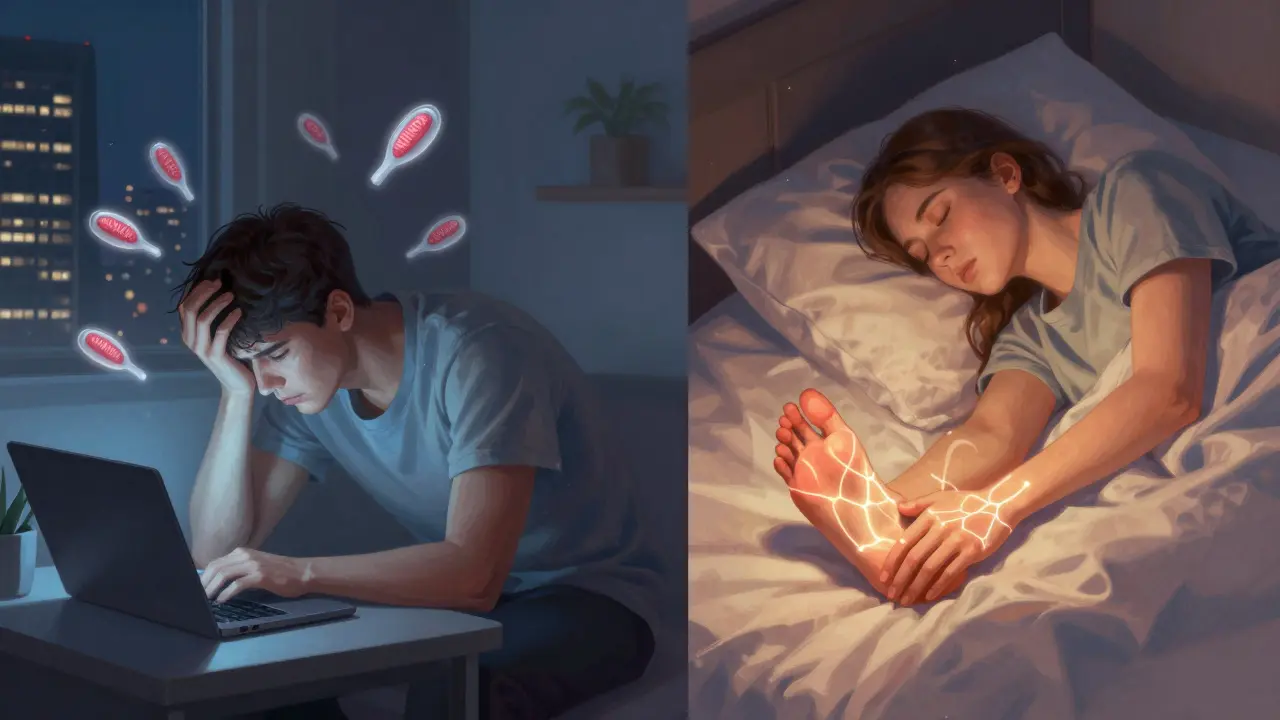
You might wonder: in the age of MRIs and gene therapy, why does this old practice still matter? Because stress is the silent killer. Modern life floods our bodies with cortisol. Reflexology doesn’t fight disease. It lowers the volume on stress signals. The pressure on the feet sends calming signals up the sciatic nerve to the brainstem, which then tells the rest of the body: “You’re safe now.” That’s neurophysiology, not mysticism.
It’s also accessible. You don’t need a clinic. You can do basic reflexology on yourself. Rub the ball of your foot for two minutes before bed. That’s the lung and chest zone. Do it daily, and you might notice fewer colds or less nighttime coughing. No side effects. No cost. Just pressure and patience.
What Science Says-And Doesn’t Say
Let’s be clear: reflexology won’t shrink tumors or reverse diabetes. But it doesn’t need to. Its power lies in symptom relief and quality-of-life improvement. A 2025 meta-analysis of 27 randomized trials concluded that reflexology significantly reduced anxiety in cancer patients undergoing chemotherapy. Another found it improved circulation in people with type 2 diabetes-enough to reduce numbness in the feet.
What’s missing? Large-scale studies on long-term outcomes. Most trials are small, short-term, or lack placebo controls. Critics say it’s a placebo. But here’s the thing: if a treatment reduces pain, lowers stress, and improves sleep-without drugs or side effects-it’s worth using, even if we don’t fully understand why.
Who Should Try It
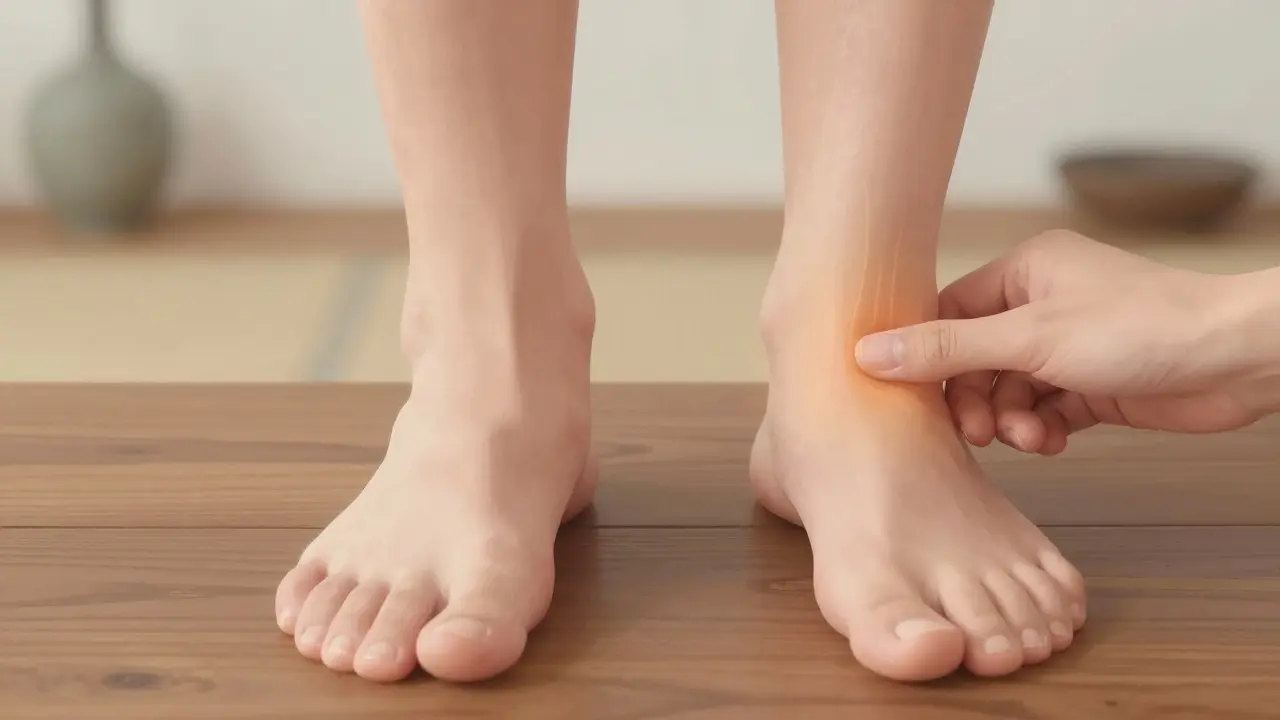
Reflexology is safe for almost everyone. Pregnant women use it to ease swelling and back pain. Athletes swear by it for recovery. People with fibromyalgia, migraines, or IBS often find relief. Even kids with autism have shown improved focus after regular sessions.
But skip it if you have: open wounds on your feet, deep vein thrombosis, severe gout, or a recent foot fracture. And if you have diabetes, check your feet daily-reflexology can increase blood flow, which is good, but you need to watch for unnoticed injuries.
What to Expect After a Session
Some people feel energized. Others feel sleepy. Both are normal. You might notice increased urination-your body is flushing out toxins. A mild headache or fatigue can happen the first time. That’s your system adjusting. Drink water. Rest. Don’t schedule a big meeting right after.
Most people feel the benefits after one session. But real change? That takes consistency. Like brushing your teeth, reflexology works best as a habit. Once a week for four weeks is the sweet spot. After that, monthly maintenance keeps things balanced.
Reflexology vs. Other Therapies
How does it stack up? Here’s a quick comparison:
| Feature | Reflexology | Foot Massage | Acupuncture |
|---|---|---|---|
| Focus | Reflex points linked to organs | Muscle relaxation | Energy meridians |
| Tools Used | Thumbs and fingers only | Hands, oils, rollers | Thin needles |
| Session Length | 45-60 minutes | 30-45 minutes | 30-60 minutes |
| Cost (Australia) | $60-$90 | $50-$80 | $80-$120 |
| Best For | Stress, digestion, hormonal balance | Tension, soreness, circulation | Chronic pain, nerve issues |
Reflexology sits between relaxation and targeted healing. It’s less invasive than acupuncture. More specific than a spa foot rub. And it’s the only one you can do yourself with zero equipment.
How to Find a Good Practitioner
Not all reflexologists are created equal. Look for someone certified by the Australian Reflexology Association or the International Institute of Reflexology. Ask if they’ve trained in the Ingham method-that’s the most widely studied and standardized approach. Avoid anyone who claims reflexology can cure cancer or replace medical treatment. Real practitioners know their limits.
Check reviews. Real ones mention specific results: “My migraines dropped from 5 a week to 1.” Not “I felt amazing.” Trust the details.
Try It Yourself-Simple Routine
You don’t need a pro to get started. Here’s a 10-minute routine you can do before bed:
- Sit comfortably, barefoot. Place one foot on your opposite knee.
- Use your thumb to press the ball of your foot (lungs/heart zone) for 30 seconds.
- Move to the arch (digestive organs)-press and roll slowly for 30 seconds.
- Press the inner edge of the foot (spine) from heel to toes-5 slow strokes.
- Rub the heel (pelvis/lower back) in small circles for 30 seconds.
- Repeat on the other foot.
Do this every night. In two weeks, you’ll notice your breathing feels deeper. Your shoulders won’t feel so tight. That’s reflexology working-not magic. Just biology.
Why This Isn’t Just Another Trend
Reflexology survived because it works. It doesn’t need fancy tech or expensive pills. It uses what we’ve always had: our hands, our bodies, and the ancient wisdom that connects them. In a world of overstimulation, it’s a quiet way to come back to yourself.
It’s not a cure-all. But it’s one of the few therapies that’s safe, cheap, and effective for the things that really matter: sleep, stress, and feeling human again.
Can reflexology help with anxiety?
Yes. Multiple studies show reflexology reduces cortisol levels and activates the parasympathetic nervous system-the body’s natural calm-down switch. A 2024 trial with 80 nurses found that weekly reflexology sessions cut anxiety scores by 52% over eight weeks.
Is reflexology the same as a foot massage?
No. A foot massage relaxes muscles and improves circulation. Reflexology targets specific nerve points linked to organs. It’s more precise and has documented effects on internal systems, not just surface tension.
How often should I get reflexology?
Start with once a week for four weeks to see results. Then switch to monthly for maintenance. People with chronic pain or stress may benefit from twice a month. Listen to your body-if you feel calmer and sleep better, you’re on the right track.
Can I do reflexology if I have flat feet?
Yes. Flat feet don’t interfere with reflexology. In fact, many people with flat feet report improved balance and reduced lower back pain after sessions. The reflex points are still there-they’re mapped by nerve pathways, not foot shape.
Does reflexology hurt?
It shouldn’t. Pressure should feel firm but not painful. If it hurts, tell the practitioner. Tender spots mean your body’s signaling imbalance, but pain means too much pressure. Good reflexology feels like a deep release, not a bruise.
Is reflexology covered by health insurance?
In Australia, some private health funds cover reflexology under ancillary or complementary therapy extras. Check your policy. Most require a certified practitioner and may limit the number of sessions per year.
Next Steps
If you’re curious, try the 10-minute self-routine tonight. Track how you feel after three nights. If you notice deeper sleep or less tension, consider a professional session. Don’t wait for pain to start. Use reflexology like a tune-up-before things break down.
It’s not about fixing what’s broken. It’s about keeping what’s whole, working.