How Aromatherapy Can Enhance Your Yoga Practice: Essential Oils for Focus, Calm & Energy
Ever tried to hold a challenging pose while your mind races with tomorrow’s to-do list? Or maybe you’ve sat down to meditate, only to feel like your thoughts are bouncing around the room like pinballs. You aren’t alone. The gap between physical movement and mental stillness is where most of us stumble in our yoga practice, which is a mind-body discipline combining physical postures, breathing exercises, and meditation. But what if there was a simple bridge to help you cross that gap? Enter aromatherapy.
Aromatherapy isn’t just about making your living room smell nice. It’s the science of using plant extracts-specifically essential oils-to support physical and psychological well-being. When you combine these potent botanical compounds with the intentional breathwork and movement of yoga, something interesting happens. Your nervous system gets a clear signal: it’s time to shift gears. Whether you need to calm anxiety before bed or spark focus during a morning vinyasa flow, the right scent can act as a trigger for your brain to enter the state you’re aiming for.
The Science Behind Scent and State
Before we pick up a bottle, it helps to understand why this works. It’s not magic; it’s biology. When you inhale an essential oil, the aromatic molecules travel through your nasal cavity and bind to olfactory receptors. These receptors send signals directly to the limbic system, which is the part of the brain responsible for emotions, memory, and physiological functions like heart rate and blood pressure.
This direct line to the limbic system is key. Unlike other senses, which route through the thalamus first, smell bypasses that filter. This means scents can influence your mood and stress levels almost instantly. In the context of yoga, where the goal is often to regulate the autonomic nervous system, aromatherapy acts as a powerful co-pilot. Studies have shown that specific terpenes-the chemical compounds in plants-can lower cortisol levels (the stress hormone) or increase alertness. By pairing a specific oil with a specific type of yoga session, you’re essentially conditioning your brain to associate that scent with a particular mental state.
Choosing the Right Oil for Your Practice
Not all essential oils do the same thing. Using a stimulating citrus oil during a restorative yin session might keep you awake, just as using a heavy sedative like valerian during a power flow could make you sluggish. To get the most out of your practice, match the oil to the intent of your session.
| Yoga Style / Intent | Recommended Oil | Key Benefit |
|---|---|---|
| Hatha or Restorative (Calm) | Lavender, which is an essential oil derived from Lavandula angustifolia flowers known for its calming properties. | Lowers heart rate, reduces anxiety |
| Vinyasa or Power Flow (Energy) | Peppermint, which is an essential oil from Mentha piperita leaves that provides a cooling, invigorating sensation. | Boosts alertness, clears sinuses |
| Meditation or Yin (Focus) | Frankincense, which is a resin-derived oil used historically in rituals to promote deep breathing and spiritual connection. | Deepens breath, promotes mindfulness |
| Backbends or Heart Openers (Emotional Release) | Bergamot | Elevates mood, relieves tension |
| Inversions or Grounding Poses (Stability) | Cedarwood | Promotes feelings of stability and security |
Lavender is the go-to for relaxation because of its high linalool content, which has been proven to reduce sympathetic nervous system activity. Peppermint, on the other hand, contains menthol, which creates a cooling effect and increases oxygen uptake, making it perfect for sweaty, dynamic flows. Frankincense is unique because it encourages slower, deeper breathing patterns, which is exactly what you want when trying to sit still for meditation.
Safety First: Dilution and Application
Here’s a hard truth: essential oils are potent. They are not perfumes, and they should never be applied directly to the skin without dilution. Pure essential oils can cause severe irritation, burns, or allergic reactions. Always mix them with a carrier oil like jojoba, sweet almond, or fractionated coconut oil. A safe general rule for topical application is a 1-2% dilution ratio. That’s about 1-2 drops of essential oil per teaspoon of carrier oil.
If you have asthma, epilepsy, or are pregnant, consult a healthcare provider before using any essential oils. Some oils, like eucalyptus and rosemary, can trigger seizures in people with epilepsy or affect blood pressure. Cats and dogs are also sensitive to certain oils, so if you practice at home with pets, ensure they can leave the room or use diffusion methods that don’t saturate the air.
Practical Ways to Integrate Aromatherapy into Yoga
You don’t need an expensive setup to start. Here are three simple ways to bring scent into your mat time:
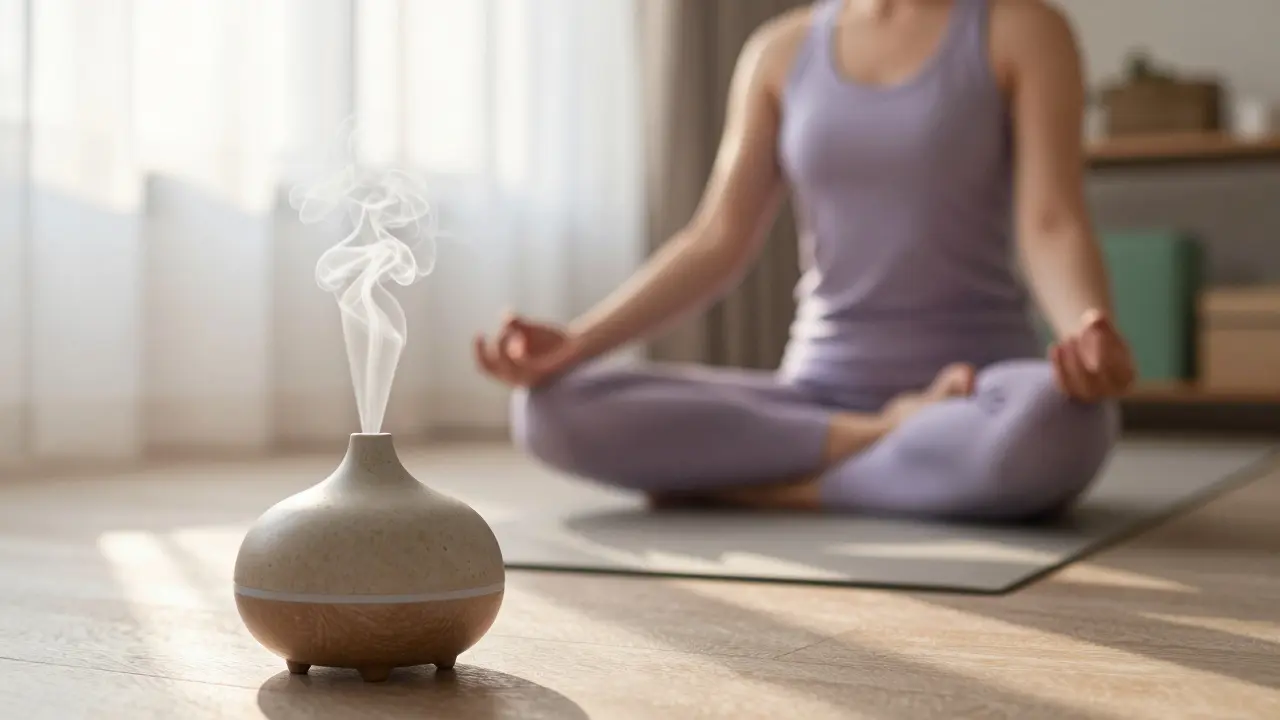
- The Diffuser Method: If you have a home diffuser, run it 10 minutes before your practice starts. This allows the room to fill with the aroma, creating an immersive environment. For a 60-minute session, a continuous low mist is usually sufficient.
- The Pulse Point Trick: Mix one drop of your chosen oil with a bit of carrier oil and dab it behind your ears or on your wrists. As you move through poses, your body heat will gently release the scent. This is great for personal, portable sessions where a diffuser isn’t an option.
- The Towel Technique: Place a drop of undiluted essential oil on a small towel or cloth near your mat. Don’t touch it with your skin; just let it sit nearby. As you breathe deeply during Savasana or seated forward folds, you’ll catch whiffs of the aroma without overwhelming your senses.
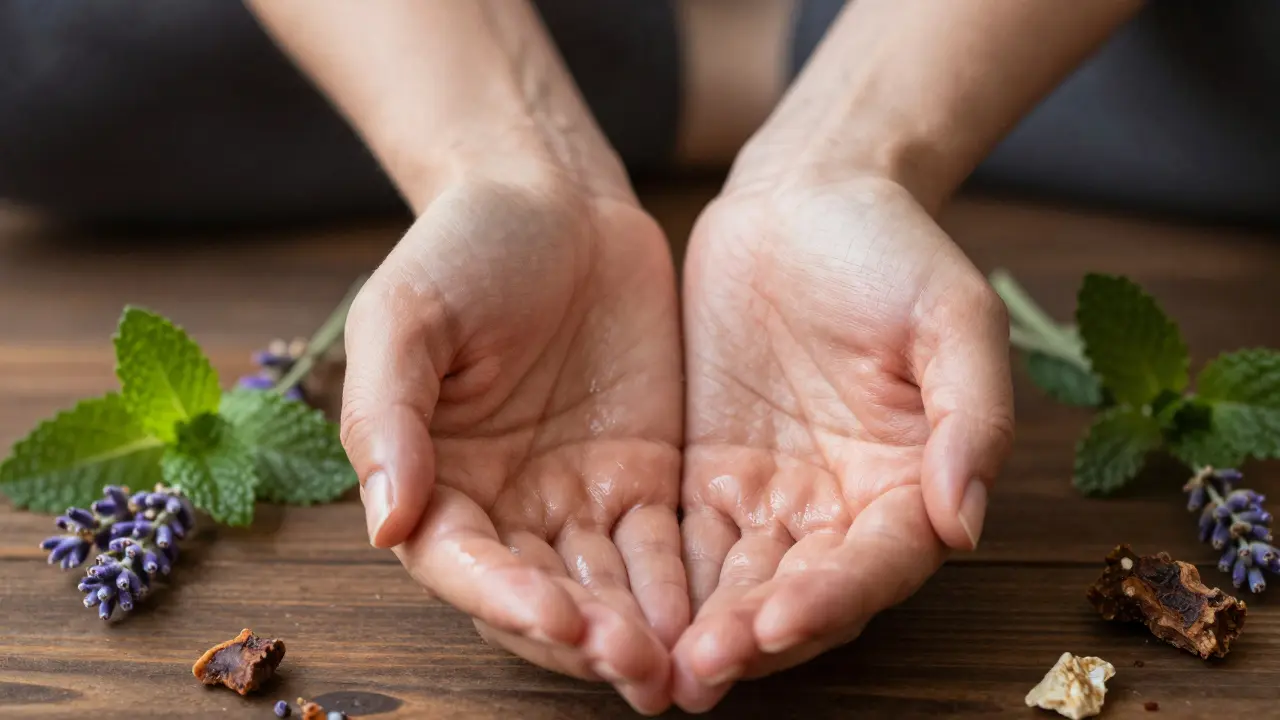
For those who prefer tactile feedback, consider adding a drop of oil to your hands during self-massage before class. Rubbing warm oil into your palms and then pressing them together over your heart center (Anahata chakra) can create a strong sensory anchor for intention-setting.
Creating a Ritual: From Setup to Savasana
Yoga is as much about ritual as it is about exercise. Aromatherapy enhances this by adding a sensory layer to your routine. Start by cleaning your space. Then, choose your oil based on how you want to feel. If you’re stressed from work, reach for lavender or chamomile. If you’re feeling lethargic, grab lemon or grapefruit.
As you begin your warm-up, take five deep breaths, focusing entirely on the scent. Notice how it affects your jaw, your shoulders, your stomach. Does it tighten or soften? Use this awareness to guide your movement. During your peak poses, if your mind wanders, return to the scent. Let it be your anchor. Finally, in Savasana, allow the residual aroma to wash over you as you relax. This consistent pairing helps train your brain to recognize the transition from "daily life mode" to "yoga mode" faster over time.

Common Mistakes to Avoid
One common error is using too much oil. Less is more in aromatherapy. Overpowering scents can lead to headaches, nausea, or distraction, which defeats the purpose of a mindful practice. Another mistake is mixing incompatible oils randomly. While experimentation is fun, sticking to single notes or well-known blends (like lavender and bergamot) ensures predictable results. Also, avoid applying oils to your face during hot yoga, as sweat can carry the oil into your eyes, causing significant pain and irritation.
FAQ
Can I use essential oils in a public yoga studio?
It depends on the studio's policy. Many studios prohibit strong scents due to allergies and sensitivities among students. If allowed, use the pulse point method discreetly rather than a diffuser. Always ask the instructor beforehand to respect others' comfort levels.
Which essential oil is best for sleep after evening yoga?
Lavender, Roman Chamomile, and Vetiver are excellent choices for promoting sleep. Lavender is widely studied for its ability to improve sleep quality. Apply a diluted blend to your temples or feet before bed, or diffuse it in your bedroom after your practice ends.
Do essential oils expire?
Yes, they do. Citrus oils tend to oxidize quickly and may last only 1-2 years. Resins like frankincense and myrrh can last indefinitely if stored properly. Woody oils like cedarwood typically last 3-4 years. Store oils in dark glass bottles away from heat and light to extend their shelf life.
Is it safe to ingest essential oils during yoga?
No, ingestion of essential oils is generally not recommended unless under the strict supervision of a qualified healthcare professional. Internal use can be dangerous and cause toxicity. Stick to inhalation and topical application (properly diluted) for yoga practices.
How many drops of essential oil should I use in a diffuser?
Start with 3-5 drops for a standard-sized room. You can always add more, but you cannot remove excess scent. For smaller spaces or sensitive individuals, 1-2 drops may be sufficient. Follow the manufacturer's instructions for your specific diffuser model.