Why Thai Massage Is Your Best Bet for Deep Relaxation and Flexibility
Have you ever left a spa feeling like you were floating on air, only to realize your muscles are still tight an hour later? That’s often the result of standard Swedish massages. They’re lovely, sure, but they mostly scratch the surface. If you’re looking for something that actually resets your body from the inside out, Thai massage is likely your best bet. It’s not just a treatment; it’s a full-body workout that happens while you lie down.
I’ve spent years exploring different wellness practices in Melbourne, from high-end spas to quiet neighborhood clinics. While many treatments offer temporary relief, Thai massage stands out because it combines acupressure, Indian Ayurvedic principles, and assisted yoga postures. The result? A deep release of tension that lasts days, not just minutes. But what makes it so effective, and is it right for you?
The Ancient Roots of Thai Massage
To understand why this practice works so well, you have to look at where it comes from. Thai massage, known locally as Nuad Boran, which translates to "ancient massage", dates back over 2,500 years. It was influenced by Jivaka Kumar Bhaccha, who served as the personal physician to Buddha. He blended Indian Ayurvedic medicine with Chinese meridian theory to create a unique healing system.
In 2019, UNESCO recognized Thai massage as an Intangible Cultural Heritage. This isn’t just a badge of honor; it highlights the technique’s precision and cultural significance. Unlike modern spa trends that change every few years, the core principles of Thai massage remain rooted in tradition. Practitioners focus on balancing the body’s energy flow rather than just manipulating muscle tissue. This historical depth means you’re getting a time-tested method, not a gimmick.
How It Works: The Science Behind the Stretch
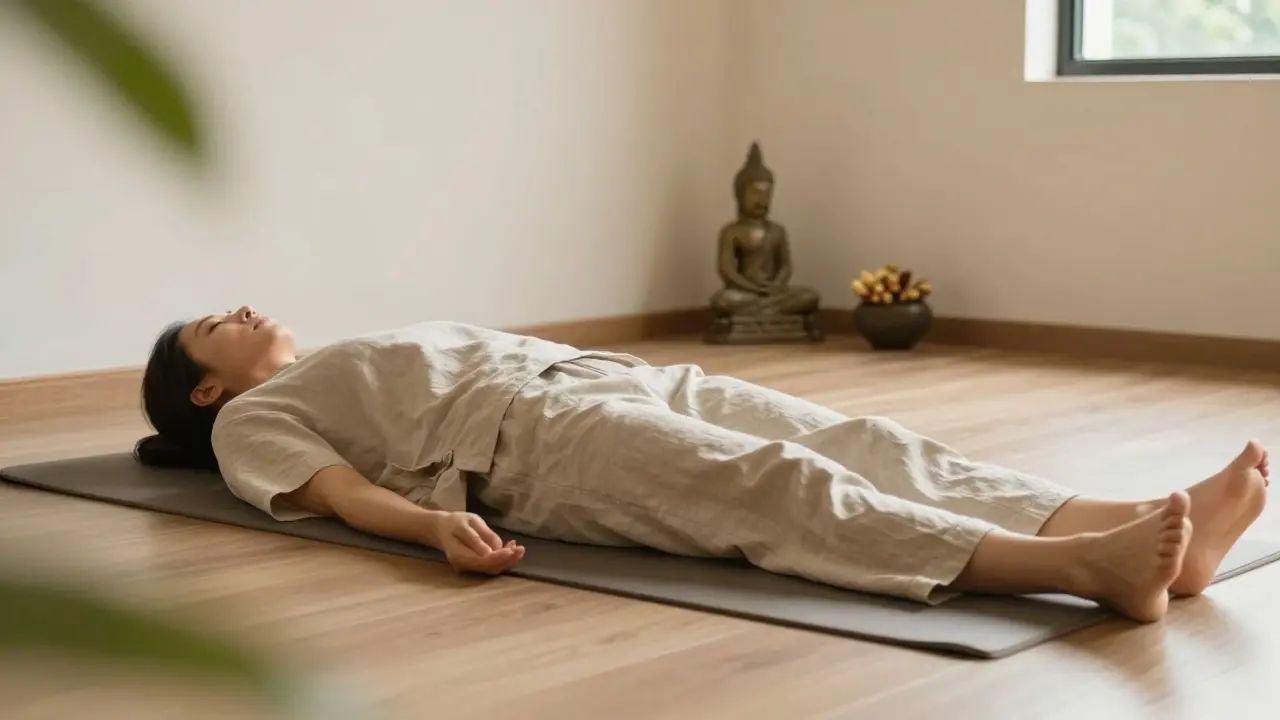
If you picture a typical massage, you might imagine someone lying face down while oils are rubbed into their skin. Thai massage is completely different. You stay fully clothed in comfortable, loose-fitting attire. The therapist uses their hands, thumbs, elbows, knees, and even feet to apply pressure along specific energy lines called Sen lines.
These Sen lines are similar to meridians in Traditional Chinese Medicine. There are ten primary Sen lines running vertically through the body. When these lines are blocked or congested, it leads to pain, stiffness, and fatigue. The therapist works to clear these blockages using rhythmic compression and stretching. Think of it as passive yoga. The practitioner guides your body into various poses-some gentle, some quite intense-to open up joints and increase range of motion.
| Feature | Thai Massage | Swedish Massage |
|---|---|---|
| Clothing | Fully clothed (loose fit) | Nude or draped with sheets |
| Medium | Dry (no oils) | Oil or lotion based |
| Technique | Stretching, acupressure, rocking | Effleurage, petrissage, tapping |
| Primary Goal | Energy balance & flexibility | Muscle relaxation & circulation |
| Intensity | Can be vigorous | Gentle to moderate |
This structural difference is crucial. Because there are no oils involved, the friction between your clothes and the mat allows the therapist to grip and pull effectively. This enables deeper stretches that oil-based massages simply cannot achieve. For someone sitting at a desk all day, this active engagement with your body’s structure provides immediate relief for stiff hips and shoulders.
Key Benefits Beyond Simple Relaxation
Most people book a massage to relax, and Thai massage certainly delivers on that front. However, its benefits extend far beyond stress reduction. Here is what you can realistically expect after a session:
- Improved Flexibility: The assisted yoga postures lengthen muscles and connective tissues. Regular sessions can significantly improve your range of motion, making daily movements easier.
- Better Circulation: The rhythmic compression pushes blood and lymph fluid through the body. This helps remove toxins and reduces swelling, leaving you feeling lighter.
- Pain Relief: By targeting trigger points and releasing tension in the fascia, Thai massage can alleviate chronic back pain, neck stiffness, and headaches.
- Enhanced Energy Levels: Unlike a heavy Swedish massage that might leave you sleepy, Thai massage often leaves you energized. Clearing the Sen lines boosts vitality throughout the day.
- Stress Reduction: The combination of physical release and mindful breathing lowers cortisol levels, promoting a state of calm alertness.
One study published in the *Journal of Bodywork and Movement Therapies* found that participants who received Thai massage reported significant reductions in anxiety and depression scores compared to those who did not receive any treatment. While more research is always welcome, the anecdotal evidence from practitioners and clients alike is overwhelmingly positive.
What to Expect During Your Session
If you’ve never tried Thai massage, the experience can feel unfamiliar at first. Here’s a step-by-step breakdown of what usually happens:
- Consultation: Before you start, the therapist will ask about your health history, any injuries, and areas of tension. This is vital for customizing the pressure and stretches.
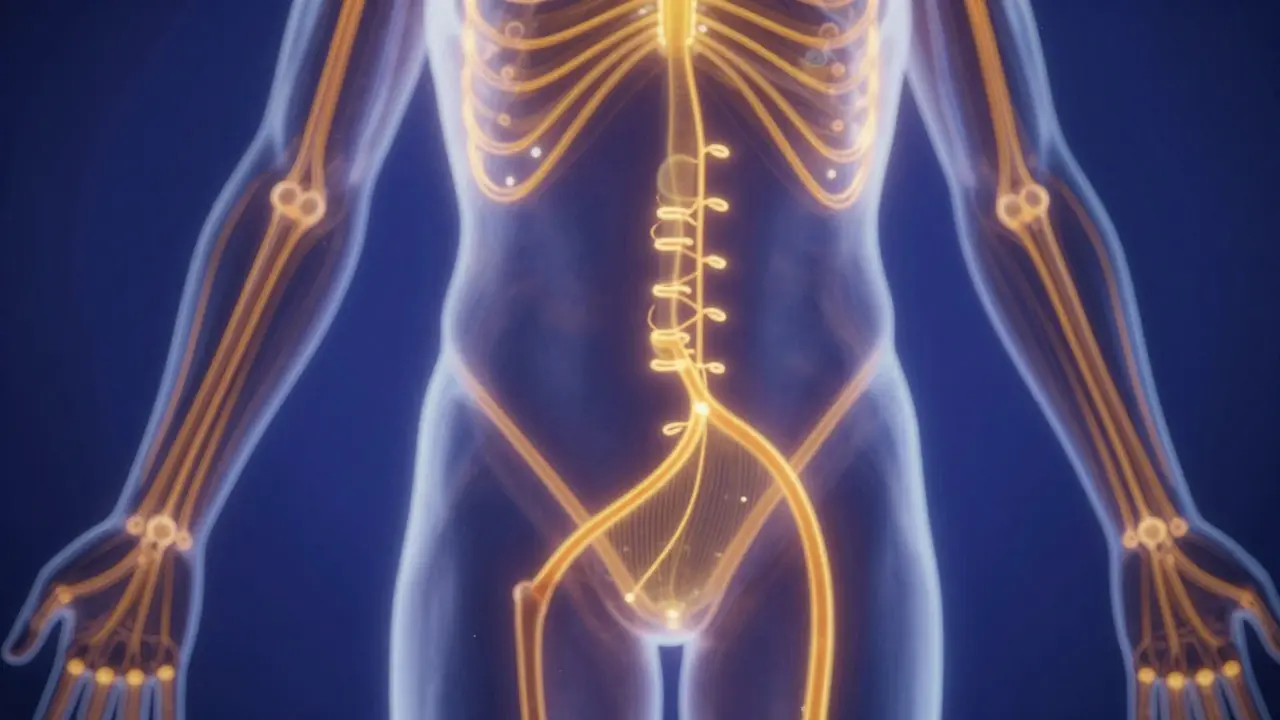
- Positioning: You’ll lie on a firm mat on the floor. Starting on your back, the therapist begins with gentle stretches and compressions on your legs and arms.
- Progression: As the session moves forward, you may roll onto your side or stomach. The intensity gradually increases. The therapist might use their knees to press into your back or their feet to stretch your hamstrings.
- Communication: This is key. If a stretch feels too sharp or painful, speak up. Thai massage should feel like a "good hurt"-a deep release-not acute pain. Good therapists want feedback to adjust their technique.
- Closing: The session typically ends with gentle rocking and light pressure on the head and face to ground your energy before you sit up.
A standard session lasts 60 to 120 minutes. I recommend starting with 90 minutes if you’re new to it. This gives enough time for the therapist to work through all the major Sen lines without rushing.
Who Should Avoid Thai Massage?
While Thai massage is beneficial for most people, it’s not suitable for everyone. Due to its physical nature, certain conditions require caution or avoidance:
- Recent Surgery or Injury: Acute fractures, sprains, or recent surgical sites need time to heal. Pressure or stretching could disrupt recovery.
- Pregnancy: While prenatal massage exists, traditional Thai massage involves positions and pressures that may not be safe during pregnancy. Always consult a specialist trained in prenatal care.
- Severe Osteoporosis: The leverage used in stretching can pose a risk to brittle bones. Gentle modifications might be possible, but professional advice is essential.
- High Blood Pressure or Heart Conditions: The inversions and vigorous movements can affect blood pressure. Medical clearance is recommended.
- Skin Infections or Open Wounds: Since you remain clothed, minor issues might be overlooked, but direct contact with infected areas should be avoided.
Always be honest with your therapist about your health status. A reputable practitioner will know when to modify techniques or advise against a session entirely.
Finding a Qualified Practitioner
Not all "Thai massages" are created equal. With the rise of wellness tourism, many untrained individuals offer services under this name. To ensure you get the authentic experience and avoid injury, look for these credentials:
- Certification: Look for training from recognized institutions like Wat Pho in Bangkok or accredited schools in your country. In Australia, check if they are registered with the Australian Natural Therapists Association (ANTA) or similar bodies.
- Experience: Ask how long they’ve been practicing. Thai massage requires strength and skill. An experienced therapist knows how to use their body weight efficiently rather than brute force.
- Environment: Authentic Thai massage is often performed in a calm, minimalist space. While luxury spas offer great amenities, the focus should be on the therapy, not the decor.
- Consultation Quality: A good therapist will spend time understanding your needs before touching you. If they rush straight into the treatment without asking questions, proceed with caution.
In Melbourne, you’ll find a mix of traditional clinics and modern wellness centers. Don’t hesitate to call ahead and ask about their training background. Investing in a skilled practitioner ensures you get the maximum benefit from your session.
Tips for Maximizing Your Experience
To get the most out of your Thai massage, preparation matters. Here are a few practical tips:
- Wear Comfortable Clothes: Choose loose, stretchy fabrics. Avoid jeans or restrictive clothing. Many clinics provide outfits, but bringing your own ensures a perfect fit.
- Hydrate: Drink plenty of water before and after your session. The movement of fluids and toxins through your body requires hydration to flush them out effectively.
- Arrive Early: Give yourself 10-15 minutes to settle in. Rushing into a session adds stress. Take a few deep breaths to transition from your busy day to a state of relaxation.
- Communicate Clearly: Use simple words like "lighter," "deeper," or "stop." Your therapist relies on your feedback to tailor the treatment. Silence doesn’t mean everything is fine; it might mean you’re holding your breath.
- Rest Afterward: Avoid scheduling heavy activities immediately after your massage. Allow your body to integrate the changes. A short walk or quiet time is ideal.
Think of Thai massage as an investment in your body’s longevity. It’s not just about feeling good today; it’s about maintaining mobility and energy for years to come. Whether you’re an athlete, an office worker, or someone dealing with chronic pain, this ancient practice offers a holistic approach to well-being that few other therapies can match.
Does Thai massage hurt?
Thai massage can feel intense, especially if you are tight or new to the practice. You may experience discomfort during deep stretches or pressure point work, but it should not be sharp or unbearable pain. Communicate with your therapist to adjust the pressure. The sensation is often described as a "good hurt" that releases tension.
Do I need to take off my clothes for Thai massage?
No, you remain fully clothed during Thai massage. Wear loose, comfortable clothing that allows for easy movement. Some clinics provide traditional Thai outfits or yoga-style wear if you prefer. The dry technique relies on friction between your clothes and the mat for traction.
How often should I get a Thai massage?
For general maintenance and relaxation, once a month is sufficient. If you are dealing with chronic pain, stiffness, or high stress, weekly or bi-weekly sessions may be more beneficial. Listen to your body and adjust frequency based on your needs and budget.
Is Thai massage better than Swedish massage?
It depends on your goals. Swedish massage is gentler and focuses on relaxation and surface-level muscle tension. Thai massage is more active, focusing on energy flow, flexibility, and deeper structural alignment. If you want to sleep deeply afterward, choose Swedish. If you want to feel energized and mobile, choose Thai.
Can Thai massage help with back pain?
Yes, Thai massage is highly effective for back pain. The combination of stretching and acupressure helps release tight muscles, improve posture, and restore mobility in the spine. However, if you have acute injuries or severe conditions, consult a healthcare provider before starting treatment.