The Ultimate Hammam Guide: Benefits, Rituals, and Eastern Wellness Secrets
Quick Takeaways for Your First Visit
- Deep Detox: The intense heat and steam open pores, releasing trapped toxins.
- Skin Renewal: The famous Kessa glove exfoliation removes layers of dead skin you didn't know you had.
- Mental Reset: The slow pace and sensory experience lower cortisol and induce deep relaxation.
- Social Tradition: Historically, these were community hubs for news and networking.
The Architecture of Heat: How a Hammam Works
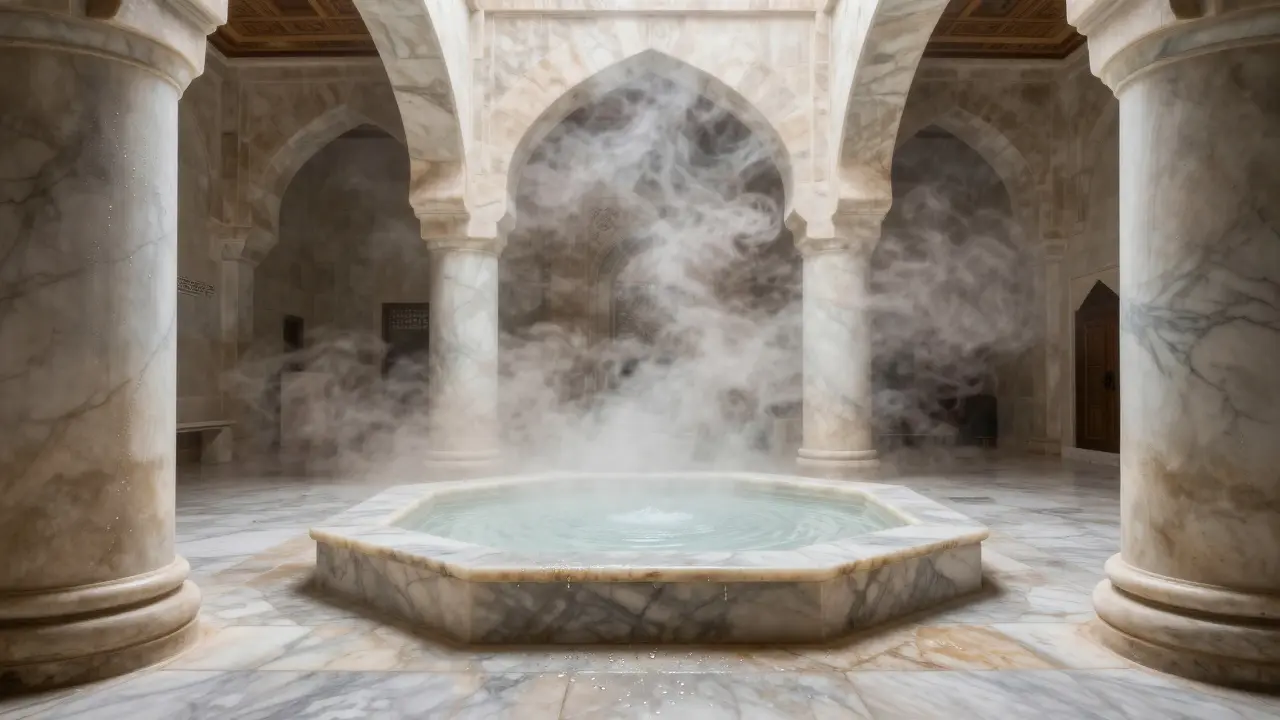
You can't understand the experience without understanding the space. A traditional Turkish Bath isn't one room; it's a sequence of temperature zones. You start in the warm room, which lets your body acclimate. Then, you move to the hot room, featuring a massive, heated marble slab called a Göbek Taşı. This central stone is where the magic happens, as the heat radiates from beneath you, warming your internal organs and starting the sweating process.
The final stage is the cool room, where you rehydrate and let your heart rate settle. This transition-from warm to hot to cool-acts as a vascular gym, forcing your blood vessels to dilate and constrict, which improves circulation and wakes up your immune system. If you've ever felt sluggish after a long flight or a stressful month at work, this thermal cycling is exactly what your body craves.
The Ritual: From Black Soap to Kessa Gloves
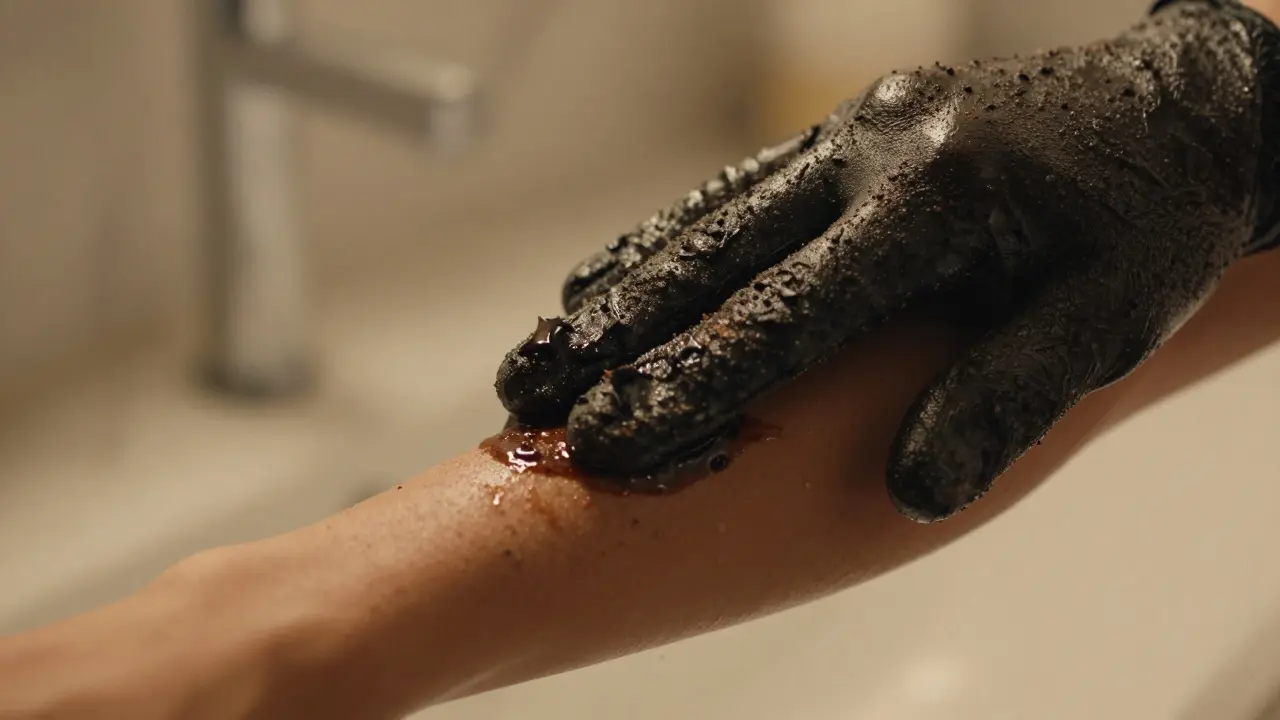
If you just sit in the steam, you're missing the best part. The core of the Hammam experience is the scrub. It begins with the application of Savon Noir, which is a traditional Moroccan black soap made from saponified olive oil and eucalyptus oil. Unlike commercial soaps, this isn't meant to create a bubble bath; it's a thick paste that softens the skin and prepares it for exfoliation.
Once you've sweated for about 15 to 20 minutes, a therapist uses a Kessa Glove. This is a coarse, textured mitt used to vigorously scrub the skin. If you've never had one, be prepared: you will see rolls of dead skin literally peeling off your body. It looks intense, but it's incredibly satisfying. This process, known as deep exfoliation, clears the pores and stimulates the lymphatic system, which helps your body flush out waste more efficiently.
| Feature | Hammam | Finnish Sauna | Steam Room |
|---|---|---|---|
| Heat Type | Moist/Radiant | Dry Heat | High Humidity |
| Primary Goal | Cleansing & Ritual | Heat Endurance | Respiratory Relief |
| Key Tool | Kessa Glove | Vihta/Whisk | Scented Eucalyptus |
| Social Aspect | High (Community) | Moderate | Low (Private) |
Why Your Skin Needs This More Than a Facial
Most of us spend a fortune on chemical exfoliants like AHAs or BHAs. While those work, they don't compare to the physical sweep of a Hammam. By removing the top layer of dead skin cells, you're not just making your skin smoother; you're increasing the absorption rate of whatever you put on your skin afterward. If you apply a high-quality body oil or moisturizer after a scrub, it penetrates deeper because the barrier of dead skin is gone.
Beyond the glow, there's a biological benefit. The intense heat triggers the release of Endorphins, the body's natural feel-good chemicals. Combined with the rhythmic nature of the scrubbing, many people report a state of "sensory deprivation" where the external world disappears. It's a physical detox that triggers a mental purge.
Common Pitfalls to Avoid During Your Visit
To get the most out of your journey, avoid a few common mistakes. First, don't overdo it. It's tempting to stay on the hot marble for an hour, but heat exhaustion is real. If you feel dizzy, move to the cool room immediately. Second, hydrate more than you think you need to. You lose a massive amount of minerals through sweat in a Hammam, so drink water with a pinch of sea salt or a coconut water before and after.
Another tip: don't shave your legs or arms immediately before your appointment. The Kessa glove is abrasive; if you've just shaved, the friction can cause micro-cuts or extreme irritation. Give your skin 24 to 48 hours to recover before the scrub. Finally, embrace the vulnerability. Hammams are about stripping away the ego. Whether you're wrapped in a traditional pestemal towel or using a modern robe, the goal is to feel raw and renewed.
The Modern Evolution of Eastern Wellness
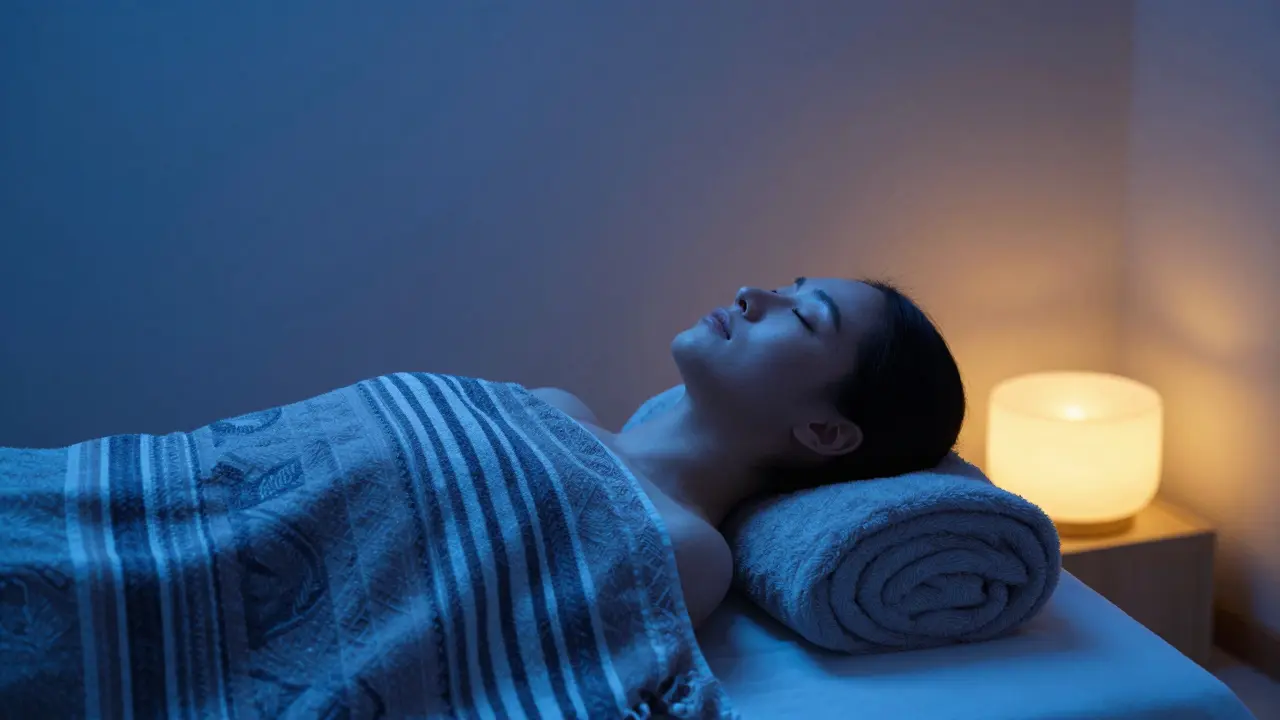
You don't have to fly to Istanbul or Marrakech to experience this. Modern wellness centers have adapted the Thermal Circuit-a series of temperature changes-into luxury urban retreats. While the setting might be a high-end hotel in London or New York rather than a historic stone bathhouse, the core principles remain the same: heat, steam, exfoliation, and rest.
Integrating these practices into a monthly routine can significantly impact your sleep quality. The drop in body temperature that happens after you leave a hot Hammam mimics the natural cooling process your body goes through before sleep, which can trigger a deeper, more restorative REM cycle. It's not just a luxury; it's a biological hack for better rest.
Is a Hammam safe for people with high blood pressure?
Generally, people with hypertension should be cautious. The intense heat causes vasodilation, which can drop blood pressure quickly or put stress on the heart. It is essential to consult a doctor first and avoid the hottest zones if you feel lightheaded.
How often should I get a professional Hammam scrub?
Because it is a deep exfoliation, once a month is typically ideal for most skin types. Over-scrubbing can damage the skin barrier, leading to sensitivity and dryness. Listen to your skin; if it feels tight or red, wait longer between sessions.
What is the difference between a Turkish Bath and a Moroccan Bath?
While similar, the Turkish style often focuses more on the heat and the social atmosphere of the marble slab. The Moroccan style is more focused on the skin treatment, emphasizing the use of black soap and the intense Kessa glove scrub to achieve a "new skin" feeling.
Do I need to bring my own supplies?
Most authentic Hammams provide the pestemal (thin towel), savon noir, and Kessa gloves. However, it's always a good idea to bring your own high-quality moisturizer or body oil to apply after the session while your pores are still open.
Can I use a Hammam if I have sensitive skin?
Yes, but you must communicate this to your therapist. They can use a softer glove or reduce the pressure of the scrub. Avoid any harsh chemicals or retinols on your skin for 3 days before your visit to prevent chemical burns or extreme irritation.
Next Steps for Your Wellness Journey
If you're new to this, start by finding a certified wellness center that uses authentic materials. If you're an experienced spa-goer, try incorporating a contrast shower (alternating hot and cold water) at home to maintain the circulatory benefits between your professional visits. For those looking for a deeper spiritual connection, combine your Hammam visit with a period of mindfulness or meditation in the cool-down room to fully integrate the physical and mental benefits.