The Rungu: Exploring Its Roots and Meaning
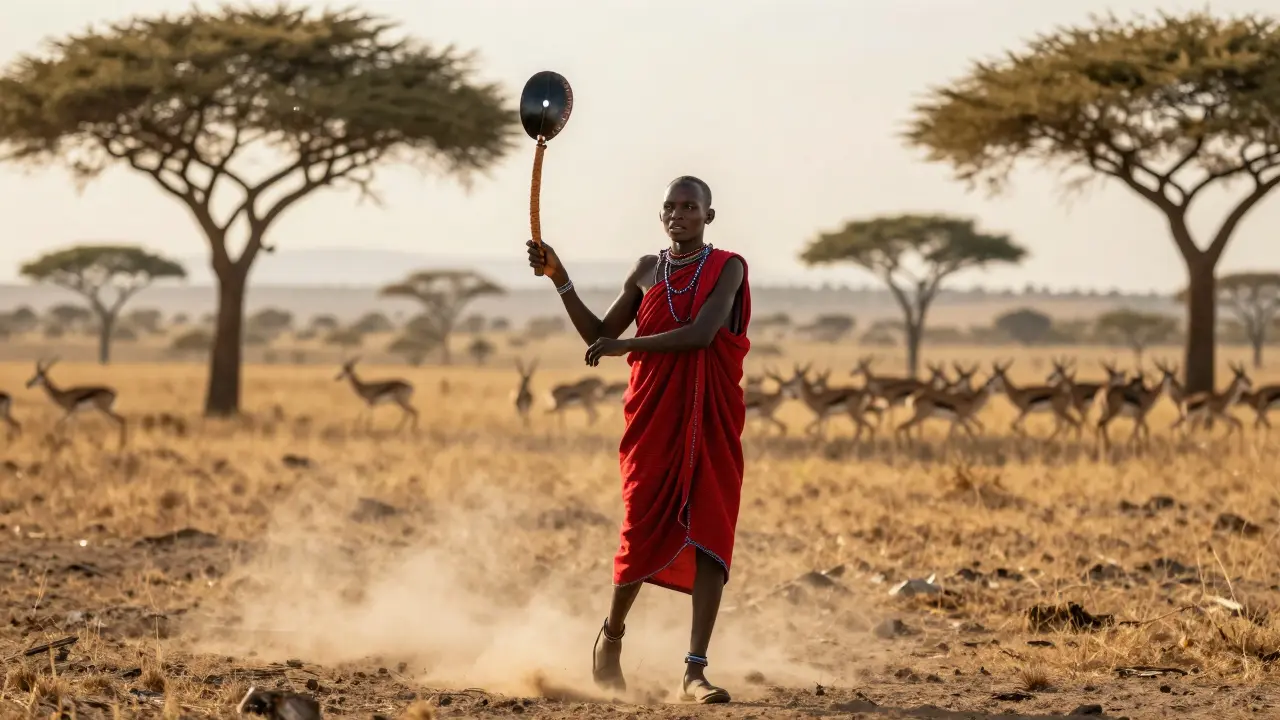
The Rungu is a traditional wooden club used by the Maasai people of East Africa, primarily in Kenya and Tanzania. Also known as a throwing club or war club, it’s more than just a weapon-it’s a symbol of identity, skill, and heritage.
What Exactly Is a Rungu?
A rungu is typically made from dense hardwood like ebony or acacia. It’s about 12 to 18 inches long, with a thick, rounded head at one end and a tapered handle. The head is often polished smooth from years of use, and some are carved with patterns or wrapped in leather for grip. Unlike a typical club, the rungu is designed to be thrown with precision. Its shape lets it spin through the air, making it deadly accurate at short to medium range.
Young Maasai warriors, or morans, train for years to master the rungu. They practice from childhood, learning to strike targets, throw while running, and even catch a returning rungu mid-air. It’s not just about strength-it’s about timing, balance, and muscle memory. A skilled warrior can hit a moving target, like a running antelope, with startling accuracy.
Origins and Historical Use
The rungu dates back centuries, long before colonial borders divided East Africa. It was developed by pastoralist communities who needed tools for defense, hunting, and herding. Lions, hyenas, and rogue cattle were real threats to livestock. A rungu gave a warrior a way to defend his herd without needing a firearm.
Historical accounts from 19th-century explorers like Richard Burton and John Hanning Speke mention the rungu as a common weapon among the Maasai. They noted how warriors carried multiple rungus, often slung over their shoulders alongside spears. In battle, the rungu was used to stun or disable enemies before closing in with a spear. It was also used in ritual duels between young men to prove courage and skill.
Unlike the spear, which required close combat, the rungu allowed for distance. This made it ideal in the open savannah, where visibility was high and ambushes rare. Its simplicity meant it could be made from any sturdy branch, and every warrior carried at least one.
Cultural Significance Beyond Warfare
Today, the rungu is rarely used as a weapon. But it hasn’t disappeared-it’s evolved. In modern Maasai society, it’s a marker of manhood. When a boy becomes a moran, he receives his first rungu in a ceremony. He carries it at all times, even during dances and social gatherings.
The rungu is also part of courtship. A young man might throw his rungu near a woman he admires-not to harm, but to show his skill. If she notices and smiles, it’s a sign of interest. In some communities, a rungu is given as a gift during engagement or marriage.
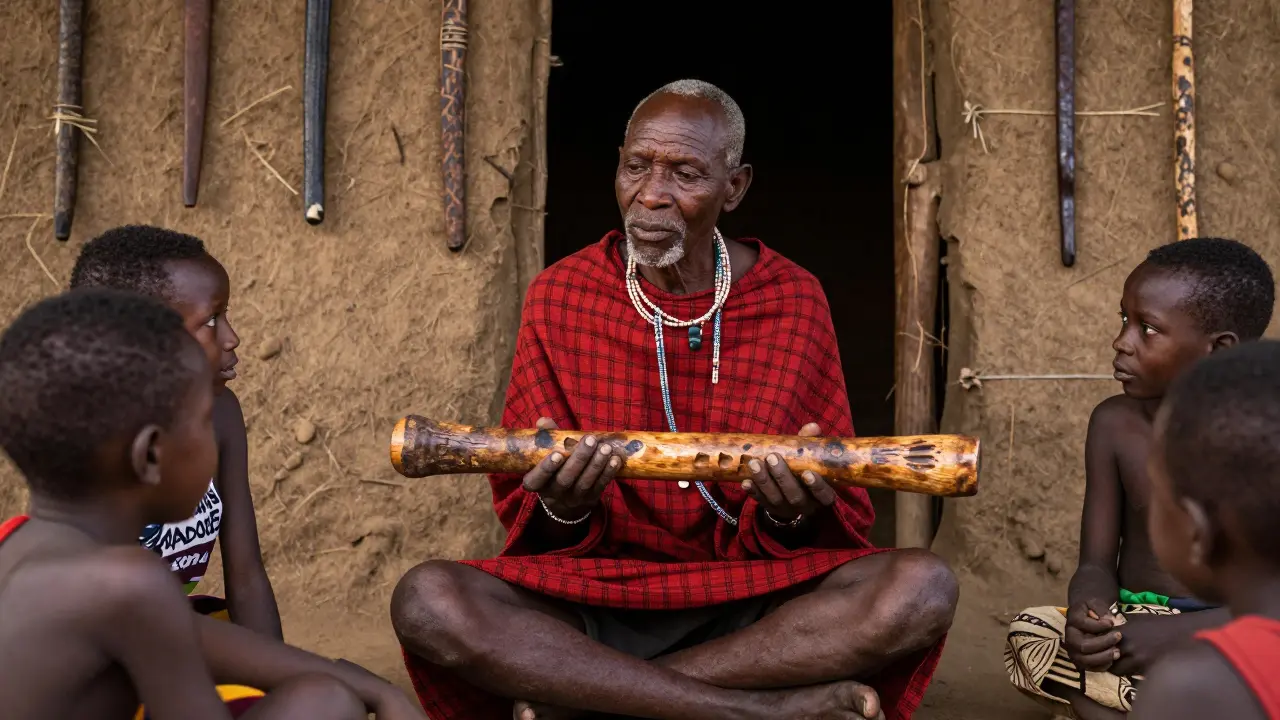
It’s common to see elders holding rungus during storytelling sessions. The club becomes a prop, a tool to emphasize points, to mimic the swing of a warrior or the flight of a thrown club. It’s a living memory, passed down through generations.
Modern Symbolism and Misconceptions
Outside East Africa, the rungu is often mistaken for a primitive tool or a tourist souvenir. Some vendors sell cheap, mass-produced versions made from plastic or softwood, calling them “African war clubs.” These lack the weight, balance, and craftsmanship of the real thing.
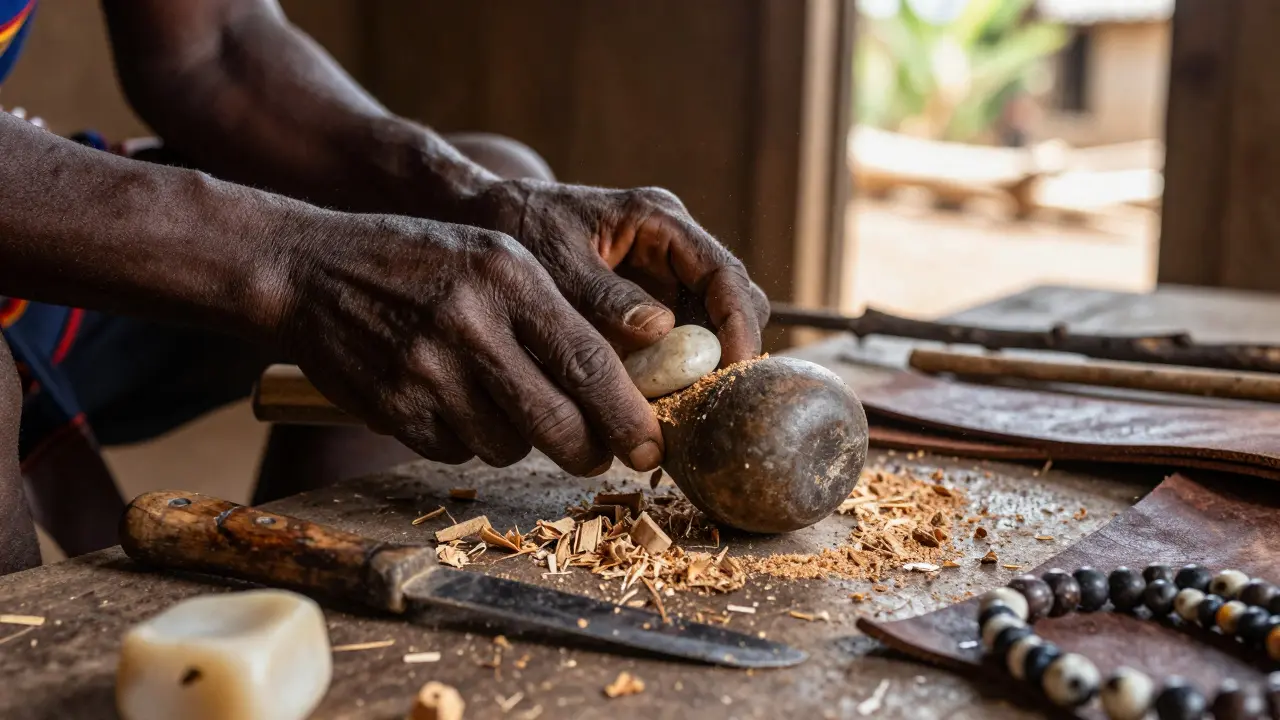
The real rungu is not a relic. It’s still made by hand. Artisans in villages near Nairobi and Arusha carve them from salvaged hardwood, often using the same tools their grandfathers used. Each one is unique. Some have small notches carved into the handle to mark the number of lions a warrior has driven off. Others are painted with natural pigments for ceremonial use.
There’s also a growing movement to preserve the rungu as cultural heritage. In 2021, the Kenyan government included the Maasai rungu in its National Cultural Inventory. This means it’s now protected under heritage law-no export without documentation, no fake versions sold as authentic.
How It’s Made
The process of making a rungu is slow and deliberate. It starts with selecting the right tree. The wood must be dense enough to survive impact but not so heavy it’s unwieldy. Ebony is prized, but it’s rare. Most modern rungus use acacia or olive wood, which are more abundant.
The branch is cut during the dry season, when sap is low. It’s then stripped of bark and left to cure for six to eight weeks. After curing, it’s shaped with a knife and sanded with smooth stones or sandpaper. The head is rounded by hand, then polished with animal fat or beeswax. Some are decorated with beads or leather wraps, especially those made for ceremonies.
There’s no machine-made rungu that feels right. The weight, the curve, the balance-all come from the maker’s hands. A well-made rungu can last a lifetime. Some families still have rungus passed down from great-grandfathers, their surfaces worn smooth by generations of use.
Where You’ll See It Today
Visit a Maasai village, and you’ll see rungus everywhere. In markets, they’re sold as souvenirs. In cultural shows, they’re used in demonstrations. In homes, they hang above doorways as symbols of protection.
Even in cities, you’ll find them. In Nairobi, Maasai men carry them to work, tucked under their arms like briefcases. In Tanzania, they’re part of traditional dances performed for tourists-but the skill is real. The spin, the release, the follow-through-it’s all practiced daily.
Some elders still keep rungus by their beds. Not for fear of attack, but because they believe the club carries ancestral energy. It’s a reminder of who they are, where they came from, and what their people endured.
Why the Rungu Matters
The rungu isn’t just a weapon. It’s a story. It’s a rite of passage. It’s a connection to land, to ancestors, to a way of life that still exists-not in museums, but in villages, in dances, in the hands of young men learning to throw.
It teaches patience. You can’t rush a rungu. You can’t buy one and suddenly become skilled. It demands repetition, respect, and time.
And in a world that moves too fast, the rungu reminds us that some things are meant to be held, not replaced.
Is the rungu still used as a weapon today?
In everyday life, the rungu is rarely used as a weapon. Modern policing and firearms have replaced its practical role in defense. However, in remote Maasai communities, it’s still carried for protection against wildlife, especially lions and hyenas that threaten livestock. It’s also used in ceremonial duels and demonstrations of skill.
Can anyone buy a real rungu?
Yes, authentic rungus are sold in local markets in Kenya and Tanzania, particularly in towns like Nairobi, Arusha, and Mombasa. Look for ones made from dense hardwood, with smooth carving and natural polish. Avoid plastic or painted imitations. Some artisans sell directly through cultural cooperatives. Buying one supports local craftsmanship and helps preserve the tradition.
What’s the difference between a rungu and a knobkerrie?
The rungu and knobkerrie are very similar, both being African throwing clubs. The main difference is regional. "Rungu" is used by the Maasai and related East African groups. "Knobkerrie" is the term used by Zulu and other Southern African peoples. Knobkerries tend to be heavier and more blunt, while rungus are lighter and more aerodynamic for throwing. The design reflects different combat styles and environments.
Are rungus legal to own outside Africa?
In most countries, owning a rungu is legal as a cultural artifact or decorative item. However, exporting one from Kenya or Tanzania requires official documentation proving it’s not a weapon and was legally acquired. Some countries classify it as a weapon under import laws, so check local regulations. Always buy from reputable sellers who provide proof of origin.
How do Maasai children learn to use a rungu?
Boys start practicing with small, lightweight rungus as early as age five. They practice throwing at sticks, stones, or targets made of grass. By age ten, they’re expected to hit moving targets. Training is part of daily life-while herding goats, walking home from school, or playing games. There’s no formal class; it’s learned through observation, repetition, and encouragement from elders.