
The Power of Chair Massage in Boosting Employee Morale
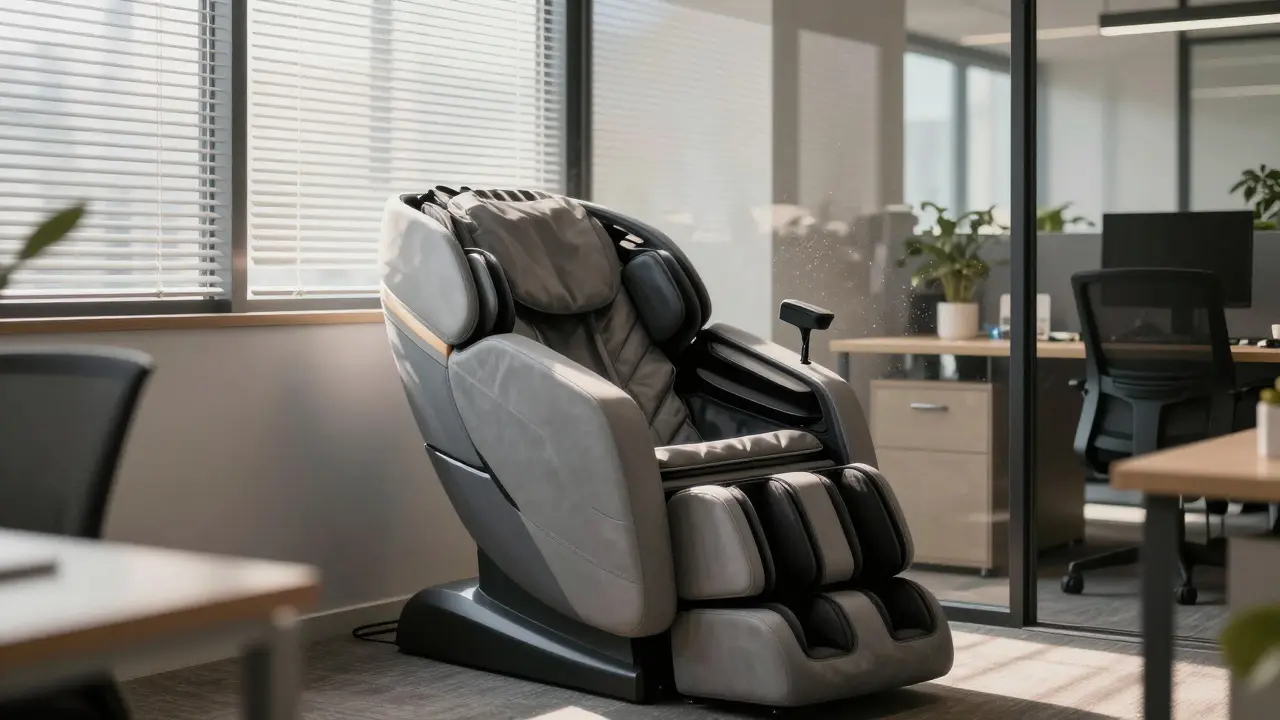
Walk into any busy office on a Tuesday afternoon, and you will see the signs. Shoulders hunched toward ears. Eyes squinting at screens. The collective sigh of a team hitting a deadline. This physical tension isn't just an annoyance; it is a direct drain on how people feel about their jobs. When employees feel physically stuck, their mental energy stalls. That is where chair massage is a targeted therapeutic technique delivered while the recipient remains fully clothed in a specialized portable chair. It is not a luxury spa treatment. It is a strategic tool for human performance.
Bringing a therapist into the workspace changes the atmosphere. It signals that the organization cares about the person, not just the output. This shift in perception is the foundation of morale. But before we talk about the culture, we need to understand the mechanics of the service itself and why it fits into a modern workday better than traditional table massage.
Understanding the Mechanics of Seated Therapy
Unlike a full-body massage where you strip down and lie flat, this approach is designed for efficiency and privacy. The therapist uses a portable, padded chair that supports the neck and back. The employee stays in their clothes, which removes the barrier of undressing and makes the experience less intimidating. The session typically lasts between fifteen and twenty minutes. This short duration is key. It fits into a lunch break or a scheduled downtime without requiring a full day off.
The focus is usually on the upper body: neck, shoulders, back, and arms. These are the areas that accumulate the most tension from typing, driving, and sitting. The therapist uses kneading, stretching, and pressure point techniques. They might use a small amount of oil on the hands, but often the friction comes from the fabric of the clothing. This method targets the trapezius muscles and the lower back, which are the primary storage sites for stress in the body.
Think of it as a system reset for the nervous system. When the body is in a state of high alert, the sympathetic nervous system is active. This is the fight or flight mode. Physical manipulation of the muscles sends signals to the brain that it is safe to relax. This switch to the parasympathetic nervous system lowers heart rate and blood pressure. It is a biological reset button that takes twenty minutes to engage.
The Direct Link Between Physical Comfort and Morale
Morale is often discussed in terms of bonuses or promotions. However, physical discomfort is a silent killer of job satisfaction. If an employee has a chronic headache or stiff neck, their patience wears thin. They become irritable. Collaboration suffers. When you remove that physical barrier, the emotional capacity to handle work challenges increases.
Consider the psychology of the gesture. When a company pays for a therapist to come on-site, it is a visible investment in well-being. It is different from a gym membership subsidy, which requires the employee to take extra time and effort. This service comes to them. It acknowledges that their work is hard on their bodies. That acknowledgment builds loyalty. Employees feel seen and valued. They are less likely to view the organization as a machine that consumes them.
There is also the social element. Seeing colleagues participate breaks down silos. People chat about the experience. It becomes a shared positive memory. In a remote or hybrid work environment, this is even more critical. It gives a reason to gather in a common space. It humanizes the office environment. The conversation shifts from deadlines to how much better everyone feels after the session.
Measuring the Impact on Business Performance
Business leaders need to look at the return on investment. While morale is intangible, the effects on productivity are measurable. Studies in occupational health suggest that regular access to stress-relief interventions reduces absenteeism. When employees are less stressed, they take fewer sick days. They also report fewer work-related musculoskeletal disorders. This lowers insurance claims and workers' compensation costs.
Let's look at the data points that matter to HR departments. A typical session costs a fraction of the cost of a single sick day. If a team of fifty employees takes one session each, the investment is relatively low. Compare that to the cost of recruiting and training a replacement for someone who burns out and quits. Retention rates often improve in companies that offer wellness perks. It shows that the company is forward-thinking and cares about long-term health.
| Intervention Type | Time Required | Privacy Level | Immediate Stress Relief |
|---|---|---|---|
| Chair Massage | 15-20 Minutes | High (Clothed) | Very High |
| Table Massage | 60-90 Minutes | High (Undressed) | High |
| Yoga Class | 60 Minutes | Low (Group) | Moderate |
| Standing Desk | All Day | Private | Low (Preventative) |
The table above highlights why this specific modality wins in an office setting. It balances time efficiency with high privacy and immediate relief. A standing desk is great for prevention, but it doesn't fix the tension already there. A yoga class requires commitment and energy. This service is passive recovery. You sit, you relax, you leave feeling lighter.
Logistics of Bringing Therapy to the Office
Implementing this program requires some planning. You cannot just have a therapist wandering around. It needs to be scheduled. Most companies opt for a monthly or quarterly event. During these times, a booking system is set up. Employees sign up for a time slot that works for them. This ensures the therapist is utilized efficiently and no one is waiting around.
Space is another factor. You need a quiet corner. A conference room with the blinds drawn works well. The therapist brings the chair, a table for supplies, and a screen for privacy. The setup is quick, usually under ten minutes. The breakdown is just as fast. It does not disrupt the workflow of the rest of the office. Soundproofing is minimal, but the focus of the session keeps noise down.
Communication is vital. HR should send out clear information about what to expect. Some employees might be nervous about physical touch. It is important to state that they can control the pressure and can stop at any time. Consent is continuous. The therapist will check in during the session. This safety net encourages participation. Once people try it once, the fear usually disappears. The first session is the hardest hurdle.

Addressing Common Concerns and Objections
There are always questions from management. The first is usually about cost. It is a line item in the wellness budget. However, it is often cheaper than a team lunch or a generic gift card. The value is in the health outcome. The second concern is professionalism. Some worry it looks unprofessional. In reality, it is becoming a standard benefit in tech and creative industries. It signals a healthy work culture. It shows you trust your team to take a break.
Another worry is equity. What if only some people get it? The solution is a rotation system or an open booking window where everyone gets a chance. If the budget is tight, you can limit it to high-stress departments first. For example, customer support teams or software developers during crunch time. Targeting the areas with the highest burnout risk maximizes the impact.
There is also the question of liability. Reputable massage therapists carry their own insurance. They are trained to screen for contraindications. They will ask about injuries or health conditions before starting. This protects the company from liability. You are hiring a professional service provider, not an untrained volunteer. Check their credentials before signing the contract.
Creating a Culture of Care
Ultimately, this is about culture. A company that allows people to step away from their desks to recharge is a company that values sustainability. It prevents the burnout cycle. When employees return to their desks, they are not just physically relaxed; they are mentally refreshed. Creativity often sparks when the brain is not in survival mode.
It also sets a precedent. It shows that taking care of oneself is part of the job. It reduces the stigma around mental health and physical pain. Employees feel more comfortable speaking up if they are struggling. The barrier to asking for help is lower when the organization has already demonstrated care through action. This creates a feedback loop of trust and well-being.
As we move forward in the workplace, the definition of productivity is changing. It is no longer just about hours logged. It is about the quality of those hours. Investing in the physical state of your team is one of the most direct ways to improve that quality. It is a small investment with a ripple effect that touches every interaction in the office.
How much does a corporate chair massage session cost?
Pricing varies by location and therapist experience, but typically ranges from $25 to $50 per person for a 15-minute session. Many therapists offer bulk rates for corporate events, which can bring the cost down significantly per head.
Do employees need to remove their clothes?
No, employees remain fully clothed. The therapist works through the fabric of the clothing, focusing on the neck, shoulders, and back. This maintains privacy and makes it convenient for a work setting.
How long does a typical session last?
Standard sessions are usually 15 or 20 minutes. This duration is designed to fit within a lunch break or a scheduled downtime without disrupting the workday significantly.
Is it suitable for everyone?
Most people can benefit, but therapists will screen for contraindications. Pregnant employees, those with recent injuries, or specific medical conditions may need modifications or should avoid certain pressure techniques.
Can this be done in a remote work setup?
This service requires in-person attendance. However, companies can offer gift cards for employees to use at local massage centers if they work from home, though the on-site team building aspect is lost.
Implementing wellness programs is about meeting people where they are. For the office worker, that is in their chair. By addressing the physical strain of the job, you clear the path for better mental performance. It is a practical, proven method to lift the mood of a team. The next time you plan a wellness initiative, consider the simple power of touch to transform the workplace.