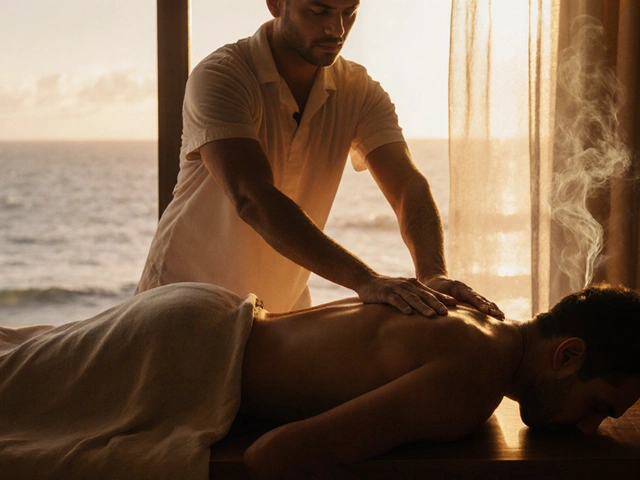
Cross Fibre Release: How It Works and When to Use It
Cross fibre release (also called transverse friction) is a targeted massage technique that breaks up scar tissue and frees stuck tendons and muscles. It uses short, firm strokes across the grain of the tissue to encourage healthy movement and reduce pain. You’ll often see it used for tendon problems like tennis elbow, Achilles issues, and stubborn shoulder pain. It’s simple in idea but needs the right pressure and timing to help instead of harm.
How it feels matters. Expect a sharp or deep sensation during the work, followed by a loosening feeling later. The point isn’t to cause lasting pain—brief discomfort with progress is normal, but persistent sharp pain is a sign to stop. Sessions are short, usually five to ten minutes for one spot, and combined with movement and rehab exercises to lock in gains.
Who should do it?
Skilled hands matter. Physiotherapists, sports therapists, and experienced massage therapists use cross fibre release. For home use, simple versions like gentle cross fibre rubbing can help, but don’t try deep, aggressive techniques without training. If you’re post-surgery, on blood thinners, or have active infection or nerve symptoms, skip it and ask a clinician first.
How to use it effectively
Start by warming the area with heat or light massage for a few minutes to increase blood flow. Use the pad of your thumb or fingers and apply steady pressure across the fibres, moving in short strokes. Keep the wrist relaxed and work for a few minutes, then test the range of motion. Follow up with stretching or a specific rehab move your therapist showed you. Repeat sessions every other day or as your therapist advises—overdoing it slows healing.
Combine cross fibre release with other tools. Soft tissue work, eccentric loading exercises for tendons, and mobility drills make the effect last. Ice briefly after if swelling rises, or use gentle heat later to soothe the area. Track changes: less stiffness, improved range, and easier daily tasks mean you’re on the right path.
Warnings and realistic expectations: cross fibre release isn’t a quick fix for chronic degeneration or severe tears. It helps scar tissue and adhesions, but full recovery often needs focused exercise, time, and sometimes medical treatment. If symptoms worsen, strength drops, or numbness appears, get a professional check-up.
Before booking, ask the therapist how many sessions they expect, what pressure they will use, and how they measure progress. Good therapists explain goals, risks, and home care. Expect to pair the work with exercises and load management. If progress stalls after a few sessions, re-evaluate the diagnosis rather than repeating the same treatment. Keep notes so you notice small wins.
Want to try it? Ask your therapist for a demo or watch a reputable video showing proper hand position and pressure. A guided session will teach you when to push and when to back off. Done right, cross fibre release is a compact, practical tool to free tissue and speed rehab.
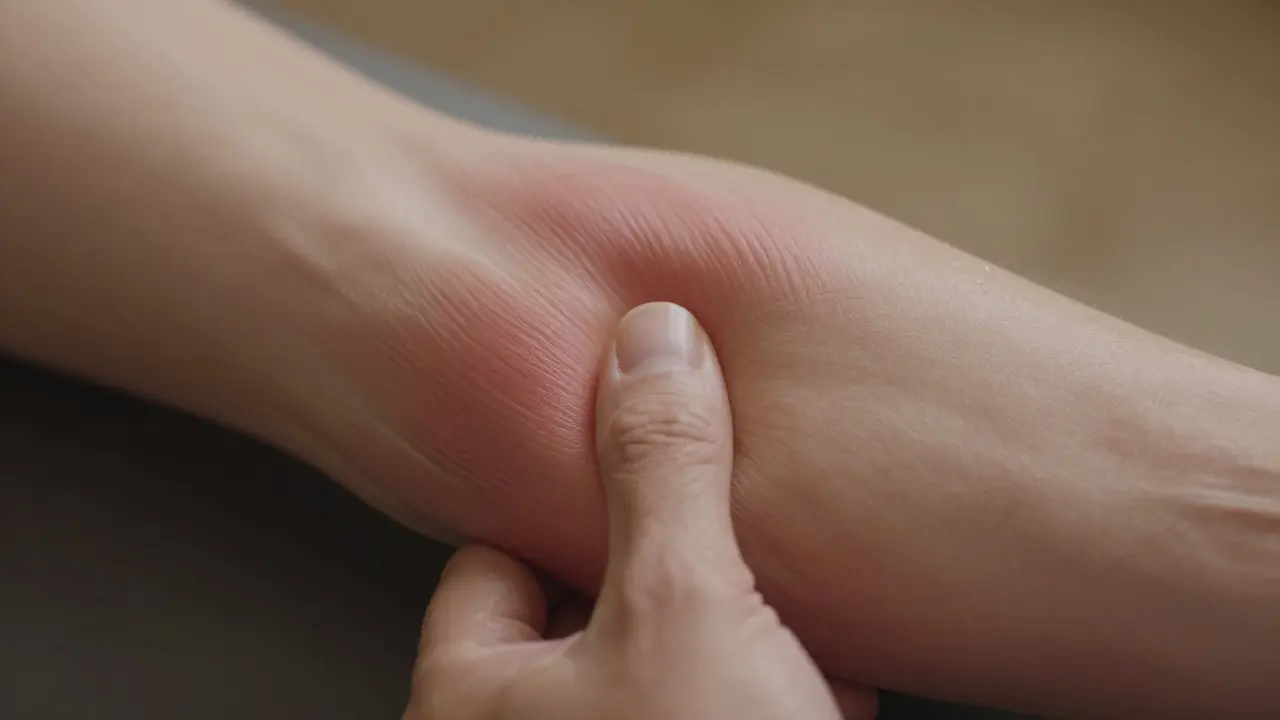
Experience the Healing Power of Cross Fibre Release
Cross fibre release is a targeted therapy that breaks down scar tissue and adhesions to restore mobility and reduce chronic pain. Learn how it works, where to use it, and how to do it safely at home.
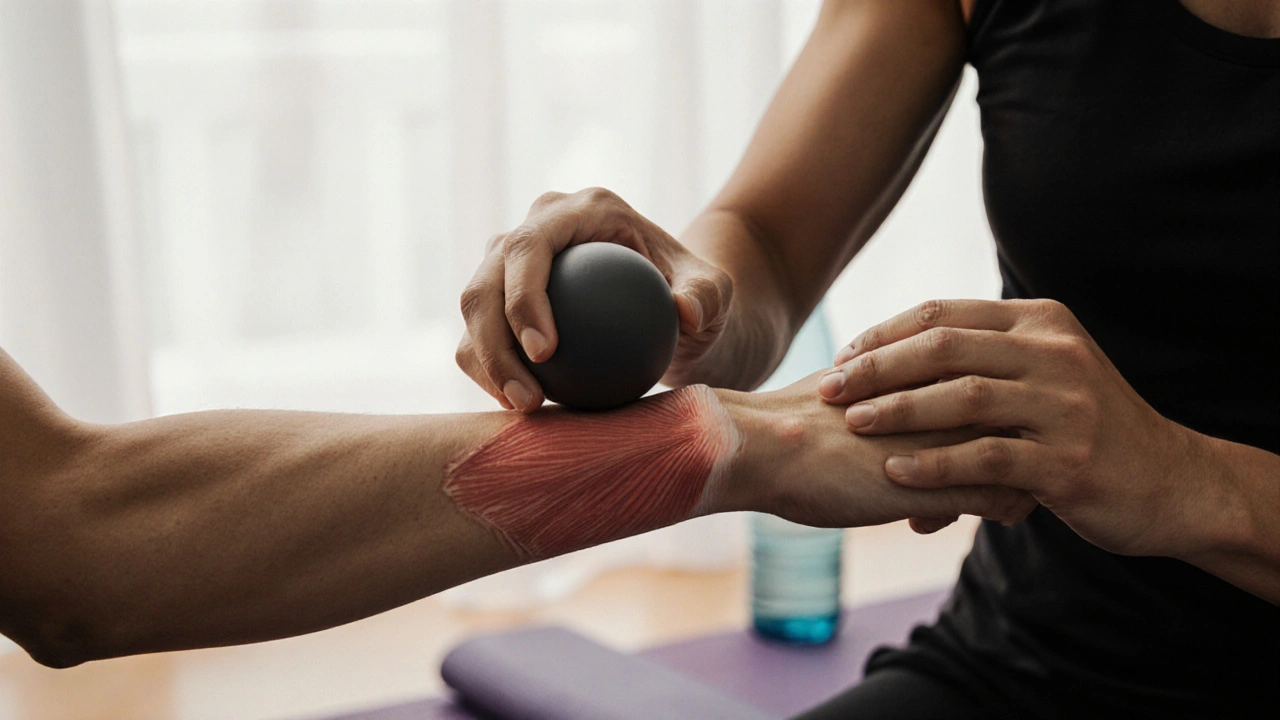
Boost Your Recovery Process with Cross Fibre Release
Cross fibre release is a targeted therapy to break down scar tissue and adhesions, speeding up muscle recovery. Learn how to use it safely at home for chronic tightness, tendinitis, and old injuries.
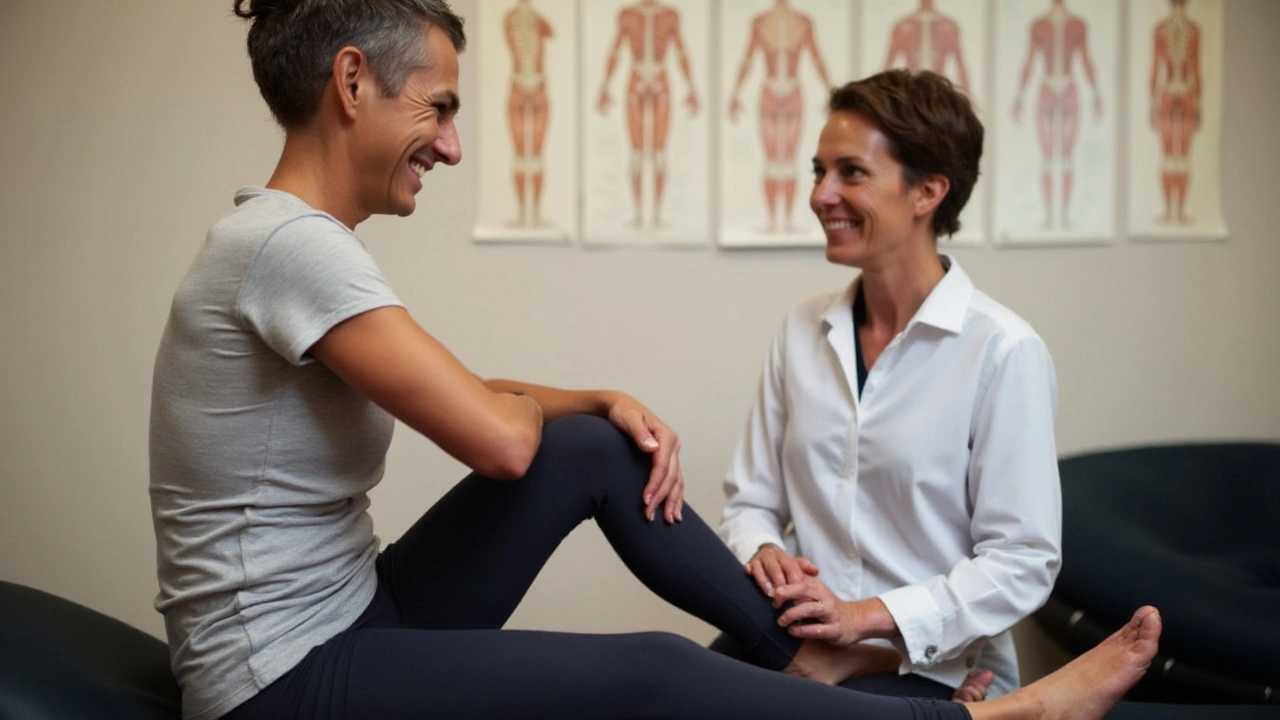
Unlocking the Power of Cross Fibre Release Techniques
Cross fibre release is a therapeutic technique gaining popularity for its effective muscle and fascial tissue treatment. It’s known for improving flexibility, reducing pain, and promoting healing by applying precise pressure against muscle fibers. This approach can benefit athletes, office workers, and anyone with chronic muscle tension. Understanding the science behind it and practicing correctly ensures a safer and more beneficial experience.
Categories
- Health and Wellness (150)
- Alternative Therapies (102)
- Massage Therapy (40)
- Travel and Culture (16)
- Beauty and Skincare (9)
- Holistic Health (8)
- Health and Fitness (6)
- Spirituality (5)
- Personal Development (3)
- Other (2)
Popular Articles