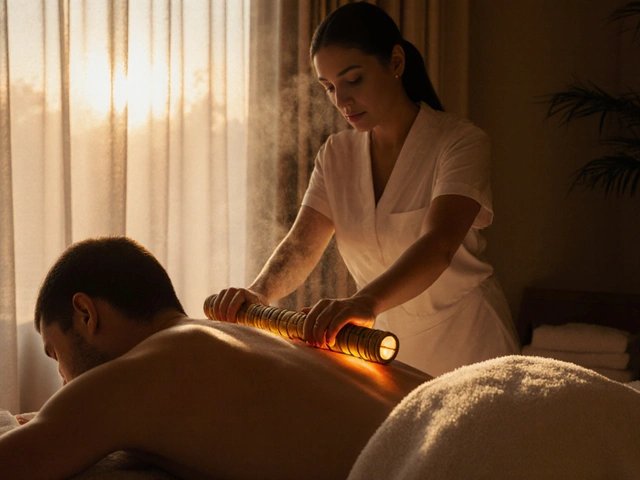
Stone Massage Guide: Why Hot Stones Are the Ultimate Self-Care Gift
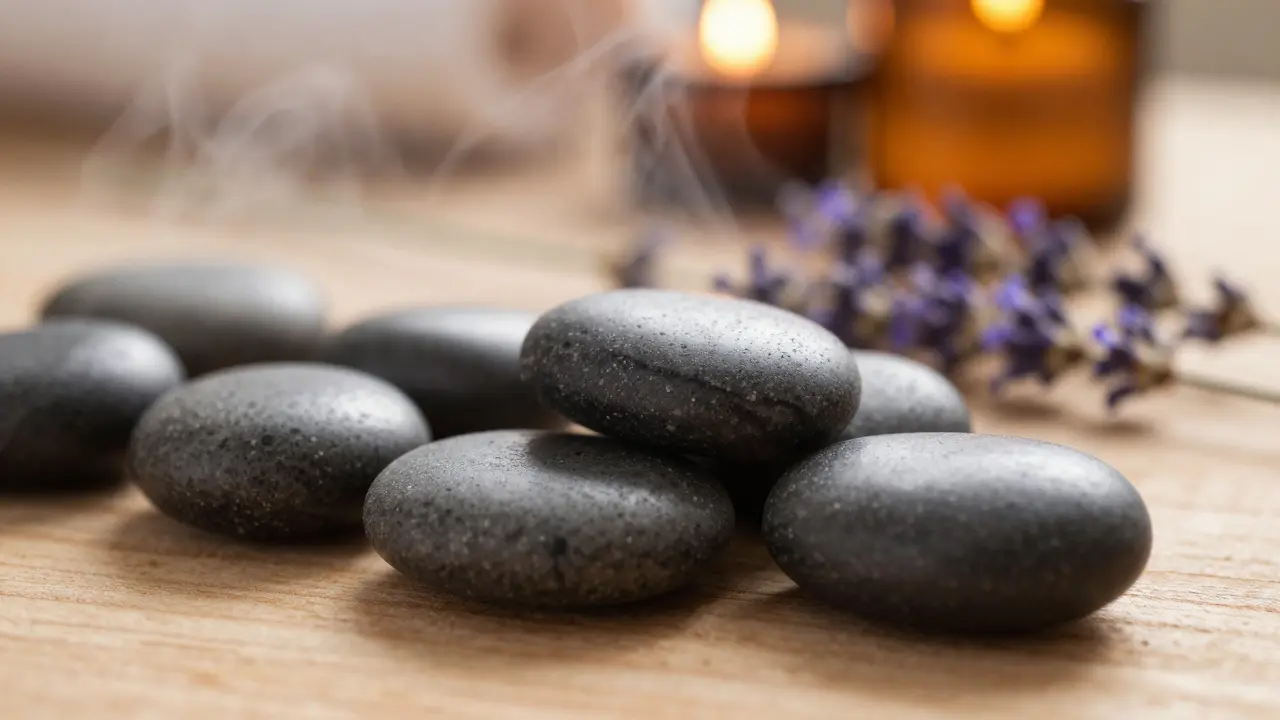
Key Takeaways for Your Wellness Journey
- Heat penetrates deeper into muscle tissue than manual pressure alone.
- Basalt stones are the gold standard for heat retention.
- It is a powerful tool for chronic pain and stress-induced tension.
- Perfect as a gift for those with high-stress jobs or chronic stiffness.
How the Heat Actually Works on Your Body
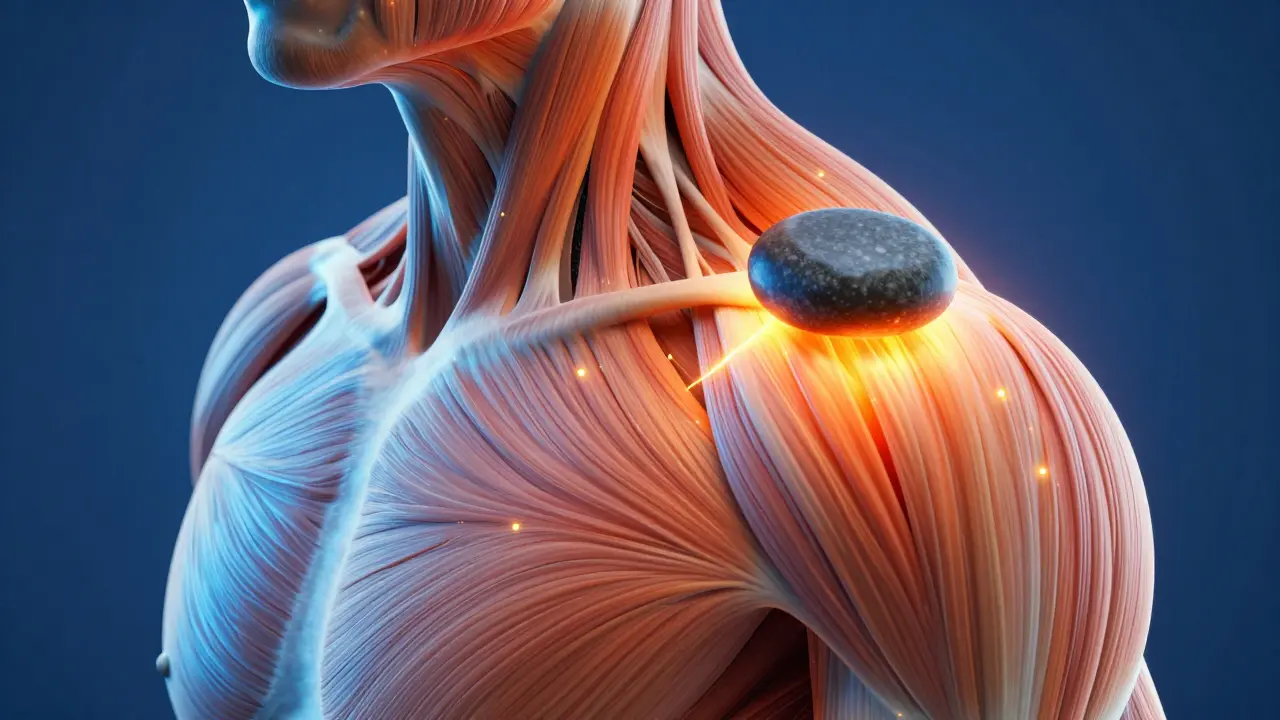
You might wonder why we bother with stones when a therapist's hands are already skilled. The secret is thermodynamics. When a therapist uses Basalt-a volcanic rock rich in iron and magnesium-the stone acts as a thermal reservoir. Unlike a heating pad that provides surface-level warmth, these stones hold heat and deliver it steadily into the muscle fibers. This process triggers Vasodilation, which is just a fancy way of saying your blood vessels open up. This increases blood flow, bringing fresh oxygen and nutrients to damaged tissues while flushing out metabolic waste like lactic acid. When your muscles are warm, they become more pliable. This means the therapist can work deeper into the fascia without causing the guarding reflex-that instinctive tensing up you do when someone hits a "knot"-making the experience far more relaxing and less painful.
The Different Types of Stones and Their Uses
Not every stone is created equal. Depending on the goal, a practitioner will choose different materials. Most often, you will encounter hot stones, but cold stones have a very specific, vital role in recovery.
| Stone Type | Primary Attribute | Best Use Case | Sensation |
|---|---|---|---|
| Basalt | High heat retention | Deep muscle tension | Deep, radiating warmth |
| Marble | Stays cool longer | Inflammation/Puffiness | Sharp, refreshing cold |
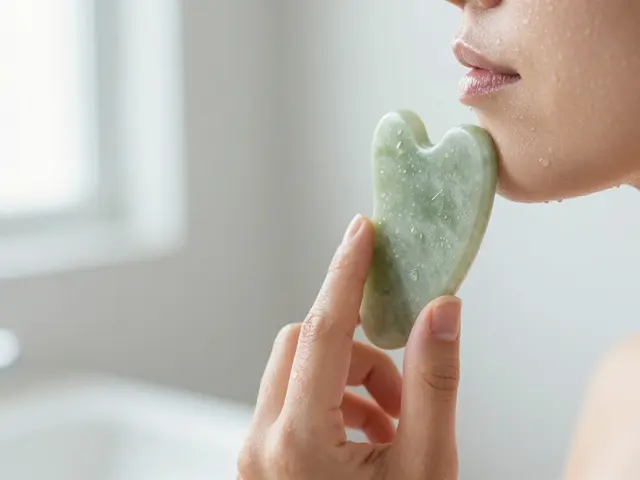
| Jade | Balanced temperature | Energy balancing | Gentle, soothing heat |
Why This Makes the Perfect Self-Care Gift
Giving a gift card for a standard massage is nice, but gifting a Hot Stone Massage is a statement that you want the recipient to truly disappear from their stress for a while. For someone dealing with "tech neck" from staring at a laptop for ten hours a day, the targeted heat on the trapezius muscles is a game-changer. It targets the Parasympathetic Nervous System, which is the part of your brain responsible for "rest and digest." By forcing the body into a state of deep relaxation through heat and pressure, it lowers cortisol levels. When you give this as a gift, you aren't just buying a service; you are providing a forced break from the mental noise of modern life. It is especially effective for people who struggle to "turn off" their brain at night, as the session often leads to the best sleep they have had in months.
The Step-by-Step Experience
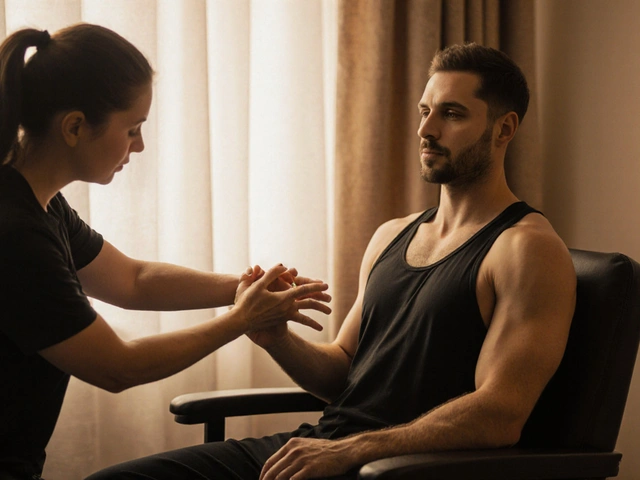
If you have never had one, the process is a blend of traditional massage and strategic stone placement. Here is what typically happens during a professional session:
- The Warm-up: The therapist starts with light Swedish strokes using warm oil to prepare the skin and muscles.
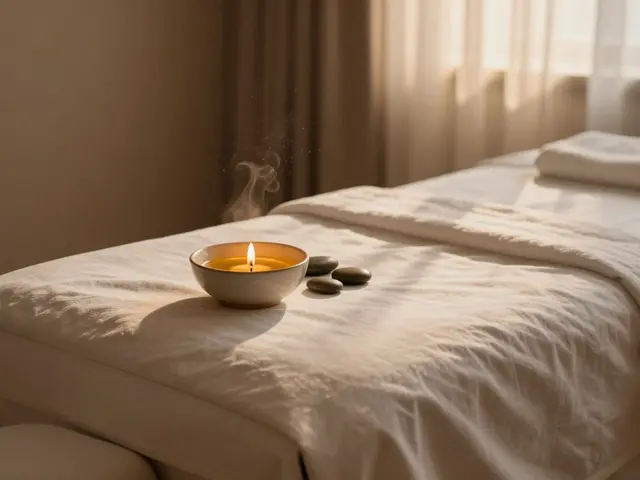
- Strategic Placement: Stones are placed on key trigger points-often along the spine, in the palms of the hands, or between the toes-to begin the deep warming process.
- Active Gliding: The therapist uses the stones as extensions of their own hands, sliding them across the muscles using long, rhythmic strokes.
- Deep Tissue Work: Once the muscles are softened by the heat, the therapist applies targeted pressure to release chronic knots.
- Cool Down: The session ends with gentle stretching and a period of quiet stillness to let the body integrate the relaxation.
Who Should Avoid Stone Massage?
While it feels amazing, heat isn't for everyone. If you have Diabetes, particularly diabetic neuropathy, you might have reduced sensitivity to heat in your extremities. This means you could be burned without even realizing it. Similarly, people with extremely sensitive skin or those recovering from recent surgery should check with a doctor first. Avoid hot stones if you have an active fever or acute inflammation (like a fresh sprain). In those cases, cold stone therapy is actually the preferred method because it constricts blood vessels and reduces swelling, whereas heat would actually make the inflammation worse.
How to Choose a Quality Provider
Not all spas are created equal. To ensure you or your gift recipient gets the best experience, look for a few specific markers of quality. First, check if the therapists are licensed massage therapists (LMTs). The use of heat requires a specific understanding of temperature control to avoid skin damage. Ask if they use a professional stone heater. Some low-end places use makeshift warmers that lead to uneven temperatures-some stones freezing and others scalding. A professional setup ensures every stone is exactly the same temperature. Also, a good therapist will always ask about your temperature preference before the stones touch your skin and will check in frequently throughout the session.
Does a stone massage hurt more or less than a regular massage?
Generally, it hurts less. Because the heat relaxes the muscles first, the therapist doesn't have to push as hard to get deep into the tissue. The warmth acts as a lubricant for the muscle fibers, making the pressure feel more "melting" and less "stabbing."
How often should I get a stone massage for chronic pain?
For chronic tension, a session every 2 to 4 weeks is usually recommended. This helps maintain the flexibility of the fascia and prevents the recurring buildup of stress knots. However, if you are using it for general self-care, once a month is a great rhythm.
Can I do a hot stone massage at home?
You can buy home kits, but be very careful. Professional heaters regulate temperature precisely. At home, there is a high risk of overheating the stones and causing burns. If you try it, always test the stone on your inner wrist first and use a thermometer.
Will I feel sore the next day?
You might feel a mild "workout" soreness, similar to a light gym session, because the heat releases toxins and moves lymph. Drinking plenty of water after the massage is the best way to flush these out and minimize any lingering stiffness.
Is it safe during pregnancy?
Generally, yes, but with caution. Many pregnant women find the warmth soothing for lower back pain. However, you must ensure the therapist is certified in prenatal massage, as certain pressure points are off-limits and overheating the body (hyperthermia) can be dangerous for the fetus.
Next Steps for Your Wellness Routine
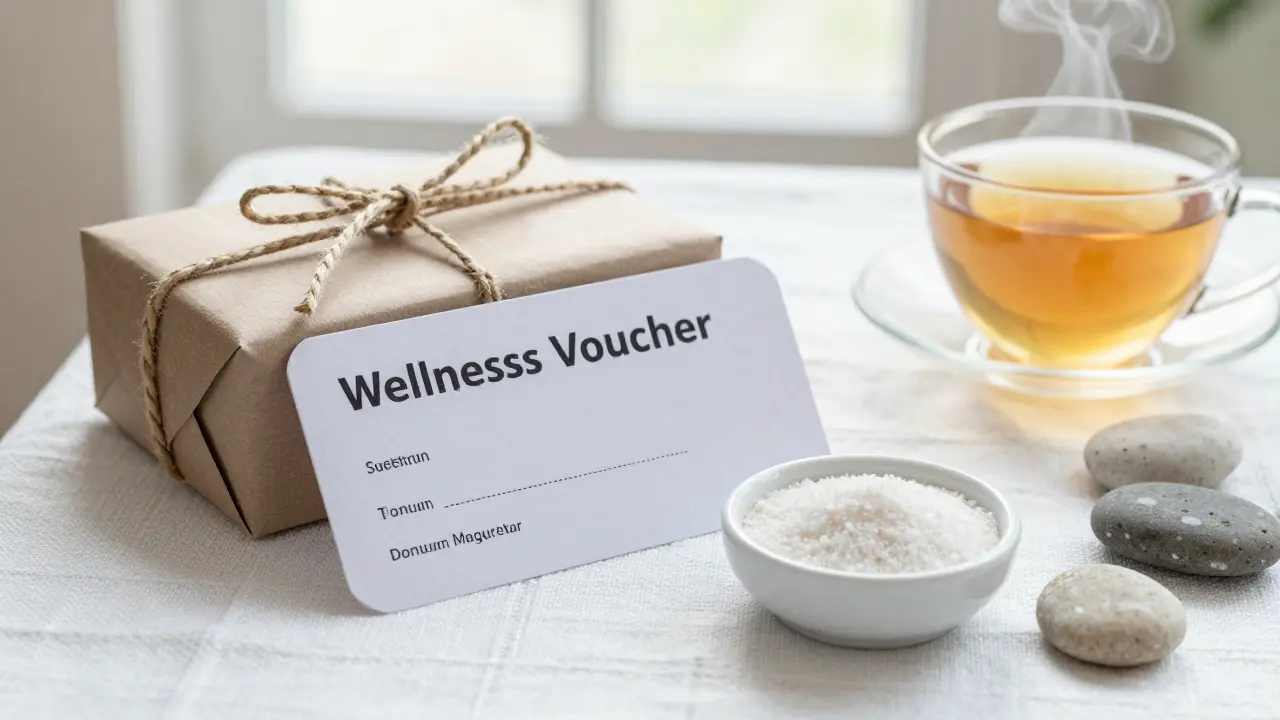
If you are ready to try this, start by booking a 60-minute introductory session. If you're gifting it, pair the voucher with some magnesium flakes for a home soak to extend the relaxation. For those who find they love the heat, you might eventually explore other thermal therapies like infrared saunas or steam rooms to keep those muscles supple between professional appointments.