Reiki and Its Role in Mental Health: What Science and Experience Show
When you’re overwhelmed by anxiety, stuck in a loop of negative thoughts, or just feel emotionally drained, traditional therapy isn’t always enough-and medication isn’t always the answer. That’s where Reiki comes in for many people. It’s not a cure, but for thousands, it’s a quiet, gentle tool that helps reset the nervous system when nothing else seems to work.
What Reiki Actually Is
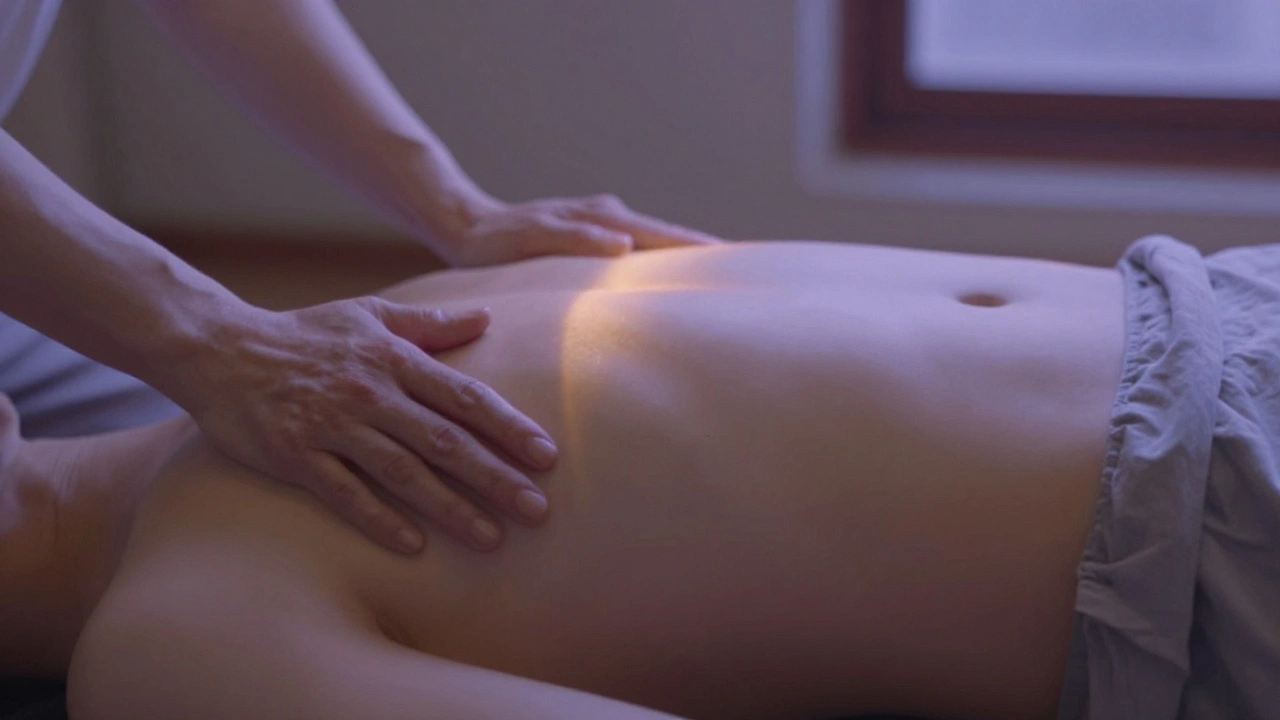
Reiki is a Japanese energy healing technique developed in the early 1900s by Mikao Usui. It’s based on the idea that a life force energy flows through all living things. When this energy is low or blocked, it can lead to stress, illness, or emotional imbalance. A Reiki practitioner places their hands lightly on or just above the body in specific positions, channeling this energy to promote healing.
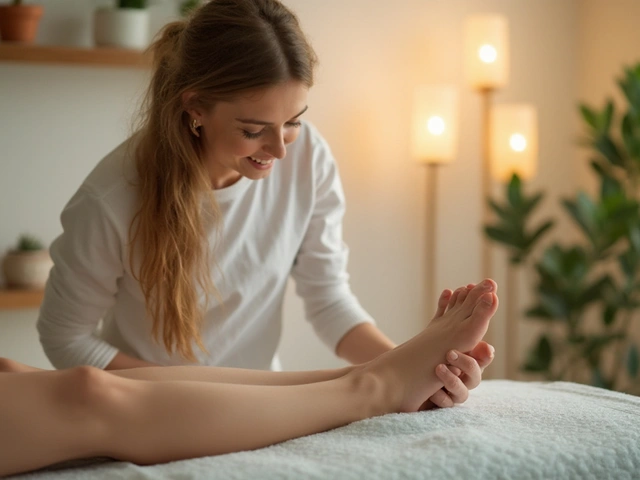
It’s not massage. There’s no pressure, no oils, no manipulation of muscles. You stay fully clothed. The practitioner doesn’t diagnose or treat specific conditions. Instead, they create a calm space where the body can activate its own healing responses. People often describe the experience as warm, tingling, or deeply relaxing-like sinking into a warm bath after a long day.
How Reiki Affects the Nervous System
One of the clearest reasons Reiki helps mental health is its impact on the autonomic nervous system. When you’re anxious or depressed, your body stays stuck in "fight-or-flight" mode. Your heart races, your breathing gets shallow, and your mind spins. Reiki triggers the opposite: the "rest-and-digest" response.
A 2021 study published in the Journal of Evidence-Based Complementary & Alternative Medicine found that participants who received four weekly Reiki sessions showed significant drops in cortisol levels-the body’s main stress hormone. Their heart rate variability (HRV), a key indicator of nervous system balance, also improved. These aren’t placebo effects. HRV is measurable, objective, and strongly linked to emotional resilience.
Think of it like hitting a reset button on your body’s stress response. You don’t need to believe in energy fields to feel calmer after a session. The physical changes happen whether you’re skeptical or a lifelong believer.
Reiki for Anxiety and Depression
People don’t turn to Reiki because they want to "channel universal energy." They turn to it because they’re tired of feeling wired but exhausted, or numb but overwhelmed.
In a 2023 pilot study at a Sydney mental health clinic, 32 adults with moderate anxiety and mild depression received six Reiki sessions over eight weeks. By the end, 78% reported noticeable reductions in daily anxiety spikes. Nearly two-thirds said they slept better. One participant, a 42-year-old teacher, said: "I stopped having panic attacks before staff meetings. I didn’t feel like I was holding my breath all day."
Reiki doesn’t replace cognitive behavioral therapy or antidepressants. But for people struggling to find relief through talk therapy alone-or who can’t tolerate medication side effects-it offers a non-invasive, low-risk option. It’s especially helpful for those who feel disconnected from their bodies after trauma or chronic stress.
What Reiki Isn’t
It’s not magic. It’s not a replacement for medical care. And it’s not about spiritual awakening-though some people experience that as a side effect.
Some practitioners claim Reiki can cure cancer or erase trauma in one session. That’s misleading. Reiki doesn’t remove memories or alter brain chemistry like medication does. What it does is create space-for stillness, for breath, for the body to begin healing itself.
It’s also not tied to any religion. You don’t need to meditate, chant, or adopt new beliefs. People from all backgrounds-atheists, Christians, Buddhists, skeptics-report benefits. The technique is simple: hands on or near the body, quiet presence, focused intention.
What to Expect in a Session
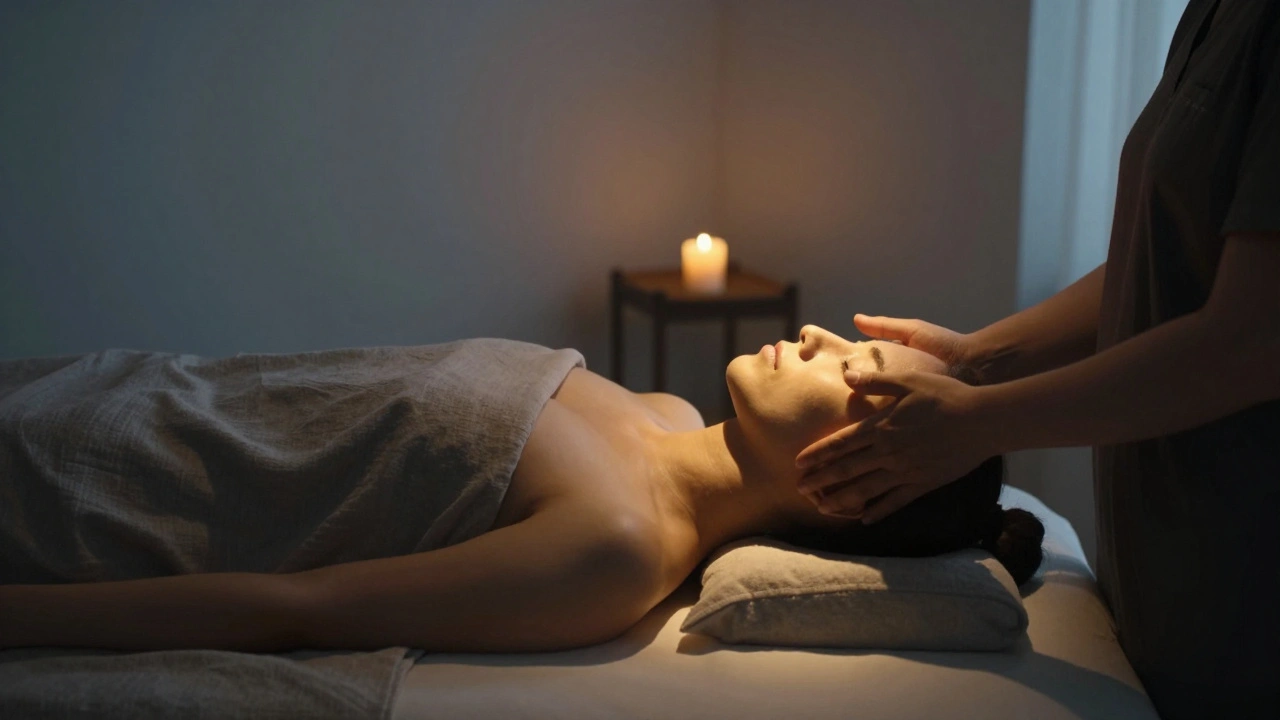
A typical Reiki session lasts 45 to 60 minutes. You lie down on a massage table, fully clothed, with soft lighting and gentle music. The practitioner will begin by grounding themselves and then place their hands on areas like your head, shoulders, chest, abdomen, and feet. Each position lasts 3 to 5 minutes.
You might feel warmth, tingling, or nothing at all. That’s normal. The experience varies from person to person-and even from session to session. Some people fall asleep. Others cry. Some just feel deeply relaxed.
Afterward, you’ll likely feel lighter, calmer, or more centered. It’s not dramatic. It’s subtle. But over time, those small shifts add up. People often notice they react less sharply to stress, breathe more deeply, or feel more present in conversations.
Who Benefits Most?
Reiki isn’t for everyone-but it’s surprisingly effective for certain groups:
- People with chronic stress from caregiving, high-pressure jobs, or burnout
- Those recovering from trauma who struggle with touch-based therapies
- Individuals with anxiety disorders who find meditation too "active"
- People on medication who want to reduce side effects through complementary support
- Anyone who feels emotionally stuck and needs a non-verbal way to release tension
It’s especially useful for people who’ve tried everything else. If you’ve done yoga, therapy, mindfulness apps, and still feel like your nervous system is on high alert, Reiki might be the missing piece-not because it’s powerful, but because it’s quiet.
How to Find a Good Practitioner
Not all Reiki practitioners are trained the same way. Look for someone who’s certified through a recognized lineage-Usui Reiki Ryoho, Usui/Tibetan, or Karuna Reiki. Certification levels vary, but Level II or higher is standard for clinical use.
Ask if they’ve worked with clients dealing with anxiety, depression, or PTSD. A good practitioner won’t make grand claims. They’ll ask about your goals, explain the process clearly, and respect your boundaries. You should never feel pressured to share personal details.
In Australia, many Reiki practitioners work alongside integrative health clinics, yoga studios, or private wellness centers. Check reviews, but don’t rely on star ratings alone. Trust your gut. If you don’t feel safe or respected after the first conversation, move on.
Reiki as Part of a Broader Plan
Reiki works best when it’s part of a larger self-care routine. It’s not a standalone fix. Pair it with:
- Regular sleep habits
- Walking in nature
- Limiting caffeine and screen time before bed
- Journaling or talking to a therapist
One woman in Melbourne, who received Reiki weekly while managing PTSD, said: "I didn’t heal because of Reiki. I healed because Reiki gave me the calm to start healing."
The real power of Reiki isn’t in the energy-it’s in the permission it gives you to slow down. In a world that rewards constant doing, Reiki says: you don’t have to fix anything right now. Just be here. Breathe. Rest.
Final Thoughts
Reiki doesn’t promise miracles. But for people drowning in mental noise, it offers something rare: a moment of quiet that feels real. It doesn’t ask you to believe in anything. It just asks you to lie still, close your eyes, and let your body feel safe for an hour.
If you’re curious, try one session. No commitment. No pressure. If you feel calmer afterward, that’s enough. If you don’t, you’re no worse off than before. But if you do? That quiet space might be the first step back to yourself.