
Myofascial Release Therapy: A Deeper Look at Techniques, Benefits, and What to Expect
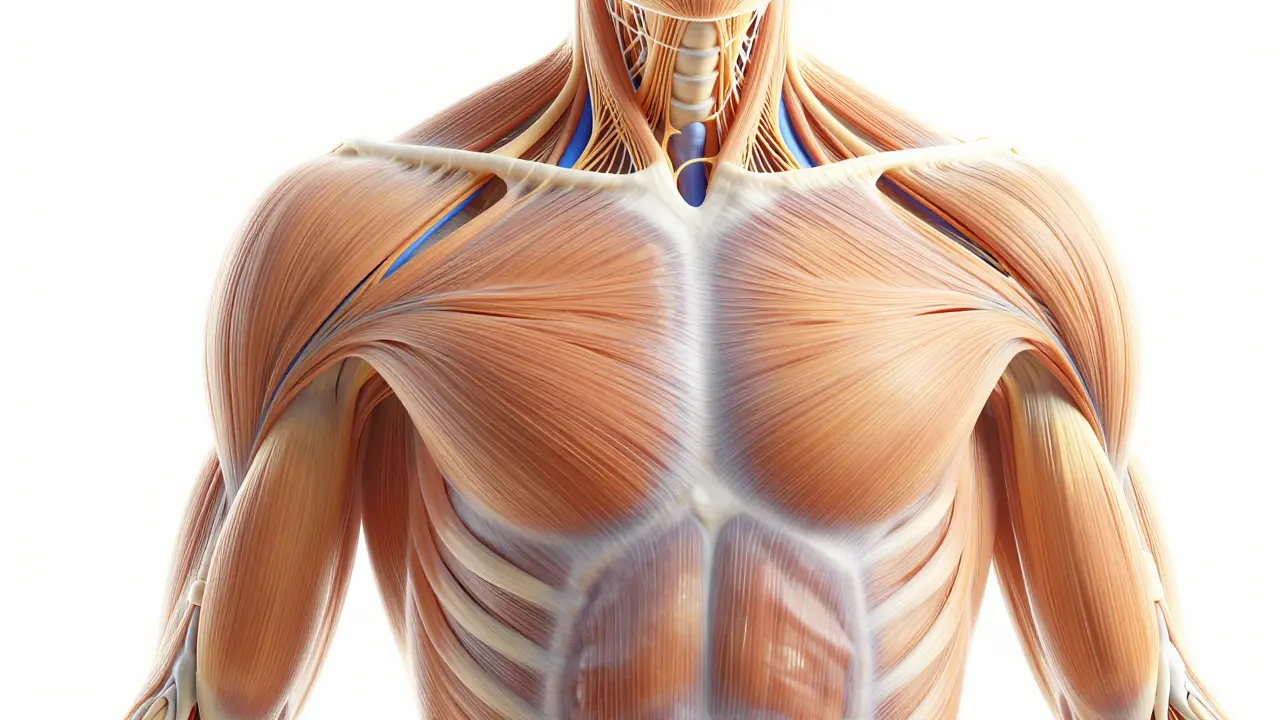
Have you ever felt a knot in your shoulder that just wouldn’t go away, no matter how much you stretched? Or maybe you’ve experienced that tightness in your hips after sitting at a desk all day? You aren’t alone. Millions of people deal with this kind of persistent discomfort, often assuming it’s just muscle tension. But the real culprit might be deeper than that. It could be your fascia.
Fascia is the connective tissue that wraps around your muscles, bones, and organs. Think of it like the packing peanuts in a box or the netting on an orange. When this tissue gets stiff, inflamed, or restricted, it pulls on everything around it, causing pain, limited mobility, and even posture issues. This is where myofascial release therapy comes in. It’s not just another massage technique; it’s a targeted approach to restoring the elasticity and flow of your body’s connective tissue.
What Exactly Is Myofascial Release?
At its core, myofascial release (MFR) is a hands-on manual therapy technique designed to relieve pain and restore motion by releasing restrictions in the fascia. Unlike traditional massage, which often focuses on kneading muscles to increase blood flow, MFR applies gentle, sustained pressure into the restrictive fascia to change its configuration and eliminate pain.
The concept gained significant traction in the mid-20th century through the work of Dr. Ida Rolf, who developed Rolfing, a form of structural integration based on fascial manipulation. Today, MFR is used by physical therapists, chiropractors, osteopaths, and massage therapists worldwide. The goal isn’t just to relax the body but to reorganize the fascial network so it can move freely again.
Imagine wearing a sweater made of shrink-wrapped plastic. If one part shrinks, it pulls on the rest of the garment, distorting the shape. That’s what happens when fascia becomes restricted. MFR aims to “unshrink” that plastic, allowing your body to return to its natural alignment and function.
How Does Myofascial Release Work?
The science behind MFR relies on the viscoelastic properties of fascia. Fascia behaves like both a solid and a liquid over time. When constant pressure is applied to a restricted area, the collagen fibers within the fascia slowly lengthen and rearrange. This process is known as creep deformation.
Therapists use slow, deep strokes and holds that typically last from three to five minutes per area. This duration is crucial because it allows the fascia to respond and release. Quick, superficial movements won’t cut it. The therapist listens to the tissue, feeling for areas of tension and guiding them toward relaxation.
There are two main approaches to MFR:
- Direct Technique: The therapist applies pressure directly into the restriction until it releases. This can feel intense and sometimes uncomfortable, especially if the fascia is severely bound up.
- Indirect Technique: The therapist moves the tissue away from the restriction, encouraging it to relax and unwind naturally. This method is gentler and often preferred for acute injuries or sensitive clients.
Both methods aim to achieve the same result: improved mobility and reduced pain. The choice depends on the client’s condition, tolerance, and the therapist’s assessment.
Who Can Benefit From Myofascial Release?
MFR isn’t just for athletes or people with obvious injuries. Anyone with chronic pain, stiffness, or limited range of motion might find relief. Here are some common conditions where MFR has shown promise:
- Chronic Back Pain: Tight fascia in the back can pull on the spine, leading to misalignment and pain. MFR helps release these tensions, improving posture and reducing discomfort.
- Headaches and Migraines: Restrictions in the neck and scalp fascia can contribute to tension headaches. Releasing these areas can alleviate pressure and reduce frequency.
- Plantar Fasciitis: This painful condition affects the bottom of the foot. MFR targets the plantar fascia, helping to break down scar tissue and improve flexibility.
- Post-Surgical Scar Tissue: Surgery creates adhesions in the fascia, which can limit movement and cause pain. MFR helps remodel this tissue, promoting better healing and mobility.
- Athletic Performance: Athletes use MFR to prevent injuries, enhance recovery, and improve overall performance by ensuring their fascia is pliable and responsive.
If you’ve tried other treatments without success, MFR might offer a new perspective. It addresses the root cause of many pain issues rather than just masking symptoms.

What to Expect During a Session
Your first session will likely start with a consultation. The therapist will ask about your medical history, current pain levels, and goals. They may also perform a physical assessment to identify areas of restriction. Don’t expect a quick fix; MFR is a process that often requires multiple sessions.
During the treatment, you’ll lie fully clothed or in comfortable attire on a massage table. The therapist will apply pressure using their hands, forearms, or elbows. You might feel a sense of warmth, tingling, or even emotional release as the fascia unwinds. Some people describe it as a “melting” sensation. Others find it deeply relaxing, while others experience moments of discomfort as tight tissues let go.
Communication is key. Let your therapist know if the pressure is too much or if you’re experiencing sharp pain. The goal is therapeutic release, not agony. After the session, you might feel sore, similar to post-workout fatigue. Drinking plenty of water helps flush out toxins released during the process.
Self-Myofascial Release: DIY Techniques
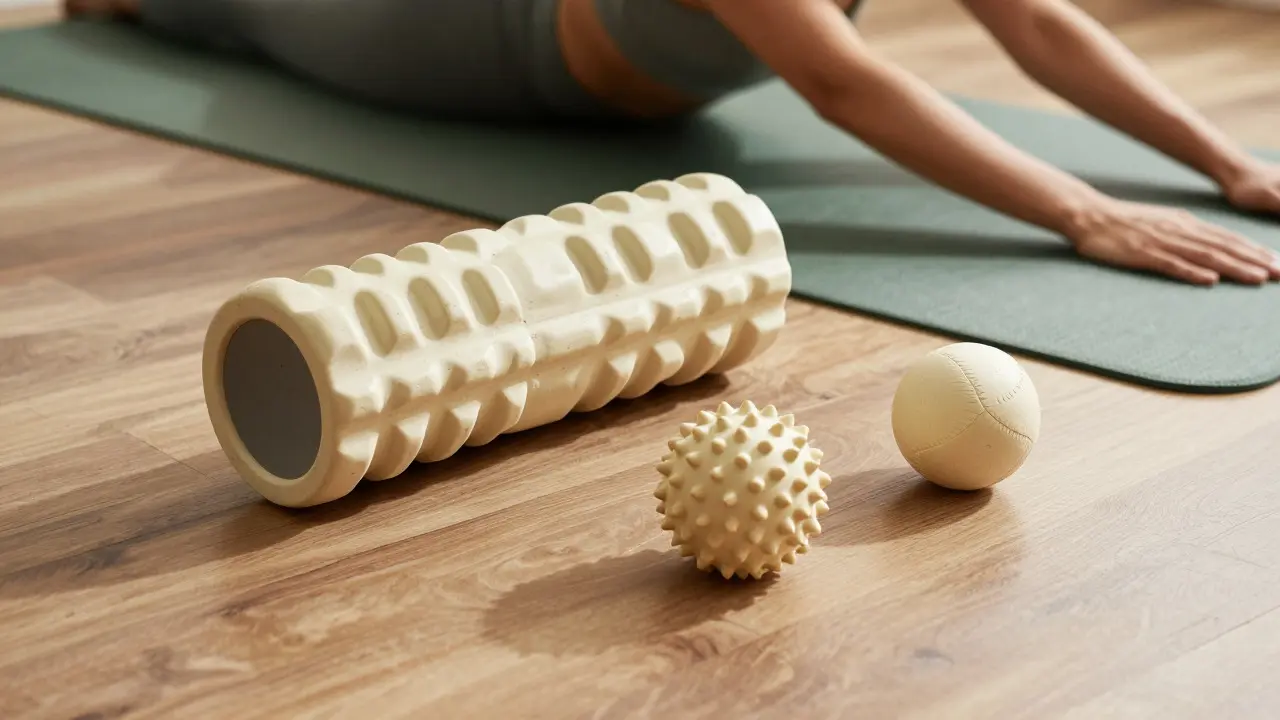
You don’t always need a professional to benefit from MFR principles. Self-myofascial release (SMR) tools like foam rollers, massage balls, and lacrosse balls allow you to target specific areas at home. Here’s how to get started:
- Identify Trigger Points: Find areas of tenderness or tightness. These are often where your muscles meet the fascia.
- Apply Pressure: Place the tool on the trigger point and lean into it. Hold for 30-90 seconds until you feel the tension decrease.
- Breathe Deeply: Relaxation is essential. Take slow, deep breaths to help your nervous system switch from fight-or-flight to rest-and-digest mode.
- Move Gently: After releasing the area, move the joint through its full range of motion to reinforce the new flexibility.
Common areas for SMR include the calves, quads, IT band, upper back, and glutes. Consistency is important. Incorporating SMR into your daily routine can yield significant improvements in mobility and pain management.
Risks and Considerations
While generally safe, MFR isn’t suitable for everyone. People with certain conditions should consult their doctor before trying it:
- Blood Clots: Manipulating fascia near a clot could dislodge it, leading to serious complications.
- Osteoporosis: Fragile bones may be susceptible to injury under deep pressure.
- Pregnancy: Certain techniques may not be safe during pregnancy. Always seek a certified prenatal therapist.
- Acute Inflammation: Fresh injuries may require rest rather than manipulation. Wait until the initial inflammation subsides.
Choose a qualified practitioner. Look for certifications from reputable organizations like the National Certification Board for Therapeutic Massage and Bodywork (NCBTMB) or specific training in MFR techniques such as John Barnes Myofascial Release or Rolfing.
Comparing Myofascial Release to Other Therapies
| Technique | Primary Focus | Pressure Level | Best For |
|---|---|---|---|
| Myofascial Release | Fascia & Connective Tissue | Gentle to Deep | Chronic pain, restricted mobility |
| Deep Tissue Massage | Deep Muscle Layers | Firm to Intense | Muscle knots, sports injuries |
| Trigger Point Therapy | Specific Muscle Knots | Targeted Pressure | Localized pain referral |
| Swedish Massage | Surface Muscles & Circulation | Light to Moderate | Relaxation, stress relief |
Understanding the differences helps you choose the right therapy for your needs. If your issue stems from fascial restrictions rather than isolated muscle knots, MFR is likely the more effective option.
Long-Term Benefits and Maintenance
The benefits of MFR extend beyond immediate pain relief. Regular sessions can improve posture, enhance athletic performance, and boost overall well-being. By maintaining healthy fascia, you reduce the risk of future injuries and chronic pain cycles.
Think of it like car maintenance. You don’t wait for the engine to fail before changing the oil. Similarly, incorporating MFR into your health routine keeps your body functioning smoothly. Combine it with regular exercise, hydration, and proper nutrition for optimal results.
Many clients report feeling lighter, more energetic, and emotionally balanced after a series of sessions. The mind-body connection is strong, and releasing physical tension often leads to mental clarity and reduced stress.
How many myofascial release sessions do I need?
The number of sessions varies depending on the severity of your condition and your individual response. Some people experience relief after one or two sessions, while others with chronic issues may need six to ten sessions spaced out over several weeks. Your therapist will assess your progress and recommend a personalized plan.
Does myofascial release hurt?
It can be uncomfortable, especially if you have significant restrictions. However, it shouldn’t be excruciating. The therapist will work within your comfort zone, adjusting pressure as needed. Post-session soreness is normal and usually resolves within 24 to 48 hours.
Can I do myofascial release at home?
Yes, self-myofascial release using tools like foam rollers and massage balls is highly effective for maintenance. While it doesn’t replace professional therapy, it complements it well. Learn proper techniques from a certified therapist to avoid injury and maximize benefits.
Is myofascial release covered by insurance?
Coverage varies by provider and policy. Some plans cover MFR if performed by a licensed physical therapist or chiropractor for a diagnosed medical condition. Check with your insurer and ask for a superbill from your provider for potential reimbursement.
How long does the effect of myofascial release last?
Results can last from a few days to several months, depending on lifestyle factors. Active individuals who maintain good posture and hydration may see longer-lasting benefits. Regular maintenance sessions every few weeks or months help sustain improvements.