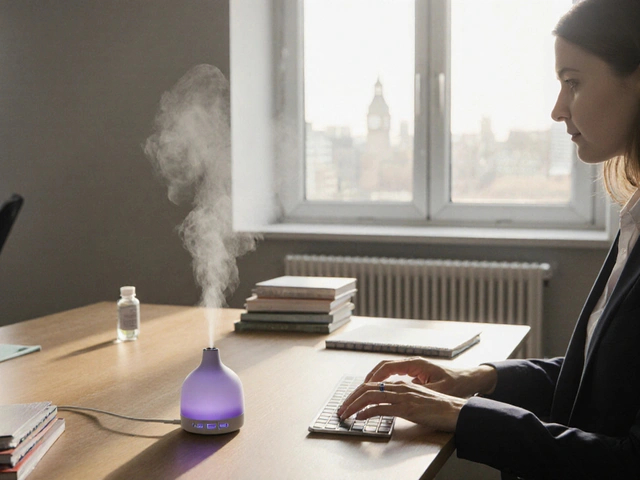
Medical Massage: How Clinical Bodywork Accelerates Healing
Imagine waking up with a stiff neck that won’t quit. You’ve tried heat packs, over-the-counter painkillers, and stretching. Nothing works. Now imagine a therapist who doesn’t just rub your muscles to make you relax, but digs into the tissue like a mechanic diagnosing an engine problem. That is medical massage, also known as clinical massage therapy. It is not a spa treatment. It is a targeted therapeutic intervention designed to address specific medical conditions.
In Sydney’s bustling healthcare scene, we see a growing shift away from purely symptomatic treatments toward holistic, body-based solutions. Medical massage bridges the gap between traditional medicine and manual therapy. It requires a deeper understanding of anatomy, physiology, and pathology than standard relaxation massage. If you are dealing with chronic pain, post-surgical recovery, or sports injuries, this approach might be the missing link in your healing journey.
What Exactly Is Medical Massage?
To understand medical massage, you first have to unlearn what you know about spa massages. In a typical spa setting, the goal is stress reduction and general well-being. The therapist uses broad, flowing strokes to induce relaxation. In contrast, medical massage focuses on treating specific musculoskeletal dysfunctions and pathologies. It is often prescribed by doctors, physical therapists, or chiropractors as part of a broader treatment plan.
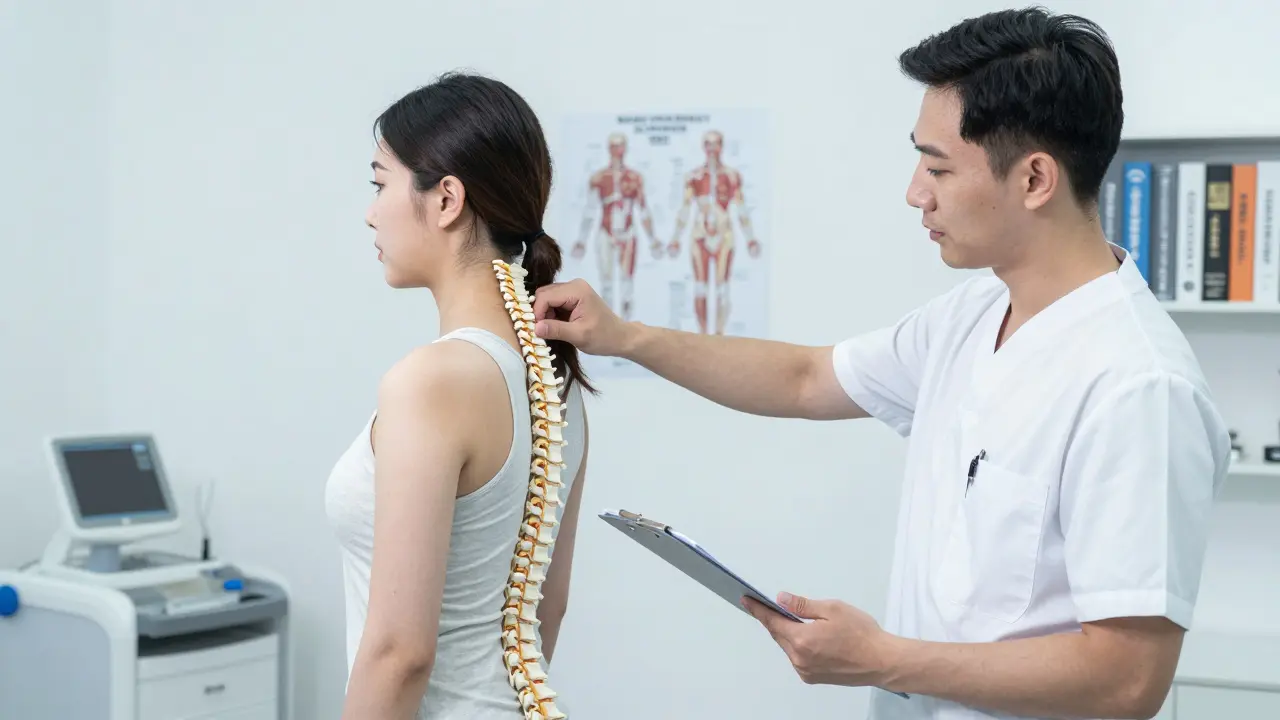
A medical massage therapist acts more like a clinician. They assess your posture, range of motion, and pain levels before touching you. They map out which muscles are tight, which are weak, and how those imbalances affect your joints and nerves. For example, if you have lower back pain, a medical massage therapist might not just work on your back. They might discover that tight hip flexors from sitting at a desk all day are pulling your pelvis out of alignment, causing the back pain. They treat the root cause, not just the symptom.
This distinction matters because it changes the experience. Medical massage can be intense. You might feel discomfort during the session as the therapist works through adhesions or scar tissue. However, the goal is functional improvement. You should leave the table feeling better mechanically, even if you are sore for a day or two afterward.
Key Techniques Used in Clinical Practice
Medical massage isn't one single technique; it is a toolkit. Therapists draw from various modalities depending on your condition. Here are the most common approaches you will encounter:
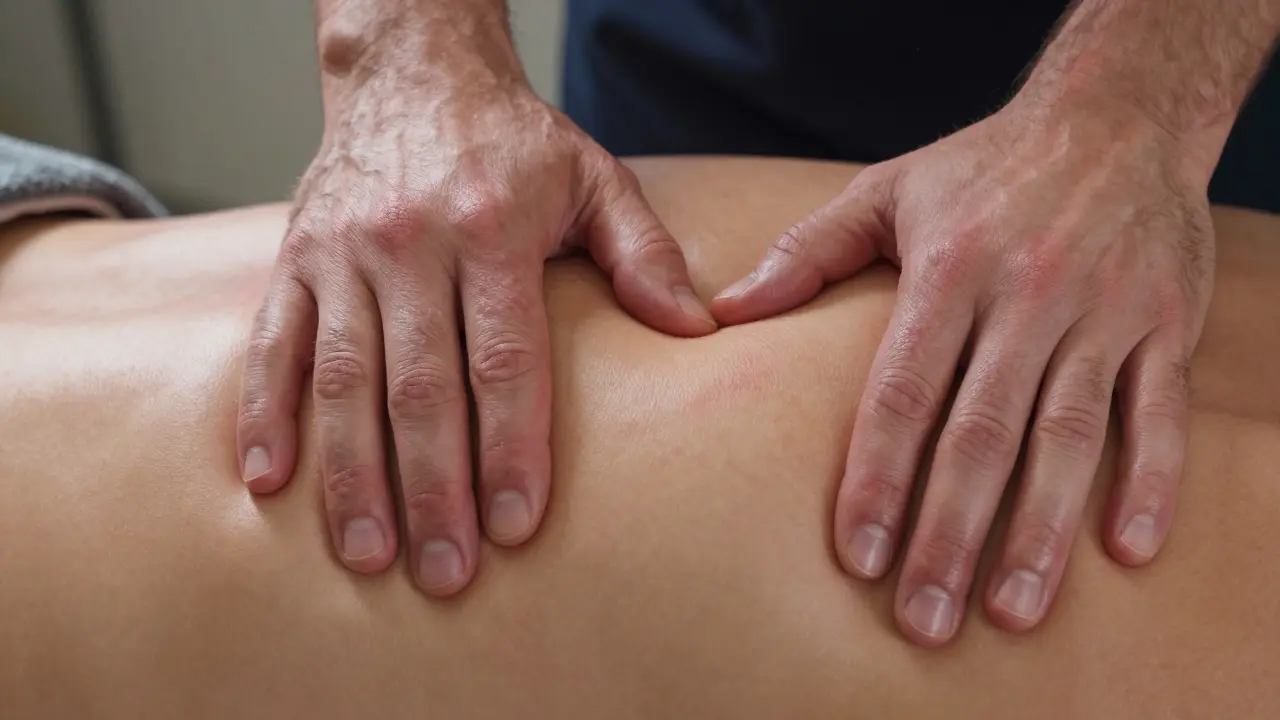
- Myofascial Release: This technique targets the fascia, the connective tissue that surrounds your muscles, bones, and organs. When fascia becomes tight or restricted due to injury or inflammation, it can pull on muscles and limit movement. Myofascial release uses gentle, sustained pressure to stretch and loosen this tissue. Think of it like untangling a knotted net rather than squeezing a muscle.
- Trigger Point Therapy: Trigger points are hyper-irritable spots within a taut band of skeletal muscle. They can refer pain to other parts of the body. For instance, a trigger point in your shoulder blade might cause headaches. A therapist applies direct, focused pressure to these points to deactivate them, relieving both local and referred pain.
- Deep Tissue Massage: Unlike deep pressure for its own sake, deep tissue massage in a medical context targets the deeper layers of muscle and connective tissue. It is used to break down scar tissue and chronic tension patterns. This is often used for athletes or people with repetitive strain injuries.
- Craniosacral Therapy: This is a gentle, hands-on method that evaluates and treats the craniosacral system, which includes the membranes and cerebrospinal fluid surrounding the brain and spinal cord. It is often used for headaches, migraines, and central nervous system issues.
- Neuromuscular Therapy: This approach combines elements of trigger point therapy, myofascial release, and stretching. It focuses on correcting muscular imbalances and restoring proper nerve function.
A skilled therapist will blend these techniques. You might start with myofascial release to warm up the tissue, move to trigger point therapy to address specific pain sources, and finish with stretching to restore range of motion.
Who Benefits Most from Medical Massage?
Not everyone needs medical massage. If you just want to unwind after a long week, a Swedish massage is perfect. But if you are dealing with specific health issues, medical massage offers targeted relief. Here are some common scenarios where it shines:
| Condition | How Medical Massage Helps | Common Techniques Used |
|---|---|---|
| Chronic Back Pain | Reduces muscle spasms, improves circulation, and corrects postural imbalances. | Deep Tissue, Myofascial Release |
| Sports Injuries | Accelerates recovery, breaks down scar tissue, and restores flexibility. | Trigger Point Therapy, Neuromuscular Therapy |
| Post-Surgical Recovery | Prevents adhesions, reduces swelling, and promotes lymphatic drainage. | Lymphatic Drainage, Gentle Myofascial Release |
| Tension Headaches | Relieves tightness in neck and shoulder muscles that contribute to headache pain. | Trigger Point Therapy, Craniosacral Therapy |
| Repetitive Strain Injury (RSI) | Addresses overuse patterns in wrists, elbows, and shoulders. | Deep Tissue, Stretching |
Consider Sarah, a graphic designer in Sydney who suffers from carpal tunnel syndrome. Her doctor prescribed wrist braces and anti-inflammatories, but her pain persisted. A medical massage therapist identified tight forearms and poor posture as contributing factors. Through a combination of forearm trigger point therapy and upper back myofascial release, Sarah experienced significant relief within four sessions. She also received ergonomic advice to prevent future flare-ups.
The Difference Between Medical and Relaxation Massage
It is crucial to understand the distinction so you can set realistic expectations. Relaxation massage is about feeling good in the moment. Medical massage is about getting better over time.
Here is a quick comparison:
- Goal: Relaxation massage aims for stress reduction. Medical massage aims for pain relief and functional improvement.
- Assessment: Relaxation massage usually skips detailed assessment. Medical massage starts with a thorough intake and physical evaluation.
- Pressure: Relaxation massage uses light to medium pressure. Medical massage uses varying pressures, often deep and specific, which can be uncomfortable.
- Frequency: Relaxation massage is often monthly or occasional. Medical massage may require weekly or bi-weekly sessions initially, tapering off as symptoms improve.
- Provider Qualifications: While both require licensing, medical massage therapists often have additional certifications in orthopedic assessment, sports medicine, or neurology.
If you walk into a medical massage session expecting a tranquil environment with soft music and a hot stone ritual, you might be disappointed. The room might look more like a clinic. The conversation will focus on your pain levels, medical history, and goals. But the results can be profound.
Finding the Right Practitioner in Australia
Not all massage therapists are trained in medical massage. In Australia, the title "massage therapist" is not strictly regulated, which means anyone can call themselves one. To ensure you are seeing a qualified professional, look for specific credentials.
Check if they are registered with organizations like the Australian Association of Massage Therapists (AAMT) or the Osteopathic Alliance. Look for qualifications such as a Diploma of Remedial Massage or a Bachelor of Health Science in Massage Therapy. These programs include extensive study in anatomy, physiology, and pathology.
When booking your first appointment, ask questions:
- Do you specialize in medical or remedial massage?
- Have you treated my specific condition before?
- Will you provide a treatment plan?
- Do you collaborate with other healthcare providers?
A good medical massage therapist will welcome these questions. They should explain their approach clearly and involve you in the decision-making process. They might also recommend exercises or stretches to do at home to support the treatment.
Insurance and Cost Considerations
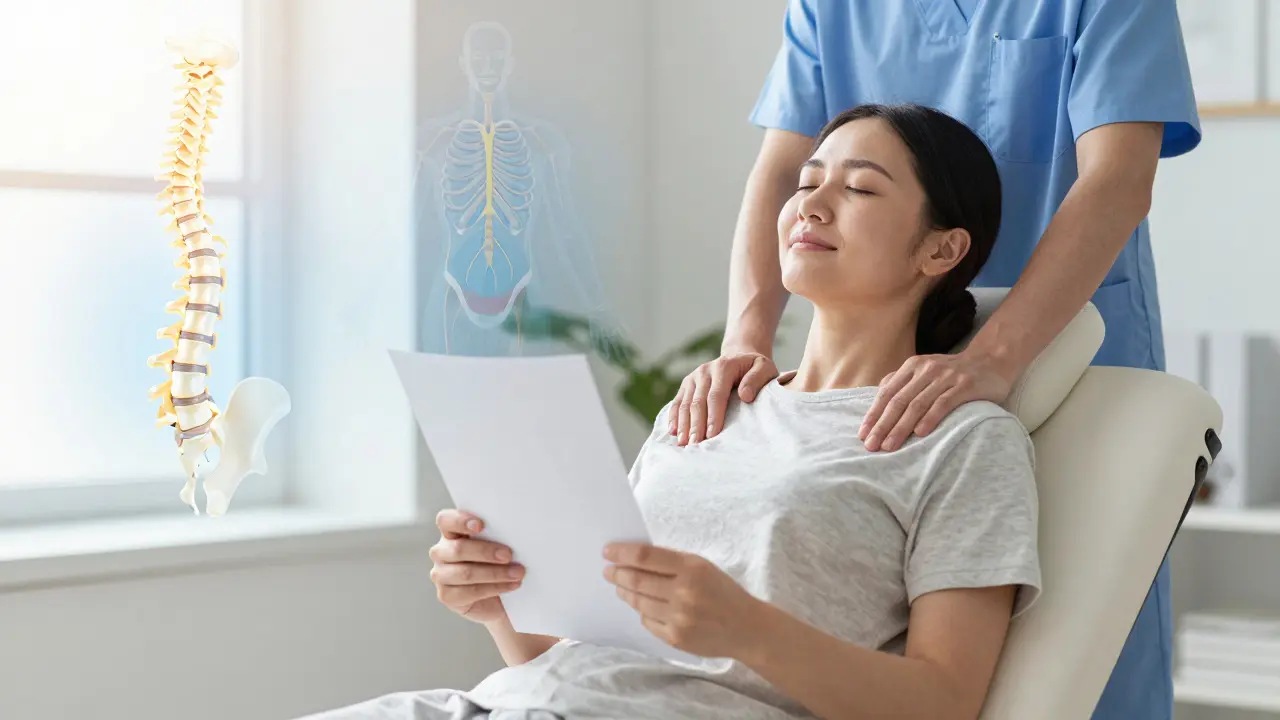
In Australia, many private health insurance policies cover remedial or medical massage when prescribed by a GP or specialist. Check your policy details before booking. Some insurers require a referral letter outlining the medical necessity of the treatment.
Costs vary depending on location and practitioner experience. In Sydney, you might expect to pay between $100 and $150 for a 60-minute session. While this is an investment, consider the cost of ongoing pain medication, lost productivity, or further medical interventions if the underlying issue is not addressed.
Integrating Medical Massage into Your Health Plan
Medical massage works best when integrated with other therapies. It is rarely a standalone cure. Combine it with:
- Physical Therapy: Strengthening weak muscles and improving movement patterns.
- Ergonomic Adjustments: Modifying your workspace to reduce strain.
- Nutrition: Anti-inflammatory diets can support tissue healing.
- Mindfulness Practices: Stress management techniques to prevent muscle tension from returning.
Think of medical massage as one piece of the puzzle. It addresses the structural and mechanical aspects of your health, allowing other treatments to work more effectively. For example, if you are doing physical therapy exercises but your muscles are too tight to perform them correctly, medical massage can loosen the tissue so you can engage properly.
Conclusion: A Proactive Approach to Healing
Medical massage is not a luxury; it is a healthcare tool. It empowers you to take control of your body and address pain at its source. Whether you are recovering from surgery, managing chronic pain, or trying to stay active despite an injury, medical massage offers a natural, evidence-based path to healing. By choosing a qualified practitioner and committing to the process, you can improve your quality of life and reduce your reliance on medications. Your body has an innate ability to heal; medical massage simply removes the obstacles standing in its way.
Is medical massage painful?
Medical massage can be uncomfortable, especially when working on tight or injured tissues. However, it should not be excruciating. Good therapists communicate throughout the session and adjust pressure based on your feedback. Post-session soreness is normal but should subside within 24-48 hours.
How many sessions of medical massage do I need?
The number of sessions depends on your condition. Acute injuries might resolve in 3-5 sessions. Chronic conditions may require 8-12 sessions or more. Your therapist will create a personalized plan and reassess your progress regularly.
Does health insurance cover medical massage in Australia?
Many private health insurance funds in Australia cover remedial or medical massage with a prescription from a GP or specialist. Check your specific policy for coverage limits and requirements, such as needing a referral letter.
What should I wear to a medical massage appointment?
Wear comfortable, loose-fitting clothing that allows easy access to the areas being treated. You will likely be asked to disrobe to your level of comfort and use undergarments provided by the clinic. Draping ensures only the area being worked on is exposed.
Can medical massage help with non-musculoskeletal issues?
While primarily focused on musculoskeletal issues, medical massage can indirectly help with conditions like anxiety, insomnia, and digestive problems by reducing stress and improving circulation. However, it is not a replacement for medical treatment for systemic diseases.