Lomi Lomi Massage: History, Benefits, and What to Expect

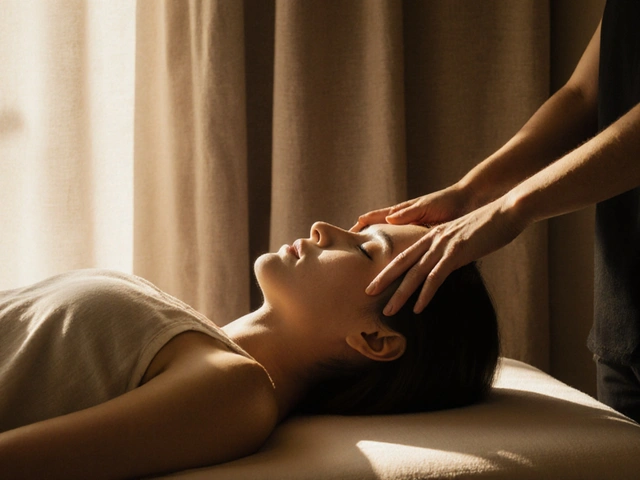
Have you ever felt so relaxed that your muscles simply melted away? That is the promise of Lomi Lomi, a traditional Hawaiian massage technique known for its long, flowing strokes and deep sense of connection. Unlike standard Swedish massage, which focuses on isolated muscle groups, Lomi Lomi treats the body as a whole system. It combines physical manipulation with spiritual intention, creating an experience that feels less like a medical procedure and more like a gentle embrace.
In Hawaii, the word "lomi" means to knead, press, or rub. But in practice, it is much more than just rubbing oil into skin. This ancient art form has survived centuries of colonization and cultural suppression to become one of the most sought-after holistic therapies in the world today. Whether you are dealing with chronic tension, emotional blockages, or just need a break from the daily grind, understanding what makes this therapy unique can help you decide if it is right for you.
The Roots of Lomi Lomi: More Than Just Rubbing Oil
To understand Lomi Lomi, you have to look at its origins. In pre-colonial Hawaii, there was no strict separation between physical health and spiritual well-being. The healers, known as Kahunas, used massage not only to fix sore backs but also to restore balance to the spirit. They believed that illness often stemmed from a disruption in the flow of energy, or mana, through the body.
Historically, Lomi Lomi was performed by women who were trained in both herbal medicine and spiritual practices. They used local plants like kukui nut oil, which is rich in omega-3 fatty acids, to lubricate the skin. The goal was to clear stagnant energy and promote harmony. Today, while many practitioners focus primarily on the physical benefits, the underlying philosophy remains: the body heals best when the mind and spirit are at peace.
| Feature | Lomi Lomi | Swedish Massage |
|---|---|---|
| Stroke Style | Long, continuous, flowing (using forearms) | Shorter, varied strokes (using hands/thumbs) |
| Primary Focus | Holistic: Body, mind, and spirit | Physical: Muscle relaxation and circulation |
| Pace | Slow, rhythmic, meditative | Moderate, adjustable pressure |
| Energy Work | Often includes intention setting or prayer | Rarely includes spiritual elements |
| Best For | Deep relaxation, emotional release, trauma recovery | General maintenance, sports recovery, mild tension |
How It Feels: The Technique Explained
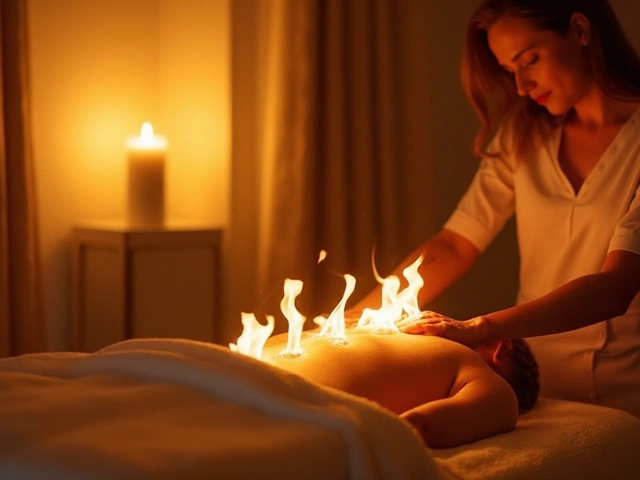
If you have never experienced Lomi Lomi, imagine being wrapped in a warm, weighted blanket while someone gently glides over your entire body. The therapist uses their forearms, elbows, and sometimes even their feet to apply broad, sweeping pressure. This allows them to cover large areas of the back, legs, and arms without digging into specific knots with thumbs, which can sometimes cause discomfort.
The session usually begins with the client lying face down. The therapist warms up the oil and starts with long strokes from the ankles up to the neck, then sweeps down the sides of the body. These movements are rhythmic and repetitive, designed to induce a trance-like state. As the session progresses, the therapist may switch to using their hands for more detailed work on the shoulders or feet, but the overall flow remains uninterrupted.
One key aspect is the use of breath. Both the practitioner and the client are encouraged to breathe deeply. The therapist’s movements often sync with the client’s breathing pattern, enhancing the sense of connection and safety. By the end of the session, you might feel slightly dizzy or emotionally vulnerable. This is normal. The deep relaxation can bring up suppressed emotions, which is part of the healing process.
Key Benefits Beyond Relaxation
While feeling good is a great side effect, Lomi Lomi offers tangible health benefits backed by both anecdotal evidence and growing research in somatic therapy. Here is what you can realistically expect:
- Reduced Cortisol Levels: The slow, rhythmic nature of the massage activates the parasympathetic nervous system, lowering stress hormones significantly more than high-intensity workouts or quick fixes.
- Improved Circulation: The broad strokes push blood and lymph fluid toward the heart, helping to remove toxins and reduce swelling in the extremities.
- Emotional Release: Many clients report crying or laughing during sessions. This happens because the body stores trauma in muscle tissue. Releasing physical tension often unlocks emotional baggage.
- Better Sleep Quality: The deep state of relaxation achieved during Lomi Lomi can reset your sleep cycle, making it easier to fall asleep and stay asleep.
- Pain Management: For conditions like fibromyalgia or chronic lower back pain, the gentle yet deep pressure can provide relief without the inflammation caused by aggressive deep-tissue techniques.
It is important to note that Lomi Lomi is not a cure-all. It works best as part of a broader wellness routine that includes proper nutrition, exercise, and mental health care.

What to Expect During Your First Session
Walking into a spa for your first Lomi Lomi can be intimidating if you are used to clinical settings. Here is a step-by-step guide to navigating the experience:
- Consultation: Before you get on the table, the therapist will ask about your health history, any injuries, and your goals for the session. Be honest about any sensitivities or preferences.
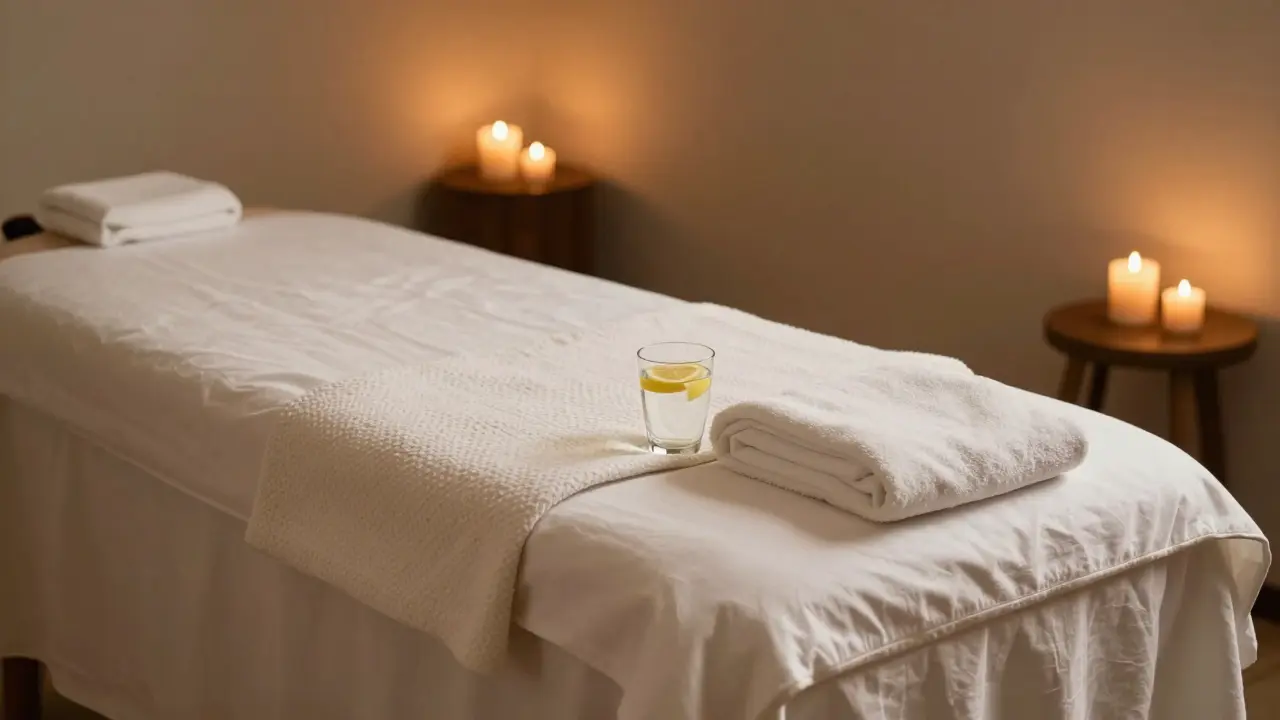
- Setting the Space: Authentic Lomi Lomi sessions often take place in dimly lit rooms with soft music, incense, or chanting. This environment is intentional-it helps quiet the mind.
- Undressing: You will undress to your comfort level. Most people choose to remain fully unclothed, but you can keep underwear on if you prefer. You will be covered by sheets and blankets throughout the session, with only the area being worked on exposed.
- The Session: Expect the therapist to talk to you softly, guiding your breath or explaining what they are doing. Silence is also common. If you feel uncomfortable at any point, speak up. Consent is paramount.
- Aftercare: After the massage, you will have time to rest before getting dressed. Drink plenty of water to help flush out toxins released during the session. Avoid heavy meals or intense exercise for the rest of the day.
Finding a Qualified Practitioner
Not all massages labeled "Hawaiian" are true Lomi Lomi. Some spas use the term loosely to market a standard Swedish massage with tropical music. To ensure you are getting the authentic experience, look for these credentials:
- Certification: Look for therapists certified by recognized organizations like the Hawaii Spa Association or schools that offer specific Lomi Lomi training programs.
- Experience: Ask how long they have been practicing Lomi Lomi specifically. A general massage therapist may not have the nuanced skills required for this style.
- Philosophy: Read their website or bio. Do they mention energy work, intention, or holistic healing? These are hallmarks of a practitioner who respects the tradition.
- Reviews: Check online reviews for mentions of "flow," "spiritual," or "deeply relaxing." Generic praise like "good pressure" might indicate a more conventional approach.
If you live in a major city like Adelaide, Sydney, or Melbourne, you will likely find several reputable studios. However, always call ahead to confirm their specific style. Some therapists blend Lomi Lomi with Shiatsu or Reflexology, which can be beneficial but changes the experience.
Who Should Avoid Lomi Lomi?
While Lomi Lomi is safe for most people, there are certain situations where you should skip it or consult a doctor first:
- Acute Injuries: If you have a fresh sprain, fracture, or severe bruising, the pressure could worsen the injury.
- Infectious Conditions: Skin infections, fever, or contagious illnesses should be avoided to protect both you and the therapist.
- Pregnancy: While prenatal massage exists, Lomi Lomi involves deep abdominal work and strong pressure points that may not be suitable for pregnant women unless the therapist is specially trained in prenatal care.
- Blood Clots: People with thrombosis or deep vein thrombosis (DVT) should avoid massage due to the risk of dislodging clots.
- Severe Osteoporosis: The bone density issues make deep pressure risky for fractures.
Cost and Frequency Recommendations
Lomi Lomi sessions typically range from $100 to $200 AUD for a 60-minute treatment, depending on the location and the therapist’s expertise. Given the depth of the experience, many experts recommend scheduling sessions every 4 to 6 weeks for maintenance. If you are dealing with acute stress or pain, weekly sessions for a month can provide significant relief.
Think of it as an investment in your nervous system. Regular practice can lower your baseline stress levels, making you more resilient to daily pressures. It is not just a luxury; it is a tool for longevity and well-being.
Is Lomi Lomi sexual?
No. Professional Lomi Lomi is strictly therapeutic and non-sexual. Therapists adhere to strict ethical codes and boundaries. Any suggestion of sexual activity is a red flag and should be reported immediately.
Does Lomi Lomi hurt?
Generally, no. It is designed to be gentle and flowing. However, if you have chronic tension, some areas may feel tender as the muscles release. Communicate with your therapist to adjust pressure.
Can I do Lomi Lomi on myself?
You can learn basic self-massage techniques using forearm strokes, but the full benefit comes from the external perspective and energy exchange of a professional therapist. Self-practice is good for maintenance but not a replacement for a full session.
What oil is used in Lomi Lomi?
Traditionally, kukui nut oil is used because it absorbs quickly and nourishes the skin. Modern practitioners may use coconut oil, jojoba oil, or almond oil based on client allergies and preferences.
How long does a typical session last?
Sessions usually last 60 or 90 minutes. A 60-minute session covers the main areas, while 90 minutes allows for deeper work and more time for integration and relaxation afterward.