Hilot Massage: The Ancient Filipino Healing Tradition Explained
Imagine a massage that doesn’t just relax your muscles but aims to realign your entire energy system. That is the promise of Hilot, an ancient Filipino traditional healing practice that combines physical manipulation with spiritual intention. While Western massages often focus on sports recovery or stress relief through tissue work alone, Hilot operates on a different premise. It views the body as an interconnected web where physical pain, emotional blockages, and spiritual imbalance are all symptoms of the same root cause.
If you have ever felt drained after a standard spa visit, or if conventional medicine has left you searching for answers regarding chronic fatigue or unexplained aches, Hilot might be the missing piece. This isn't just about rubbing oil on skin; it is a centuries-old discipline passed down through generations of Filipino healers known as mananambal. Today, we are breaking down exactly what this practice is, how it works, and why it is gaining traction globally as a powerful form of holistic wellness.
What Exactly Is Hilot?
To understand Hilot, you first need to let go of the idea that massage is purely mechanical. In the Philippines, Hilot has been practiced for hundreds of years, long before modern chiropractic or osteopathic methods existed. The word "Hilot" comes from the Tagalog verb maghilot, which means to rub, squeeze, or pull. However, in practice, it encompasses much more than those physical actions.
Traditional Filipino Medicine relies heavily on the concept of energy flow. Practitioners believe that health is maintained when the body's natural energies-often referred to as hangin (air/wind) or dugo (blood)-flow freely. When these energies get blocked due to trauma, poor posture, or even negative emotions, illness and pain result. A Hilot session is designed to remove these blockages.
Unlike Swedish massage, which uses long, gliding strokes to promote general relaxation, Hilot employs deep, rhythmic pressure. It involves pulling, stretching, and compressing specific points along the spine and limbs. Think of it less like a spa treatment and more like a structural adjustment performed with hands rather than tools. The goal is not just to feel good during the session, but to restore balance so you feel better days later.
The Core Principles Behind the Practice
Why does Hilot work for conditions that other therapies might miss? It comes down to its holistic framework. Most modern treatments isolate problems: a back specialist treats the back, a cardiologist treats the heart. Hilot practitioners look at the whole person. They assess your lifestyle, your emotional state, and your physical history before touching you.
One key principle is the distinction between lamig (cold) and init (hot) conditions. This is similar to concepts found in Traditional Chinese Medicine or Ayurveda. If a patient suffers from "cold" ailments like stiffness, chills, or low energy, the practitioner will use warming oils and vigorous friction to generate heat. Conversely, for "hot" conditions like inflammation, fever, or acute injury, they might use cooling herbs and gentler techniques to soothe the area. Understanding this thermal balance is crucial for effective treatment.
Another pillar is the connection between the spine and overall health. Hilot places immense importance on the vertebral column. Practitioners believe that misalignments in the spine disrupt nerve signals and energy flow to the rest of the body. By gently manipulating the spine and surrounding tissues, they aim to correct these alignments, thereby improving organ function and reducing pain throughout the system.
Common Techniques Used in a Session
When you lie down for a Hilot session, you won't experience a one-size-fits-all routine. Each technique is chosen based on your specific needs. Here are the most common methods you will encounter:
- Deep Tissue Compression: Using thumbs, palms, and elbows, the practitioner applies sustained pressure to trigger points. This helps release deep-seated knots and adhesions in the muscle fascia.
- Stretching and Pulling: Often called pagsasara, this involves gently pulling limbs or twisting the torso to open up joints and stretch tight muscles. It feels similar to yoga-assisted stretches but is done passively by the healer.
- Rhythmic Rubbing: Fast, repetitive motions are used to stimulate blood circulation and warm up cold areas. This is particularly effective for stiff shoulders or lower backs.
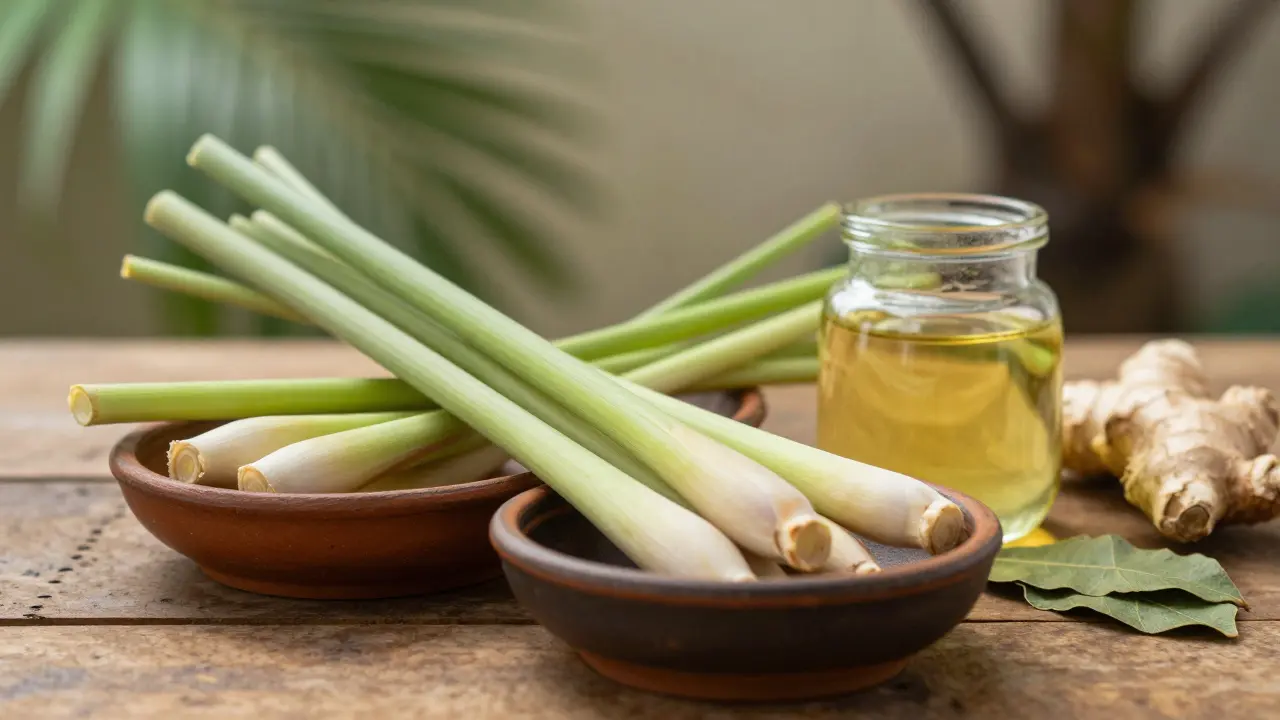
- Herbal Oil Application: Most sessions use warm herbal oils infused with ingredients like lemongrass, ginger, or camphor. These aren't just for scent; they penetrate the skin to provide therapeutic benefits.
A typical session lasts between 60 to 90 minutes. You will usually start with a consultation where the practitioner asks about your sleep, diet, and stress levels. Then, the physical work begins, often starting from the feet and moving upward toward the head, following the direction of energy flow.

Health Benefits Beyond Relaxation
While relaxation is a nice side effect, people seek out Hilot for tangible health improvements. Because it addresses both physical structure and energy flow, its benefits are wide-ranging.
Pain Management: Many individuals turn to Hilot for chronic back pain, sciatica, and joint issues. By correcting spinal alignment and releasing muscular tension, it can reduce reliance on painkillers. For example, someone suffering from lower back pain due to sitting all day might find relief not just in the lumbar region, but also in their hips and legs, which are often connected via fascial lines.
Digestive Health: Surprisingly, Hilot is often recommended for digestive issues like bloating, constipation, and indigestion. The abdominal massage techniques used in Hilot stimulate peristalsis-the wave-like muscle contractions that move food through the gut. It also helps relieve gas buildup, providing immediate comfort.
Emotional Release: Trauma and stress store themselves in the body. Tight necks, clenched jaws, and restricted breathing are physical manifestations of anxiety. Hilot practitioners are trained to notice these signs. As they work on these areas, clients often report feeling lighter emotionally, sometimes even experiencing tears during the session as held tension is released.
Hilot vs. Other Modalities: How Does It Compare?
It is easy to confuse Hilot with Thai massage or Chiropractic care because they share some similarities. However, there are distinct differences that set Hilot apart.
| Feature | Hilot | Thai Massage | Chiropractic |
|---|---|---|---|
| Origin | Philippines | Thailand | USA (Modern) |
| Primary Focus | Energy flow & Spinal alignment | Joint mobility & Stretching | Spinal adjustment & Nerve function |
| Technique | Rubbing, squeezing, pulling | Compression, rocking, stretching | High-velocity thrusts |
| Clothing | Usually clothed or draped | Clothed (loose attire) | Clothed |
| Spiritual Element | Strong (Prayer/Intention) | Moderate (Yoga roots) | Minimal (Clinical) |
Notice the spiritual element. While Chiropractic is strictly clinical and scientific, Hilot integrates prayer and intention. The practitioner may say a short prayer before starting, asking for guidance and healing power. This adds a layer of mindfulness and trust that many clients find deeply comforting.
Finding a Qualified Practitioner
As Hilot gains popularity outside the Philippines, finding a genuine practitioner can be tricky. Unfortunately, some spas label any deep-tissue massage as "Hilot" without proper training. To ensure you receive authentic care, look for these credentials:
- Lineage or Certification: Authentic Hilot is often taught within families or through recognized schools in the Philippines. Look for practitioners who mention their teacher or lineage (e.g., trained under a master mananambal).
- Consultation Process: A real Hilot session starts with questions. If the therapist immediately puts you face down and starts rubbing without asking about your health, it might just be a regular massage.
- Use of Herbal Oils: Authentic practitioners almost always use warm, homemade herbal oils. If they use generic lotion, be skeptical.
- Focus on Energy: Listen for language about energy blocks, hot/cold conditions, or alignment. This indicates a deeper understanding of the modality.
In cities with large Filipino communities, such as Los Angeles, New York, or Sydney, you are more likely to find traditional practitioners. Online directories and cultural centers can also be valuable resources.
Who Should Avoid Hilot?
While Hilot is safe for most people, it is not suitable for everyone. Because it involves deep pressure and manipulation, certain conditions require caution or avoidance.
You should avoid Hilot if you have acute injuries like fresh fractures, severe burns, or open wounds. Pregnant women should consult their doctor first, especially in the first trimester, as certain pressure points can stimulate uterine contractions. People with blood clotting disorders or those taking blood thinners should also proceed with extreme caution, as deep tissue work can increase bruising risk.
If you have cancer, heart disease, or high blood pressure, always get clearance from your primary care physician. A skilled Hilot practitioner will also screen for these conditions and modify their technique or decline treatment if necessary.
Preparing for Your First Session
To get the most out of your Hilot experience, preparation matters. Wear loose, comfortable clothing that allows for movement. Since you will likely remain clothed, avoid tight jeans or restrictive dresses. Drink plenty of water before and after the session to help flush out toxins released from the muscles.
Arrive early to fill out any intake forms and discuss your concerns openly. Be honest about your pain levels and medical history. The more the practitioner knows, the better they can tailor the session to your needs. Finally, approach the session with an open mind. If the practitioner suggests focusing on a specific area you didn't expect, trust their intuition-they are likely sensing an energy block you weren't aware of.
The Future of Hilot in Global Wellness
We are seeing a shift in how people view health. The demand for holistic, non-invasive therapies is rising as people become disillusioned with quick-fix pharmaceutical solutions. Hilot fits perfectly into this trend. It offers a bridge between ancient wisdom and modern wellness needs.
In recent years, Hilot has started appearing in integrative medicine clinics alongside acupuncture and yoga. Researchers are beginning to study its effects on pain reduction and mental well-being, lending scientific credibility to this traditional art. As awareness grows, we can expect more standardized training programs and broader accessibility worldwide.
Whether you are dealing with chronic pain, seeking emotional release, or simply curious about Filipino culture, Hilot offers a unique path to healing. It reminds us that our bodies are intelligent systems capable of self-correction when given the right support. By embracing practices like Hilot, we reconnect with the timeless truth that true health is a balance of body, mind, and spirit.
Is Hilot painful?
Hilot can be intense, especially if you have significant muscle tension or energy blockages. However, it should not be excruciating. A skilled practitioner will adjust their pressure based on your feedback. Some discomfort is normal as deep knots are released, but sharp pain is a signal to communicate with your therapist.
How often should I get a Hilot massage?
For acute issues like back pain, weekly sessions for 4-6 weeks are often recommended. For maintenance and general wellness, once a month or every two weeks is sufficient. Listen to your body; if you feel stiff or stressed, a session can help restore balance.
Can Hilot cure diseases?
Hilot is a complementary therapy, not a replacement for medical treatment. It can alleviate symptoms and improve quality of life for conditions like arthritis, migraines, and digestive issues. However, serious illnesses require diagnosis and treatment from qualified medical professionals.
Do I need to undress for Hilot?
Typically, no. Hilot is usually performed over light, loose clothing. This respects modesty and allows the practitioner to manipulate joints and muscles effectively. Drapes or towels may be used for additional coverage and warmth.
What are the best herbal oils used in Hilot?
Common ingredients include lemongrass (for pain), ginger (for warming), camphor (for congestion), and lavender (for relaxation). Practitioners often make their own blends based on the client's specific condition, whether it is "hot" or "cold" in nature.