Hammam: The Ultimate Spa Experience Guide
You’ve probably heard the term Hammam is a type of public steam bath found in Turkey and other countries with a history of Ottoman influence. But if you think it’s just a fancy shower or a standard sauna, you’re missing out on one of the most profound relaxation rituals in human history. It’s not about getting clean; it’s about resetting your nervous system, detoxifying your skin, and stepping into a space where time slows down.
Unlike the dry heat of a Finnish sauna or the wet heat of a steam room, a hammam operates on a different principle entirely. It uses humid heat generated by hot water flowing through marble structures. This creates an environment that opens your pores without suffocating you. If you’re planning your first visit, or if you’ve been curious but intimidated by the etiquette, this guide breaks down exactly what happens, why it works, and how to get the most out of the experience.
The Anatomy of a Hammam
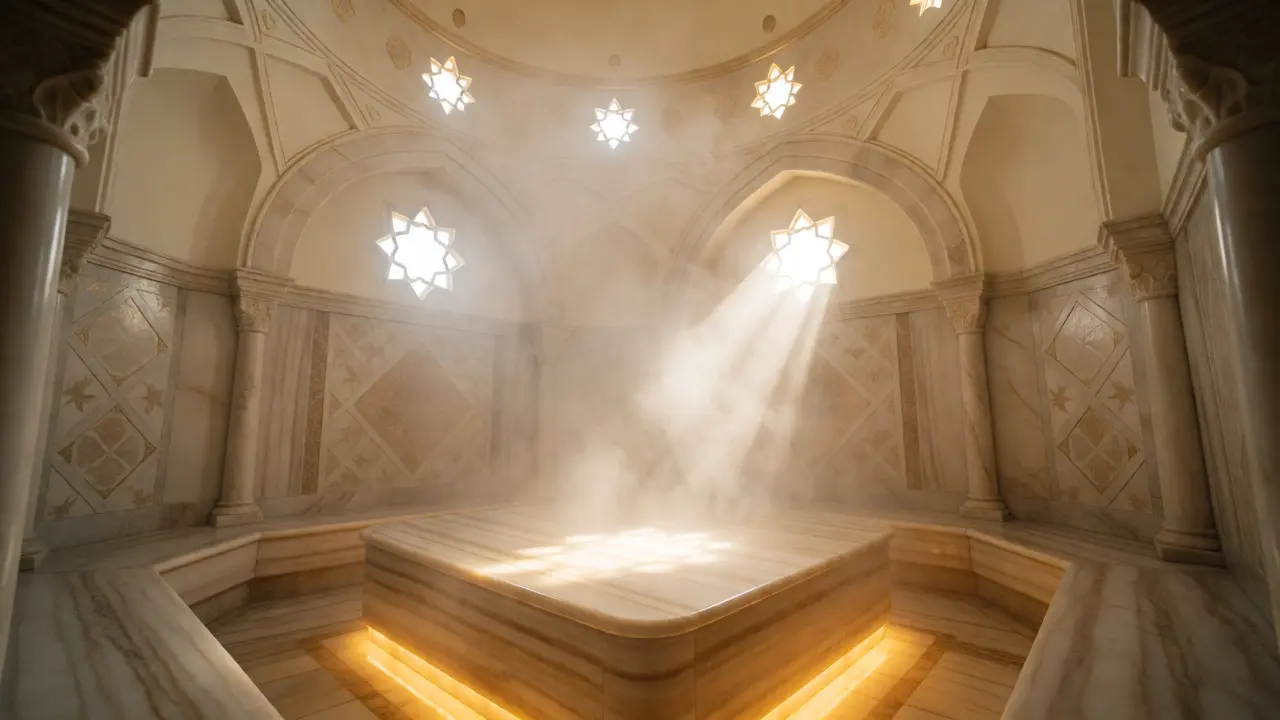
To understand the experience, you have to look at the architecture. A traditional Hammam typically consists of three main rooms: the Camekan (entrance), the Sogukluk (cooling room), and the Sicaklik (hot room). You don’t jump straight into the heat. You start in the Camekan, a transitional area where you change clothes and adjust to the humidity. This gradual acclimatization prevents the shock to your cardiovascular system that can happen when you step directly from a cold street into a 40°C steam room.
The heart of the facility is the Sicaklik. Here, the floor is made of heated marble, often called a göbek taşı or "belly stone." This isn't just for sitting; it’s a therapeutic surface. Lying on warm marble helps relax deep muscle tension better than air heat alone because conduction transfers energy more efficiently. The walls are thick stone, retaining heat for hours, which means the temperature remains stable even if people come and go. The humidity levels usually hover between 85% and 100%, creating a dense, moist atmosphere that feels heavy but breathable.
Step-by-Step: What Actually Happens Inside
If you walk into a high-end spa in Istanbul or a local bathhouse in Morocco, the sequence is remarkably consistent. Knowing the steps removes the anxiety of "what do I do next?"
- Preparation: You’ll be given a Pestemal, a thin cotton towel similar to a sarong, to wrap around your waist. In some modern spas, you might wear swimwear, but traditionalists insist on the pestemal. You enter the hot room and lie on the warm marble slab for 10-15 minutes. This phase is purely about sweating and opening up.
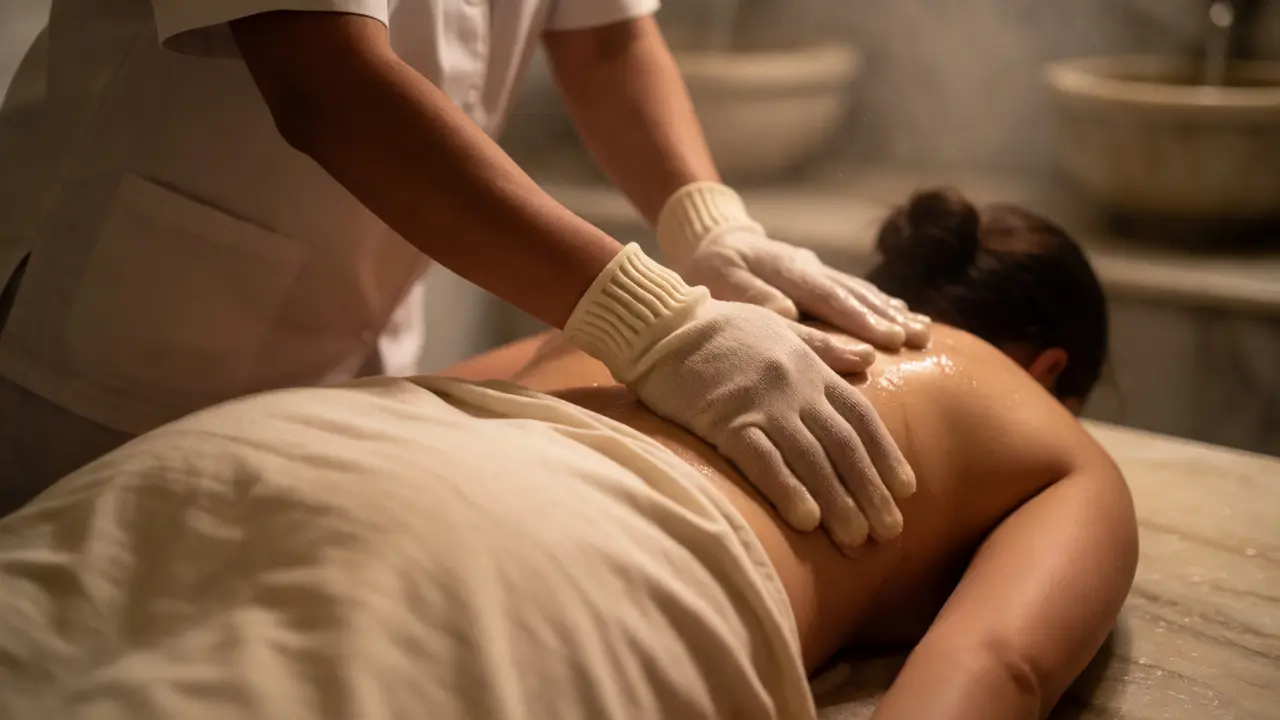
- The Scrub (Kese): This is the part everyone talks about. A attendant, known as a Tellak (male) or Tellek (female), will use a rough silk glove to exfoliate your entire body. They rub vigorously, rolling off dead skin cells in little gray pills. It sounds painful, but it feels like a strange, satisfying itch. This process removes layers of dead skin that regular showers miss.
- The Foam Wash: After the scrub, the attendant wraps you in a foam made from olive oil soap. They massage this foam into your skin, working out the remaining dirt and soothing the freshly exfoliated surface. The olive oil acts as a natural moisturizer, preventing the dryness that often follows aggressive exfoliation.
- Rinsing: You move to a basin area to rinse off. The water here is often cooler, helping to close the pores again. Some facilities offer cold plunges, which are excellent for circulation.
- Rest and Hydrate: You return to the cooling room to rest. This is non-negotiable. Your body has lost significant fluids. You’ll likely be served tea or lemonade. Staying hydrated is critical to avoiding headaches later.
Why Your Skin Will Thank You
Modern skincare routines often involve acids and retinols that can irritate the skin barrier. A hammam offers a mechanical alternative that is surprisingly gentle yet effective. The combination of heat and steam softens the keratin bonds holding dead skin cells together. When the Tellak performs the scrub, they aren't just removing surface dirt; they are accelerating cell turnover.
People with conditions like eczema or psoriasis often report relief after hammam sessions. Why? Because the steam hydrates the deeper layers of the epidermis while the scrub removes scales. However, if you have open wounds or severe inflammation, skip the scrub and stick to the steam. Always inform your attendant about any skin sensitivities before they start rubbing.
| Feature | Hammam | Finnish Sauna | Steam Room |
|---|---|---|---|
| Heat Source | Heated Marble & Hot Water | Dry Wood Fire/Stones | Boiler Steam |
| Humidity Level | High (85-100%) | Low (10-20%) | Very High (100%) |
| Temperature | Moderate (40-50°C) | High (70-100°C) | Moderate (40-50°C) |
| Primary Benefit | Skin Exfoliation & Relaxation | Deep Muscle Detox | Respiratory Relief |
| Duration | 60-90 Minutes | 15-20 Minutes per cycle | 15-20 Minutes per cycle |
Cultural Etiquette: Don’t Be That Tourist
A hammam is a social space, but it’s also a place of modesty and respect. Whether you are in Marrakech or Ankara, certain unspoken rules apply. First, never bring your phone into the wet areas. The humidity kills electronics, and taking photos invades privacy. Most baths have strict no-camera policies for a reason.
Tipping is customary in many regions. In Turkey, for example, it’s polite to tip the attendant who performed your scrub and wash. Check the local customs beforehand, but generally, 10-15% of the service cost is appreciated. Also, avoid loud conversations. The echo in these stone chambers amplifies sound, so whispering is the norm. Treat the space as a sanctuary, not a party venue.
Hygiene is paramount. Always shower thoroughly before entering the main steam rooms. You want to remove oils and perfumes that could clog the shared spaces. If you see someone skipping this step, politely point them toward the entrance shower. It keeps the water clean for everyone.
Health Benefits Beyond Relaxation
While the primary draw is luxury, there are physiological reasons to book a session. The heat exposure triggers heat shock proteins, which help repair damaged cells. Studies suggest that regular sauna-like therapy can improve cardiovascular health by lowering blood pressure over time. Since the hammam is less intense than a Finnish sauna, it’s accessible to people who find high temperatures overwhelming.
Respiratory benefits are also notable. The moist heat loosens mucus in the sinuses and lungs. If you suffer from chronic congestion or mild asthma, the humid environment can provide immediate relief. Just ensure you breathe through your nose to filter the air properly. Mouth breathing in a dusty or mold-prone old bathhouse can sometimes irritate the throat.
Mental clarity is another underrated perk. The sensory deprivation-dim light, quiet sounds, warm touch-forces your brain to switch from beta waves (active thinking) to alpha waves (relaxed awareness). Many visitors report sleeping significantly better after their first hammam experience. It’s a natural sedative without the grogginess of medication.

Preparing for Your Visit: A Checklist
Don’t show up hungry or dehydrated. Eat a light meal two hours before your appointment. Heavy digestion competes with the body’s need to regulate temperature. Bring flip-flops; you’ll need them for walking between rooms and standing on wet floors. Avoid wearing jewelry, as it heats up quickly and can burn your skin.
- Hydrate: Drink at least 500ml of water before entering.
- Skip the Shave: Do not shave immediately before going. Freshly shaved skin is sensitive and may sting during the scrub.
- Leave Makeup Behind: Go bare-faced. Makeup melts and mixes with sweat, making the cleaning process harder.
- Listen to Your Body: If you feel dizzy, leave the hot room immediately. Sit in the cooling area until your pulse normalizes.
Modern vs. Traditional: Which One to Choose?
Not all hammams are created equal. A traditional neighborhood bath in Fez might lack amenities but offer an authentic, raw experience. You’ll share spaces with locals, speak broken languages, and pay a fraction of the price. The scrubber might not speak English, but the technique is universal.
Conversely, a luxury hotel spa in Dubai or London offers privacy, premium products, and trained therapists who communicate clearly. These places are cleaner and more comfortable but come with a hefty price tag. For beginners, a mid-range commercial spa is often the best compromise. You get professional service without the culture shock of a communal local bath.
Ultimately, the "ultimate" spa experience isn't about the thread count of the towels. It’s about surrendering control. Letting someone else wash you, trusting the heat, and allowing yourself to be vulnerable in a state of undress. That psychological release is what makes the hammam endure centuries after its inception.
Is a hammam hygienic?
Yes, provided the facility maintains proper standards. Modern hammams use chlorinated or filtered water and daily cleaning protocols. Traditional ones rely on constant water flow and steam sterilization. Always check reviews for cleanliness ratings before booking, especially in older establishments.
Can men and women bathe together?
In traditional settings, men and women have separate hours or separate sections. Mixed bathing is rare in conservative regions but common in Westernized luxury spas. Always check the schedule beforehand to know if you'll be sharing the space with the opposite sex.
How long should I stay in the hot room?
For beginners, limit your time to 10-15 minutes per session. Experienced users might stay longer, but listening to your body is key. If you feel lightheaded, exit immediately. Rehydrate between sessions.
What should I wear inside the hammam?
Traditionally, you wear a pestemal (thin cotton towel) around your waist. In modern tourist-oriented spas, swimwear is often acceptable. Underwear is generally discouraged as it holds moisture and bacteria. Check the specific dress code of the venue.
Is the scrub painful?
It shouldn't be. The Tellak uses firm pressure, which can feel intense, but it shouldn't hurt. If it hurts, ask them to lighten up. The goal is exfoliation, not abrasion. Communicate with your attendant throughout the process.