
Hilot Massage: Traditional Filipino Healing for Stress and Wellness

Quick Takeaways for Your Wellness Journey
- Hilot focuses on "energy blockages" rather than just muscle knots.
- It uses natural elements like warm coconut oil and banana leaves for diagnosis.
- The goal is paghilot-the act of restoring the natural balance of the body.
- It is highly effective for chronic stress, fatigue, and muscle tension.
- It blends physical manipulation with spiritual and ancestral healing.
How Hilot Actually Fights Stress
When you're stressed, your body enters a state of fight-or-flight. Your cortisol levels spike, and your muscles tighten up, often creating "knots" that feel like hard pebbles under the skin. While many massages just try to flatten these knots, Hilot practitioners-known as Mangagamot-believe these knots are signs of imbalance.
The process starts with a specialized touch. The practitioner uses their hands to feel for changes in skin temperature and muscle tension. They aren't just looking for where it hurts; they are looking for where the energy is stuck. By applying specific pressure and rhythmic strokes, they move this stagnation out of the body. This triggers the parasympathetic nervous system, telling your brain it is finally safe to stop scanning for threats and start repairing itself.
The Secret Tools of the Trade
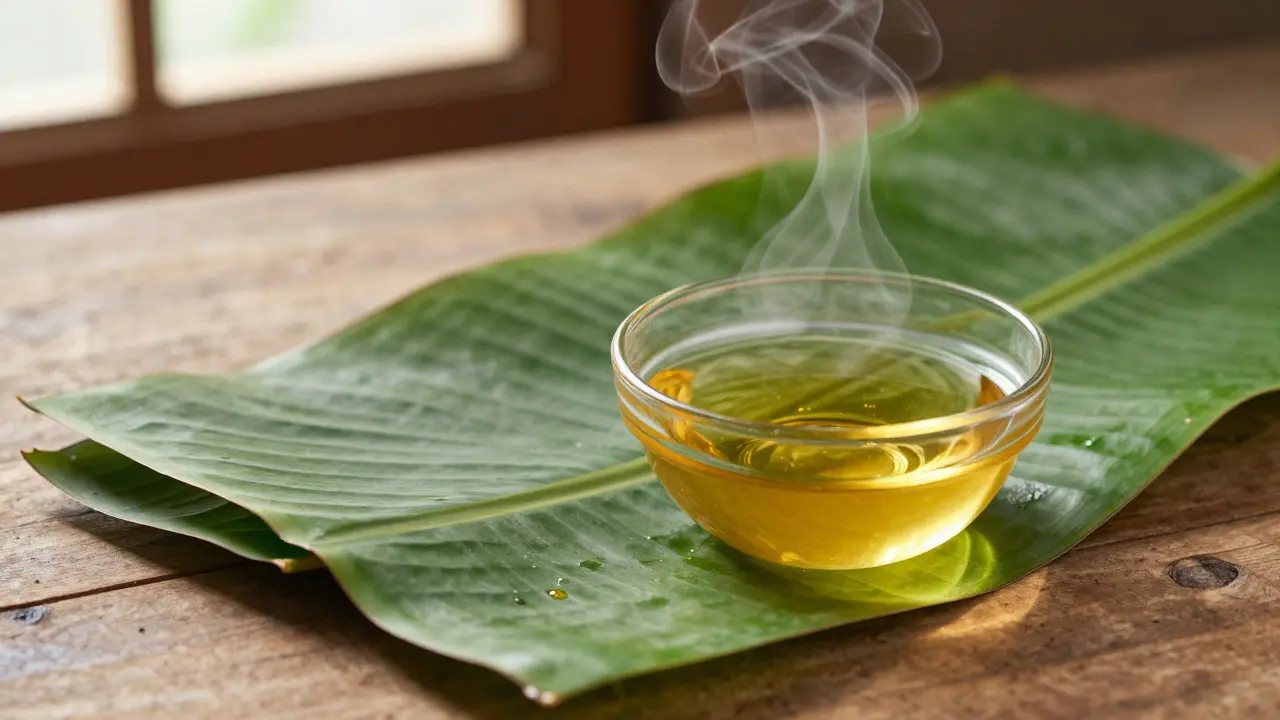
You won't find high-tech machinery or electric massage chairs here. Hilot relies on the earth. One of the most iconic parts of the process involves the use of Virgin Coconut Oil. This isn't just for lubrication; the oil acts as a medium to conduct heat and penetrate deeper into the muscle tissue, which helps in flushing out toxins accumulated during periods of high stress.
Then there is the daotis technique. This is where the practitioner uses warm banana leaves. They place the leaves on the body to detect imbalances or to apply herbal concoctions. It sounds simple, but the heat from the leaves helps open the pores and relax the fascia-the connective tissue that wraps around your muscles. When your fascia is tight, you feel rigid and anxious. When it's released through this warmth, the physical feeling of stress literally melts away.
| Feature | Hilot Massage | Swedish Massage |
|---|---|---|
| Primary Goal | Restore energy balance & healing | Relaxation & circulation |
| Approach | Diagnostic & holistic | Symptomatic & muscle-focused |
| Common Tools | Coconut oil, Banana leaves | Lotions, Essential oils |
| Technique | Deep pressure, Joint manipulation | Long strokes, kneading |
What to Expect During Your First Session
If you've never had a Hilot session, don't expect a nap-inducing lullaby. It can be an intense experience. The session usually follows a specific flow designed to purge the body of negative energy and physical tension.
- The Assessment: The practitioner will likely spend time feeling your joints and muscle tone. They are mapping your "energy blockages."
- The Warming: Using warm oil, the practitioner begins to lubricate the skin and warm the muscles to prepare them for deeper work.
- The Manipulation: This is the core of the process. You'll feel firm, rhythmic pressure. They may move your limbs in ways that feel like a mix between massage and gentle chiropractic adjustment.
- The Herbal Application: Depending on the need, warm leaves or herbal compresses are applied to specific "energy centers" to draw out inflammation.
- The Integration: The session ends with lighter strokes to settle the nervous system, leaving you in a state of deep, grounded calm.
Why It Works Better for Burnout
Modern burnout isn't just physical tiredness; it's a feeling of being "disconnected." We spend all day in our heads, staring at screens, and we lose touch with our physical selves. Hilot forces a reconnection. Because the practitioner is looking for imbalances, the massage feels personal and targeted. It's not a one-size-fits-all routine.
Moreover, Hilot is closely tied to Traditional Filipino Medicine. It acknowledges that mental stress manifests as physical ailments-like a tight chest or a heavy head. By addressing the physical symptom, the practitioner helps release the emotional weight attached to it. It's why many people report feeling a "lightness" in their chest or a mental clarity they haven't felt in months after a session.

Avoiding Common Pitfalls
Not every massage is a Hilot massage. Because the term has become popular in luxury spas, many places offer a "Hilot-inspired" treatment that is really just a standard oil massage. To get the real stress-relief benefits, look for practitioners who mention paghilot and who perform a diagnostic phase before they start rubbing your back. If they don't feel for "blocks" or use specific heat elements like leaves, you're likely getting a generic treatment.
Also, be aware that you might feel a "healing crisis" after a session. Because Hilot moves a lot of stagnant energy and toxins, you might feel slightly tired or emotional for a few hours. This is normal. Drink plenty of water and give your body time to process the shift. It's essentially a detox for your nervous system.
Integrating Hilot into a Modern Lifestyle
You don't have to fly to the Philippines to benefit from these principles. While the full professional treatment is best, you can bring the spirit of Hilot into your home. Start by using warm coconut oil on your own pressure points-the temples, the base of the neck, and the arches of the feet. These are areas where stress tends to pool.
Combine this with mindful breathing. The goal of Hilot is balance. If you spend your day in high-gear, use the evening to intentionally slow down. Focus on the sensation of touch and the warmth of the oil. By treating your body as a vessel of energy rather than just a machine that needs to keep working, you shift your perspective on stress from something to be "fought" to something to be "balanced."
Is Hilot painful?
It depends on how much tension you're holding. While it isn't meant to be agonizing, it is deeper than a relaxation massage. You may feel some discomfort when the practitioner hits a "blockage," but this is usually followed by a profound sense of relief as the muscle releases.
How often should I get a Hilot massage for stress?
For chronic stress or burnout, once every two weeks is a good starting point. This allows the body to integrate the changes and slowly clear out long-term blockages. For general maintenance, once a month is usually sufficient to keep the energy flowing smoothly.
Can Hilot help with insomnia?
Yes, absolutely. Many people struggle to sleep because their nervous system is stuck in "alert mode." By lowering cortisol and releasing physical tension in the neck and shoulders, Hilot signals to the brain that it is safe to sleep, making it a great natural remedy for stress-induced insomnia.
What is the difference between Hilot and Thai massage?
While both involve stretching and manipulation, Thai massage is often described as "lazy yoga" and focuses heavily on flexibility and acupressure. Hilot is more focused on the fluid movement of energy, the use of herbal oils, and the diagnostic process of finding imbalances through touch.
Are there any contraindications for Hilot?
As with any deep tissue work, you should avoid Hilot if you have severe blood clotting issues, open wounds, or high fever. Always inform your practitioner about any medical conditions or if you are pregnant, as certain pressure points and manipulations may need to be adjusted.