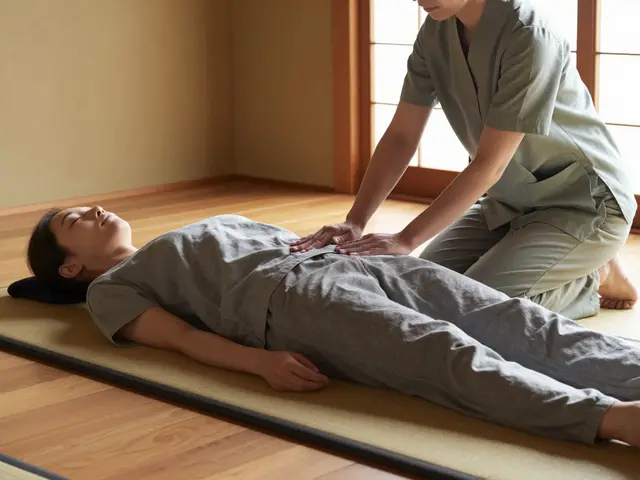
Hammam: The Ultimate Detox for Body and Mind
Step into a hammam and the first thing you notice isn’t the heat-it’s the silence. Or rather, the specific kind of quiet that happens when your nervous system finally drops its guard. For centuries, this Hammam is a traditional Turkish or Middle Eastern steam bath designed to cleanse the body and mind through heat, humidity, and manual exfoliation. It’s not just a spa treatment; it’s a full-body reset that has been used since the Ottoman Empire to manage hygiene, socialize, and heal. If you’re dealing with stress, dry skin, or just feeling mentally foggy, this ancient practice offers something modern saunas rarely do: a structured journey from tension to total release. Here’s what actually happens during a session and why it works so well for both physical detox and mental clarity.
The Core Mechanics of a Traditional Hammam
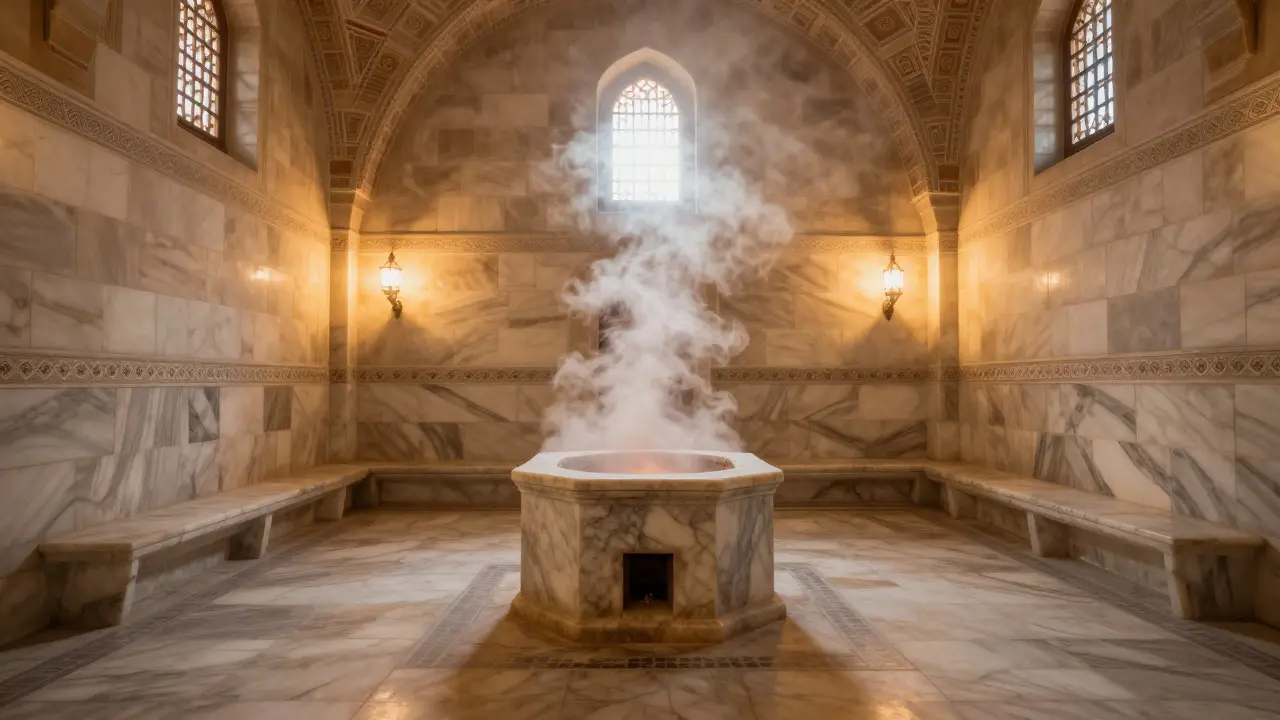
A standard hammam experience follows a predictable flow, usually lasting between 60 to 90 minutes. The environment is distinctively different from a dry sauna. While a sauna uses high temperatures (80-100°C) with low humidity, a hammam operates at lower temperatures (40-50°C) but with near 100% humidity. This combination opens up pores more effectively than dry heat alone. The process typically breaks down into three phases:- The Hot Room: You enter a marble-clad room filled with steam generated by a central stone heater (the *kurna*). The heat penetrates deep into the muscles, increasing blood circulation and relaxing tight tissues.
- The Exfoliation Station: A therapist applies a natural clay mask or scrub, then uses a woven glove called a *kese* to physically remove dead skin cells. This step is crucial for the “detox” aspect, as it clears clogged pores and improves skin texture immediately.
- The Cool Down and Rest: After rinsing, you move to a cooler area, often lying on a cold marble slab. This contrast therapy helps close pores and boosts immune function.
This sequence isn’t arbitrary. The gradual transition from hot to cool mimics the body’s natural thermoregulation processes, signaling safety to your brain while flushing out metabolic waste through sweat.
Why It Works for Physical Detox
When people talk about “detox,” they often mean removing toxins. In a hammam, this happens in two ways: internal and external. Internally, the sustained heat raises your core body temperature slightly. This triggers profuse sweating, which helps eliminate heavy metals and other water-soluble compounds stored in subcutaneous fat. Unlike a quick shower, the prolonged exposure in a hammam ensures deeper penetration of heat, encouraging lymphatic drainage. Your lymph system, which doesn’t have its own pump like the heart, relies on muscle movement and heat to move fluid. The relaxation in the hammam allows lymph nodes to work more efficiently, reducing bloating and inflammation. Externally, the exfoliation is where the magic happens for skin health. The *kese* glove removes the outermost layer of dead keratinocytes. This reveals fresher, brighter skin underneath and allows moisturizers to penetrate better. If you suffer from conditions like eczema or psoriasis, the warm, humid air can help soften plaques, making them easier to manage without harsh chemical peels.The Mental Health Connection
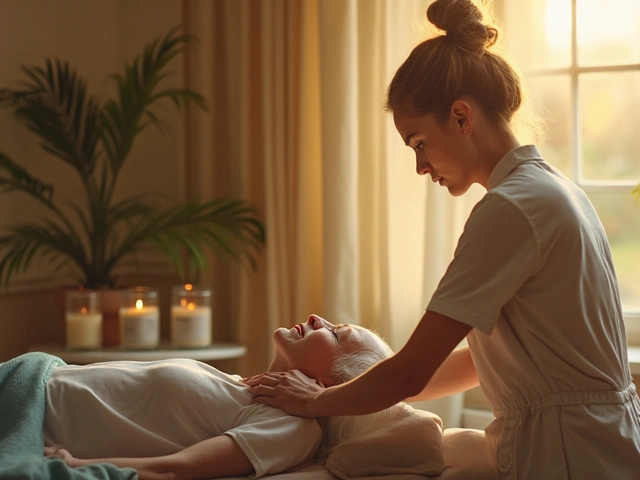
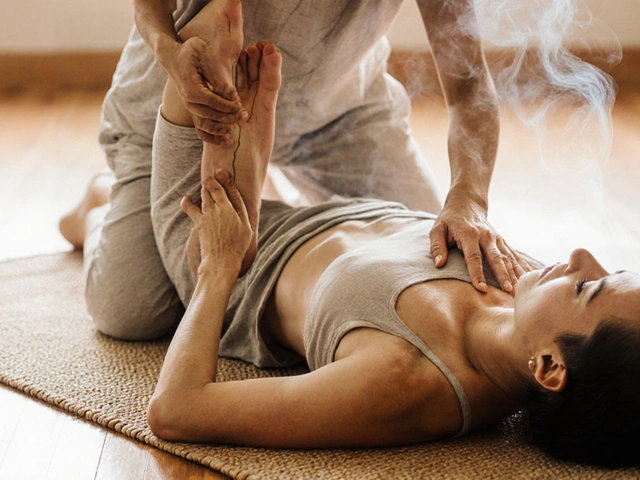
You might think a steam bath is just about your skin, but the mental benefits are arguably more profound. The hammam creates a sensory deprivation chamber of sorts. The dim lighting, the muffled sounds of water, and the consistent warmth force your brain to slow down. This state triggers the parasympathetic nervous system-the “rest and digest” mode. When you’re in this state, cortisol levels drop. Cortisol is the stress hormone that, when chronically elevated, leads to anxiety, poor sleep, and weight gain. By spending an hour in a hammam, you’re essentially giving your adrenal glands a break. Many practitioners report a sense of emotional release during the massage portion of the session. Tension held in the shoulders and neck-common spots for storing stress-melts away under the therapist’s hands. Because the body is already relaxed by the heat, the massage goes deeper than it would in a standard chair massage. This physical release often translates to mental clarity afterward. It’s not euphoria; it’s a calm, grounded feeling that lasts for hours after you leave.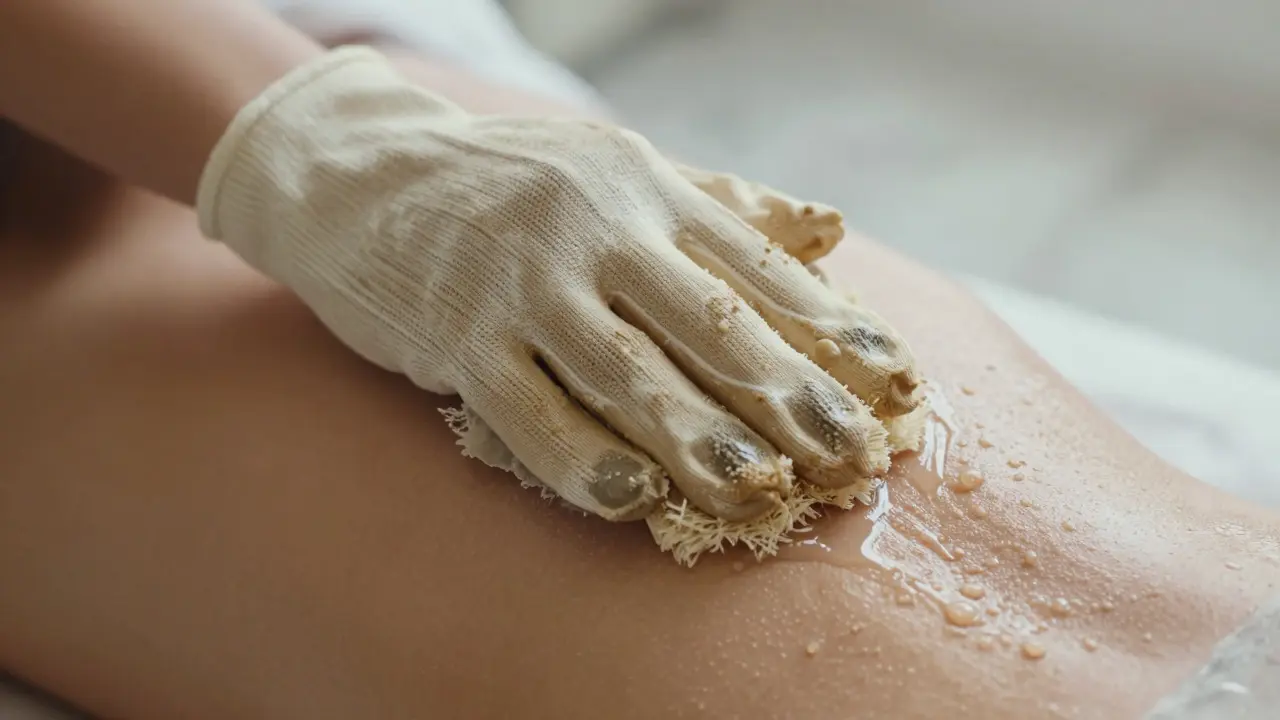
Hammam vs. Modern Saunas: Key Differences
If you’ve tried a regular sauna before, you might wonder why the hammam gets such a reputation. The difference lies in the humidity and the ritualistic element.The high humidity in a hammam makes the heat feel less aggressive. You can stay in longer without feeling like you’re going to pass out. This extended duration allows for deeper relaxation. Plus, because the air is moist, your skin doesn’t dehydrate. In fact, the steam acts as a facial steamer, prepping your skin for the exfoliation that follows.
What to Expect During Your First Session
If you’ve never been to a hammam, here’s a realistic breakdown of the experience so there are no surprises.- Preparation: You’ll likely be asked to wear a small towel (*peştemal*) and slippers. Remove all jewelry and makeup beforehand, as the steam will dissolve cosmetics quickly.
- The Heat Shock: The first five minutes can feel intense. Take deep breaths through your nose. If you feel dizzy, sit down immediately. Hydration is key, so drink water before and after.
- The Scrub: Don’t expect a gentle pat-down. The *kese* scrub is vigorous. It feels rough, almost abrasive, but that’s the point. You’ll feel layers of dead skin coming off. It’s uncomfortable in the moment but incredibly satisfying afterward.
- The Foam Ritual: Some traditional hammams include a foam lather application. The therapist covers you head-to-toe in rich soap suds, creating a visual spectacle that also cleanses deeply. It’s messy, fun, and very effective.
Most people describe the post-hammam feeling as “light.” Your skin looks visibly brighter, your muscles feel loose, and your mind is quieter. It’s one of those rare experiences where the physical and mental benefits happen simultaneously.
Tips for Maximizing Benefits
To get the most out of your hammam visit, consider these practical tips:- Hydrate Aggressively: Drink at least 500ml of water an hour before your session. The heat will make you lose fluids rapidly.
- Avoid Heavy Meals: Eat a light meal at least two hours before. Digestion requires blood flow, which competes with the vasodilation caused by the heat.
- Communicate with Your Therapist: Tell them if you have sensitive areas or prefer lighter pressure. Traditional therapists are skilled, but everyone’s tolerance is different.
- Post-Session Care: Apply a light, unscented moisturizer immediately after drying off. Your pores are open, and this locks in hydration.
Consistency matters too. One hammam session is great, but doing it once a month provides cumulative benefits for skin elasticity and stress management. Many wellness centers in cities like Adelaide offer weekly packages for exactly this reason.
Frequently Asked Questions
Is a hammam suitable for people with high blood pressure?
Generally, yes, but consult your doctor first. The heat causes vasodilation, which can temporarily lower blood pressure. People on medication for hypertension should monitor their response and avoid staying in the hottest part of the room for too long.
How often should I go to a hammam for best results?
For maintenance, once a month is sufficient. If you have specific skin concerns or high stress levels, twice a month may yield better results. Avoid daily sessions, as over-exfoliation can strip natural oils from your skin.
What is the difference between a hammam and a Turkish bath?
They are often used interchangeably. However, “Turkish bath” can refer to any steam bath influenced by Ottoman culture, while “hammam” specifically refers to the traditional public bathhouse structure and ritual. In modern spas, the terms are synonymous.
Do I need to bring anything to a hammam session?
Most facilities provide towels, robes, and slippers. Bring a swimsuit if you plan to use the pool or jacuzzi afterward, though many people go fully unclothed in the main bath area depending on local customs and facility rules.
Can men go to a hammam?
Absolutely. Traditionally, hammams were segregated by gender, but modern wellness centers often offer unisex slots or separate times for men and women. The rituals and benefits are identical regardless of gender.