Shiatsu Massage Guide: Benefits, Techniques & How to Get Started
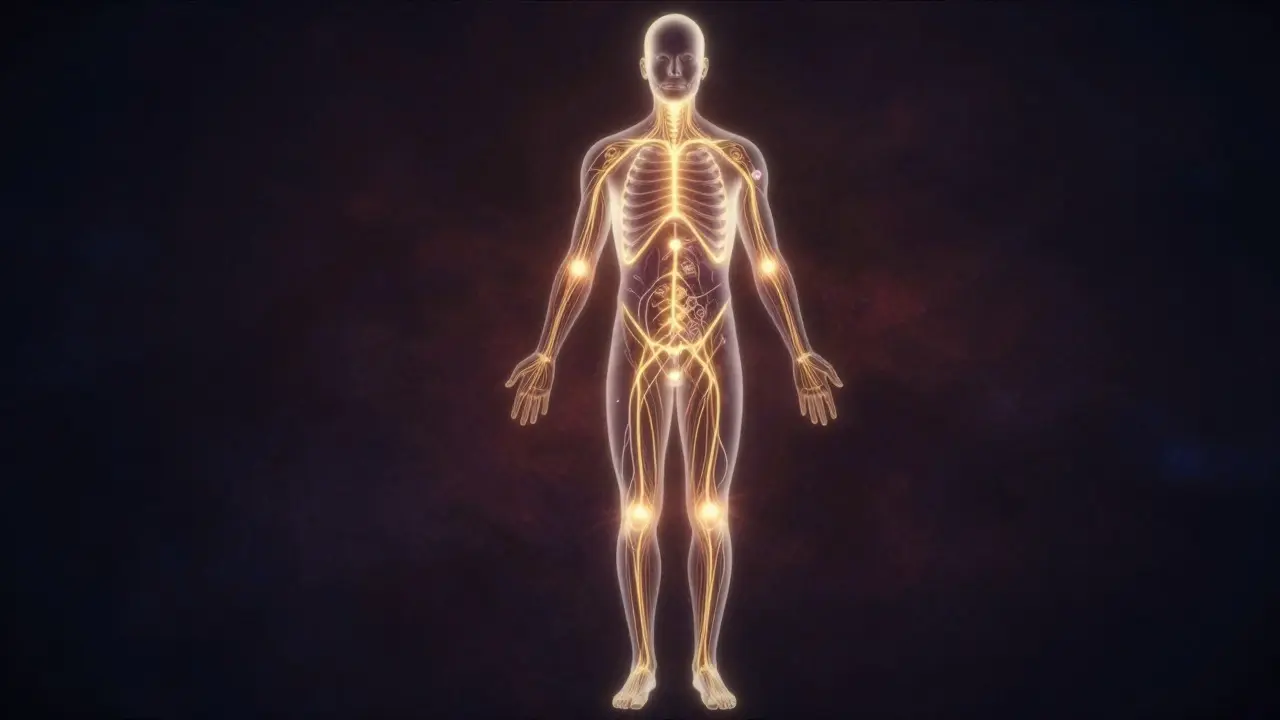
Ever walked out of a massage feeling like you were just squeezed by a giant hand? That’s not Shiatsu is a Japanese bodywork technique that uses finger, thumb, and palm pressure on specific points along the body's energy pathways. Unlike Western deep tissue work, which often targets muscle knots directly, Shiatsu focuses on the flow of ki (life force) through meridians. It’s less about "knots" and more about clearing blockages so your body can self-heal. If you’re dealing with chronic tension, poor circulation, or just general fatigue, this ancient practice might be exactly what you need to reset.
What Actually Happens During a Shiatsu Session?
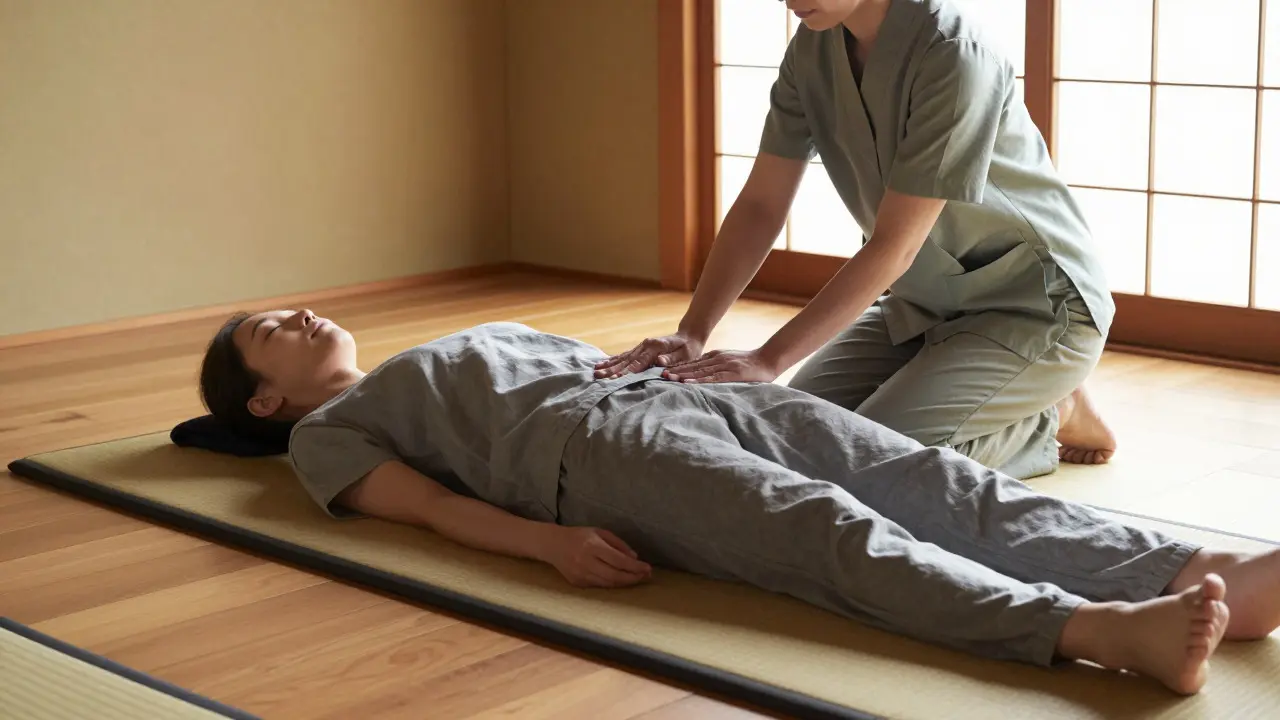
You don’t lie down on a table covered in oil. Instead, you wear comfortable clothes and lie on a low futon-style mat on the floor. The practitioner, known as a Kyoshi, uses their thumbs, fingers, palms, elbows, and even knees to apply rhythmic pressure. The key difference? There is no gliding. The pressure is stationary or slow-moving, held for several seconds to allow the effect to penetrate deeply without bruising the surface tissue.
The session usually lasts between 60 and 90 minutes. You’ll feel a deep, warm sensation rather than sharp pain. Most people describe it as an intense relaxation where they lose track of time. Because there’s no oil, friction isn’t an issue; the practitioner relies on leverage and body weight. This makes it particularly effective for people who find traditional Swedish massage too light or deep tissue massage too painful.
The Science Behind the Pressure Points
While the concept of meridians comes from Traditional Chinese Medicine, modern research has started to map these pathways to the nervous system. When a practitioner presses a specific point, they are stimulating nerve endings that send signals to the brain. This triggers the release of endorphins and serotonin, which naturally reduce stress and pain perception.
Studies published in journals like Journal of Alternative and Complementary Medicine have shown that regular Shiatsu sessions can lower cortisol levels significantly. For instance, one study involving office workers found that those who received weekly Shiatsu reported a 30% reduction in perceived stress after just four weeks. It’s not magic; it’s physiology. By mechanically influencing the autonomic nervous system, Shiatsu helps shift your body from "fight or flight" mode into "rest and digest" mode.
| Feature | Shiatsu | Swedish Massage | Deep Tissue |
|---|---|---|---|
| Surface | Floor Mat (Futon) | Elevated Table | Elevated Table |
| Oils/Lotions | None | Yes | Yes |
| Primary Tool | Thumbs, Palms, Knees | Hands/Forearms | Elbows/Thumbs |
| Focus | Meridians/Ki Flow | Muscle Relaxation | Adhesions/Knots |
| Pain Level | Low to Moderate | Low | High |
Top Health Benefits You Can Expect
If you’re on the fence about trying it, here’s what typically improves first:
- Chronic Pain Relief: Effective for back pain, neck stiffness, and headaches caused by tension. The deep pressure releases fascia restrictions that superficial massages miss.
- Better Sleep Quality: By activating the parasympathetic nervous system, many clients report falling asleep faster and waking up less frequently during the night.
- Digestive Health: Abdominal work in Shiatsu is crucial. Massaging the abdomen can help stimulate peristalsis, easing bloating and irregular bowel movements.
- Immune System Support: Reduced stress hormones mean your immune system doesn’t have to work overtime to manage inflammation, allowing it to focus on fighting off pathogens.
How to Find a Qualified Practitioner
Not everyone who calls themselves a Shiatsu therapist has the right training. In the US, certification varies by state, but look for practitioners certified by organizations like the National Certification Board for Therapeutic Massage & Bodywork (NCBTMB) or those who have completed a dedicated 500+ hour Shiatsu program. A good therapist will ask about your health history before starting, especially if you have conditions like osteoporosis, recent surgery, or severe varicose veins.
During your first visit, communicate clearly. If a spot feels too intense, say so. Shiatsu should feel challenging but not painful. A reputable clinic will use clean, high-quality mats and maintain strict hygiene protocols since you’re lying directly on the floor.

Simple Self-Shiatsu Techniques at Home
You don’t need a pro to get some benefits. Here are two safe, easy techniques you can try tonight:
- Shoulder Release: Sit upright. Use your right thumb to press firmly into the top of your left shoulder (the trapezius muscle). Hold for 10-15 seconds, breathing deeply. Repeat on the other side. This relieves computer posture strain instantly.
- Headache Point: Locate the point between your thumb and index finger (LI4 point). Press firmly with your opposite thumb until you feel a dull ache. Hold for 30 seconds. This is one of the most famous points for tension headaches and jaw clenching.
Remember, consistency beats intensity. Five minutes of daily self-care is better than one hour once a month.
Common Myths About Shiatsu
Myth 1: It’s just a fancy name for regular massage.
Fact: The lack of oil and the focus on meridian lines make it structurally different. Regular massage works muscles; Shiatsu works the energy system connected to those muscles.
Myth 2: You have to be flexible.
Fact: The practitioner does the moving, not you. You just lie still. Even people with limited mobility can receive full-body Shiatsu.
Myth 3: It hurts.
Fact: While deep, it shouldn’t cause sharp pain. If it does, the pressure is likely misaligned or too heavy for your current tolerance.
Is Shiatsu suitable for beginners?
Yes, absolutely. Because the pressure is controlled and there is no sliding friction, it is generally very gentle for first-timers. Just let the therapist know if you prefer lighter pressure initially.
How often should I get Shiatsu treatments?
For acute issues, weekly sessions are recommended for the first month. For maintenance and stress management, once every two to four weeks is ideal. Listen to your body; if you feel drained, space them out.
Can I do Shiatsu if I have high blood pressure?
Generally yes, but avoid vigorous abdominal work immediately after eating. Always inform your therapist of any cardiovascular conditions so they can adjust the depth and duration of pressure.
What should I wear to a Shiatsu session?
Wear loose, comfortable clothing that allows for movement. Think yoga pants, t-shirts, or sweatpants. Avoid tight jeans or restrictive belts, as the practitioner may need to move your limbs slightly.
Does Shiatsu leave bruises?
Rarely. Since there is no gliding motion, the risk of skin abrasion or bruising is much lower than in deep tissue massage. Any soreness felt afterward is similar to post-workout muscle fatigue, not injury.