Cupping Therapy Explained: Benefits, Risks, and What to Expect
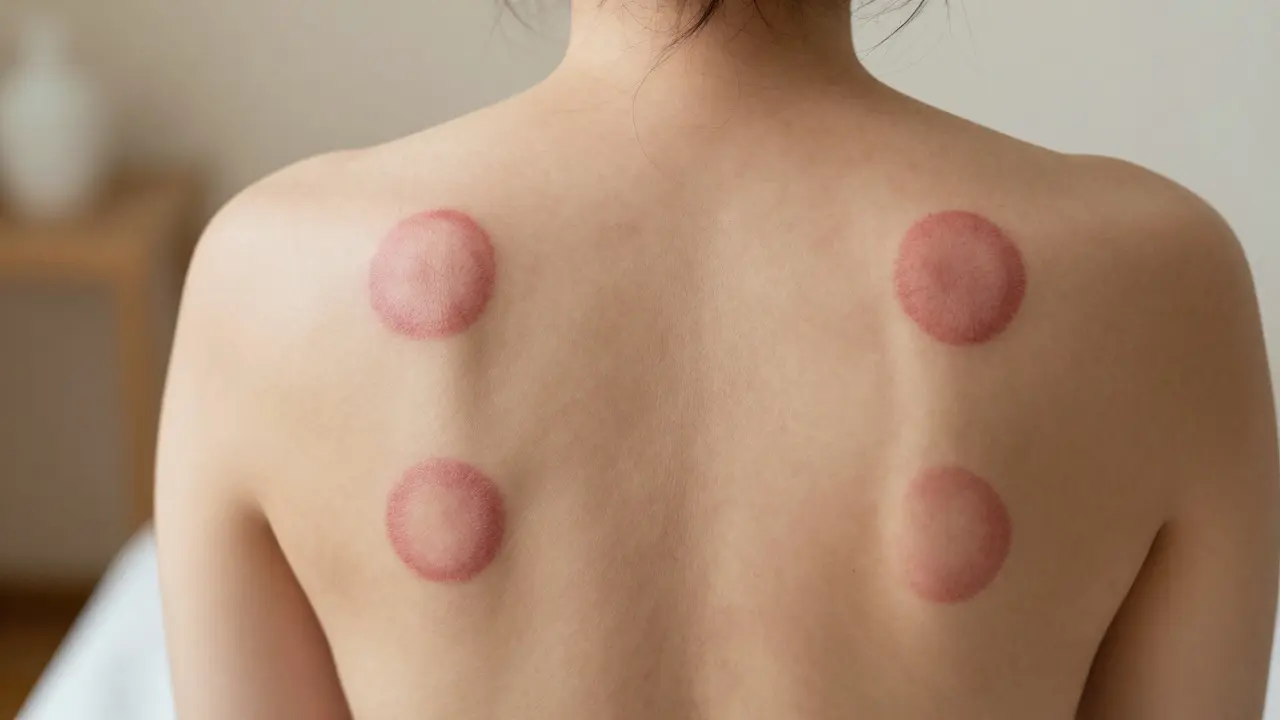
Have you ever seen those dark, circular bruises on an athlete’s back during the Olympics and wondered what happened? It wasn’t a fight. It was Cupping therapy, a practice that has moved from ancient clinics to modern sports recovery rooms. While it looks intimidating, many people swear by it for pain relief and muscle relaxation. But is it just a trend, or does it actually work?
In this guide, we break down exactly what cupping is, how it works, and whether it deserves a spot in your wellness routine. We’ll look at the science, the types of cups used, and what you can realistically expect from a session.
What Is Cupping Therapy?
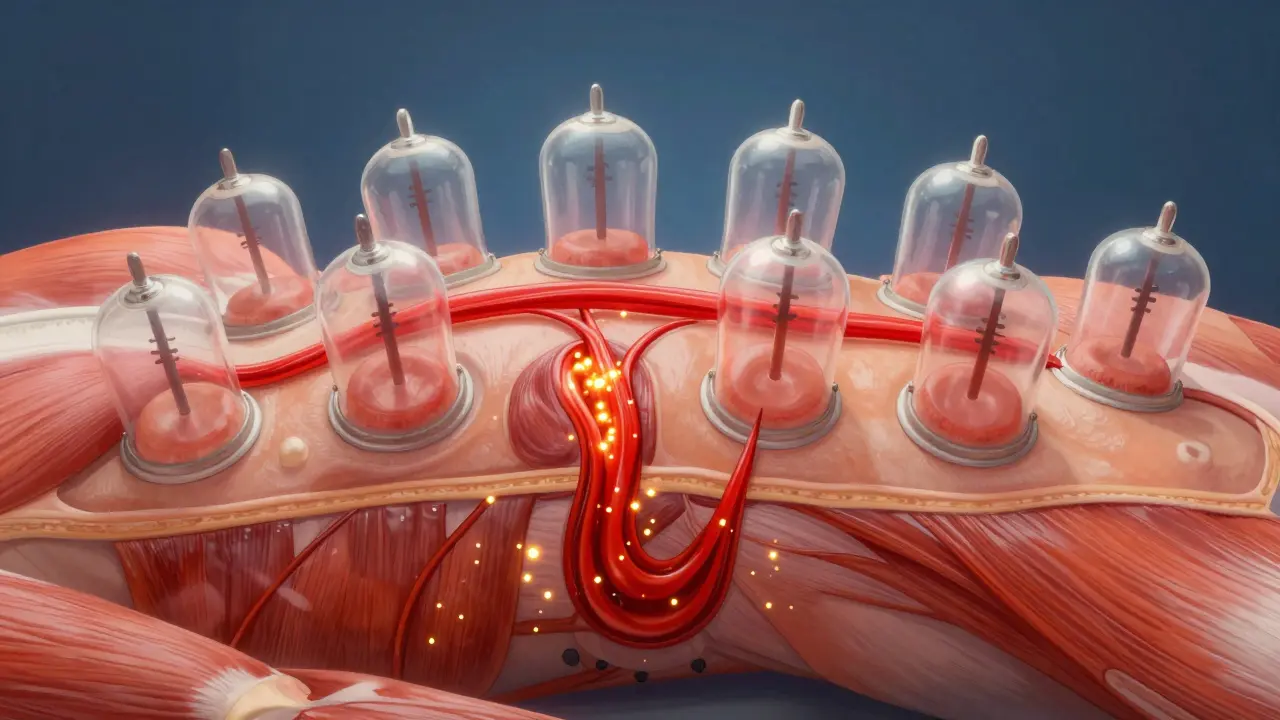
Cupping therapy is a form of alternative medicine where a therapist places special cups on your skin to create suction. This suction pulls the skin and underlying tissue upward into the cup. The goal isn't just to leave marks; it's to improve blood flow, reduce inflammation, and relieve tension in muscles.
The practice dates back thousands of years. Ancient Egyptians, Chinese, and Middle Eastern cultures all used some form of cupping. For example, the Egyptian Ebers Papyrus (circa 1550 BC) mentions cupping as a treatment for various ailments. Today, it’s popular among athletes like Usain Bolt and Serena Williams, who use it to speed up recovery after intense physical activity.
You might think it sounds painful because of the visual impact, but most people describe the sensation as a firm pinch or a strong stretch. It’s not sharp pain, but rather a deep pressure that feels similar to a deep-tissue massage.
How Does Cupping Work?
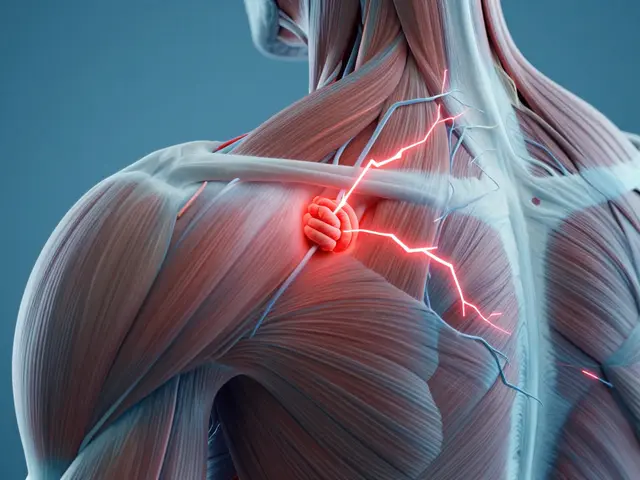
The mechanism behind cupping is simpler than you might think. By creating negative pressure (suction), the cups pull the skin and fascia-the connective tissue surrounding muscles-upward. This action has several effects:
- Increased Blood Flow: The suction draws fresh, oxygenated blood to the area. This helps deliver nutrients needed for healing and removes metabolic waste products.
- Fascia Release: Tight fascia can restrict movement and cause pain. Cupping helps stretch and loosen this tissue, improving range of motion.
- Neurological Response: The suction stimulates nerve endings, which may help block pain signals sent to the brain (a concept known as gate control theory).
While traditional Chinese Medicine views cupping as moving "Qi" (energy) and removing stagnation, Western medicine focuses on these physiological changes. Both perspectives agree on one thing: the body responds positively to the stimulus.
Types of Cupping Techniques
Not all cupping sessions are the same. There are different methods depending on your goals and tolerance level. Here are the most common types:
| Method | Description | Best For |
|---|---|---|
| Dry Cupping | Suction only, no needle pricking. | Muscle tension, general relaxation, beginners. |
| Wet Cupping (Hijama) | Suction followed by small incisions to draw out a small amount of blood. | Detoxification claims, chronic pain (requires licensed practitioner). |
| Fire Cupping | Heat is used to create suction inside glass cups. | Traditionalists, deeper tissue engagement. |
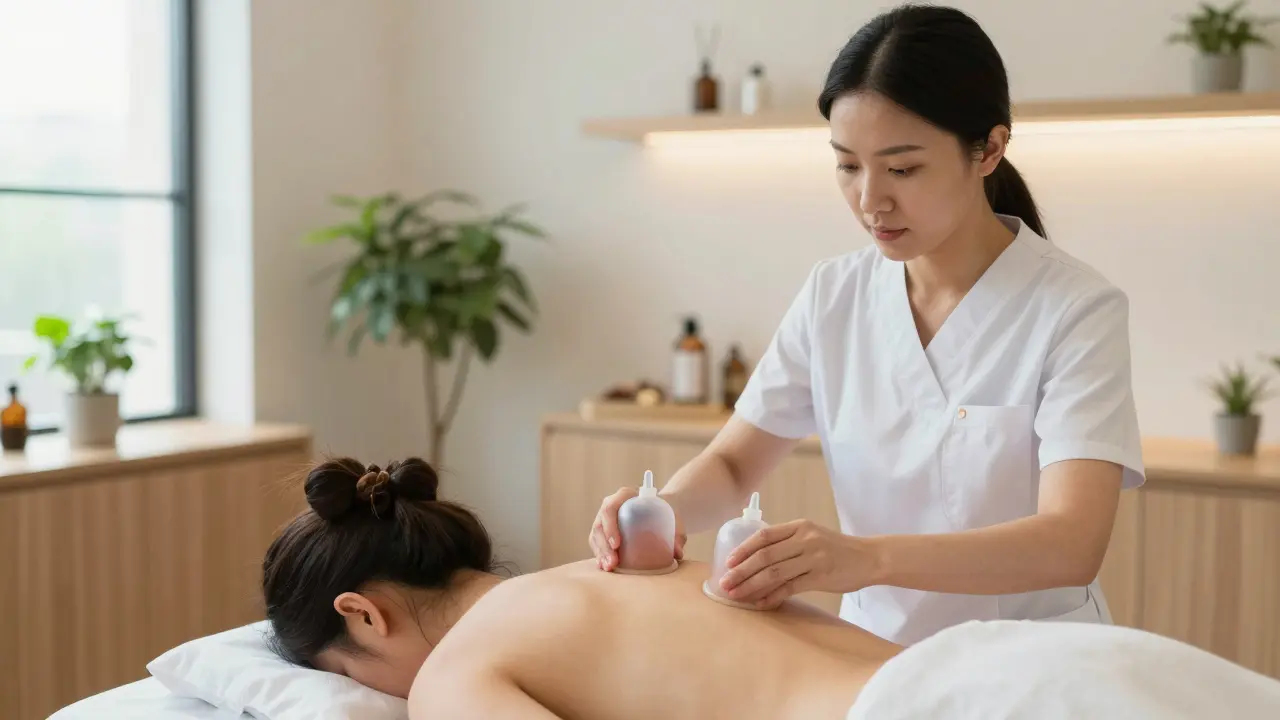
| Pump Cupping | A hand pump creates suction in silicone or plastic cups. | Controlled pressure, home use, sensitive areas. |
| Sliding Cupping | Oil is applied, and cups glide over the skin. | Large muscle groups, sports recovery. |
Dry cupping is the most common type you’ll encounter in spas and clinics. It’s safe, non-invasive, and effective for most people. Wet cupping, also known as Hijama, involves minor bleeding and should only be performed by a trained professional due to infection risks. If you’re new to this, start with dry or pump cupping to see how your body reacts.
Benefits of Cupping Therapy
Why do so many people choose cupping over other treatments? Here are the primary benefits reported by users and supported by emerging research:
- Pain Relief: Studies suggest cupping can help with lower back pain, neck pain, and headaches. A 2018 systematic review published in *PLOS ONE* found moderate evidence that cupping provides short-term relief for chronic pain conditions.
- Reduced Inflammation: By increasing circulation, cupping may help reduce local inflammation associated with arthritis or injuries.
- Improved Relaxation: Many clients report feeling deeply relaxed after a session, similar to the post-massage state. This is partly due to the activation of the parasympathetic nervous system.
- Better Skin Health: Some believe cupping improves skin tone and reduces cellulite by stimulating collagen production and lymphatic drainage. However, scientific evidence for cosmetic benefits is limited.
If you suffer from chronic stiffness or recurring muscle knots, cupping might offer a refreshing change from standard massage techniques.
What to Expect During Your First Session
First-time visitors often feel nervous about the process. Here’s a step-by-step breakdown of what happens:
- Consultation: Your therapist will ask about your health history, pain points, and goals. Be honest about any medications or skin conditions.
- Positioning: You’ll lie face down or sit comfortably, exposing the area to be treated (usually back, shoulders, or legs).
- Cup Application: The therapist applies oil or lotion to reduce friction. They then place the cups on your skin. You’ll feel a pulling sensation as the suction engages.
- Duration: Cups typically stay in place for 5-15 minutes. Longer sessions aren’t always better; too much time can cause bruising or discomfort.
- Removal: The therapist releases the suction and removes the cups. You’ll notice round red marks immediately.
Most people find the experience relaxing once they get used to the initial pull. Communication is key-if it hurts too much, speak up. A good therapist will adjust the pressure accordingly.
Side Effects and Risks
Cupping is generally safe when performed by a qualified practitioner. However, there are side effects you should know about:
- Markings: The circular marks (often called "sha") are normal. They result from broken capillaries under the skin and usually fade within 3-7 days. Darker marks indicate more stagnant blood or tension in that area.
- Skin Irritation: Mild redness, warmth, or itching can occur. Keep the area clean and avoid hot showers for 24 hours to prevent irritation.
- Infection Risk: With wet cupping, improper sterilization can lead to infections. Always ensure your provider uses sterile needles and single-use supplies.
- Burns: Fire cupping carries a risk of burns if the flame touches the skin. Modern practitioners often use air pumps instead to eliminate this danger.
Avoid cupping if you have open wounds, varicose veins, or certain skin conditions like eczema in the treatment area. Pregnant women should avoid cupping on the abdomen and lower back.
Who Should Avoid Cupping?
While cupping is beneficial for many, it’s not suitable for everyone. Consult your doctor before trying cupping if you:
- Take blood-thinning medication (e.g., Warfarin)
- Have a bleeding disorder (e.g., Hemophilia)
- Suffer from severe osteoporosis
- Are pregnant (especially on the belly or lower back)
- Have active skin infections or rashes
Your health comes first. A reputable therapist will screen you for these contraindications before starting treatment.
Choosing a Qualified Practitioner
Not everyone offering cupping is equally trained. To ensure safety and effectiveness, look for:
- Certification: Check if they hold credentials from recognized organizations like the National Certification Council for Acupuncture and Oriental Medicine (NCCAOM) or equivalent bodies in your country.
- Experience: Ask how long they’ve been practicing and how many cupping sessions they’ve performed.
- Hygiene Standards: Observe their clinic cleanliness. Are tools sterilized? Do they wear gloves?
- Communication: A good practitioner listens to your concerns and explains the process clearly.
Don’t hesitate to ask questions. If something feels off, trust your instincts and seek another provider.
Can You Do Cupping at Home?
Yes, with caution. Silicone suction cups designed for home use are widely available online. These don’t require fire or needles, making them safer for DIY use. However, keep these tips in mind:
- Start with low suction levels.
- Avoid placing cups on bony areas or near joints.
- Limit sessions to 5-10 minutes per area.
- Never use household objects (like mugs) as cups-they lack proper rims and can cause injury.
Home cupping is great for maintenance between professional sessions, but it shouldn’t replace medical advice for serious conditions.
Does cupping therapy hurt?
Most people describe cupping as uncomfortable but not painful. You’ll feel a strong pulling or stretching sensation as the suction lifts your skin. If done correctly, it shouldn’t cause sharp pain. Communicate with your therapist if the pressure feels too intense.
How long do cupping marks last?
Cupping marks typically last between 3 to 7 days. The darkness of the mark depends on the amount of suction applied and the condition of your tissue. Lighter marks fade faster, while darker ones may take longer to disappear. They are not bruises in the traditional sense but rather signs of increased blood flow.
Is cupping therapy covered by insurance?
Coverage varies widely. Some health insurance plans cover cupping if it’s provided by a licensed acupuncturist or physical therapist for a diagnosed medical condition. Most private payers do not cover it for general wellness purposes. Always check with your provider beforehand.
Can I shower after cupping?
It’s best to wait at least 4-6 hours after a cupping session before showering. Hot water can increase blood flow further and potentially irritate the marked areas. Use lukewarm water and gentle soap. Avoid saunas, steam rooms, and swimming pools for 24 hours.
How often should I get cupping?
For acute issues like muscle strain, weekly sessions for 2-4 weeks may be recommended. For chronic conditions or maintenance, bi-weekly or monthly sessions are common. Listen to your body and follow your practitioner’s advice. Overdoing it can lead to excessive bruising and skin sensitivity.