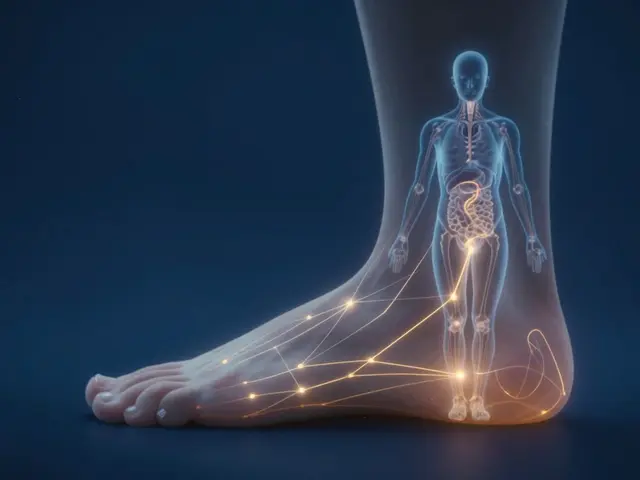
Champissage Massage: Benefits, Techniques, and What to Expect
Picture this: you’ve had a long day. Your shoulders are tight, your neck is stiff, and that familiar headache is creeping in behind your eyes. You don’t need a full-body session right now; you just need the weight of the world lifted off your mind. That’s where Champissage comes in. Often called Indian head massage, this ancient practice focuses entirely on the head, neck, and shoulders. It isn’t just a nice-to-have spa add-on. It’s a targeted therapy for stress, fatigue, and poor circulation.
What Exactly Is Champissage?
The word itself gives you a clue. It comes from the Hindi word champi, which means "to press" or "to knead." In Ayurveda, the traditional system of medicine from India, the head is considered the crown of the body. It’s where all the energy channels meet. When those channels get blocked, you feel it immediately-usually as mental fog, headaches, or restless sleep.
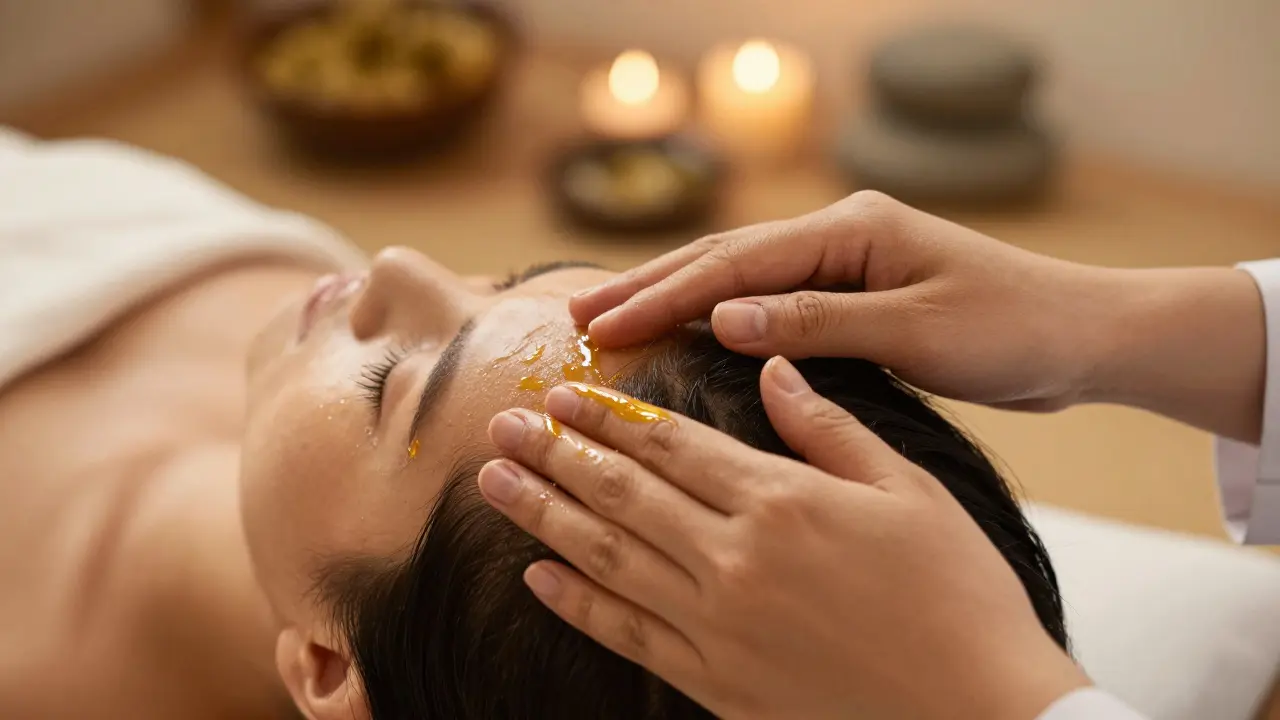
Unlike a standard hair wash at the salon, champissage is therapeutic. A practitioner uses warm oil to massage the scalp, face, ears, neck, and upper back. The goal? To release trapped energy, improve blood flow, and calm the nervous system. Think of it as a reset button for your brain.
| Feature | Champissage (Indian Head) | Standard Salon Scalp Massage |
|---|---|---|
| Focus Area | Head, neck, shoulders, face, ears | Scalp only |
| Primary Goal | Energy balance, stress relief, circulation | Cleanliness, relaxation during service |
| Technique | Kneading, tapping, stretching, acupressure | Gentle rubbing with shampoo |
| Duration | 30-60 minutes | 5-10 minutes |
| Oil Usage | Warm herbal oils (e.g., sesame, coconut) | Usually none or light conditioner |
The Core Benefits: Why Your Body Needs This
You might wonder if focusing only on the upper body can really make a difference. The answer is yes, and here’s why. The head and neck house some of the most critical nerve pathways in your body. By working these areas, you’re sending signals directly to your brain to switch from "fight or flight" to "rest and digest."
- Relieves Tension Headaches: Tight muscles in the neck and scalp often trigger migraines and tension headaches. Champissage loosens these knots through deep kneading and pressure point work.
- Improves Sleep Quality: The calming effect on the nervous system helps regulate melatonin production. Many people report falling asleep faster after a session.
- Boosts Circulation: Massaging the scalp increases blood flow to hair follicles. This doesn’t just make your scalp healthy; it delivers more oxygen to your brain, sharpening focus.
- Reduces Eye Strain: Gentle massage around the temples and eye sockets relieves pressure built up from staring at screens all day.
- Enhances Mental Clarity: By clearing stagnation in the head, you often experience a sense of lightness and improved concentration immediately after treatment.
How the Session Works: Step-by-Step
If you’ve never tried champissage, you might be curious about what happens when you lie down on the table. Don’t worry-you stay fully clothed. You’ll usually sit in a comfortable chair or lie face down on a massage table with a hole for your face, similar to a facial setup.
- Preparation: The therapist warms herbal oils. Common choices include sesame, coconut, or almond oil infused with herbs like brahmi or ashwagandha. These oils penetrate the skin deeply and carry medicinal properties.
- Neck and Shoulders First: The session often starts here. Why? Because tension travels upward. Releasing the trapezius muscles (the big ones between your neck and shoulders) makes the rest of the massage more effective.
- Scalp Kneading: Using thumbs and fingertips, the therapist applies firm, circular pressure across your entire scalp. They may use knuckles for deeper tissue work. This feels intense but good-the kind of pain that releases rather than hurts.
- Face and Ear Massage: Light strokes move across the forehead, cheeks, and jawline. The ears are rich in nerve endings connected to various organs, so they get special attention with gentle pulling and rubbing.
- Tapping and Stretching: Rhythmic tapping (percussion) stimulates the nerves. Finally, the therapist gently stretches your neck side-to-side and forward-backward to restore mobility.
The whole process takes about 30 to 45 minutes. You won’t need a shower afterward unless you prefer it, as the oil absorbs quickly into the skin and hair.

Choosing the Right Oil for Your Dosha
In Ayurveda, everyone has a unique constitution called a dosha: Vata, Pitta, or Kapha. While you don’t need to be an expert to enjoy champissage, knowing your dosha can help you choose the best oil for your needs.
- Vata (Air/Ether): If you’re prone to anxiety, dry skin, or insomnia, you’re likely high Vata. Go for warm, grounding oils like sesame oil or almond oil. They provide stability and moisture.
- Pitta (Fire/Water): If you get hot easily, have sensitive skin, or are prone to anger, you’re high Pitta. Choose cooling oils like coconut or sunflower oil. Avoid heating oils like sesame.
- Kapha (Earth/Water): If you feel sluggish, gain weight easily, or have oily skin, you’re high Kapha. Opt for lighter, stimulating oils like mustard or safflower oil to energize the body.
Most spas will ask about your preferences or let you choose based on scent and texture. If you’re unsure, coconut oil is a safe, versatile bet for most people.
Who Should Avoid Champissage?
While champissage is generally safe for almost everyone, there are a few exceptions. Always consult your doctor if you have underlying health conditions.
- Open Wounds or Infections: If you have cuts, rashes, or active infections on your scalp, neck, or face, wait until they heal. Oil can trap bacteria and worsen inflammation.
- Recent Surgery: If you’ve had recent neck or shoulder surgery, avoid deep tissue work in those areas until cleared by your surgeon.
- High Blood Pressure: While massage can lower blood pressure over time, intense pressure on the neck arteries can cause temporary spikes. Inform your therapist so they can adjust their technique.
- Pregnancy: Some pressure points on the head and neck are believed to stimulate uterine contractions. While gentle scalp massage is usually fine, deep neck work should be avoided during pregnancy without medical approval.
Can You Do Champissage at Home?
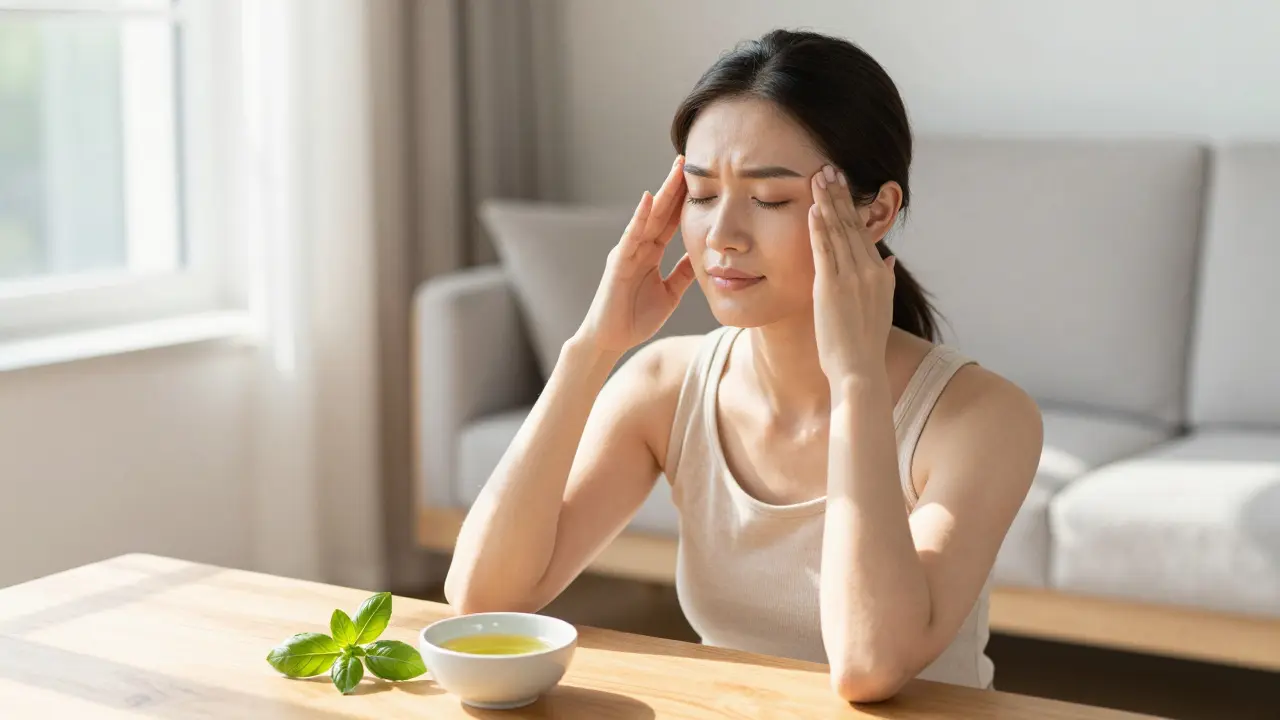
Absolutely. You don’t need a professional every time. In fact, doing a quick self-massage before bed can significantly improve your sleep hygiene. Here’s how to mimic the key techniques:
- Warm the Oil: Pour a tablespoon of coconut or jojoba oil into a small bowl. Place the bowl in hot water for a minute to warm it up. Never microwave oil directly-it can overheat and burn your skin.
- Scalp Circles: Part your hair and apply oil to your scalp. Use your fingertips (not nails) to make small, firm circles. Cover the entire head, spending extra time on tense spots.
- Temple Pressures: Gently press your index fingers into your temples. Hold for five seconds, then release. Repeat three times. This helps relieve sinus pressure and eye strain.
- Neck Stretches: After massaging, tilt your head slowly to each side, holding for ten seconds. Then look up and down gently. This restores range of motion.
Leave the oil in your hair overnight if possible, or rinse it out with a mild shampoo. Your hair will feel softer, and your mind will feel clearer.
Finding a Qualified Practitioner
Not all "head massages" are created equal. To get the true benefits of champissage, look for a therapist trained in Ayurvedic principles or specialized Indian head massage techniques. Check their credentials:
- Do they mention Ayurveda or traditional Indian methods in their bio?
- Do they offer a consultation to discuss your health goals?
- Do they use warm, natural oils rather than synthetic lotions?
In many cities, including Perth, you’ll find dedicated wellness centers offering this service. If you’re traveling to India, it’s a staple in rural villages and urban spas alike. Look for reviews that mention specific outcomes like "relieved my migraine" or "improved my posture," not just "felt nice."
Does champissage help with hair growth?
Yes, indirectly. By increasing blood circulation to the scalp, champissage delivers more nutrients and oxygen to hair follicles. This creates a healthier environment for hair growth. However, it is not a cure for genetic baldness or hormonal hair loss. Consistent use of nourishing oils like rosemary or castor oil during the massage can enhance results.
How often should I get a champissage massage?
For general maintenance and stress relief, once a month is sufficient. If you suffer from chronic headaches, neck pain, or high stress levels, weekly sessions may provide better relief. Many people incorporate daily self-massage techniques to supplement professional treatments.
Is champissage painful?
It should not be painful, though it can feel intense. The technique involves firm pressure and kneading, which might feel uncomfortable if you have significant muscle knots. Communicate with your therapist about your pain tolerance. They can adjust the pressure to ensure you feel relaxed rather than hurt.
What is the difference between champissage and shiatsu?
Shiatsu is a Japanese form of bodywork that uses finger pressure on specific meridian points throughout the entire body. Champissage is an Indian Ayurvedic technique focused specifically on the head, neck, and shoulders, using oil and kneading motions. While both aim to balance energy, their origins, techniques, and scope differ significantly.
Can I do champissage if I have dandruff?
Yes, and it can actually help. Dandruff is often caused by dry scalp or fungal buildup. Massaging with antifungal oils like tea tree-infused coconut oil or neem oil can soothe irritation and loosen flakes. Just ensure you rinse your hair thoroughly afterward to prevent oil residue from worsening the condition.