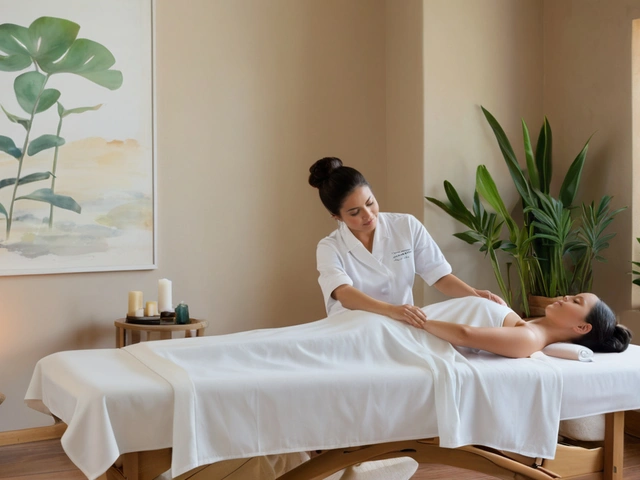
Blind Massage: Benefits, Techniques, and What to Expect

Have you ever wondered if a therapist who cannot see can actually feel your body better than one who can? It sounds like a paradox, doesn't it? You might imagine that vision is essential for spotting muscle knots or understanding posture. But in the world of blind massage, a therapeutic practice performed by practitioners with visual impairments who rely on heightened tactile sensitivity, sight is not just unnecessary-it’s often considered a distraction.
This isn't about inspiration porn or overcoming adversity in a dramatic sense. It is about biology, neurology, and years of specialized training. Blind massage therapists possess a unique advantage: their hands are their primary way of navigating the world, making them incredibly attuned to subtle changes in texture, temperature, and tension. When you lie down on their table, they aren't guessing where your pain is. They are reading your fascia like a map.
The Science Behind Tactile Superiority
To understand why blind massage works so well, we have to look at how the human brain adapts. This process is called neuroplasticity, the brain's ability to reorganize itself by forming new neural connections throughout life. In people who are blind from birth or early childhood, the part of the brain usually dedicated to processing visual information-the occipital cortex-gets repurposed. Instead of seeing images, this area processes touch, sound, and spatial awareness.
This means that when a blind therapist runs their hands over your back, their brain is analyzing that data with a level of intensity most sighted people never experience. Studies using functional MRI scans have shown that blind individuals show significantly greater activation in somatosensory areas when performing tactile tasks. For a massage therapist, this translates to an ability to detect minute variations in muscle density. While a sighted therapist might see a hunched shoulder, a blind therapist feels the micro-tremors in the trapezius muscle before you even realize you’re tense.
This heightened sensitivity allows for precise application of pressure. They don’t need to watch their hands to gauge force; they feel the resistance of your tissue directly through their fingertips. This direct feedback loop makes their technique more responsive and adaptive to your body’s immediate needs.
Origins and Cultural Context
While modern Western medicine is only recently catching up to these neurological facts, blind massage has deep historical roots, particularly in East Asia. In countries like China, Japan, and Korea, blind massage has been a respected profession for centuries. In fact, in China, the government established specific vocational schools for the blind in the mid-20th century, recognizing massage as a viable and dignified career path.
These traditions blend traditional Chinese medicine concepts, such as meridian lines and acupressure points, with physical therapy techniques. The practitioner doesn't just rub muscles; they manipulate energy flow and structural alignment. As this practice spread globally, it evolved. Today, you’ll find blind massage clinics in major cities across Europe and North America, offering everything from deep tissue work to sports recovery.
The cultural shift here is significant. It moves away from viewing blindness as a limitation and toward viewing it as a different mode of perception. For clients, this offers a refreshing change from the clinical, often rushed environment of standard spa treatments. There is a quietness to the session-a lack of small talk, a focus on presence-that many find deeply relaxing.
What Happens During a Session?
If you’ve never tried blind massage, you might be curious about the logistics. How does the therapist know where to start? Do they bump into things? The reality is surprisingly seamless. Most blind massage therapists use tools like white canes or guide dogs outside the clinic, but inside the treatment room, they navigate by memory and sound. They know exactly where the table is, where the oils are, and where you are lying.
The session typically begins with a consultation. Unlike some spas where the intake form is filled out online and forgotten, a blind therapist will likely ask detailed questions about your pain levels, recent injuries, and stress triggers. They listen intently. Sound is another heightened sense for them; they may hear the shallow breathing of anxiety or the sigh of relief as tension releases.
- Initial Assessment: The therapist uses light touches to scan your body, mapping out areas of high tension and restricted movement. This "reading" phase can take several minutes.
- Targeted Work: Once problem areas are identified, they apply specific techniques. This could include kneading, friction, or sustained pressure on trigger points.
- Feedback Loop: Because they are so connected to your body, they constantly adjust. If your muscle twitches or hardens under their hand, they know immediately to change angle or pressure.
- Closure: The session ends with gentle strokes to calm the nervous system, followed by time for you to sit up slowly and reorient yourself.
One thing you’ll notice is the absence of visual cues. You won’t see them checking a clock or looking at a chart. Their entire focus is inward, directed through their hands into your body. Many clients report feeling a deeper sense of connection and trust during these sessions because the therapist’s attention feels undivided.
Techniques Used in Blind Massage
Blind massage isn't a single style; it’s a category of practice that incorporates various modalities. However, certain techniques are favored because they rely heavily on tactile feedback rather than visual observation.
| Technique | Description | Primary Benefit |
|---|---|---|
| Myofascial Release | Gentle, sustained pressure on connective tissue to relieve restrictions. | Improves flexibility and reduces chronic pain. |
| Deep Tissue Massage | Slow strokes and deep finger pressure targeting inner layers of muscles. | Breaks down scar tissue and chronic muscle tension. |
| Trigger Point Therapy | Applying focused pressure to specific knots in muscle fibers. | Relieves referred pain and restores normal muscle function. |
| Acupressure | Pressing on specific points along meridians to balance energy flow. | Promotes relaxation and improves circulation. |
Myofascial release is particularly common. Since fascia (the web-like connective tissue surrounding muscles) holds memory of trauma and tension, feeling its texture is crucial. A blind therapist can distinguish between healthy, slippery fascia and stuck, adhered fascia with remarkable accuracy. This allows them to work more effectively on conditions like fibromyalgia or post-surgical stiffness.
Benefits Beyond Muscle Relief
While the physical benefits are obvious, there are psychological advantages too. For many clients, receiving care from a blind person challenges unconscious biases. We live in a society that prioritizes vision above all other senses. Being cared for by someone whose primary sense is touch forces you to slow down and pay attention to your own body sensations. It’s a grounding experience.
Additionally, the environment is often quieter. Without the need to visually monitor equipment or charts, the atmosphere is calmer. This reduction in sensory overload can lower cortisol levels more effectively than a busy, brightly lit spa. For people with anxiety or PTSD, this controlled, predictable environment can be therapeutic in itself.
There’s also the benefit of precision. Because blind therapists rely entirely on touch, they are less likely to miss subtle issues. A slight asymmetry in hip alignment or a tiny knot in the neck might go unnoticed by a distracted sighted therapist, but it stands out clearly to someone whose livelihood depends on detecting such details.
Finding a Qualified Practitioner
Not every massage therapist who is blind has undergone specialized training in this modality, just as not every sighted therapist specializes in deep tissue. So, how do you find the right person? Look for certifications from recognized bodies that offer programs for the visually impaired. In many regions, vocational rehabilitation centers partner with massage schools to provide comprehensive education.
Ask about their experience. Have they worked with athletes? Chronic pain patients? Post-operative clients? A good practitioner will be transparent about their training background and comfortable answering questions about their methods. Don’t hesitate to call ahead and describe your specific issue. If they seem unsure or dismissive, keep looking. You want someone who views your body as a complex system to be understood, not just a set of muscles to be rubbed.
Also, consider the accessibility of the clinic itself. Is the space designed for easy navigation? Are staff members trained to assist if needed? A well-run blind massage clinic will prioritize safety and comfort for both the therapist and the client.
Who Should Try Blind Massage?
Honestly, almost anyone can benefit. But it’s especially recommended for those who haven’t found relief through conventional massage. If you’ve had multiple sessions with little improvement, a blind therapist’s enhanced tactile skills might uncover what others missed. Athletes dealing with repetitive strain injuries, office workers with chronic neck pain, and individuals with autoimmune conditions affecting connective tissue often report significant improvements.
It’s also ideal for people who struggle with communication during massage. Sometimes it’s hard to articulate exactly where it hurts. With a blind therapist, you don’t always have to. Their hands will find the problem, and you can simply react. This non-verbal dialogue can be liberating for those who find talking during therapy awkward or difficult.
Misconceptions to Avoid
Let’s clear up a few myths. First, blind massage is not "magical." It’s skilled labor based on anatomy, physiology, and refined technique. Second, it’s not inherently cheaper or more expensive than other types of massage. Pricing varies by location, experience, and duration, just like any other service. Third, being blind doesn’t mean the therapist lacks empathy or professionalism. On the contrary, many bring a profound level of patience and attentiveness to their work.
Another misconception is that blind therapists can only perform light massages. False. Many specialize in intense deep tissue or sports massage. Their lack of sight doesn’t limit their strength or endurance; it enhances their precision.
Preparing for Your First Session
To get the most out of your visit, prepare as you would for any massage. Wear loose clothing, stay hydrated, and avoid heavy meals beforehand. Communicate openly about your medical history, including any surgeries, fractures, or skin conditions. Even though the therapist relies on touch, knowing your history helps them tailor their approach safely.
Arrive a few minutes early. This gives you time to settle in and allows the therapist to prepare the room. If you’re nervous, say so. They’re used to guiding clients through unfamiliar experiences and will help you feel comfortable.
Remember, this is a partnership. Your feedback matters. If something hurts too much, speak up. If you’re enjoying a particular technique, let them know. The best results come from collaboration between your body’s signals and their expert hands.
The Future of Tactile Therapies
As awareness grows, blind massage is gaining recognition in mainstream healthcare settings. Some physical therapy clinics now refer patients to blind massage therapists for adjunctive care. Insurance coverage is expanding in certain regions, acknowledging its efficacy for chronic pain management. This integration validates the skill set and opens doors for more practitioners to enter the field.
Research continues to explore the neurological basis of tactile expertise. Scientists are studying how long-term deprivation of one sense leads to enhancement of others, hoping to apply these insights to rehabilitation technologies and sensory training programs. For now, however, the proof is in the practice-and in the relaxed shoulders of countless satisfied clients.
If you’ve never experienced blind massage, give it a try. You might discover that sometimes, closing your eyes-or letting someone else close theirs-opens up a whole new way of healing.
Is blind massage safe for everyone?
Yes, blind massage is generally safe for most people. However, as with any massage therapy, it’s important to disclose medical conditions such as blood clots, osteoporosis, or open wounds. A qualified practitioner will adjust their technique accordingly to ensure your safety.
Do blind massage therapists earn less than sighted ones?
Earnings vary widely depending on location, experience, and clientele. There is no evidence suggesting blind therapists earn systematically less. In fact, due to high demand for their specialized skills, many command premium rates comparable to or higher than average market prices.
Can blind massage help with anxiety?
Absolutely. The combination of precise physical relief and a calm, focused environment can significantly reduce stress hormones. Many clients report feeling mentally clearer and emotionally balanced after sessions, partly due to the mindful nature of the interaction.
How long does a typical blind massage session last?
Sessions typically range from 60 to 90 minutes, similar to standard massage appointments. Some clinics offer shorter 30-minute express sessions focusing on specific areas like the neck and shoulders.
Where can I find a certified blind massage therapist?
Search online directories for "blind massage" plus your city name. Check reviews and verify credentials through local licensing boards or vocational rehabilitation agencies. Word-of-mouth referrals from previous clients are also highly valuable.