
Bioenergetics: How Energy Healing Actually Works
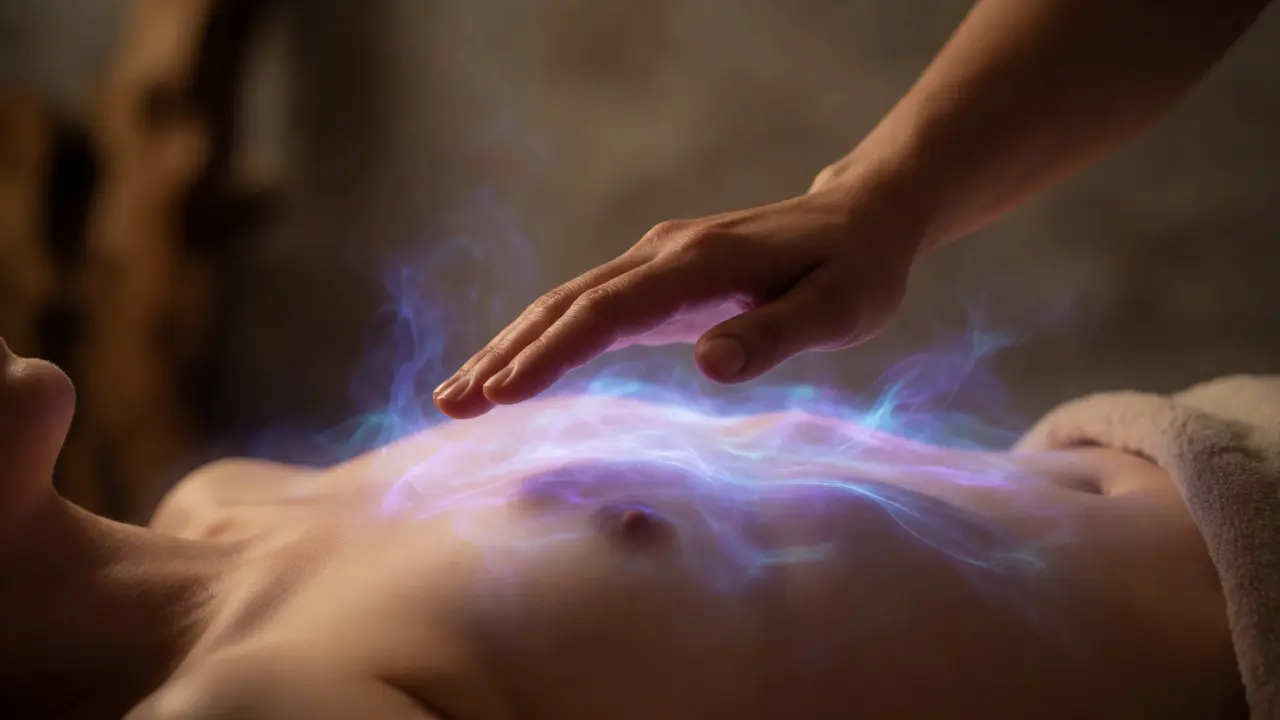
You’ve probably heard the term bioenergetics thrown around in wellness circles. Maybe you’ve seen it on a menu at a local spa or read about it in a magazine article promising to "recharge your batteries." But what does it actually mean? Is it just new-age fluff, or is there real science behind manipulating the body’s invisible energy fields?
Here’s the thing: we all feel it. That heavy, drained sensation after a bad week, or the sudden rush of vitality after a good night’s sleep or a deep massage. For decades, mainstream medicine focused almost exclusively on chemistry and structure-drugs, surgeries, and scans. But a growing number of practitioners are looking at something else: energy. Specifically, how living organisms generate, store, and exchange energy.
This isn’t about waving hands over a crystal ball. It’s about understanding that your body is an electrical system. Your heart beats because of electrical impulses. Your brain thinks because of neural firing. When these systems get out of sync, you don’t just feel "tired"; you experience pain, anxiety, and chronic illness. Bioenergetics offers a framework to understand this imbalance and, more importantly, a set of tools to fix it.
What Exactly Is Bioenergetics?
At its core, bioenergetics is the study of energy flow through living systems. In biology, this usually refers to cellular metabolism-how cells convert nutrients into ATP (adenosine triphosphate), the fuel for life. But in the context of healing, it expands to include the biofield, the electromagnetic field generated by biological processes.
Think of your body like a smartphone. The hardware is your bones and muscles. The software is your mind and emotions. The battery and charging port? That’s your bioenergy. If the battery is dead, no amount of updating the software will make the phone work. You need to address the power source.
The concept gained traction in the mid-20th century with figures like Wilhelm Reich, who proposed the idea of "orgone energy," and later Alexander Lowen, who developed Bioenergetic Analysis, a form of psychotherapy that uses physical movement to release emotional blockages. Today, it encompasses a wide range of practices, from Reiki and Qigong to advanced electromagnetic therapies.
The Science Behind the Spark
Skeptics often dismiss energy healing as placebo. But the human body is undeniably electric. Every time a nerve fires, a tiny electrical current moves. Your heart generates the strongest electromagnetic field in your body, measurable up to several feet away using SQUID magnetometers. This isn’t magic; it’s physics.
Research suggests that when tissues are injured or stressed, their electrical potential changes. Healthy tissue has a specific voltage gradient. Damaged tissue loses it. Some forms of bioenergetic therapy aim to restore this gradient. For example, studies on Pulsed Electromagnetic Field (PEMF) therapy have shown it can accelerate bone fracture healing by stimulating cellular repair mechanisms. While PEMF is a medical device, the principle aligns with broader bioenergetic theories: external energy can influence internal biological states.
Then there’s the role of water. Our bodies are mostly water, and water conducts electricity. Proponents argue that structured water within cells acts as a liquid crystal, storing and transmitting information. When this structure breaks down due to stress or toxins, communication between cells slows down. Restoring this flow is key to feeling vibrant again.
Common Bioenergetic Practices Explained
Not all energy healing looks the same. Some involve touch, some don’t. Some use technology, others rely on intention. Here’s a breakdown of the most common methods you might encounter:
- Reiki: A Japanese technique where a practitioner places hands lightly on or just above the body. The goal is to channel universal life force energy to promote relaxation and balance. It’s passive for the recipient-you just lie there and breathe.
- Qigong and Tai Chi: Ancient Chinese practices that combine slow movement, meditation, and regulated breathing. These are active forms of bioenergetics. You’re generating your own energy flow through motion and focus.
- Biofield Tuning: A newer approach using tuning forks. Practitioners strike them near the ears and body to detect and correct imbalances in the body’s magnetic field. It’s precise and often used for neurological issues like migraines or tinnitus.
- Therapeutic Touch: Similar to Reiki but often taught in nursing programs. It involves sweeping hands over the body to assess and modulate the energy field without necessarily making contact.

Signs You Might Need an Energy Tune-Up
How do you know if your bioenergy is off-kilter? It’s rarely one dramatic symptom. Usually, it’s a collection of subtle signs that add up. If you’re experiencing three or more of these, your system might be struggling to regulate its energy flow:
- Chronic Fatigue: You sleep eight hours but wake up exhausted. Caffeine doesn’t help.
- Brain Fog: Difficulty concentrating, forgetfulness, or feeling mentally sluggish.
- Unexplained Pain: Aches and pains that doctors can’t find a structural cause for.
- Emotional Volatility: Feeling irritable, anxious, or emotionally "raw" without a clear trigger.
- Poor Immunity: Catching every cold that goes around, or taking weeks to recover from minor illnesses.
These symptoms suggest your nervous system is stuck in "fight or flight" mode. Bioenergetic practices often shift the body into "rest and digest" mode, allowing natural healing processes to kick in.
Comparing Popular Modalities
If you’re considering trying one of these therapies, it helps to know what they offer. They aren’t interchangeable. Choosing the wrong one might waste your time and money.
| Modality | Active vs. Passive | Best For | Typical Session Length |
|---|---|---|---|
| Reiki | Passive | Deep relaxation, grief, post-surgery recovery | 45-60 minutes |
| Qigong | Active | Mobility, long-term resilience, daily maintenance | 30-60 minutes (practice) |
| Biofield Tuning | Passive | Neurological issues, trauma, sensory overload | 30-45 minutes |
| Bioenergetic Analysis | Active | Releasing repressed anger, chronic tension, trauma | 50-90 minutes |

Is It Safe? And What Does It Cost?
One of the biggest appeals of bioenergetics is its safety profile. Unlike pharmaceuticals, which carry risks of side effects and interactions, energy therapies are generally non-invasive. You won’t overdose on Reiki. However, "safe" doesn’t mean "risk-free" in terms of expectations.
The main risk is delaying conventional medical treatment. If you have chest pain, go to the ER. Don’t wait for a Reiki session to fix a heart attack. Use these therapies as complementary, not alternative, to standard care.
Cost varies widely. In Nashville, a single Reiki session might run $75 to $120. Classes for Qigong could be $20 per drop-in or part of a monthly gym membership. Insurance coverage is spotty. Some plans cover acupuncture or chiropractic, which share similar philosophies, but rarely cover pure energy work. Always check with your provider before booking a series of sessions.
How to Find a Qualified Practitioner
The industry is loosely regulated. Anyone can call themselves an energy healer. So, how do you vet someone?
- Ask for credentials: Look for certifications from recognized bodies like the International Center for Reiki Training or specific lineage schools for Qigong.
- Check their background: Many excellent practitioners have backgrounds in nursing, physical therapy, or psychology. This suggests they understand anatomy and physiology, not just metaphysics.
- Trust your gut: Energy work relies heavily on rapport. If you feel judged, rushed, or uncomfortable during the initial consultation, move on. The therapeutic relationship is half the treatment.
- Look for transparency: A good practitioner will explain what they expect to happen and what sensations you might feel. They shouldn’t promise miracles or diagnose serious conditions without medical testing.
Taking Control of Your Own Energy
You don’t always need a practitioner. You can manage your bioenergy daily. Start small. Spend five minutes each morning doing box breathing: inhale for four seconds, hold for four, exhale for four, hold for four. This simple act regulates the vagus nerve, directly impacting your energy state.
Also, pay attention to your environment. EMFs from Wi-Fi routers and cell phones are constant. While the health impact is debated, many people report feeling better when they create "low-tech zones" in their bedroom. Try turning off your router at night. See if your sleep improves. Data is anecdotal, but personal experimentation is free.
Bioenergetics isn’t about escaping reality. It’s about engaging with it more fully. By paying attention to the subtle currents running through your body, you gain a lever to pull when things feel heavy. It’s practical, accessible, and increasingly backed by both tradition and emerging science.
Does bioenergetics really work, or is it just placebo?
It’s likely a combination. The placebo effect is powerful, especially when combined with ritual, touch, and relaxation. However, studies on modalities like PEMF and acupuncture show physiological changes, such as reduced inflammation markers and altered brain wave patterns, suggesting mechanisms beyond mere belief.
Can I do bioenergetic exercises myself?
Yes. Practices like Qigong, Tai Chi, and yoga are self-directed bioenergetic exercises. Breathwork techniques also fall under this umbrella. Learning these skills gives you lifelong tools to manage stress and energy levels without relying on outside help.
Are there any side effects to energy healing?
Side effects are rare but possible. Some people experience temporary fatigue, emotional release (crying or laughing), or vivid dreams after a session. This is often described as the body "processing" the shift in energy. Drinking plenty of water afterward helps mitigate these effects.
How many sessions do I need to see results?
It depends on the issue. Acute stress might resolve in one or two sessions. Chronic conditions or deep-seated trauma may require weekly sessions for several months. Most practitioners recommend starting with a package of three to five sessions to assess progress.
Is bioenergetics compatible with medication?
Generally, yes. Energy therapies do not introduce chemicals into the body, so they don’t interact with drugs pharmacologically. However, always inform your doctor about any complementary therapies you’re using, especially if you have a pacemaker or other implanted electronic devices, as some electromagnetic therapies might interfere.