
Why Fascia Stretching Is a Vital Part of Any Workout Routine
Most people think stretching is about loosening tight muscles. But if you’re only focusing on your quads, hamstrings, or shoulders, you’re missing the real key to movement: your fascia.
Fascia is the web of connective tissue that wraps every muscle, bone, nerve, and organ in your body. It’s not just padding-it’s your body’s tension network. When fascia gets stiff or stuck, it pulls on muscles, limits your range of motion, and makes even simple movements feel stiff or painful. That’s why fascia stretching isn’t just another warm-up trick-it’s the missing piece in almost every workout routine.
What Exactly Is Fascia?
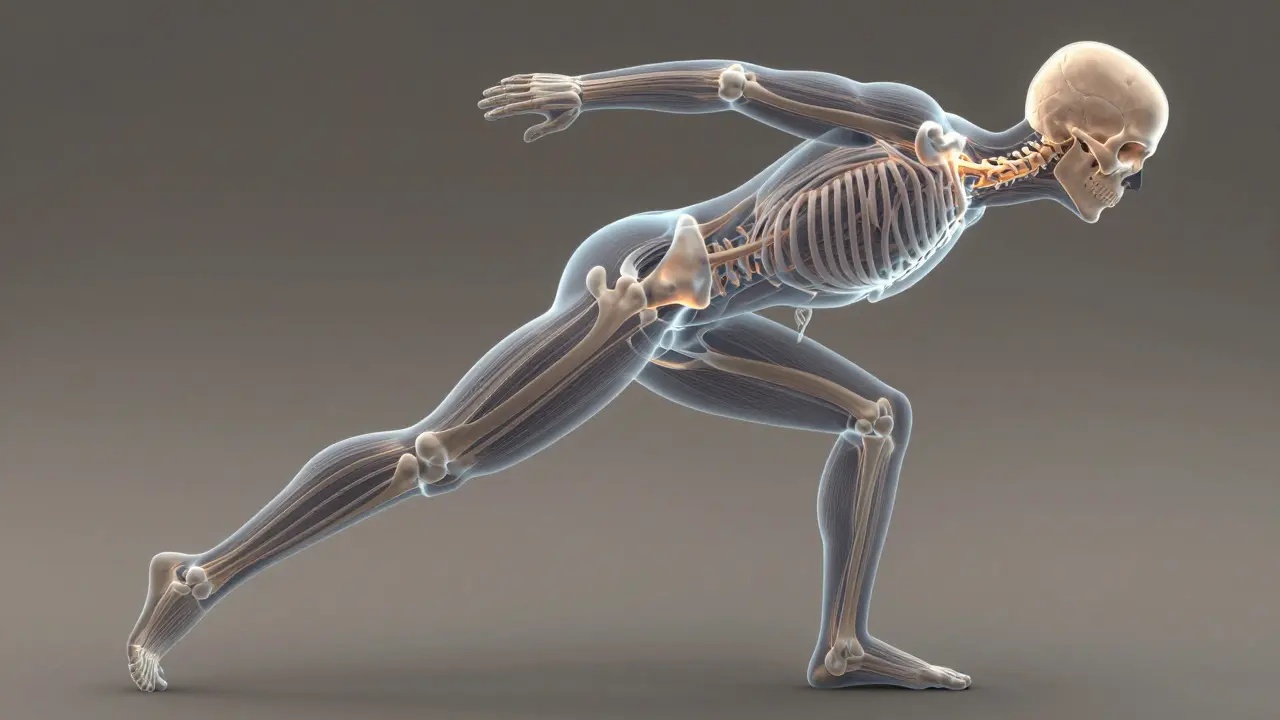
Fascia is made of collagen fibers, elastin, and a gel-like substance called ground substance. Think of it like shrink-wrap that holds your muscles together. It’s continuous, too. The fascia in your foot connects to your calf, then your lower back, and even up to your skull. That’s why a tight calf can cause neck pain-your fascia is pulling everything into alignment.
When you move, fascia slides and glides. But if you sit all day, run the same route every week, or skip recovery, that sliding stops. Fascia thickens, dries out, and sticks to itself. This is called fascial adhesion. It doesn’t show up on X-rays or MRIs, but you feel it. It’s the reason you can’t touch your toes anymore. Or why your hip clicks when you stand up. Or why your shoulders feel heavy even after a massage.
Why Regular Stretching Isn’t Enough
Traditional static stretching-holding a hamstring stretch for 30 seconds-does little for fascia. It might feel good, but it doesn’t fix the underlying stickiness. Fascia responds to slow, sustained pressure, not quick tugs. It needs time to rehydrate and reorganize.
Studies from the Journal of Bodywork and Movement Therapies show that fascial tissues take between 90 and 120 seconds of sustained pressure to begin releasing. That’s why yoga and foam rolling work better than quick stretches. It’s not about lengthening muscle-it’s about melting adhesions.
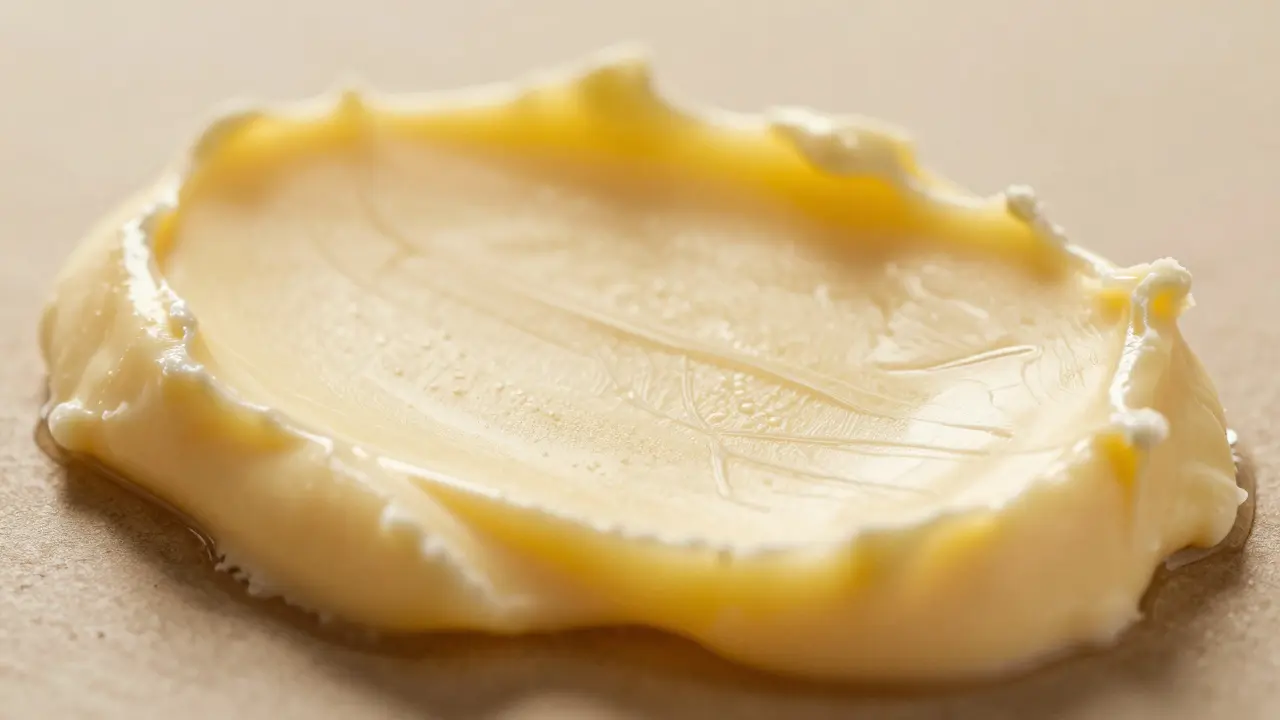
Think of it like cold butter. If you try to slice it fast, it cracks. But if you let it sit at room temperature, it spreads smoothly. Fascia works the same way. Slow, mindful movement melts the stiffness.
How Fascia Stretching Improves Performance
When fascia is healthy, your body moves like a single unit. Your hips drive your run. Your core stabilizes your swing. Your ankles absorb your jump. That’s efficiency. And that’s what fascia stretching builds.
Here’s what happens when you add fascia-focused work to your routine:
- You recover faster after heavy lifting-no more lingering soreness that lasts for days
- Your joint range increases without forced stretching-you’ll notice you can squat deeper without even trying
- Minor aches disappear-lower back pain, tight hips, stiff shoulders often come from fascial tension, not muscle weakness
- You reduce injury risk-fascial restrictions create compensatory movements that overload tendons and ligaments
One 2023 study tracked 85 runners over six months. Half did only muscle stretching. The other half added 15 minutes of fascia rolling and slow myofascial release after every run. The fascia group had 47% fewer overuse injuries and improved their 5K times by an average of 90 seconds.
Simple Fascia Stretching Techniques Anyone Can Do
You don’t need a therapist or fancy gear. Just your body and a little time.
Start with these three moves, done slowly and with breath:
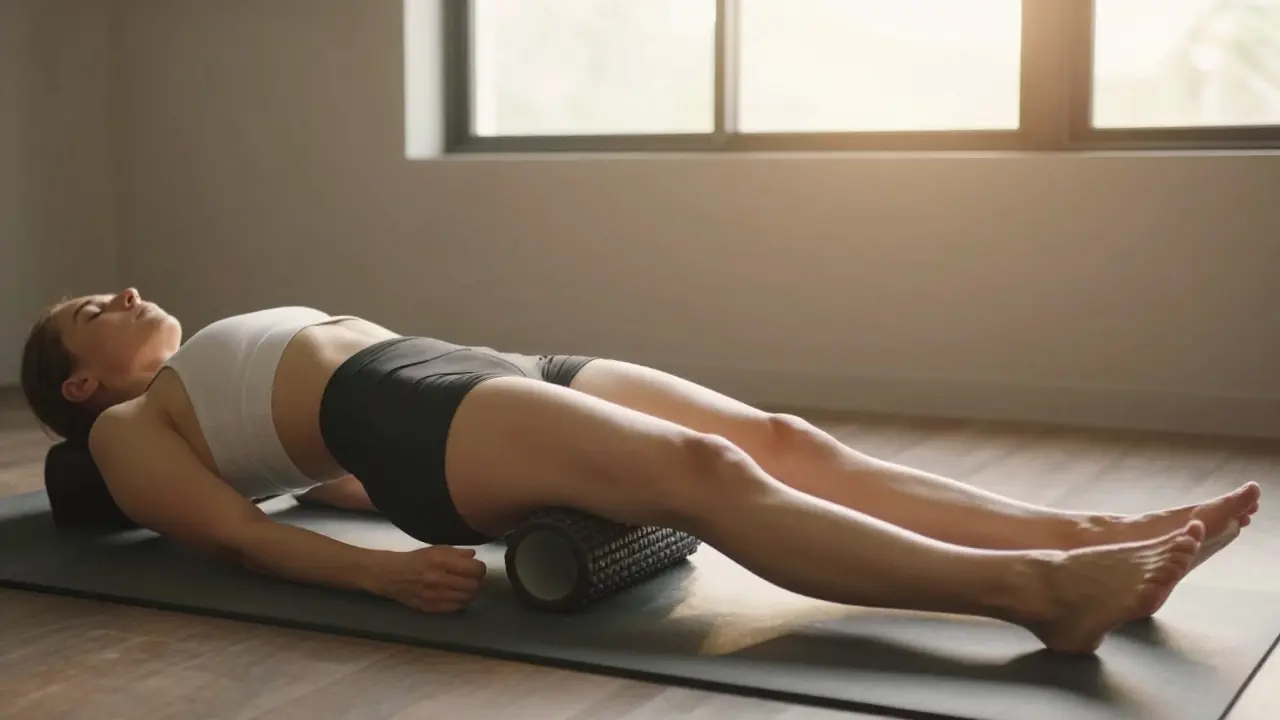
- Foam Roll the Back of Your Legs-Lie on your back with a foam roller under your thighs. Roll from just below your butt to just above your knee. Don’t rush. Pause for 10-15 seconds on any spot that feels tight or tender. Breathe into it.
- Seated Forward Fold with a Towel-Sit with your legs straight. Loop a towel around the balls of your feet. Gently pull yourself forward, keeping your spine long. Hold for 90 seconds. Let your head hang. This targets the entire posterior chain-fascia from your feet to your neck.
- Cat-Cow with a Pause-On all fours, move slowly into cat (round back) and cow (arch back). But at the end of each movement, hold for 10 seconds. Feel the stretch in your spine, ribs, and hips. This releases fascia along your entire torso.
Do these three moves for 10-15 minutes after your workout, or on rest days. No need to push. Just stay still. Let the tissue soften.
When to Do Fascia Stretching
Timing matters. Don’t do deep fascia work right before a heavy lift or sprint. Your body needs tension for power. But right after? Perfect.
Best times:
- After strength training-helps reduce muscle stiffness and inflammation
- After cardio-releases tension built up from repetitive motion
- On rest days-keeps fascia hydrated and mobile
- Before bed-improves sleep quality by calming the nervous system
Avoid doing it cold. Warm up first. A five-minute walk or light jump rope gets the blood flowing. Cold fascia is like frozen rubber-it snaps instead of stretches.
What to Avoid
Many people think more pressure = better results. That’s not true. If you’re screaming or holding your breath, you’re triggering your body’s defense system. Fascia tightens up even more.
Here’s what to skip:
- Rolling too fast
- Using spiked balls on sensitive areas
- Forcing deep stretches without breathing
- Doing it every day without rest-fascia needs recovery too
Less is more. One 15-minute session, done right, is better than 45 minutes of painful rolling.
What Happens When You Skip Fascia Work
Imagine running the same trail every day without ever cleaning your shoes. Dirt builds up. Soles harden. You start limping. That’s what happens to fascia when you ignore it.
Over time, fascial restrictions lead to:
- Chronic pain that moves around-back one week, knee the next
- Reduced athletic performance-slower sprints, weaker lifts
- Slower recovery-muscle soreness that lingers
- Increased risk of tendonitis and stress fractures
People who train hard but skip fascia work often hit a wall after 2-3 years. They’re not injured. They’re just stuck. Their body can’t move the way it’s designed to.
Real Change Takes Time
Fascia doesn’t fix itself overnight. It’s not like a sprained ankle. It’s a slow, quiet process. But the changes are deep.
After four weeks of consistent fascia stretching:
- Your posture improves naturally-you stand taller without thinking
- Your breathing gets deeper-you feel less tightness in your ribs
- Your joints feel lighter-no more morning stiffness
- You move with more ease-walking, bending, reaching all feel smoother
It’s not magic. It’s biology. Your body was built to move freely. Fascia stretching just removes the rust.