10 Reasons Why You Should Try Shiatsu Today: Benefits, What to Expect, and How It Helps
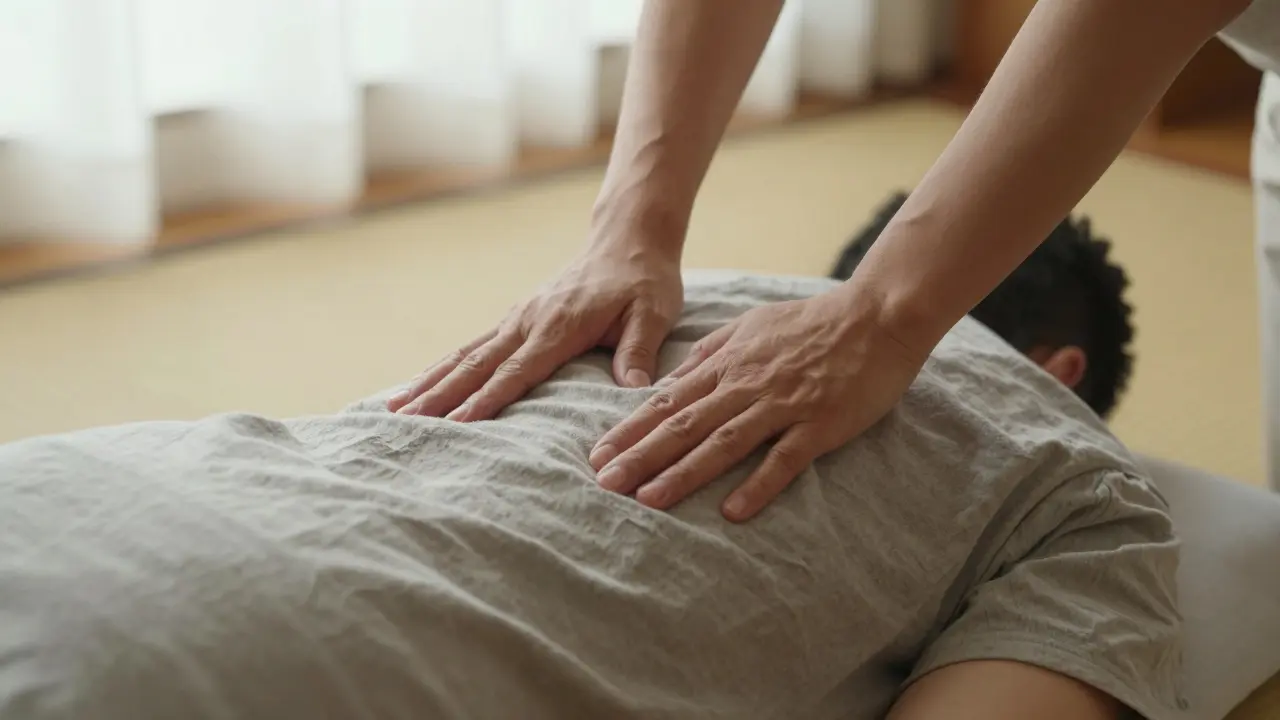
You sit down after a long day, shoulders tight, neck stiff, mind racing. You’ve tried stretching, maybe even a standard Swedish massage, but the tension keeps coming back. What if the issue isn’t just muscle fatigue, but an imbalance in your body’s energy flow? That’s where Shiatsu comes in. Unlike regular massage that focuses solely on kneading muscles, Shiatsu is a Japanese therapeutic technique that uses finger pressure along specific lines of energy called meridians. It’s not just about feeling good for an hour; it’s about resetting your body’s natural balance.
If you’re curious but skeptical, you’re not alone. Many people assume all massage is the same. But Shiatsu offers unique advantages that go beyond relaxation. Here are ten compelling reasons why you should try it today, whether you’re dealing with chronic pain, high stress, or just want to feel more alive.
1. It Targets the Root Cause, Not Just Symptoms
Most conventional massages work on the muscular system. They relieve soreness by increasing blood flow to tired tissues. While helpful, this often treats the symptom rather than the cause. Shiatsu operates on the principle of Traditional Chinese Medicine (TCM), which views health as a balance of Qi (life energy) flowing through twelve primary meridians. When Qi gets blocked or stagnant, pain and illness follow. A certified Shiatsu practitioner identifies these blockages by pressing into specific acupressure points. By clearing the obstruction, they address the underlying imbalance. This means relief can last longer because the root issue is resolved, not just masked.
2. Deep Relief for Chronic Back and Neck Pain
Back pain affects nearly 80% of adults at some point. For many, it becomes a chronic companion. Shiatsu is particularly effective for mechanical back and neck issues. The practitioner uses thumbs, palms, and elbows to apply deep, sustained pressure to trigger points along the spine and surrounding muscles. This releases knots that superficial massage might miss. Studies in complementary medicine journals have shown significant reductions in pain scores for patients with chronic lower back pain after a series of Shiatsu sessions. If you spend hours hunched over a desk, this targeted approach can realign your posture from the inside out.
3. Powerful Stress and Anxiety Reduction
Stress isn’t just mental; it’s physical. Cortisol floods your system, tightening muscles and disrupting sleep. Shiatsu activates the parasympathetic nervous system-the “rest and digest” mode. The rhythmic, deliberate pressure signals safety to your brain. Clients often report a profound sense of calm during the session, followed by days of reduced anxiety. Unlike meditation, which requires practice, Shiatsu does the work for you. It lowers heart rate and blood pressure, providing a physiological reset button for your stress response.
4. Improved Digestion and Gut Health
Your gut has its own nervous system, often called the “second brain.” Stress and poor energy flow directly impact digestion. Shiatsu includes specific techniques for the abdomen. Practitioners may gently press around the navel and along the stomach meridian to stimulate peristalsis (the movement of food through the intestines). This can help with bloating, constipation, and irritable bowel syndrome (IBS). Regular sessions have been linked to improved appetite regulation and better nutrient absorption. If you struggle with digestive issues tied to stress, Shiatsu offers a non-invasive way to soothe your gut.
5. Enhanced Sleep Quality
Insomnia plagues millions. Tossing and turning leaves you exhausted. Shiatsu promotes deeper, more restorative sleep. By balancing Yin and Yang energies and reducing physical tension, it prepares your body for rest. Specific points on the feet and head are known to induce drowsiness. Many clients fall asleep during their session. More importantly, they wake up feeling refreshed. Research suggests that consistent Shiatsu therapy can increase total sleep time and improve sleep efficiency. If you rely on pills to sleep, this natural alternative might be worth exploring.
6. Boosts Immune Function
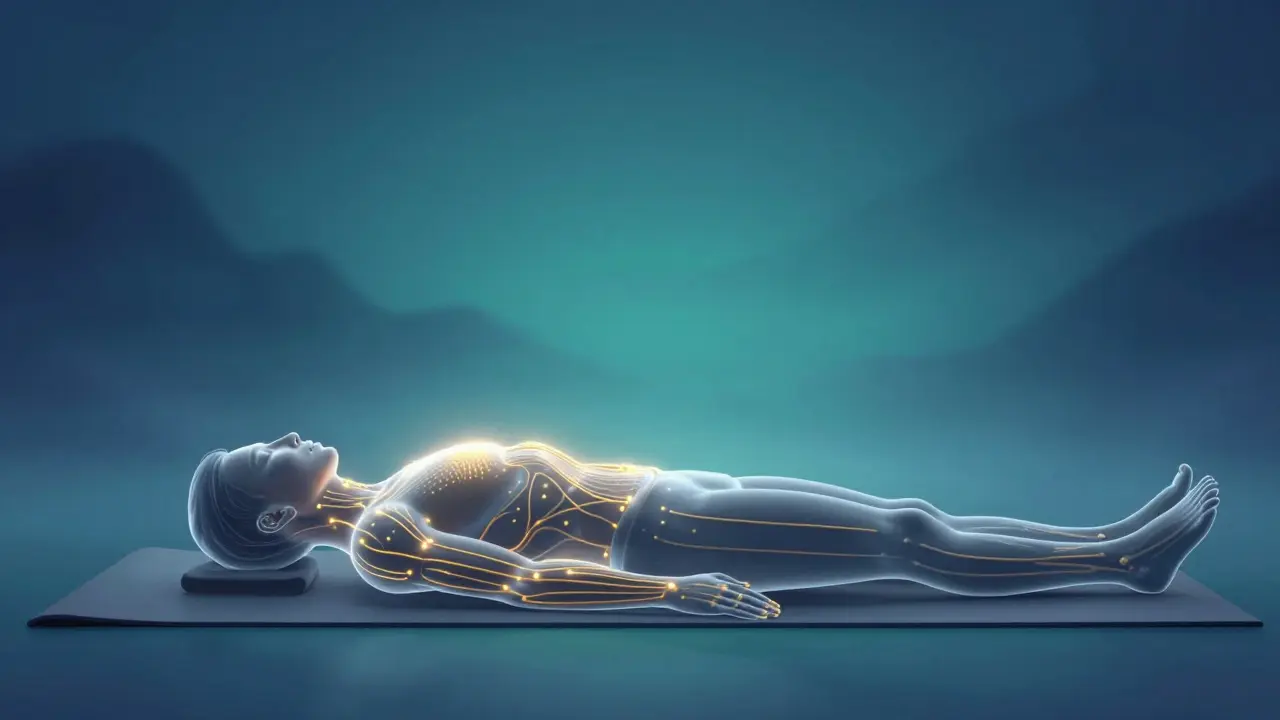
A strong immune system starts with good circulation and low stress. Shiatsu improves lymphatic drainage, helping your body remove toxins and waste products. The pressure stimulates the production of white blood cells, which fight off infections. People who receive regular Shiatsu often report fewer colds and faster recovery times when they do get sick. It’s a proactive way to support your body’s defenses, especially during flu season or periods of high stress.
7. Holistic Approach to Mental Clarity
Brain fog and lack of focus are common complaints in our fast-paced world. Shiatsu isn’t just for the body; it clears the mind too. By improving blood flow to the head and neck, it enhances oxygen delivery to the brain. The release of endorphins and serotonin during treatment boosts mood and cognitive function. Clients often describe feeling “lighter” and more mentally sharp after a session. If you need clarity for work or study, Shiatsu can provide a clean slate.
8. No Oils, No Slippery Surfaces
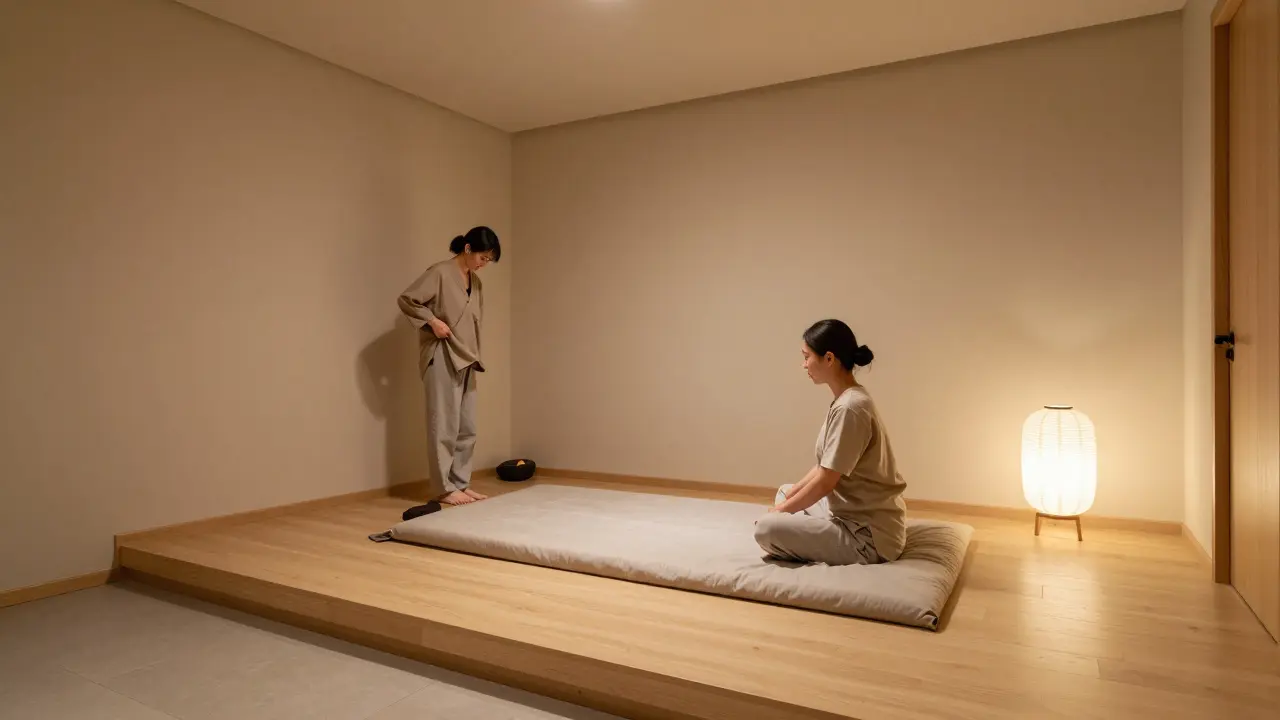
Some people dislike the mess of massage oils. Shiatsu is performed fully clothed. You wear loose, comfortable clothing. The practitioner works on a mat on the floor (harai) or a raised table. This makes it accessible for those with skin sensitivities or allergies to lotions. It also allows the practitioner to assess your posture and alignment through your clothes. The friction of fabric against skin provides grounding feedback, enhancing the therapeutic effect.
9. Customizable to Your Needs
No two bodies are alike. A skilled Shiatsu therapist tailors each session to your current state. They ask questions about your health, stress levels, and goals. Then, they adjust the pressure, duration, and focus areas accordingly. One week you might need gentle work for anxiety; the next, deeper pressure for muscle stiffness. This personalization ensures you get exactly what your body needs, making every session unique and effective.
10. Accessible and Safe for Most People
Compared to some invasive treatments, Shiatsu is very safe. There are no needles, drugs, or incisions. Side effects are rare and usually mild, like temporary soreness or emotional release. It’s suitable for most ages, from children to seniors. Pregnant women can benefit from specialized prenatal Shiatsu, though they should consult their doctor first. Always choose a certified practitioner to ensure proper technique and safety standards.
| Feature | Shiatsu | Swedish Massage |
|---|---|---|
| Technique | Finger pressure, stretching, joint mobilization | Effleurage, petrissage, friction, tapotement |
| Clothing | Fully clothed | Nude under sheet |
| Focus | Energetic meridians, Qi flow | Muscle tissue, blood circulation |
| Pressure | Deep, sustained, static | Varying, gliding, rhythmic |
| Goal | Balance energy, treat root causes | Relaxation, relieve muscle tension |
What to Expect During Your First Session
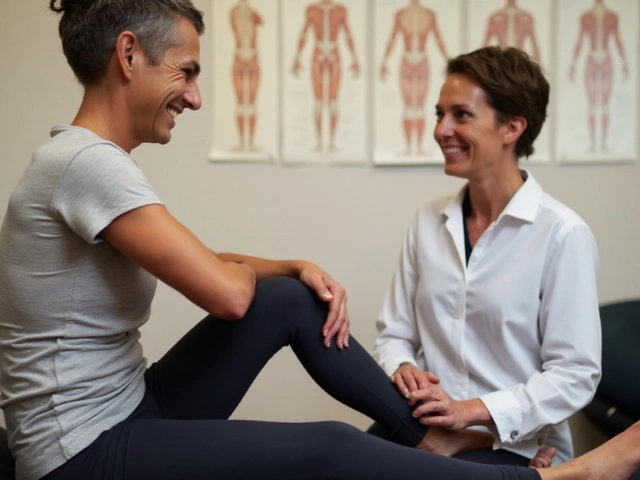
Walking into a Shiatsu studio might feel different than a spa. The room is likely quiet, warm, and minimalistic. You’ll change into loose cotton pants and a t-shirt provided by the therapist. You lie on a futon on the floor or a padded table. The session begins with a consultation. The therapist asks about your health history, lifestyle, and concerns. Then, they start working. Expect slow, deliberate movements. They may stretch your limbs, press deeply into your back, or hold your foot while applying pressure. Communication is key. Tell them if the pressure is too much. Good therapists listen and adjust. Afterward, drink water and rest. You might feel energized or sleepy. Both are normal.
How to Choose a Qualified Practitioner
Not everyone calling themselves a Shiatsu master is trained properly. Look for certification from recognized bodies like the American Shiatsu Association (ASA) or equivalent national organizations. Check their education background. Did they complete hundreds of hours of training in anatomy, TCM theory, and ethics? Read reviews. Ask friends for recommendations. A good practitioner will make you feel safe and heard. Don’t hesitate to ask questions during your consultation.
Who Should Avoid Shiatsu?
While safe for most, Shiatsu isn’t for everyone. Avoid it if you have:
- Severe osteoporosis (deep pressure can fracture bones)
- Acute injuries like fractures or sprains
- Bleeding disorders or are on blood thinners
- High fever or infectious diseases
- Pregnancy complications (unless seeing a specialist)
Does Shiatsu hurt?
It shouldn’t cause sharp pain. You might feel intense pressure or mild discomfort as knots release, similar to a deep tissue massage. However, the sensation should be tolerable and even relieving. Communicate with your therapist if it hurts too much. They can adjust the pressure.
How often should I get Shiatsu?
For acute issues, weekly sessions for 4-6 weeks are common. For maintenance and general wellness, once a month is sufficient. Listen to your body. Some people prefer bi-weekly visits during stressful periods.
For acute issues, weekly sessions for 4-6 weeks are common. For maintenance and general wellness, once a month is sufficient. Listen to your body. Some people prefer bi-weekly visits during stressful periods.
Is Shiatsu covered by insurance?
Coverage varies widely. Some plans cover it if prescribed by a doctor for specific conditions like back pain. Others consider it alternative therapy and don’t cover it. Check with your provider. Many clinics offer sliding scale fees or packages.
Can I do Shiatsu on myself?
Yes, self-Shiatsu is possible for simple points like the web between thumb and index finger (LI4) for headaches. However, you can’t reach all points effectively. Professional treatment is needed for deep structural work and full meridian clearance. Use self-care as a supplement, not a replacement.
How long does a typical Shiatsu session last?
Standard sessions are 60 or 90 minutes. Initial consultations may take longer. Shorter 30-minute sessions exist but are less effective for deep work. Allow enough time for the full process: consultation, treatment, and post-session discussion.