
The Ultimate Guide to Snail Facial Massage: Benefits, Tools & Technique
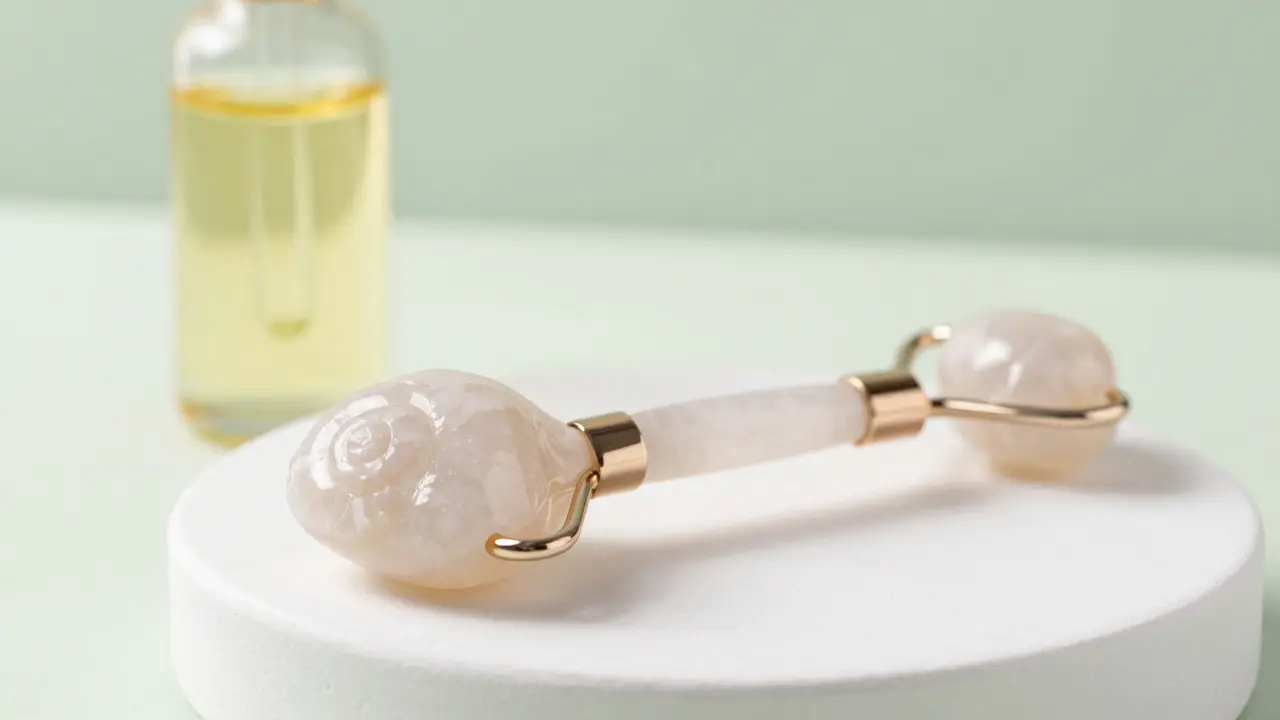
Have you ever seen a video of someone dragging a plastic snail-shaped object across their cheeks and thought it looked ridiculous? You are not alone. For years, the snail facial massage was dismissed as a fleeting TikTok trend or a gimmick for influencers with too much time on their hands. But strip away the viral hype, and you find a legitimate practice rooted in ancient Asian beauty rituals and modern lymphatic science. This isn't just about looking like you're playing with toys; it is about using specific pressure points to reduce puffiness, improve circulation, and potentially soften fine lines.
If you are curious about whether this weird-looking tool actually works, you need to understand the mechanics behind it. It is not magic. It is manual manipulation of soft tissue. Whether you use a dedicated snail head tool, a jade roller, or your own fingertips, the goal remains the same: move fluid out of your face and bring oxygen-rich blood in. Let’s break down exactly how to do it right, what tools you really need, and why your skin might thank you for it.
What Is Snail Facial Massage?
Snail facial massage refers to a technique where a smooth, curved tool-shaped like the shell of a snail-is used to glide over the contours of the face. The tool typically has two distinct ends: a larger, rounded "head" and a smaller, pointed "tail." These shapes are designed to fit into the complex curves of the human face, from the broad planes of the cheeks to the narrow crevices around the nose and eyes.
The concept borrows heavily from traditional Chinese medicine and Korean skincare routines, which emphasize the flow of Qi (energy) and blood. In Western terms, we call this lymphatic drainage. Your lymphatic system does not have a pump like your heart; it relies on muscle movement and external pressure to move waste fluids out of tissues. When that fluid gets stuck, especially after a salty dinner or a poor night's sleep, your face looks puffy and tired. The snail tool provides that external pressure.
Unlike aggressive deep-tissue massage, this method is gentle. It targets the superficial layers of the skin and the underlying fascia. Think of it as smoothing out wrinkles in a bedsheet rather than kneading dough. The result is often an immediate glow and a slight lifting effect, though long-term benefits depend on consistency and proper technique.
Why Use a Snail Head Tool Instead of Your Hands?
You might wonder if you can skip the gadget entirely. Yes, you can use your fingers, but there are distinct advantages to using a dedicated tool like the snail head tool, also known as a face snail massager.
- Precision: Fingers are blunt. A snail tool has defined edges that can trace the orbital bone around the eye without pressing directly onto the eyeball. It can also navigate the nasolabial folds (the lines from your nose to your mouth) more effectively than a fingertip.
- Consistency: It is easy to accidentally pinch or tug at your skin with your nails or rough cuticles. A smooth stone or silicone tool glides evenly, reducing friction and potential irritation.
- Cooling Effect: Most snail tools are made from natural stones like rose quartz, jade, or white crystal. If kept in the refrigerator, they provide a cooling sensation that constricts blood vessels, instantly reducing redness and puffiness.
- Hygiene: While hands carry bacteria, a non-porous stone tool can be easily sanitized with alcohol between uses, making it safer for acne-prone skin.
However, the material matters. Rose quartz is popular for its spiritual associations, but jade is denser and stays cooler longer. Silicone tools are flexible and great for sensitive areas, but they lack the thermal conductivity of stone. Choose based on your skin's sensitivity and your preference for temperature therapy.
Step-by-Step Snail Facial Massage Routine
Using the wrong technique can do more harm than good. Dragging a tool upward against gravity or pressing too hard can cause broken capillaries or increase inflammation. Here is the correct way to perform a snail facial massage, focusing on lymphatic drainage principles.
- Prep the Skin: Never massage dry skin. You need slip. Apply a generous amount of facial oil, serum, or moisturizer. Oil is best because it doesn't absorb immediately, allowing the tool to glide smoothly. Look for lightweight oils like jojoba or squalane if you have oily skin, or heavier oils like marula if you are dry.
- Start with the Neck: Always clear the drainage pathways first. Place the large end of the snail tool at the base of your skull and gently glide down the sides of your neck toward your collarbone. Repeat three times on each side. This opens the lymph nodes so the fluid from your face has somewhere to go.
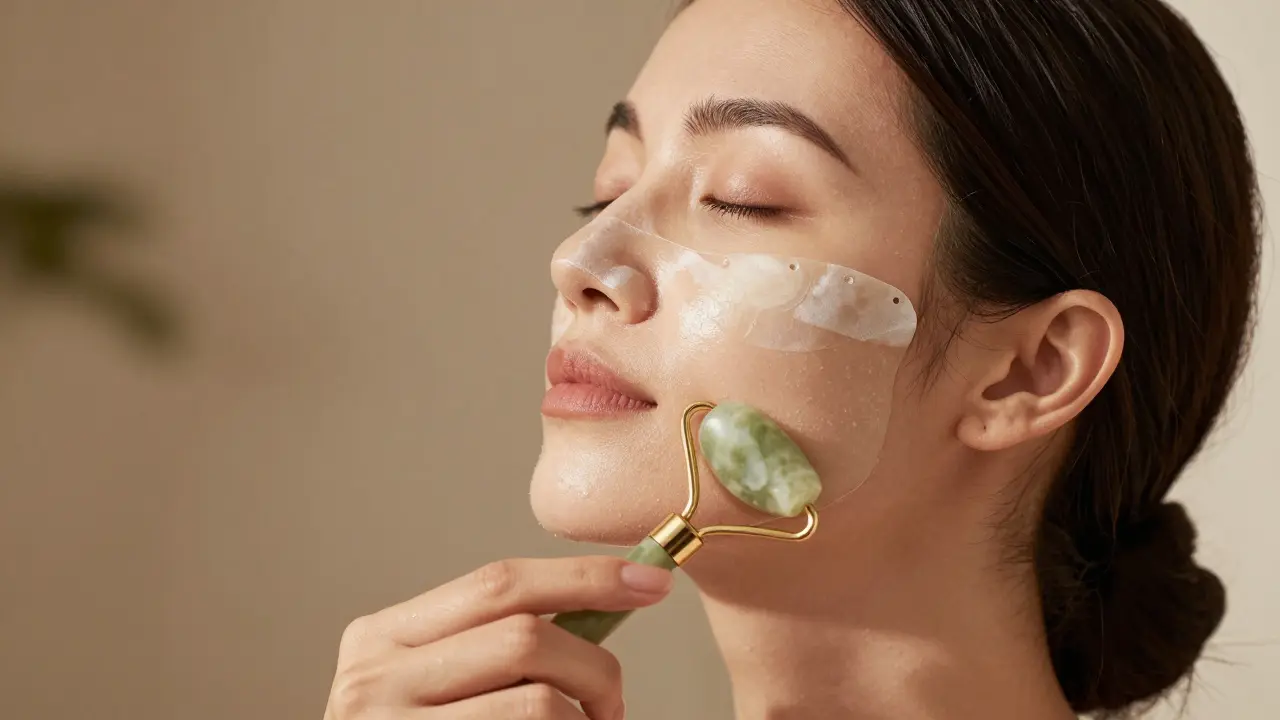
- Jawline and Cheeks: Start at the center of your chin. Use the large round end to glide outward along your jawline toward your ears. Then, place the tool under your cheekbone and glide outward again. Imagine you are sweeping dirt off a table-outward and slightly upward, never pulling down.
- Under-Eye Area: Switch to the small, pointed end of the snail tool. This area is delicate. Start at the inner corner of your eye (near the nose) and gently glide outward toward your temple. Do not press on the eyeball. Keep the pressure feather-light. This helps with dark circles caused by fluid stagnation.
- Forehead: Start at the center of your forehead, between your eyebrows. Glide the large end outward toward your temples. Then, work horizontally from the hairline down to the eyebrows to release tension. Avoid pulling the skin taut; let the tool do the work.
- Nose and Sinuses: Use the small end to gently press and slide along the sides of your nose, from the bridge down to the nostrils. This can help relieve sinus pressure and congestion.
- Finish with Lymphatic Sweep: End by repeating the neck drainage steps to ensure all moved fluid is cleared from the face.
Perform this routine for 3-5 minutes. You can do it daily in the morning to de-puff or in the evening to relax facial muscles. Consistency is key. One session will give you a temporary glow, but regular practice may lead to improved tone and reduced appearance of fine lines over time.
Key Benefits: What Can You Expect?
Let’s manage expectations. A snail facial massage will not erase deep wrinkles or change your bone structure. However, it offers several tangible benefits when done correctly.
| Benefit | Mechanism | Timeframe |
|---|---|---|
| Reduced Puffiness | Lymphatic drainage moves excess fluid out of tissues. | Immediate (minutes) |
| Improved Circulation | Stimulation increases blood flow, delivering oxygen and nutrients. | Immediate (glow), Long-term (healthier skin) |
| Relaxed Muscles | Gentle pressure releases tension in facial muscles (e.g., jaw clenching). | Immediate |
| Better Product Absorption | Massage warms the skin and opens pores slightly, helping serums penetrate deeper. | Immediate |
| Softened Fine Lines | Regular stimulation may boost collagen production and prevent static lines from setting in. | Long-term (weeks/months) |
The most noticeable effect is the reduction of puffiness. If you wake up with a swollen face, this technique is highly effective. The improved circulation gives you a healthy, rosy complexion that makeup cannot replicate. Over time, relaxing habitual tension patterns-like furrowing your brow or clenching your jaw-can prevent the formation of new expression lines.
Pitfalls to Avoid
Even simple techniques have risks if executed poorly. Here is what to watch out for:
- Too Much Pressure: Your face is not a rock. Pressing hard can damage capillaries, leading to spider veins or bruising. Use light, gliding pressure. If you feel pain, you are pressing too hard.
- Dry Skin: As mentioned, always use a lubricant. Dragging a tool on dry skin causes micro-tears and accelerates aging.
- Ignoring Hygiene: Clean your tool before and after every use. Bacteria trapped in the pores of porous stones can cause breakouts. Use mild soap and water or rubbing alcohol.
- Active Breakouts: Do not massage over active acne, cysts, or open wounds. You risk spreading bacteria and irritating the inflammation. Wait until the skin heals.
- Inconsistent Direction: Stick to outward and downward motions for drainage. Random movements confuse the lymphatic system and can push fluid back into the tissues instead of out.
Snail Tool vs. Other Facial Tools
You might already own a jade roller or a gua sha board. How does the snail tool compare?
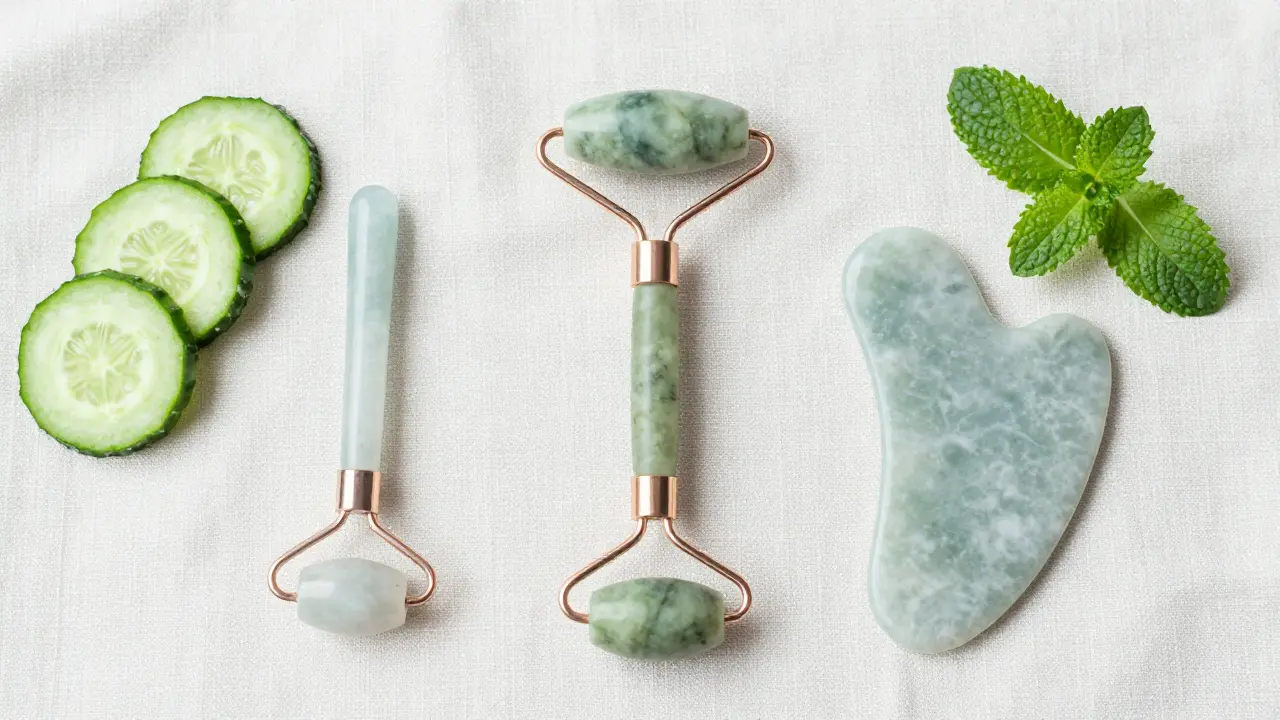
A jade roller is great for general rolling and cooling but lacks precision. It is bulky and cannot reach tight corners. A gua sha tool is flat and versatile, excellent for scraping techniques, but requires more skill to avoid tugging. The snail tool sits in the middle. It is more precise than a roller and easier to control than a gua sha. Its dual-ended design makes it a hybrid tool, suitable for both broad areas and detailed work. If you want one tool to cover all bases, the snail massager is a strong contender.
Frequently Asked Questions
How often should I do a snail facial massage?
You can perform a snail facial massage daily, either in the morning to reduce puffiness or in the evening to relax facial muscles. Most dermatologists recommend limiting intense massage to 3-4 times a week to avoid over-stimulating the skin, but gentle daily maintenance is generally safe for most skin types.
Can I use a snail tool on acne-prone skin?
Avoid using any facial tool directly on active breakouts, cysts, or open pimples, as this can spread bacteria and worsen inflammation. However, you can use the tool on unaffected areas of the face, such as the forehead or cheeks, ensuring you clean the tool thoroughly before and after use. Consult a dermatologist if you have severe acne.
Does snail facial massage tighten loose skin?
While snail facial massage can improve skin tone and elasticity by boosting circulation and collagen production, it cannot significantly tighten sagging skin caused by significant weight loss or advanced aging. It works best for prevention and mild laxity. For dramatic tightening, professional treatments like radiofrequency or surgery are more effective.
What is the best oil to use with a snail tool?
Choose a lightweight, non-comedogenic oil that glides well. Jojoba oil, squalane, and grapeseed oil are excellent choices for most skin types. Avoid thick, heavy balms that might clog pores or drag the tool. The goal is to create a slippery surface to prevent friction.
Is there a difference between rose quartz and jade snail tools?
Yes. Jade is denser and retains cold temperatures better, making it ideal for soothing inflammation and reducing puffiness. Rose quartz is softer and warmer, often preferred for its gentle touch and spiritual associations. Both are effective for massage, but choose jade if you prioritize cooling effects and rose quartz for comfort.