Thai Massage Guide: History, Benefits, and What to Expect
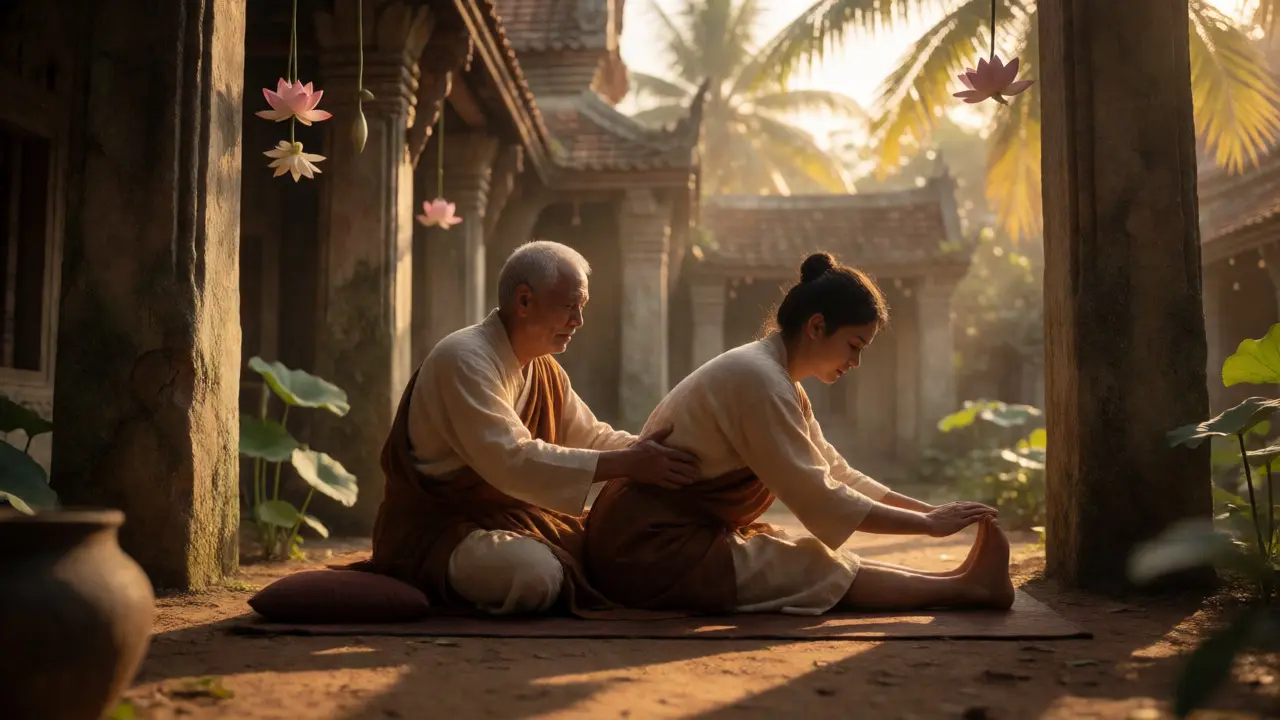
You’ve probably seen the videos. A therapist stands on your back, stretches your legs behind your head, and twists your spine like a wet towel. It looks intense, maybe even a little scary if you’re used to lying face down while someone gently rubs your shoulders with oil. But here’s the thing: Thai massage, known locally as Nuad Bo-Rarn, is not about pain for the sake of it. It’s a dynamic form of bodywork that combines acupressure, assisted yoga stretching, and energy line work. Think of it less as a spa treatment and more as a guided movement session where you are the passive participant.
If you’re in Wellington or anywhere else looking to try something different from Swedish or deep tissue, understanding how this works will save you from shock-and help you get way more out of the experience. This isn’t just about relaxation; it’s about mobility, circulation, and resetting your nervous system through rhythmic pressure.
The Roots of Nuad Bo-Rarn
To understand why Thai massage feels so different, you have to look at where it came from. Unlike Western styles that evolved largely from anatomy and physiology, Thai massage has roots in traditional medicine systems from India and China, blended with local Southeast Asian practices. The central figure often credited with bringing these techniques together is Shivago Komarpaj, also known as Jivaka Kumar Bhaccha, who lived over 2,500 years ago. He was the personal physician to the Buddha, which gives the practice a significant historical weight.
Over centuries, Wat Pho in Bangkok became the primary center for preserving and teaching this art. Today, it’s recognized by UNESCO as an Intangible Cultural Heritage of Humanity. That status matters because it means the techniques aren’t just random stretches; they follow a codified structure passed down through generations. When you book a session, you’re accessing a lineage of healing knowledge that predates modern chiropractic care by millennia.
How It Differs From Other Massages
Most people confuse Thai massage with deep tissue or sports massage because both can feel firm. But the mechanics are totally different. In a standard massage, the therapist uses their hands, elbows, or tools to manipulate soft tissue while you lie still on a table. In Thai massage, you wear loose, comfortable clothing-usually provided by the clinic-and lie on a thick mat on the floor. There is no oil. You don’t strip down. This changes everything about the interaction.
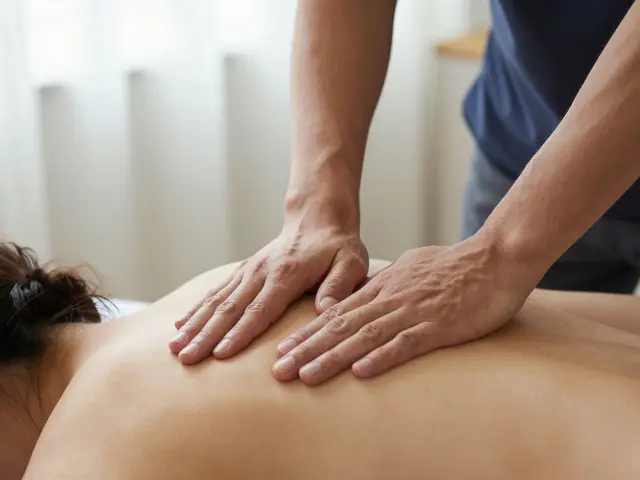
Because there’s no oil, the therapist can use your own body weight against itself. They might press your foot against your hip to open up the groin, or use their knee to lever your shoulder blade forward. It’s active. You aren’t just receiving pressure; you’re being moved through positions that mimic yoga poses. This is why many practitioners call it "yoga for two." The therapist acts as your guide, taking you into ranges of motion you might not achieve on your own without risking injury.
| Feature | Thai Massage (Nuad Bo-Rarn) | Swedish Massage | Deep Tissue Massage |
|---|---|---|---|
| Primary Technique | Assisted stretching, acupressure, compression | Long strokes, kneading, friction | Slow strokes, deep pressure to fascia |
| Clothing | Loose cotton clothes worn during session | Nudity or underwear with draping | Nudity or underwear with draping |
| Surface | Floor mat | Padded massage table | Padded massage table |
| Use of Oil | No oil | Yes, usually almond or coconut oil | Minimal to none, sometimes lotion |
| Client Role | Passive but mobile (limbs moved by therapist) | Completely static | Static, may provide feedback on pressure |
The Energy Lines: Sen Sib
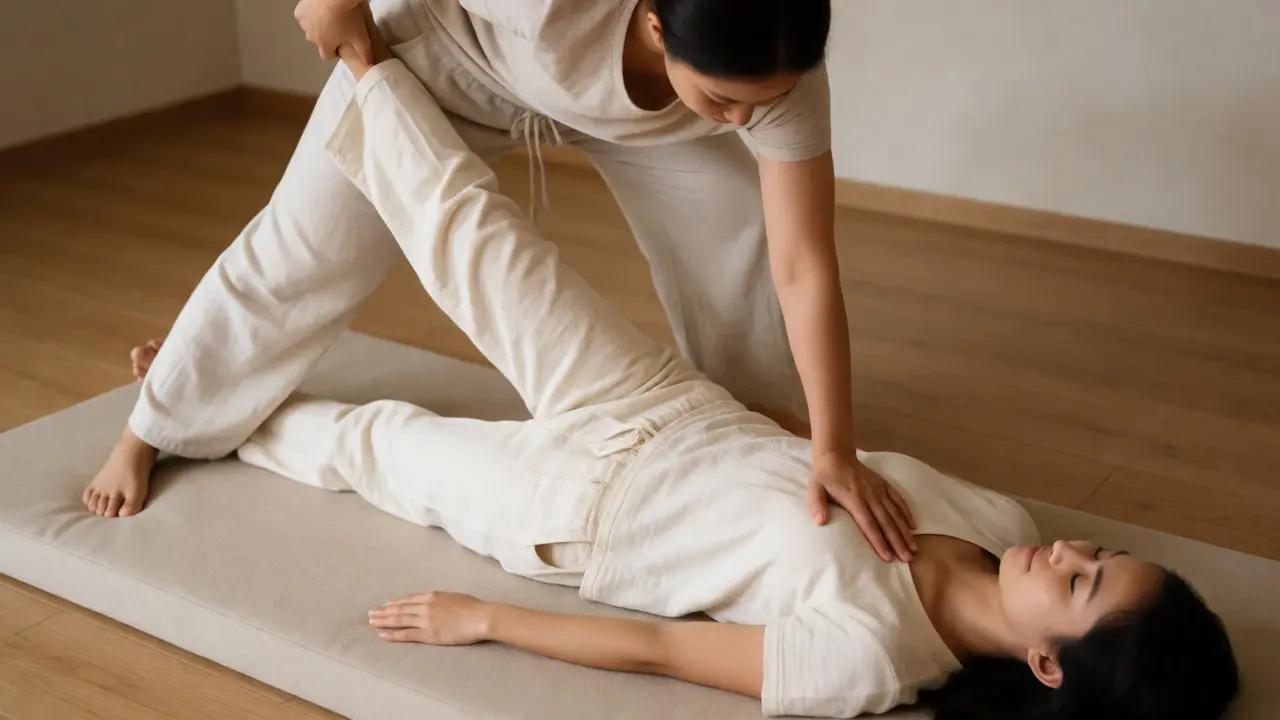
Here is where things get esoteric but practical. Traditional Thai theory suggests that ten major energy lines, called Sen Sib, run throughout the body. These aren’t exactly meridians in the Chinese sense, though they overlap conceptually. Blockages in these lines are believed to cause illness or discomfort. By applying pressure along these specific pathways, the therapist aims to clear stagnation and restore flow.
You don’t need to believe in energy fields to benefit from this. Physically, pressing along these lines often corresponds to nerve pathways and fascial chains. For example, working along the side of your leg might relieve tension that’s actually originating from your lower back. The therapist learns to map these points intuitively. If you’ve ever felt a sudden release of tension when someone pressed a specific spot on your foot, that’s essentially what’s happening, but systematically applied across the whole body.
What Happens During a Session
A typical session lasts between one and two hours. Don’t expect to be left alone to relax in silence. Communication is key. Because the movements can be vigorous, you need to signal if something hurts too much. Pain should be a "good hurt"-a stretch sensation-not sharp or stabbing.
- The Start: The therapist begins by warming up the feet and legs. This establishes trust and gets the blood moving.
- The Middle: They move to the hips, back, and arms. This is where the big stretches happen. You might find yourself in a bridge pose or having your legs pulled wide apart.
- The End: The session usually finishes with gentle rocking motions and head/neck work to calm the nervous system down before you stand up.
Expect to feel dizzy or lightheaded afterward. This is common due to the change in blood pressure and the intensity of the lymphatic drainage stimulated by the compression techniques. Drink water immediately after. Your body is flushing out metabolic waste products released from tight muscles.
Benefits Beyond Relaxation
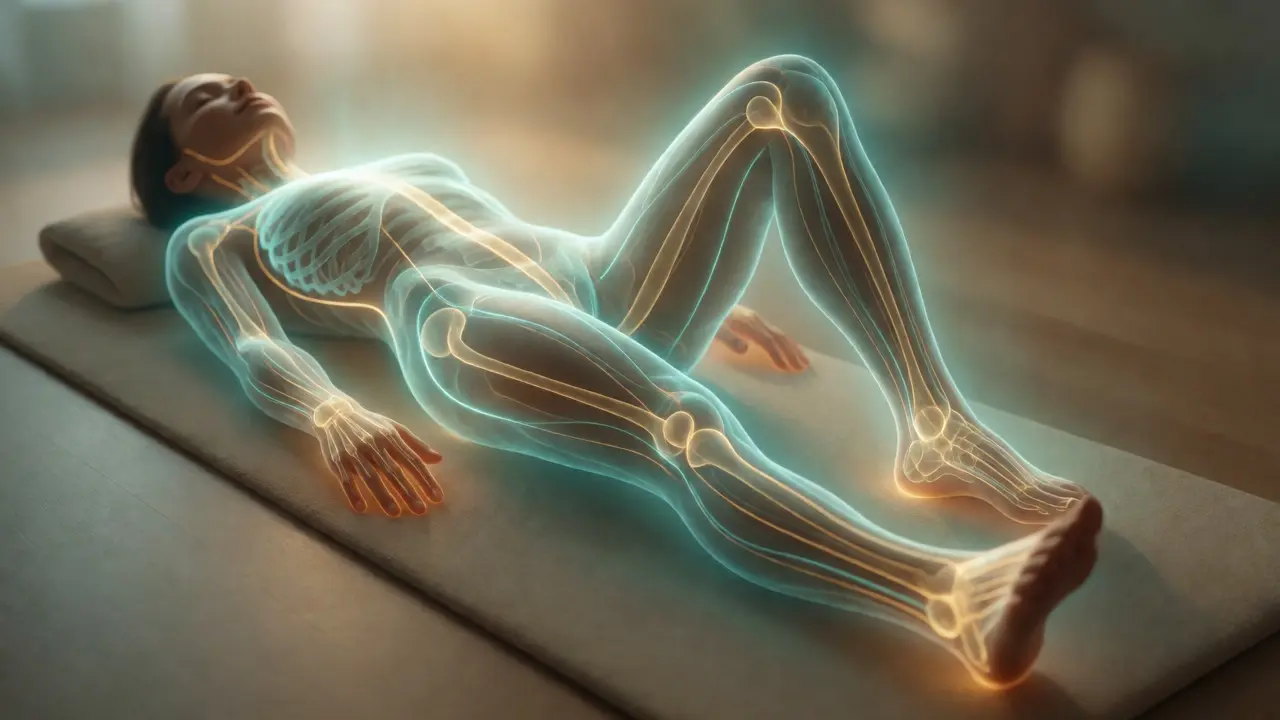
People seek out Thai massage for reasons that go beyond just feeling good. Studies and anecdotal evidence point to several concrete outcomes:
- Improved Flexibility: Regular sessions can increase range of motion significantly. It’s particularly helpful for desk workers whose hips are locked up from sitting all day.
- Pain Relief: Effective for chronic back pain, headaches, and joint stiffness. The combination of pressure and stretch addresses both muscular tension and structural alignment.
- Circulation Boost: The rhythmic compression acts like a pump for the venous and lymphatic systems, reducing swelling in extremities.
- Mental Clarity: Many users report a meditative state during the process. The focus required to breathe through the stretches helps quiet mental chatter.
It’s worth noting that Thai massage is not recommended for everyone. If you have recent injuries, severe osteoporosis, or certain heart conditions, check with your doctor first. The manipulation of joints and spine is significant, so caution is advised for those with fragile bone density.
Finding a Good Practitioner
Not all Thai massages are created equal. In New Zealand and elsewhere, certification varies. Look for therapists trained at recognized institutions like Wat Pho or the Thai Traditional Medical Services Society. Ask them about their training background. A good practitioner will explain the sequence before starting and adjust based on your feedback.
Also, consider the environment. Authentic Thai massage clinics often have mats rather than tables. If a place offers "Thai-style" massage on a table with oil, it’s likely a hybrid or a mislabeled service. While pleasant, it won’t give you the full benefits of the traditional technique. If you’re traveling, visiting Thailand remains the gold standard, but high-quality practitioners exist globally now thanks to standardized training programs.
Does Thai massage hurt?
It can be intense, but it shouldn't be agonizing. The pressure is firm, and the stretches can feel deep, especially if you are stiff. However, a skilled therapist adjusts the depth based on your tolerance. Communicate openly-if it hurts too much, say so. The goal is therapeutic discomfort, not injury.
Do I need to take my clothes off?
No. One of the unique aspects of Thai massage is that you remain fully clothed. Most clinics provide loose-fitting pants and shirts made of thin cotton. Wear comfortable undergarments underneath, and avoid wearing jewelry or watches.
How often should I get a Thai massage?
For general maintenance, once a month is sufficient. If you are dealing with specific pain issues or increasing flexibility, weekly or bi-weekly sessions for a short period can yield faster results. Listen to your body; some people feel energized, while others feel tired for a few hours after.
Is Thai massage safe for pregnant women?
Generally, yes, but with modifications. Avoid deep abdominal pressure and intense twisting. It's crucial to inform your therapist that you are pregnant so they can adjust the positioning and avoid specific acupressure points traditionally contraindicated during pregnancy.
What should I eat before a session?
Avoid heavy meals for at least two hours before your appointment. Since the therapist manipulates your abdomen and internal organs through compression, a full stomach can cause nausea or discomfort. Light snacks are fine, but keep it simple.