Stone Therapy: Benefits, Techniques, and What to Expect in 2026
Imagine sinking into a warm bath after a long day. Now imagine that warmth penetrating deep into your muscles, melting away tension you didn’t even know was there. That is the core promise of stone therapy, also known as lithotherapy or crystal healing in broader contexts, but most commonly practiced today as therapeutic bodywork using heated or cooled stones. It’s not just about relaxation; it’s a structured approach to physical and mental balance that has evolved from ancient traditions into a staple of modern wellness spas and clinical rehabilitation centers alike.
In Auckland, where the pace of life can feel relentless despite the stunning natural surroundings, people are increasingly turning to non-invasive treatments to manage stress, chronic pain, and anxiety. Stone therapy offers a unique blend of heat transfer, pressure application, and energy work that addresses these issues simultaneously. But what exactly happens during a session? Is it just a fancy massage, or does it offer distinct physiological benefits? Let’s break down how this practice works, who it helps, and what you should look for when seeking treatment.
How Stone Therapy Works: The Science of Heat and Pressure
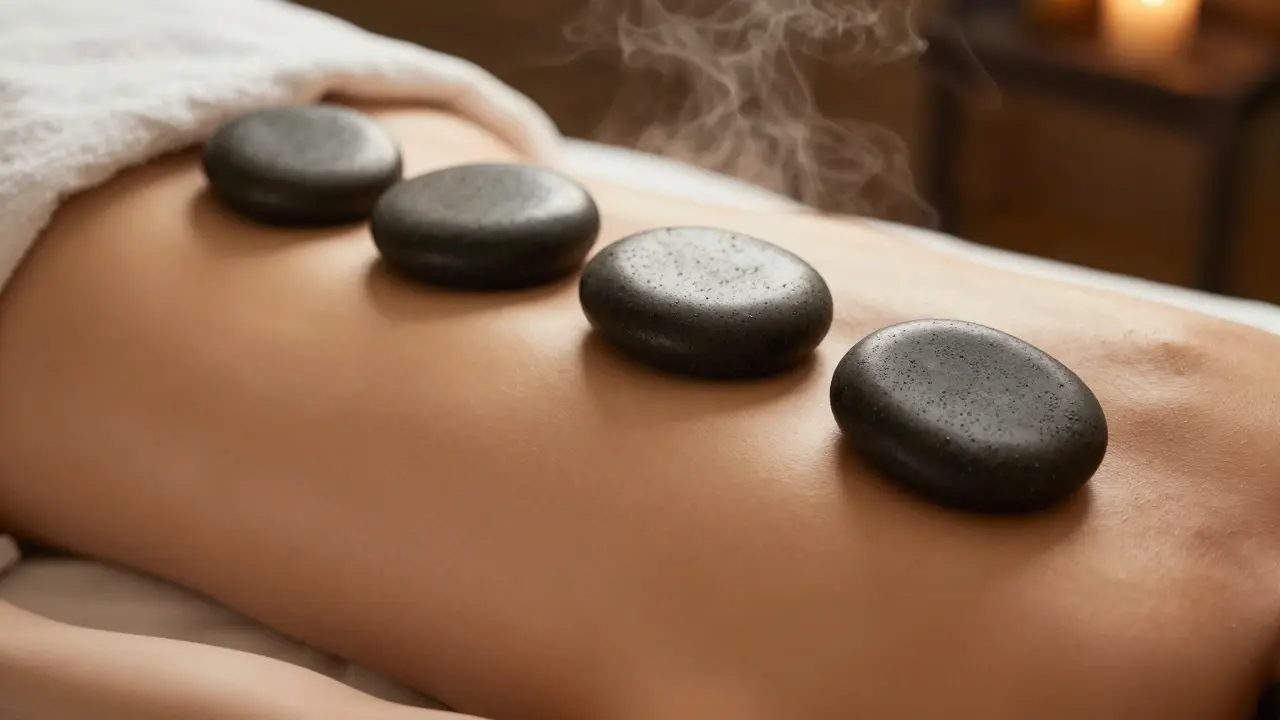
At its simplest, stone therapy involves placing smooth, basalt stones on specific points of the body or using them as extensions of the therapist’s hands. Basalt is preferred because it retains heat exceptionally well without burning the skin. When a therapist places a heated stone on your back, neck, or shoulders, the heat penetrates deeper than manual touch alone. This causes blood vessels to dilate, increasing circulation to tight muscles.
Think of it like applying a heating pad, but with precision. A heating pad sits on top of the skin. A trained therapist uses the stone to target specific trigger points-those annoying knots in your trapezius or lower back. The weight of the stone provides gentle, sustained compression, which signals the nervous system to switch from "fight or flight" (sympathetic) to "rest and digest" (parasympathetic). This shift lowers cortisol levels and reduces heart rate almost immediately.
There are two main modalities:
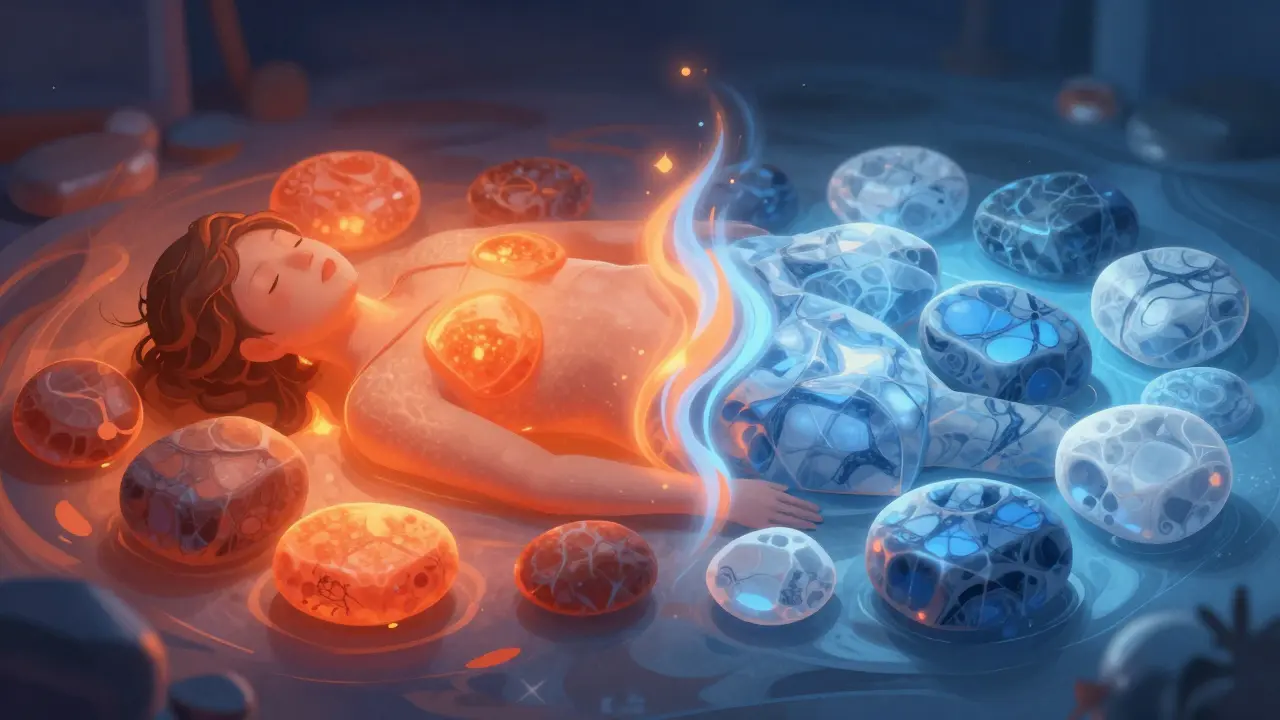
- Hot Stone Therapy: Uses heated basalt stones to relax tense muscles, improve circulation, and promote deep relaxation. Ideal for chronic pain, stiffness, and high stress.
- Cold Stone Therapy: Uses chilled marble or granite stones to reduce inflammation, numb acute pain, and soothe swollen joints. Often used post-injury or for conditions like arthritis flare-ups.
Many practitioners combine both. You might start with hot stones to loosen up tight tissue, followed by cold stones to calm any irritation caused by the manipulation. This contrast therapy stimulates the vascular system, creating a pumping action that flushes out metabolic waste products like lactic acid.
The Origins: From Ancient Rituals to Modern Clinics
While it feels trendy now, stone therapy isn’t new. Indigenous cultures in North America, Asia, and Africa have used heated stones for thousands of years. In traditional Chinese medicine, stones were placed along meridian lines to balance Qi (energy flow). Native American tribes used sweat lodges with heated rocks to induce detoxification and spiritual cleansing.
In the early 20th century, Dr. Albert Gillyard, a physician in Florida, formalized many of the techniques we see today. He recognized that combining heat with massage could treat respiratory and circulatory issues more effectively than massage alone. Since then, the practice has migrated from medical clinics to luxury spas, making it accessible to anyone seeking relief from the daily grind.
Today, in cities like Auckland, Sydney, and London, certified therapists integrate stone therapy with Swedish massage, deep tissue work, and reflexology. It’s no longer just a mystical ritual; it’s an evidence-supported adjunct therapy for musculoskeletal disorders.
Key Benefits: More Than Just Relaxation
If you’re wondering whether stone therapy is worth the extra cost compared to a standard massage, consider these specific outcomes:
| Benefit Area | Standard Massage | Stone Therapy |
|---|---|---|
| Muscle Penetration | Surface to mid-depth via hand pressure | Deep penetration via retained heat |
| Pain Relief Duration | 1-3 days typically | 3-7 days due to reduced inflammation |
| Stress Reduction | High | Very High (combined thermal + tactile) |
| Circulation Boost | Moderate | Significant (vasodilation effect) |
One of the biggest advantages is accessibility for people who find deep tissue massage too painful. The heat numbs the area slightly, allowing the therapist to work on tighter muscles without causing discomfort. For someone with fibromyalgia or chronic lower back pain, this can be a game-changer.
Mental health benefits are equally significant. The rhythmic placement of stones and the consistent warmth create a meditative state. Many clients report falling asleep during sessions, which indicates a profound drop in anxiety levels. In our hyper-connected world, that uninterrupted downtime is valuable in itself.
Who Should Avoid Stone Therapy?
Like any therapeutic intervention, stone therapy isn’t for everyone. Safety is paramount. Here are contraindications you need to know:
- Open Wounds or Skin Infections: Heat can worsen infections or cause bacteria to spread. Stones must never touch broken skin.
- Pregnancy: While some therapists offer modified prenatal stone therapy, general caution is advised, especially in the first trimester. Heat applied to the abdomen or lower back can raise core body temperature, which poses risks to fetal development.
- Diabetes or Neuropathy: If you have reduced sensation in your limbs, you may not feel if a stone is too hot. This increases burn risk significantly.
- Cardiovascular Conditions: Extreme heat can strain the heart. People with hypertension or heart disease should consult their doctor before undergoing full-body heat therapy.
- Blood Clots (DVT): Deep pressure and increased circulation can dislodge clots. This is dangerous and potentially fatal.
Always disclose your medical history before booking. A reputable therapist will ask detailed questions and adjust the treatment accordingly-or decline to treat you if it’s unsafe.
What to Expect During Your First Session
Walking into a clinic for your first stone therapy session can feel intimidating. Here’s a step-by-step breakdown of what usually happens:
- Consultation: The therapist asks about your pain points, medical history, and goals. Be honest. If you have sciatica, say so. They’ll tailor the stone placement.
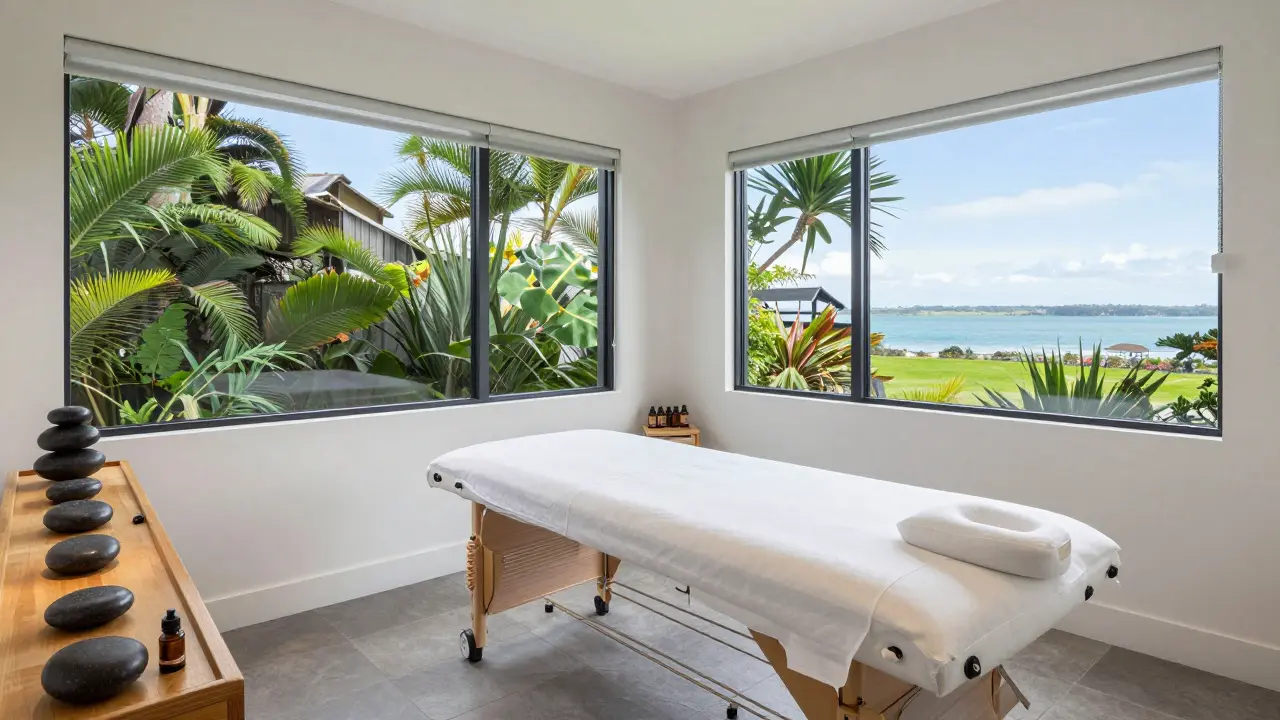
- Preparation: You undress to your comfort level and lie face down on a massage table. Sheets cover you modestly. The therapist heats the basalt stones in a specialized warmer to between 45°C and 55°C (113°F-131°F).
- Application: The therapist may place stones directly on your back (on top of the sheet) or hold them in their hands while massaging. You’ll feel a soothing warmth spreading through your tissues.
- Technique Variation: They might use the stones to glide over oil-covered skin, apply static pressure to acupressure points, or slide them along muscle fibers. The movements are slow and deliberate.
- Aftercare: After the session, you’ll rest for a few minutes before getting dressed. The therapist will advise you to drink plenty of water to help flush toxins released from the muscles.
A typical session lasts 60 to 90 minutes. You’ll likely leave feeling lighter, looser, and mentally clearer. Some people experience mild soreness the next day, similar to post-workout fatigue. This is normal and usually resolves within 24 hours.
Finding a Qualified Practitioner in New Zealand
Not all spas offer genuine therapeutic stone work. Some use it as a gimmick, placing warm stones on your back for five minutes and calling it a day. To get real results, you need a certified professional.
In New Zealand, look for therapists registered with organizations like the New Zealand Massage Therapy Association (NZMTA) or those holding diplomas in Remedial Massage. Ask specifically about their training in stone therapy. Do they understand anatomy? Do they screen for contraindications? These are signs of professionalism.
Price varies by location. In Auckland city centers, expect to pay between $120 and $180 NZD for a 60-minute session. Regional areas may be cheaper. Check if your health insurance covers remedial massage with adjunct therapies like stone work. Some policies do if prescribed by a GP for chronic pain management.
Combining Stone Therapy with Other Modalities
Stone therapy shines when integrated with other treatments. Here are common combinations:
- Reflexology: Heated stones placed on the feet enhance the reflexological response, targeting organs linked to foot zones.
- Aromatherapy: Essential oils like lavender or eucalyptus mixed with massage oil amplify the sensory experience and provide additional therapeutic benefits.
- Acupuncture: Stones can be placed near acupuncture needles to maintain warmth at key points, extending the treatment’s effects.
- Yoga Recovery: Athletes often use cold stone therapy after intense yoga sessions to reduce muscle inflammation and speed up recovery.
This integrative approach maximizes healing potential. For example, a runner with shin splints might benefit from cold stones to reduce swelling, followed by hot stones to restore flexibility in the calf muscles.
Maintaining Results Between Sessions
One session won’t cure chronic issues. Think of stone therapy as part of a broader wellness strategy. To extend the benefits:
- Stay Hydrated: Drink at least 2 liters of water daily to support lymphatic drainage.
- Stretch Regularly: Incorporate gentle stretching into your morning routine to keep muscles loose.
- Use Home Heat Packs: Mimic the thermal effect with a microwaveable wheat bag on problem areas.
- Manage Stress: Practice mindfulness or meditation to prevent tension from building up again.
Consistency matters. Monthly maintenance sessions are often more effective than occasional intensive treatments.
Is stone therapy safe for pregnant women?
Generally, no. Heat application can raise core body temperature, which is risky for fetal development. Some specialized prenatal massages avoid heat entirely. Always consult your obstetrician before trying any new therapy during pregnancy.
How often should I get stone therapy?
For chronic pain or high stress, weekly or bi-weekly sessions are recommended initially. Once symptoms improve, monthly maintenance is sufficient. Listen to your body-if you still feel tightness after a week, schedule another session sooner.
Does stone therapy hurt?
It shouldn’t. The heat numbs the area slightly, making it less painful than deep tissue massage. However, if you have sensitive skin or nerve damage, communicate with your therapist immediately. They can adjust the temperature or pressure.
Can I do stone therapy at home?
You can buy basalt stones online, but proper technique requires training. Using stones incorrectly can cause burns or ineffective treatment. Start with professional sessions to learn what feels right, then explore simple self-care methods like warm compresses.
What is the difference between hot and cold stone therapy?
Hot stones relax muscles and increase circulation, ideal for chronic tension. Cold stones reduce inflammation and numb acute pain, best for injuries or swelling. Many therapists use both in one session for balanced results.