
Rolfing: A Breakthrough in Natural Pain Relief Techniques
Living with persistent ache feels like carrying an invisible weight. You visit the doctor, get some pills, maybe try ice packs, but the tension returns weeks later. Standard approaches often treat symptoms rather than the source. Rolfing is a method that shifts this dynamic completely. Unlike standard relaxation treatments, it targets the body's structural alignment to resolve the root cause of discomfort. This manual therapy system works on the connective tissue network to realign your body with gravity.
The result isn't just a good feeling after a session; it is a physical recalibration. If you have tried other hands-on therapies without long-term success, understanding how this technique manipulates the biological architecture might change your health routine. Let's explore what happens when you commit to reorganizing your body map.
Understanding the Science Behind Fascia
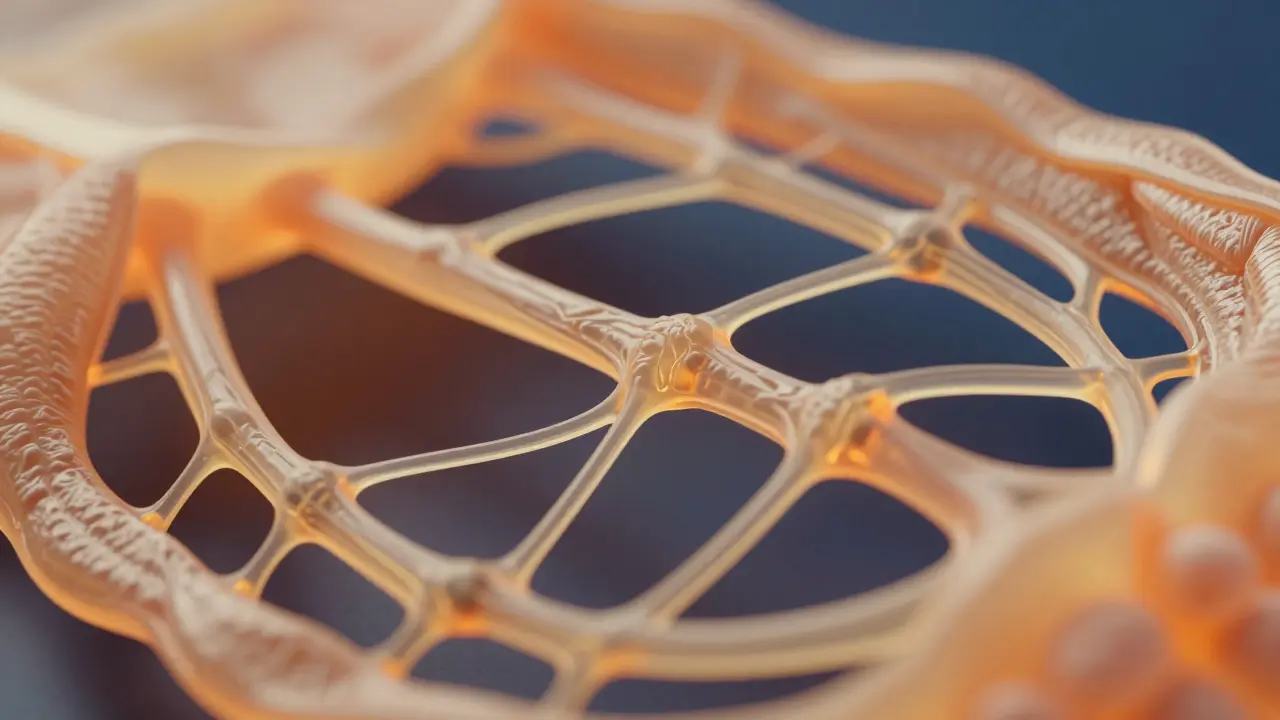
To grasp why this method works, you first need to understand the tissue it modifies. Most people think muscles move bones, but the webbing holding them together dictates your shape. Fascia is a continuous sheet of connective tissue that surrounds every muscle, bone, nerve, and organ in the human body. Think of it like an orange. The fruit segments represent muscles, but the white pith connecting them is fascia. When that pith gets sticky or tight, it pulls on the surrounding segments even if they haven't been injured.
Modern imaging technology now confirms that this connective tissue acts as a force transmission network. Injuries from ten years ago can leave scar tissue adhesions that pull on distant joints today. A shoulder injury might manifest as a knee problem because the tissue line connects them structurally. Traditional massage usually focuses on the muscle belly itself. Structural Integration works deeper into the sheath, releasing adhesions that restrict the entire system.
This approach relies on a concept known as gravity alignment. When your body hangs correctly against gravity, stress points vanish. Your shoulders stop hiking up, your spine curves naturally instead of forcing compensatory patterns, and breathing improves mechanically. By organizing the fascia properly, you reduce the metabolic cost of standing and walking. That efficiency translates directly to reduced inflammation and less daily soreness.
Differentiating Rolfing from Traditional Massage
Many clients confuse these therapies, leading to mismatched expectations. While both involve hands-on manipulation, their goals differ significantly. Regular Swedish or Deep Tissue massage focuses on relaxation or local knot release. The intent here is therapeutic education of the nervous system regarding position and balance. Here is a breakdown of the core differences:
| Feature | Rolfing / Structural Integration | Deep Tissue Massage | Sports Massage |
|---|---|---|---|
| Primary Target | Fascial Network & Gravity Line | Muscle Fiber & Triggers | Performance & Recovery |
| Treatment Goal | Permanent Structural Change | Temporary Tension Release | Injury Prevention |
| Duration | Usually 10-Session Series | Single Sessions Work Well | Ongoing Maintenance |
| Movement Focus | Gait & Functional Mechanics | Relaxation | Sport Specific Motion |
| Pain Response | Often Intense During Process | Moderate Pressure | Variably Intense |
Note that the treatment timeline differs drastically. A massage provides relief for a few days. This structural work aims for a permanent shift in posture. Once the fascia remodels into a balanced state, it tends to stay there unless you revert to old habits. Some clients find it helpful to combine occasional massages for maintenance after completing a series. Both serve valuable roles, but one builds the house while the other just cleans the inside.
The Ten-Series Protocol Explained
The standard path involves a sequence of ten sessions. This wasn't chosen randomly; it follows a specific logic developed to reorganize the body systematically. Each appointment addresses different aspects of your anatomy, building upon the previous week's work. It sounds daunting, but breaking it down reveals a logical progression.
- Phases 1-3 (Surface): The practitioner opens the outer shell of the body. They focus on the feet, legs, back, and neck. This loosens superficial layers so the deeper work won't bounce off tight barriers. Clients often notice immediate improvements in circulation here.
- Phases 4-7 (Core): Attention shifts to the central pillar. The therapist manipulates the pelvis, ribs, and chest cage. These sessions are crucial for fixing alignment issues related to sitting or slouching. You might feel your center of gravity shift during this block.
- Phases 8-10 (Integration): The final stage integrates everything. The practitioner checks how you walk and move dynamically. They refine the structural lines to ensure stability under motion. The goal is ensuring you stay aligned when you run, sit, or lift objects.
Each session lasts roughly ninety minutes. Between visits, the body continues to process changes for several days. Many report flu-like symptoms initially as waste products flush out the system. Hydration is critical during this phase. Drinking extra water helps the fascia slide more easily.

Identifying Candidates for Treatment
You do not need an acute injury to benefit, though many come for that reason. Good candidates include runners with recurring shin splints, office workers with stiff necks, or older adults trying to maintain mobility. If you have experienced trauma like car accidents, the resulting scar tissue often creates imbalances decades later. Correcting those distortions can alleviate phantom pains.
Athletes specifically benefit from better mechanical efficiency. Less energy wasted fighting internal friction means more power available for performance. Studies suggest that improved posture reduces joint wear-and-tear. For example, if your pelvis tilts forward chronically, your lower back bears excessive shear force. Adjusting the pelvic angle relieves that compression immediately.
However, certain conditions require caution. Acute inflammatory states, severe osteoporosis, or recent fractures need clearance from your physician before starting. The pressure applied can be significant-deeper than a typical gym stretch. Always disclose your full medical history. Practitioners are trained to modify pressure, but transparency prevents accidental harm.
Managing Expectations and Costs
Financial investment is another factor to consider. Since a complete program involves multiple sessions, the total price tag sits higher than single appointments. In major Australian cities, individual sessions generally range between $150 and $250 AUD per hour depending on the practitioner's experience level. A full series could cost upwards of $2,000 AUD.
Is it worth the budget? For chronic sufferers, compare this to cumulative costs of physiotherapy, medication, and lost productivity over years. Many private health insurers in Australia now offer partial rebates for "Allied Health" categories including Osteopathy and Remedial Massage. While Rolfing is sometimes billed under these umbrellas, check your policy specifically. Medicare usually doesn't cover it unless part of a specific chronic disease management plan involving a GP referral.
Time commitment matters too. Booking requires consistency. Missing weeks breaks the momentum of the tissue remodeling. Schedule sessions weekly to maintain the physiological response. If you wait three months between appointments, the fascia may reset its pattern, delaying results.
Navigating Safety and Contraindications
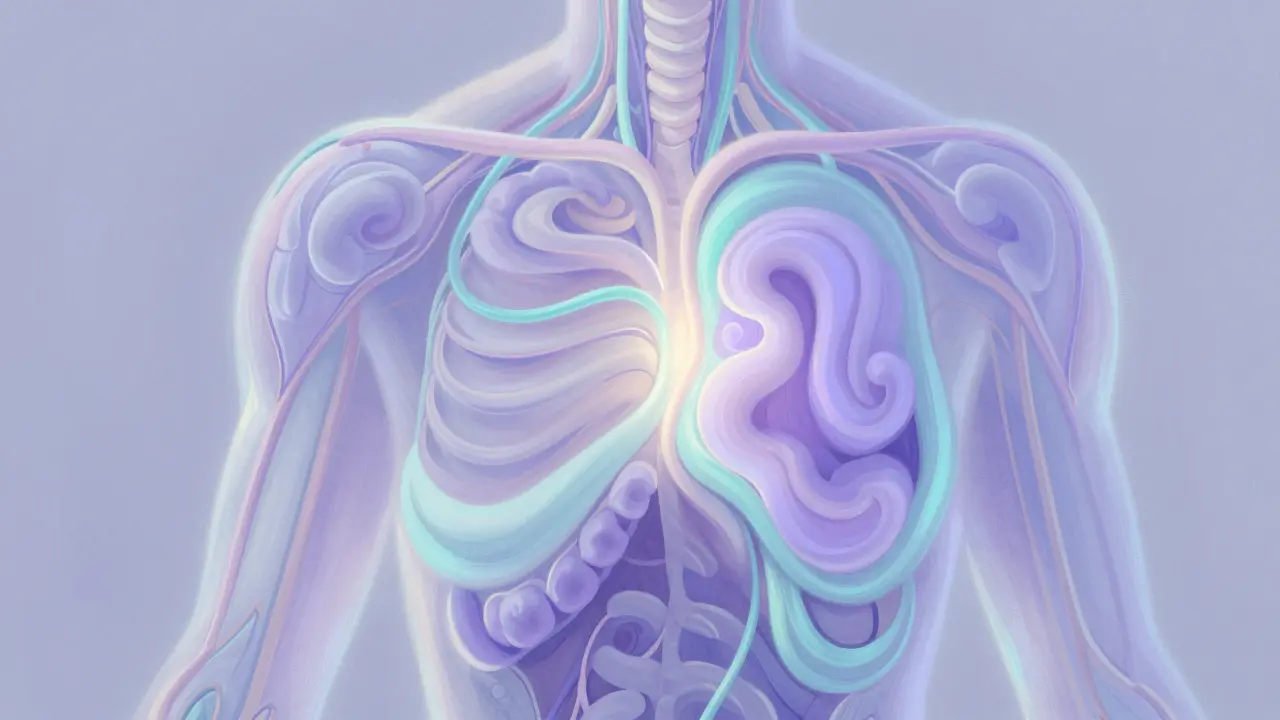
Safety remains paramount in any high-pressure therapy. Because the technique is systemic, it affects blood flow and lymphatic drainage broadly. Sudden increases in toxin release can temporarily worsen fatigue or mood. Listening to your body signals is essential. Dizziness or nausea warrants pausing the session immediately.
The intensity level varies by person. Someone who rarely touches soft tissue might find the sensation intense, while a martial artist accustomed to rolling feels less impact. Communication drives the session safety. Tell your Rolfer if the pressure hurts rather than challenges. There should be room for dialogue. Quality practitioners adjust their hand placement constantly to avoid sensitive areas while still working toward the goal.
Long-Term Benefits of Alignment
Once completed, the changes tend to persist longer than passive treatments. You aren't relying on someone else to hold your body straight anymore; the architecture supports itself. Daily activities feel easier. Sleeping improves because your bed interacts better with a balanced spine. Mental clarity often follows physical ease, likely due to the reduction in stress hormones processed by the hypothalamus.
Clients often describe a sense of spaciousness. They literally take up more vertical space. Breathing becomes deeper because the rib cage moves freely. This impacts the vagus nerve, which controls the relaxation response. It is a holistic cycle where structure dictates function, and function reinforces structure. Over time, you become more resilient to minor strains and injuries.