Reflexology Guide: Finding Balance Through Pressure Points
Key Takeaways
- Reflexology targets specific aural zones to stimulate healing in distant organs.
- It differs from standard foot massage by focusing on therapeutic maps rather than just muscle relaxation.
- Regular sessions can lower cortisol levels and improve sleep quality.
- It works best as a complementary therapy alongside conventional medical care.
To get started, let's clear up a common mistake. Many people think Reflexology is just a fancy word for a foot rub. It isn't. While a massage feels great and helps with sore muscles, reflexology is a therapeutic system based on the principle that specific points on the feet, hands, and ears correspond to different organs and systems in the body. By applying precise pressure to these points, a practitioner aims to clear energy blockages and trigger a healing response in the related organ. If you have a tight feeling in your lower back, a reflexologist won't necessarily rub your back; they'll likely work on the perimeter of your heel.
How the Mapping System Actually Works
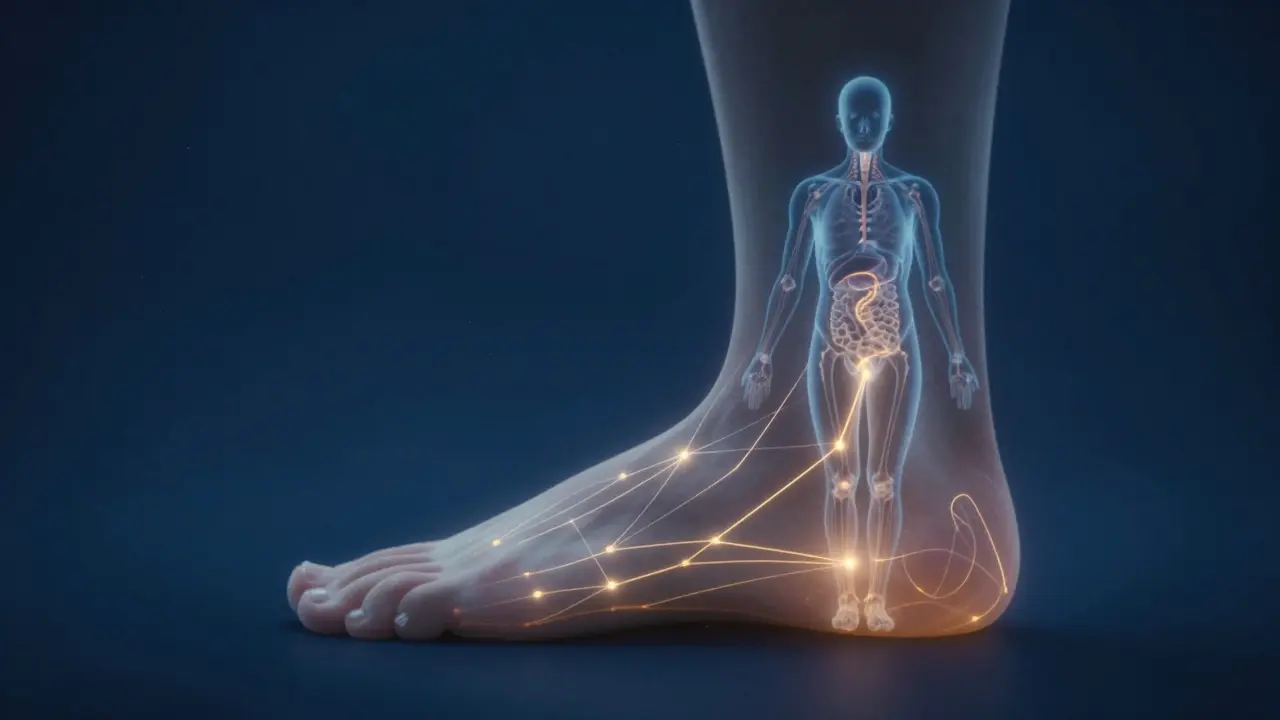
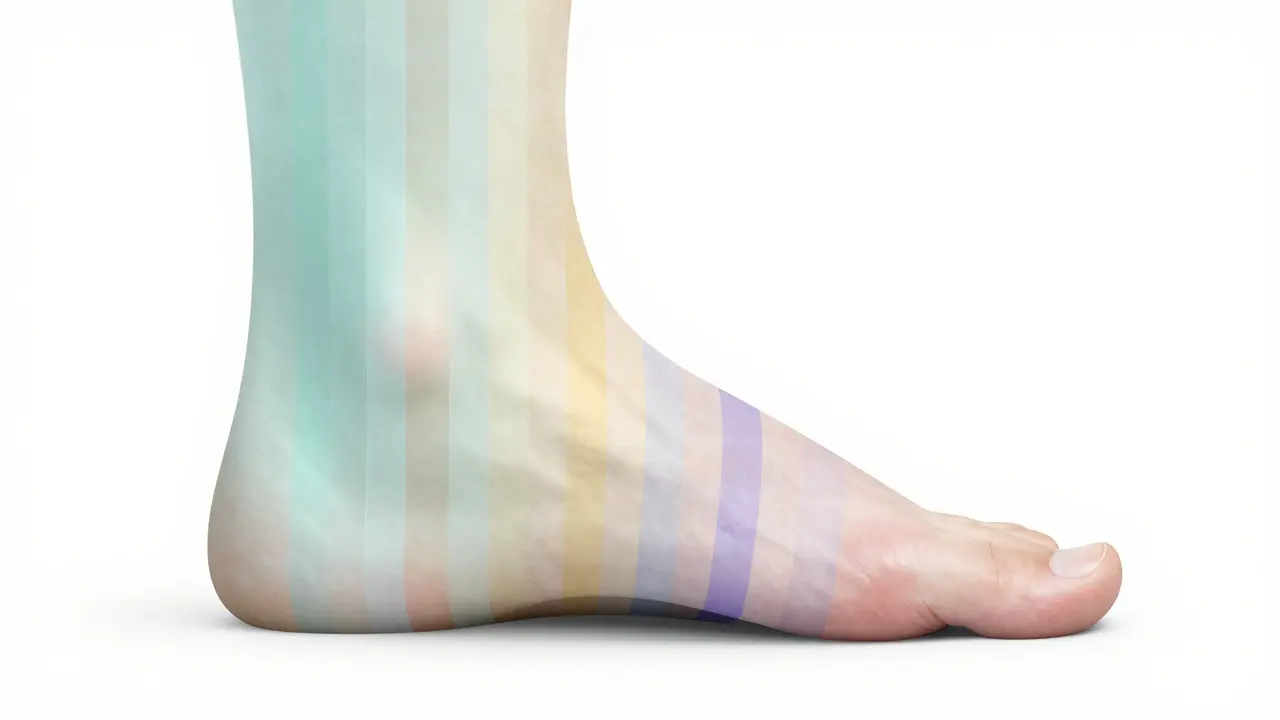
The core of this practice is Zone Therapy. This theory suggests that the body is divided into ten longitudinal zones. When a practitioner presses a point in Zone 1 of the left foot, they are influencing everything in Zone 1 of the left side of the body, from the big toe up to the sinuses. It is a bit like a switchboard; once you flip the right switch on the foot, the signal travels to the corresponding organ.
Think about your body as a series of interconnected circuits. When we experience stress or illness, these circuits get "static." Pressure points act as the reset button. For example, the center of the ball of the foot is linked to the solar plexus. When you're feeling anxious or overwhelmed, applying pressure here can help settle your breathing and quiet that "fight or flight" response. It isn't about fixing a broken bone or curing a virus, but about optimizing how your body functions so it can heal itself.
Comparing Reflexology to Other Touch Therapies
It is easy to confuse different types of bodywork. To keep it simple, look at the intent behind the touch. A Swedish massage focuses on blood flow and muscle tension. Shiatsu focuses on meridians and energy flow. Reflexology focuses on the biological map.
| Feature | Reflexology | Swedish Massage | Shiatsu |
|---|---|---|---|
| Primary Goal | Organ/System Balance | Muscle Relaxation | Energy (Qi) Flow |
| Main Target Area | Feet, Hands, Ears | Full Body | Tsubo (Pressure Points) |
| Technique | Thumb/Finger Walking | Long Strokes/Kneading | Deep Pressure/Stretch |
| System Basis | Zone Map | Anatomy/Physiology | Traditional Chinese Medicine |
The Physical and Mental Impact
When you step into a session, the first thing you usually notice is a deep sense of calm. This isn't just because you're lying down. By stimulating the Parasympathetic Nervous System, reflexology forces your body to shift out of stress mode. This shift reduces the production of Cortisol, the primary stress hormone that keeps us awake and wired.
For people dealing with insomnia, targeting the head and neck reflex points on the big toe can be a game changer. It signals the brain to wind down. Beyond sleep, many find it helps with digestion. By working the area of the foot that corresponds to the Colon and small intestine, you can encourage better motility and reduce bloating. It's an indirect way of supporting your gut health without ever touching your stomach.
Practical Ways to Use Reflexology at Home
You don't need a certification to get some basic relief. If you're feeling a mid-afternoon slump or a tension headache, you can try a few reflexology techniques yourself. Use a bit of coconut oil or lotion to help your fingers glide.
- For Stress: Use your thumb to press firmly into the center of your opposite foot's ball (the solar plexus point). Hold for 10 seconds and breathe deeply.
- For Headaches: Use your thumb to massage the very center of your big toe. This is the reflex point for the brain and sinuses.
- For Energy: Gently walk your thumb up and down the inner edge of your foot, from the heel to the big toe. This follows the line of the spine.
- For Better Sleep: Focus on the area just below the toes on the ball of the foot, working in small circular motions to relax the mind.
A pro tip: if you hit a spot that feels tender or "gritty" (like there's a tiny pebble under the skin), don't avoid it. That usually indicates a blockage in the corresponding organ. Apply gentle, steady pressure until the tenderness fades.
Safety and Who Should Be Careful
While generally safe, this isn't for everyone. Because reflexology stimulates circulation and can move toxins in the body, some people need to be cautious. If you have Deep Vein Thrombosis (DVT) or active blood clots, you should avoid foot reflexology entirely, as moving a clot can be dangerous. Similarly, people with severe osteoporosis or those who are heavily pregnant should consult a doctor first, as certain points can stimulate uterine contractions.
It is also worth noting that reflexology is a complementary therapy. This means it should work with your doctor, not instead of them. If you have a chronic kidney issue, reflexology can help you feel better and reduce stress, but it will not replace dialysis or medication. The goal is holistic support-treating the person, not just the symptom.
Integrating Balance into Your Lifestyle
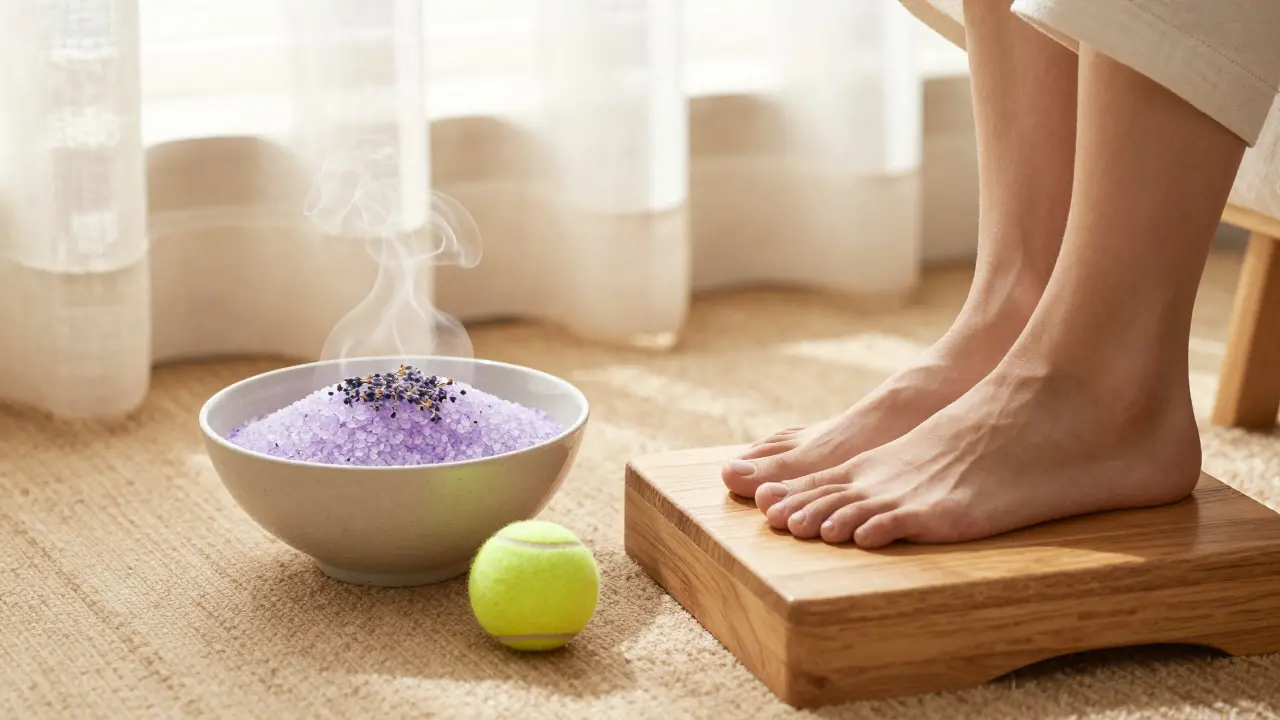
Finding harmony isn't a one-time event; it's a habit. If you only do reflexology when you're in a crisis, you're playing catch-up. The real magic happens when you incorporate these practices into a weekly routine. Pairing a session with a warm Epsom salt soak can enhance the detoxifying effects by opening pores and relaxing the muscles before the pressure work begins.
You can also use a tennis ball or a specialized reflexology roller under your desk at work. Simply rolling your foot over the ball for five minutes can clear mental fog and keep your energy levels steady throughout a long shift. It's a small habit that prevents the buildup of tension that usually leads to a weekend burnout.
Does reflexology really cure diseases?
No, reflexology does not cure diseases in the medical sense. It is not a replacement for surgery or medication. Instead, it promotes homeostasis-the body's natural state of balance. By reducing stress and improving circulation, it helps the body's own immune system work more efficiently to heal itself.
How often should I get a session?
For general wellness and stress management, once a month is usually plenty. However, if you are dealing with a specific issue like chronic insomnia or high anxiety, you might start with once a week for a month to "reset" the system, then move to a monthly maintenance schedule.
Can I do reflexology on my hands instead of my feet?
Yes! Hand reflexology is very effective and more convenient for people who are ticklish on their feet or who are in public settings. The maps are similar, though the feet generally provide a larger and more detailed surface for the practitioner to work with.
Will it hurt during the treatment?
It shouldn't be painful. You might feel some "good pain" or tenderness in areas where there is a blockage, but it should never be excruciating. A skilled practitioner will adjust the pressure based on your feedback.
What should I do after a session?
Drink plenty of water. Reflexology stimulates the lymphatic system and encourages the release of toxins; staying hydrated helps your kidneys flush those waste products out of your system more quickly.
Next Steps for Your Wellness Journey
If you are new to this, start slow. Try a self-massage session tonight while watching TV to see how your body responds. If you decide to hire a professional, look for someone certified by a recognized board to ensure they understand the anatomical maps and safety contraindications.
For those who already practice mindfulness or yoga, adding reflexology is a natural next step. While yoga works the body from the outside in through movement, reflexology works from the extremities inward. Together, they create a comprehensive approach to keeping your physical and mental health in check.