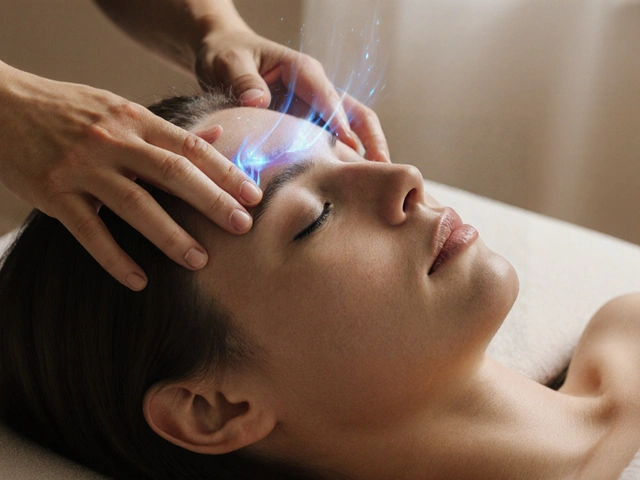
Palliative Massage: A New Perspective on Pain Relief and Comfort Care
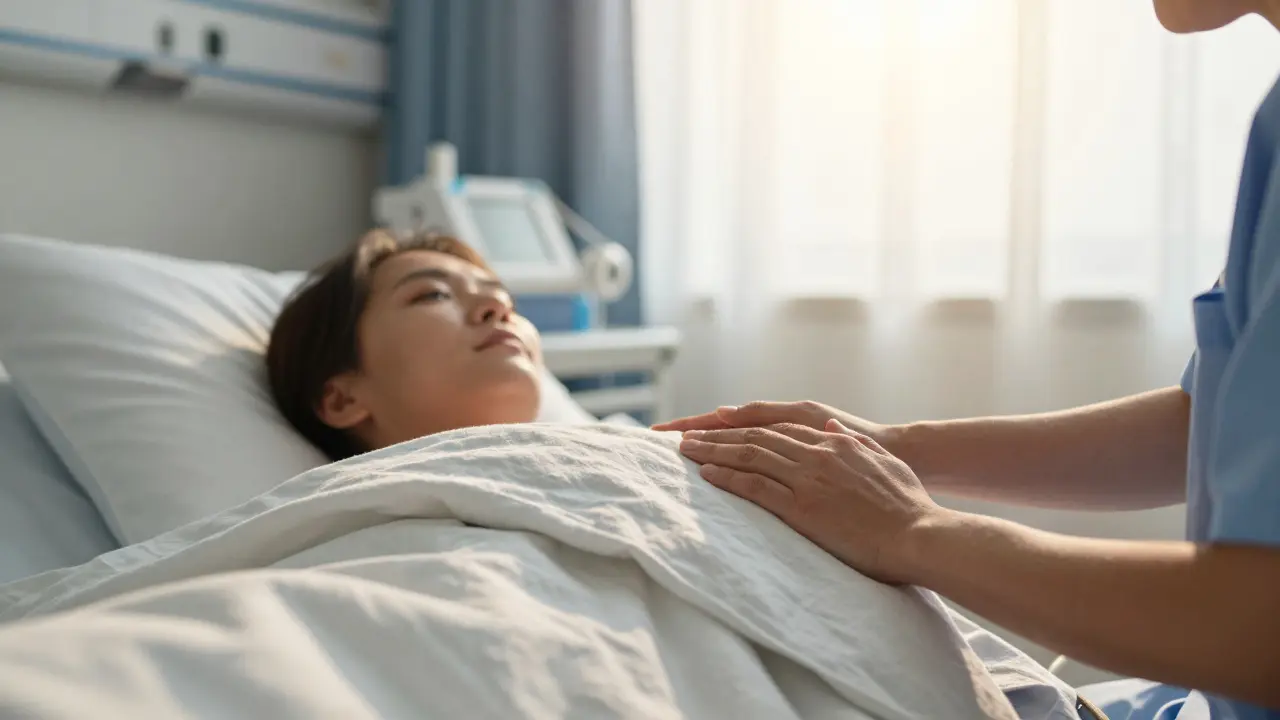
Imagine a world where the goal isn't to fix, but to be present. For decades, medicine has been obsessed with cures. We chase diagnoses, prescribe treatments, and measure success by survival rates. But what happens when the cure is no longer an option? This is where palliative massage steps in, not as a last resort, but as a vital bridge between suffering and peace.
Palliative massage is often misunderstood. Many people hear "palliative" and immediately think of death. While it is used in end-of-life care, its scope is much broader. It focuses on symptom management and quality of life for anyone facing a serious illness, whether that illness is terminal or chronic. The shift here is profound: we move from trying to eliminate pain entirely to managing it in a way that allows the patient to live-or exist-with dignity and comfort.
Redefining the Goal: Comfort Over Cure
In traditional therapeutic massage, like deep tissue or sports massage, the therapist is often working against the body's resistance. They are breaking down adhesions, correcting posture, or rehabilitating an injury. The language is active: "fix," "release," "strengthen." Palliative massage flips this script. The primary objective is comfort care. If a patient is bedridden due to advanced cancer or severe arthritis, the therapist doesn't try to mobilize stiff joints aggressively. Instead, they use gentle, rhythmic strokes to soothe the nervous system.
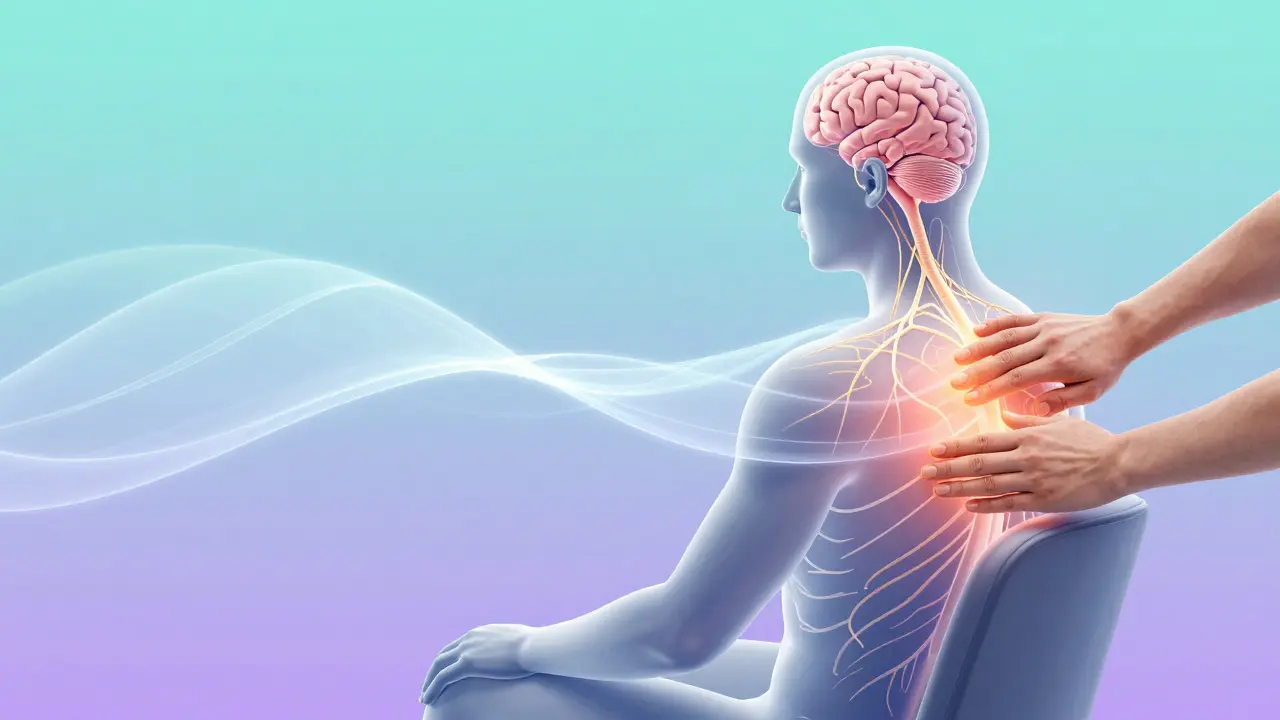
This approach relies heavily on the concept of neurophysiological modulation. When you apply light, consistent pressure to the skin, you stimulate mechanoreceptors. These signals travel faster than pain signals (nociceptors) to the brain. Essentially, the massage "gates" the pain, reducing the perception of discomfort without needing to physically manipulate the underlying tissue. It’s a biological hack that provides immediate relief without exhausting the patient's limited energy reserves.
The Science Behind the Touch
Why does touch matter so much in palliative settings? Human beings are wired for connection. Isolation is a significant factor in the decline of patients with chronic illnesses. Studies have shown that therapeutic touch can lower cortisol levels (the stress hormone) and increase oxytocin and serotonin. This isn't just about feeling good; it's about physiological regulation.
- Parasympathetic Activation: Gentle massage shifts the body from "fight or flight" (sympathetic) to "rest and digest" (parasympathetic). This lowers heart rate and blood pressure, which is crucial for patients with compromised cardiovascular systems.
- Lymphatic Support: Light effleurage (gliding strokes) can help move stagnant lymph fluid, reducing swelling (edema) common in conditions like lymphedema or heart failure.
- Muscle Spasm Reduction: Chronic pain often leads to protective muscle guarding. Soft tissue work can gently release these spasms, improving mobility slightly and reducing secondary pain.
However, the science also warns us about boundaries. Not every technique is safe. Deep friction or intense stretching can cause micro-tears in fragile tissues or dislodge blood clots in immobile patients. The therapist must understand anatomy not just as a map of muscles, but as a landscape of vulnerabilities.
Safety First: Contraindications and Precautions
If you are considering palliative massage for yourself or a loved one, safety is non-negotiable. Unlike a spa day, this is medical-adjacent care. There are specific scenarios where massage must be modified or avoided entirely.
| Condition | Risk Factor | Modification/Avoidance |
|---|---|---|
| Blood Clots (DVT) | Dislodgement leading to pulmonary embolism | Avoid deep massage on affected limbs; consult oncologist first. |
| Fragile Bones (Metastasis) | Fracture risk | No deep pressure on spine or long bones; use draping and light touch only. |
| Open Wounds/Ulcers | Infection risk | Avoid direct contact; massage surrounding areas only. |
| Severe Edema | Fluid overload | Use very light lymphatic drainage techniques only if approved by doctor. |
Communication is key here. A skilled palliative massage therapist will always ask for permission before touching a new area. They will check in frequently: "Is this pressure okay?" "Does this hurt?" "Would you like me to stop?" The patient retains full control. This empowerment is a critical part of the healing process, restoring a sense of agency that illness often strips away.
Techniques Tailored to Fragility
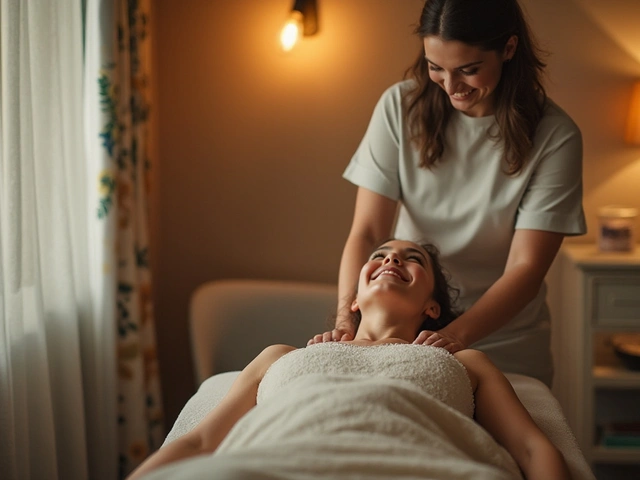
What does a session actually look like? It rarely involves the client lying face down on a hard table. Most palliative massage is performed with the patient sitting in a chair or lying supine (on their back) in bed. Draping is essential-not just for modesty, but for warmth. Hypothermia is a common issue in palliative patients due to poor circulation and metabolic changes.
Therapists use a variety of gentle techniques:
- Effleurage: Long, flowing strokes that warm the tissue and promote relaxation. This is the backbone of palliative work.
- Petrissage (Light): Gentle kneading of superficial muscles to improve circulation without causing fatigue.
- Holding: Simply placing hands on a painful area (like the lower back or shoulders) for several minutes. The weight and warmth of the hand can be more soothing than movement.
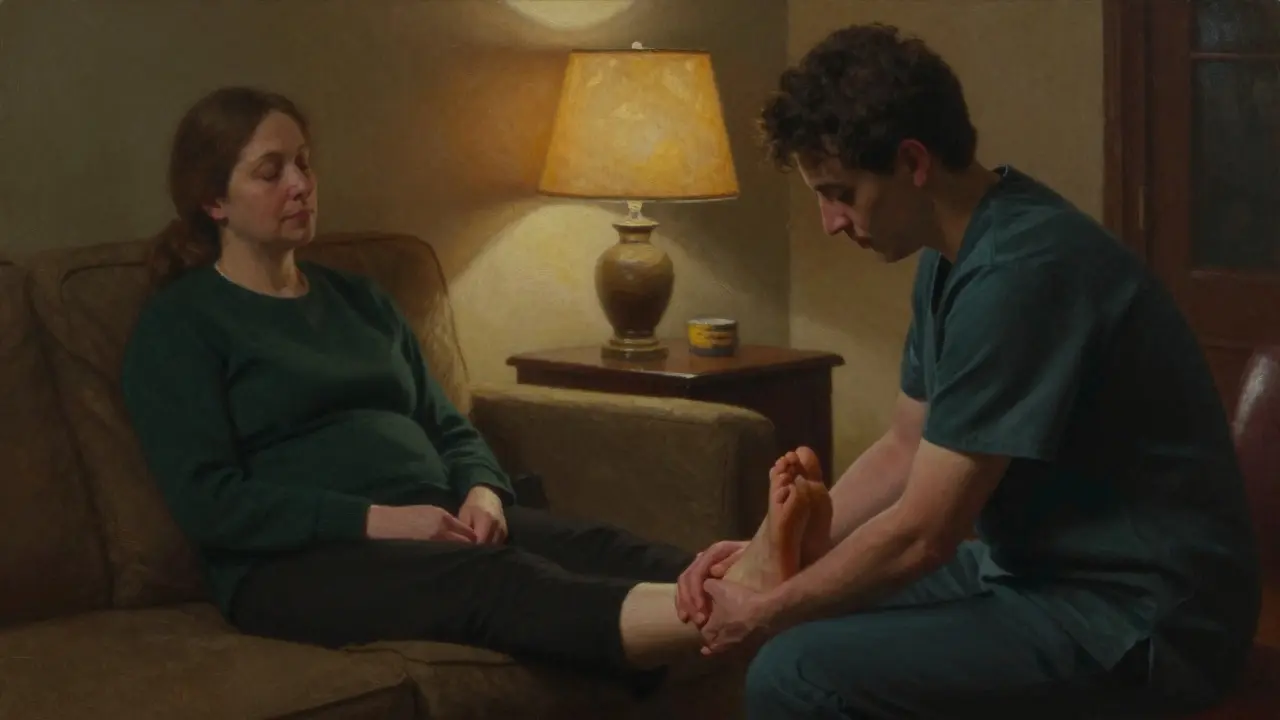
- Foot Reflexology: Focusing on the feet can provide significant relief for systemic issues, as the feet are often easier to access and less painful to manipulate than the torso.
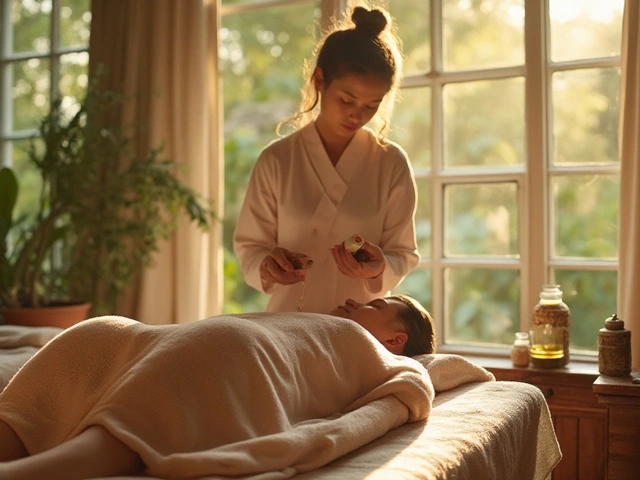
Oils are used sparingly, if at all. Many patients have sensitive skin due to chemotherapy or radiation. Water-based lotions or hypoallergenic creams are preferred to avoid slipping and irritation. The focus is on the intention behind the touch, not the product.
The Emotional Dimension: More Than Physical Relief
We cannot separate the physical from the emotional in palliative care. Pain is not just a sensation; it's an experience colored by fear, anxiety, and loneliness. When a therapist enters a room, they bring a human presence. In a hospital setting, where interactions are often clinical and hurried, a massage session offers uninterrupted time. The therapist listens. They hold space. They witness.
This emotional support extends to caregivers as well. Family members caring for a sick loved one are often exhausted and stressed. Offering a brief shoulder or foot massage to a caregiver can be a powerful act of kindness. It acknowledges their burden and provides a moment of respite. Research suggests that when caregivers feel supported, the quality of care they provide improves, creating a positive feedback loop for the entire household.
Integrating Massage into a Care Plan
Palliative massage should not be viewed in isolation. It works best when integrated with other therapies. Physiotherapists, occupational therapists, and doctors need to be aware of the massage schedule. For example, if a patient is receiving radiation therapy, the treated area may be too sensitive for touch. Coordination ensures that the massage complements rather than conflicts with medical treatment.
It is also important to manage expectations. Palliative massage will not cure cancer or reverse dementia. It will not make the pain disappear completely. But it can make the pain manageable. It can help a patient sleep through the night. It can allow them to eat a meal without nausea. These small victories are monumental in the context of serious illness.
Finding the Right Practitioner
Not all massage therapists are trained in palliative care. Look for credentials such as "Certified Oncology Massage Therapist" (COMP) or specific training in geriatric or hospice massage. Ask questions:
- Do you have experience with my specific condition?
- How do you handle contraindications?
- Can you come to the home or hospital if I cannot travel?
Many organizations now offer mobile palliative massage services, bringing the care directly to the patient's bedside. This removes the logistical barrier of transportation, which can be exhausting for both patient and family.
Conclusion: Dignity in Every Touch
Palliative massage represents a return to the roots of healing: human connection. In a world of high-tech interventions, it reminds us that sometimes, the most powerful tool we have is our own hands. It is not about giving up; it is about choosing comfort. It is about saying, "You are still here, you still matter, and you deserve to feel cared for." Whether in a hospital room, a hospice center, or a living room, this gentle practice offers a new perspective on pain relief-one that honors the whole person, not just the disease.
Is palliative massage the same as hospice massage?
While closely related, they are not identical. Hospice massage is specifically for patients in the final stages of life, usually within the last six months. Palliative massage is broader and can be provided to anyone with a serious illness, regardless of prognosis, focusing on symptom management and quality of life at any stage.
Can palliative massage be done on patients with low platelet counts?
Yes, but with extreme caution. Low platelets increase the risk of bruising and bleeding. Therapists must use very light pressure, avoid deep tissue techniques, and often use thinner oils or lotions to reduce friction. Always consult with the patient's hematologist or oncologist before proceeding.
How long does a typical palliative massage session last?
Sessions are often shorter than traditional massages, typically ranging from 15 to 45 minutes. The duration depends on the patient's energy levels and tolerance. It is better to have a shorter, effective session than to overextend the patient, which could lead to fatigue.
Does insurance cover palliative massage?
Coverage varies widely by provider and location. Some health plans cover massage therapy if prescribed by a physician for specific conditions like cancer-related pain or lymphedema. Hospice programs often include massage as part of their comprehensive care package. It is essential to check with your insurance provider and ask for documentation from your healthcare team.
Can family members learn palliative massage techniques?
Absolutely. Many therapists offer training sessions for family caregivers. Learning simple hand-holding, foot rubs, or gentle arm strokes can empower families to provide comfort between professional sessions. This fosters bonding and gives caregivers a tangible way to help their loved one feel better.