
Neuromuscular Massage: How to Relieve Chronic Pain and Restore Function
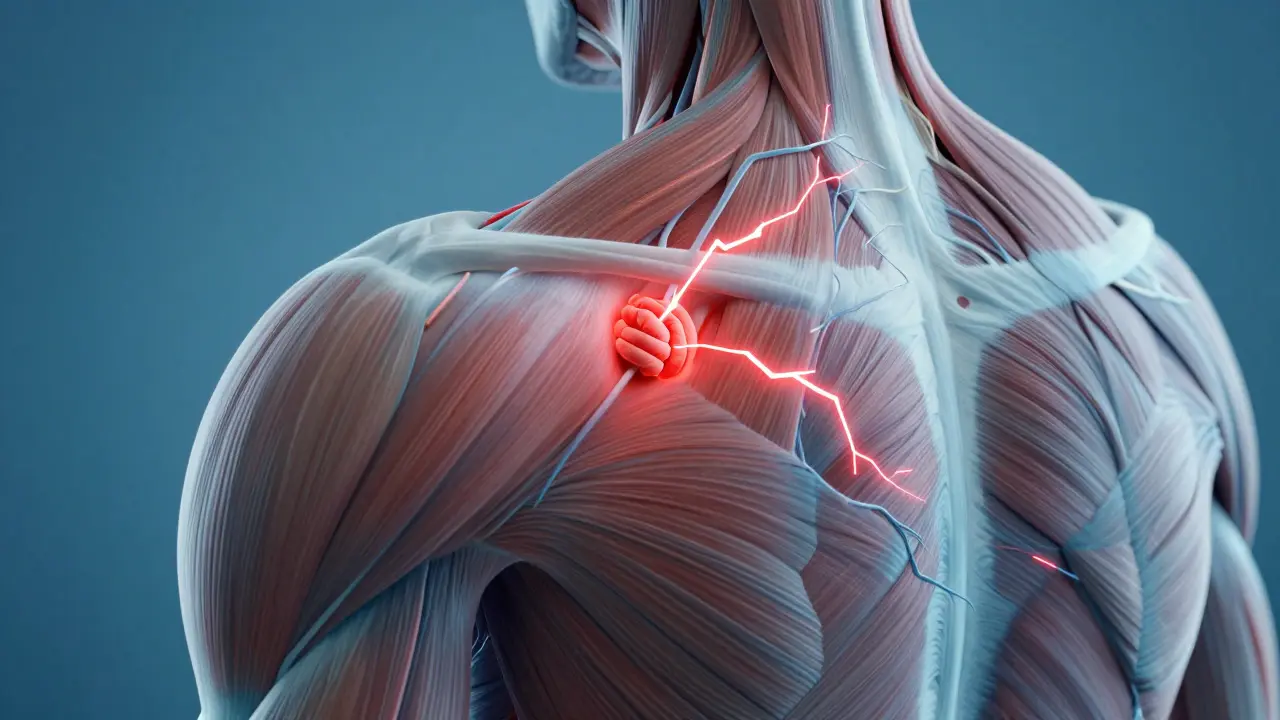
That sharp, nagging pain in your shoulder that won’t go away? It’s likely not just a sore muscle. It’s probably a knot-a tight band of fibers firing off signals that confuse your nervous system. This is where neuromuscular massage steps in. Unlike a standard relaxation massage, this technique targets the root cause of pain rather than just masking the symptoms. It works by releasing these knots, known as trigger points, which can refer pain to other parts of your body. If you’ve been chasing pain from one spot to another without success, understanding how neuromuscular massage works might be the missing piece in your recovery puzzle.
What Is Neuromuscular Massage?
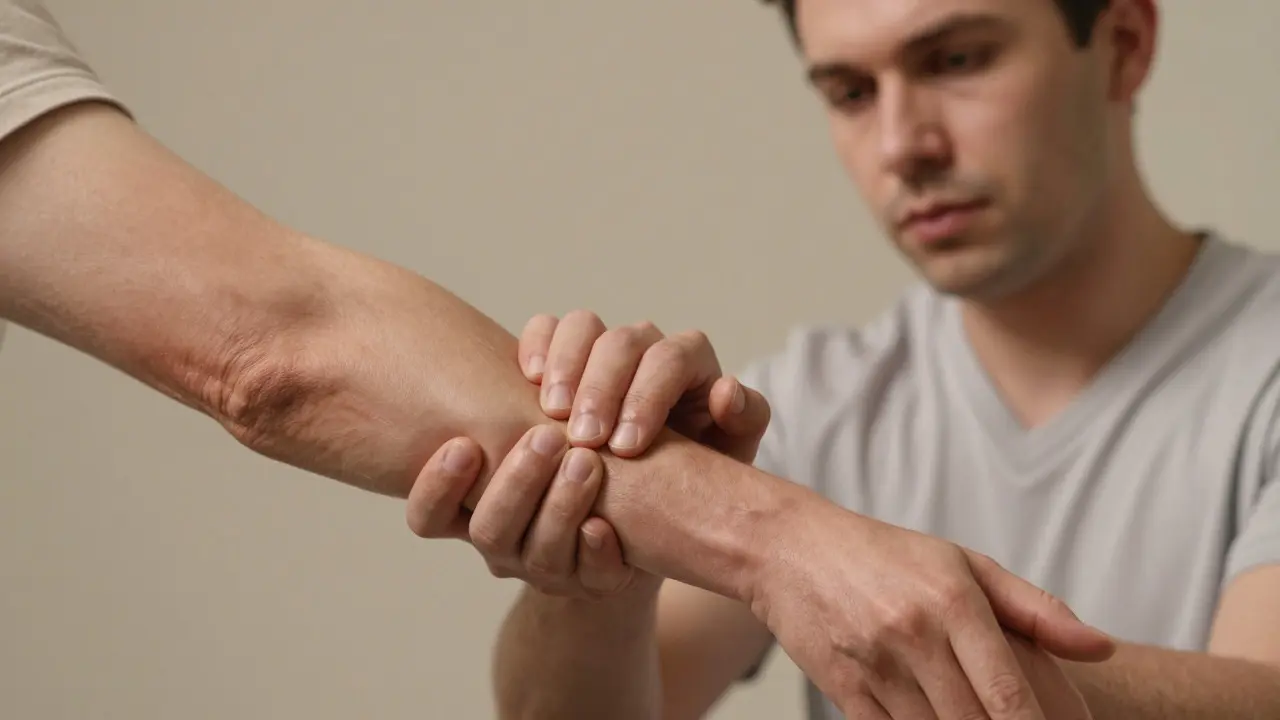
At its core, neuromuscular massage is a targeted form of bodywork that combines elements of deep tissue massage, trigger point therapy, and myofascial release. While traditional massage often focuses on general muscle relaxation, neuromuscular massage is investigative. The therapist acts like a detective, mapping out your pain patterns to find the source. They look for areas where muscles have shortened or tightened due to injury, poor posture, or repetitive stress. Once identified, they apply precise pressure to release the tension. Think of it less like a spa treatment and more like physical therapy delivered through touch. It’s designed to restore proper function to the musculoskeletal system, allowing your body to move freely again without pain.
The Science Behind Trigger Points
To understand why this method works, you need to know what a trigger point actually is. Imagine a rubber band stretched too far and left that way. Over time, it loses its elasticity and forms a hard lump. In your muscles, this happens when motor endplates-the connection points between nerves and muscles-become hyperactive. They fire continuously, causing the muscle fibers to contract tightly. This creates an ischemic area, meaning blood flow is restricted. Without fresh oxygen and nutrients, metabolic waste builds up, irritating nearby nerves. This irritation sends pain signals to your brain. Sometimes, the pain feels like it’s coming from the knee, but the actual problem is in the hip. This phenomenon, called referred pain, is why treating the symptom often fails. Neuromuscular massage breaks this cycle by physically stretching the contracted fibers and restoring blood flow, which flushes out the waste products and calms the nerve endings.
Is neuromuscular massage painful?
It can be uncomfortable, but it shouldn't be agonizing. You will feel intense pressure as the therapist works on tight knots. A good rule of thumb is the "good hurt" principle: if the pain is sharp or causes you to tense up elsewhere, tell your therapist to lighten the pressure. The goal is release, not damage.
How many sessions do I need?
This depends on the chronicity of your issue. Acute injuries may improve in 1-3 sessions. Chronic conditions lasting months or years often require 6-10 sessions initially, followed by maintenance treatments every 4-6 weeks. Consistency is key because your body needs time to relearn proper movement patterns.
Can I do neuromuscular massage at home?
You can support professional treatments with self-care tools like foam rollers, lacrosse balls, or percussion massagers. However, true neuromuscular massage requires palpation skills to identify specific trigger points and assess tissue texture changes. Self-massage is great for maintenance, but a trained therapist is necessary for diagnosis and deep structural release.
What are the contraindications?
Avoid neuromuscular massage if you have acute inflammation, open wounds, fractures, or severe osteoporosis. People on blood thinners should consult their doctor first, as deep pressure can increase bruising risk. Always disclose your medical history before your session.
Does insurance cover neuromuscular massage?
Coverage varies widely. Some plans cover it if prescribed by a physician for a specific medical condition (like post-surgical rehab). Others classify it as elective wellness care. Check with your provider and ask if the therapist offers superbills for out-of-network reimbursement.