How Neuromuscular Massage Can Improve Your Quality of Life

You know that feeling when you wake up stiff, your shoulders are hiked up to your ears, and your lower back feels like it’s holding a grudge? Most of us think this is just part of getting older or working at a desk. But what if the problem isn’t age or your chair? What if it’s locked-in tension in your muscles that standard relaxation massages just can’t reach? This is where neuromuscular massage changes the game.
This isn't about lighting candles and playing Enya while someone rubs lotion on your arms. It’s a targeted, therapeutic approach designed to break down adhesions and restore function. If you’ve been living with nagging pain, poor posture, or low energy, understanding how this specific type of bodywork works could be the key to reclaiming your daily comfort.
What Actually Is Neuromuscular Massage?
Let’s clear up the confusion. Neuromuscular therapy (NMT) is a specialized form of soft tissue manipulation that addresses the relationship between nerves and muscles. Unlike Swedish massage, which focuses on general relaxation and blood flow, NMT targets specific trigger points-those tight knots in your muscle fibers that refer pain elsewhere.
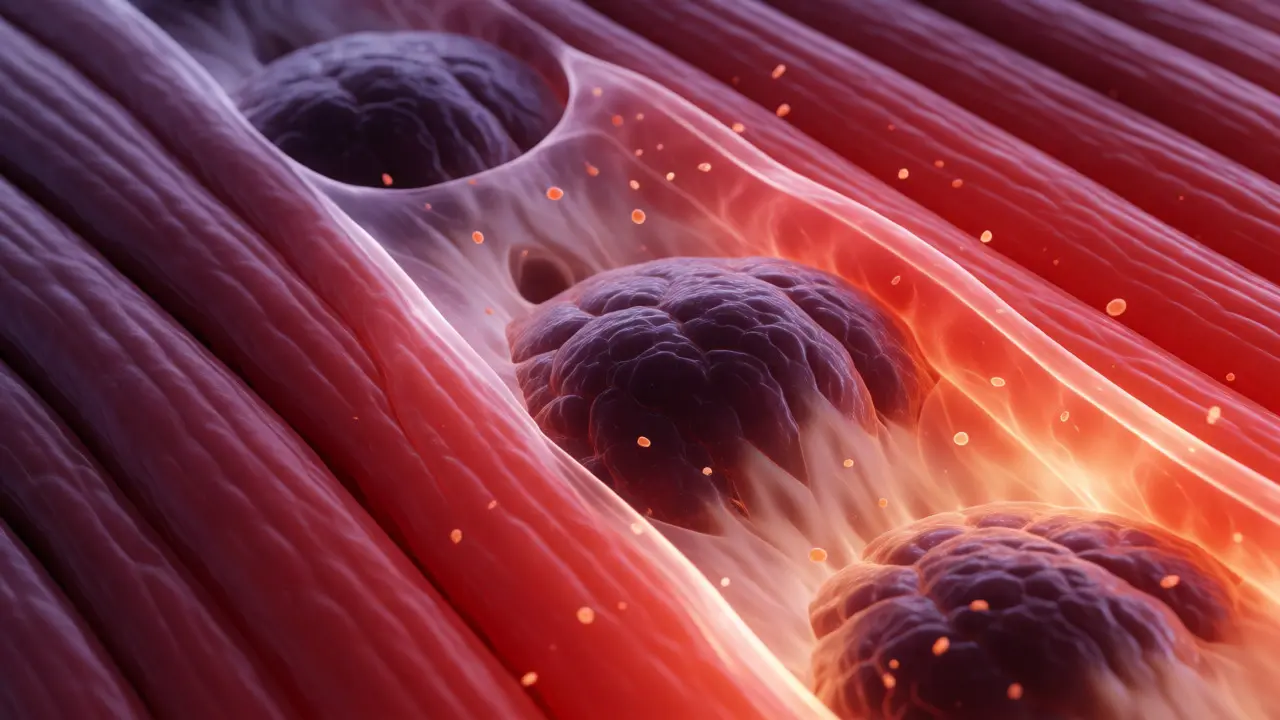
Think of your muscles as rubber bands. When they’re healthy, they stretch and contract smoothly. But due to injury, stress, or repetitive motion, parts of the muscle can become permanently contracted. These spots don’t get enough oxygen, leading to a buildup of metabolic waste. That’s why pressing on a knot often hurts more than the original injury site. The therapist uses sustained pressure to force these fibers to relax, rehydrate, and return to their normal length.
The Science Behind the Relief
Why does pushing on a sore spot actually help? It comes down to physiology. When a muscle is in a state of chronic spasm, the local circulation drops. Without fresh blood flow, the muscle starves for oxygen and accumulates toxins like lactic acid. This creates a vicious cycle: pain causes tension, tension restricts blood flow, and restricted blood flow causes more pain.
NMT interrupts this loop. By applying precise pressure, the therapist stimulates the nervous system to release endorphins-the body’s natural painkillers. Simultaneously, the mechanical action breaks apart fibrous scar tissue and adhesions within the fascia. Fascia is the connective tissue wrapping around your muscles; when it gets sticky or tight, it limits your range of motion. Releasing this tension doesn’t just stop the ache; it restores mobility.
Who Needs This? Identifying the Signs
You might not realize you need neuromuscular work until you try it. It’s particularly effective for people dealing with conditions that have stumped other treatments. If any of these sound familiar, your quality of life could improve significantly:
- Chronic Back and Neck Pain: Especially pain that radiates into your arms or legs.
- Tension Headaches: Those band-like headaches caused by tight trapezius or suboccipital muscles.
- Sciatica: Shooting pain down the leg often stems from piriformis syndrome, a common target for NMT.
- Sports Injuries: Athletes use it to speed up recovery and prevent re-injury by addressing imbalances.
- Poor Posture: Text neck or rounded shoulders from years of computer work.
- Fibromyalgia: While complex, many patients report reduced sensitivity after consistent sessions.
It’s also worth noting that emotional stress manifests physically. If you clench your jaw when you’re anxious or hike your shoulders during a stressful meeting, those muscles eventually fatigue and hurt. NMT helps reset that physical response to stress.
What Happens During a Session?
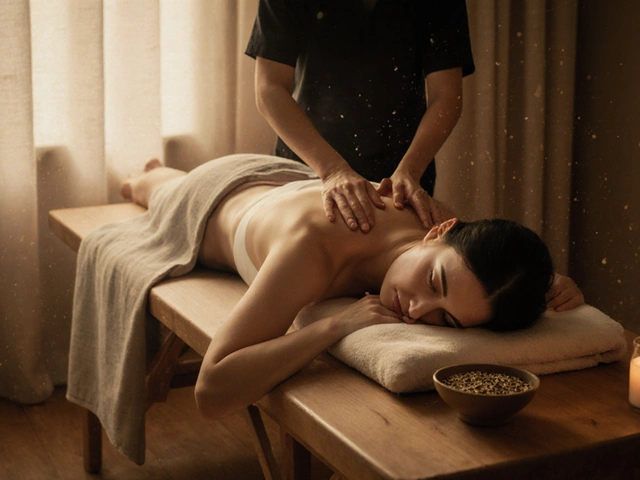
If you’ve never had one, here’s what to expect. A typical session lasts 60 to 90 minutes. You’ll usually stay clothed in light underwear or shorts, depending on your comfort level and the areas being treated. The therapist will start with a consultation to map out your pain history and daily habits.
Then comes the assessment. They’ll palpate your muscles to find active trigger points. You’ll feel them wince or flinch when they hit the right spot-that’s a good sign. The treatment involves slow, deep strokes and static pressure held for 10 to 30 seconds at a time. It’s intense but should remain within your tolerance. Communication is vital here; tell them if it’s too much. They aren’t trying to bruise you; they’re trying to communicate with your nervous system.
After the session, you might feel sore, similar to how you feel after a heavy gym workout. This is normal and usually fades within 24 hours. Drinking plenty of water afterward helps flush out the released toxins.
Comparing Neuromuscular Massage to Other Types
Not all massages are created equal. Choosing the wrong one can waste your money and time. Here’s how neuromuscular therapy stacks up against common alternatives:
| Feature | Swedish Massage | Deep Tissue Massage | Neuromuscular Therapy |
|---|---|---|---|
| Primary Goal | Relaxation and circulation | General muscle tension release | Correcting structural imbalances and nerve compression |
| Pressure Level | Light to Medium | Firm to Deep | Precise, Sustained, Targeted |
| Focus Area | Whole body | Larger muscle groups | Specific trigger points and referral patterns |
| Best For | Stress relief, first-time massage clients | Athletes, general stiffness | Chronic pain, postural issues, sciatica |
| After-Soreness | Rare | Moderate | Moderate to High (initially) |
Notice the difference? Swedish is for unwinding. Deep tissue is for working out general kinks. Neuromuscular therapy is for fixing the root cause of persistent pain. If you go in expecting a spa day, you’ll be surprised by the intensity. But if you go in looking for relief from a specific problem, it’s often far more effective.

Long-Term Benefits for Daily Life
The immediate benefit is less pain, sure. But the long-term impact on your quality of life is broader. When your muscles aren’t fighting against themselves, you move better. Better movement means less fatigue. Think about how much energy you spend just stabilizing your spine because your core is weak or your hips are tight. Release that tension, and you suddenly have more vitality for hobbies, play, and work.
Sleep improves, too. Chronic pain is a major disruptor of sleep cycles. By reducing nighttime discomfort, NMT helps you achieve deeper, more restorative rest. And let’s not underestimate the mental aspect. Living in pain drains your patience and mood. Alleviating that background noise of discomfort allows you to engage more fully with life. You’re not distracted by the ache in your shoulder every time you reach for a coffee cup.
How to Choose a Qualified Practitioner
This technique requires skill. A bad massage can aggravate inflammation, while a good one heals it. Look for therapists who specialize in clinical massage or have certifications in neuromuscular therapy. Ask them directly: "Do you treat trigger points?" or "Can you explain myofascial release?" Their answers will tell you if they understand the mechanics.
Also, consider the location. Since you’re likely reading this from somewhere like Adelaide, look for clinics that emphasize assessment over quick fixes. Avoid places that promise "magic" results in one session. Real structural change takes time, usually requiring a series of 3-5 sessions initially, followed by maintenance visits.
Is neuromuscular massage painful?
It can be uncomfortable, especially if you have significant tension. The sensation is often described as "good pain"-intense but relieving. However, it should never be sharp or unbearable. Communicate with your therapist to adjust the pressure if needed.
How often should I get neuromuscular massage?
For acute issues, weekly sessions for 4-6 weeks are common. Once the pain subsides, monthly maintenance sessions help prevent recurrence. Listen to your body; some people need bi-weekly visits, others do fine with quarterly tune-ups.
What should I do after a session?
Drink plenty of water to help flush out metabolic waste released from the muscles. Avoid strenuous exercise for 24 hours. Gentle stretching and heat application can help manage any residual soreness.
Can it help with headaches?
Yes, tension headaches are frequently caused by tight muscles in the neck and upper back. Neuromuscular massage targets these trigger points, often providing significant relief or even eliminating the headache entirely.
Is there anyone who shouldn't get this massage?
People with open wounds, severe osteoporosis, recent fractures, or certain circulatory disorders should consult a doctor first. Pregnant women should seek therapists specifically trained in prenatal massage techniques.