Elephant Massage: Why It’s Not What You Think (And How to Actually Help)
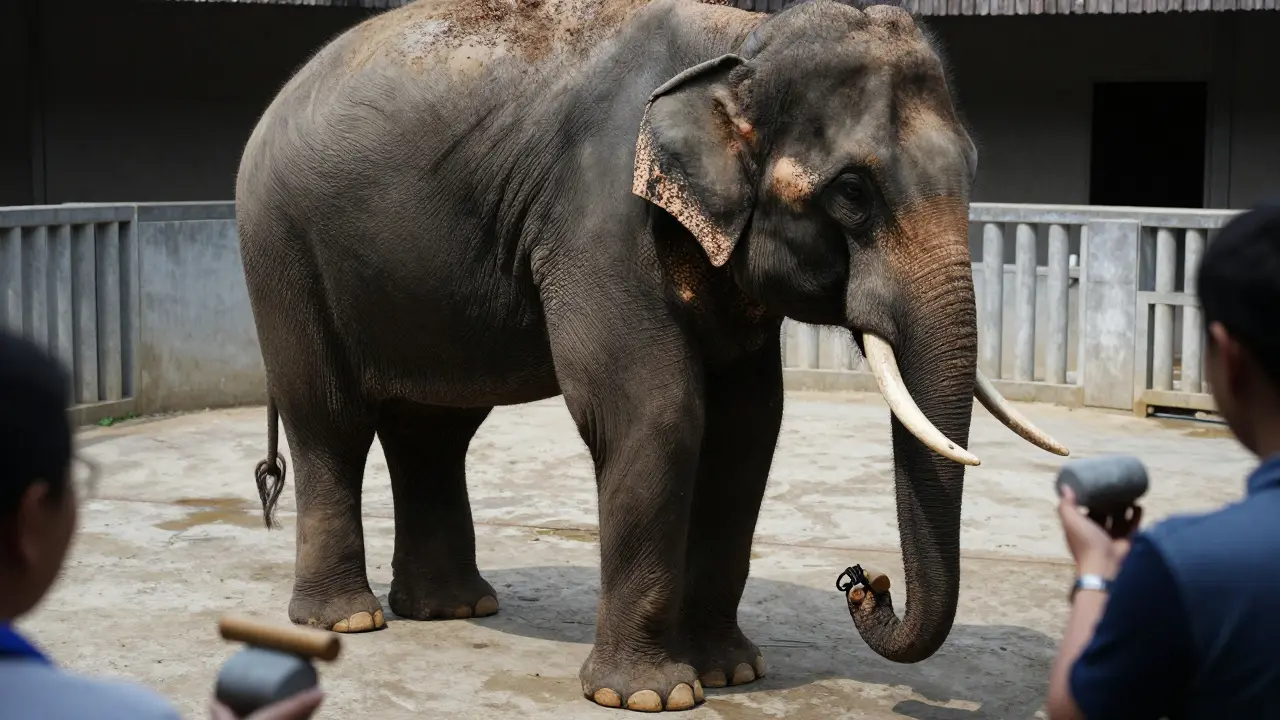
You’ve probably seen the photos. A massive Asian elephant stands calmly while a person in traditional dress rubs its legs with large stones or wooden rollers. The caption usually reads something like "Ancient Thai Elephant Massage" or "The Ultimate Relaxation Ritual." It looks peaceful. It looks spiritual. But if you pause for a second and think about the biology of an elephant, it starts to feel... off.
That "paradigm shift" in animal care isn’t about giving elephants a spa day. In reality, the concept of "elephant massage" as a tourist attraction is one of the most misunderstood topics in modern wildlife conservation. For decades, we were sold a lie that these gentle giants crave our touch in specific, ritualistic ways. Today, experts are shifting the narrative entirely. Real care isn’t about massaging muscles; it’s about removing chains, ending physical abuse, and restoring natural behaviors.
If you’re planning a trip to Southeast Asia or just scrolling through social media, you need to know what’s actually happening behind those serene photos. Let’s break down why this practice exists, why it’s harmful, and what true ethical interaction looks like in 2026.
The Myth of the "Traditional" Elephant Massage
To understand why we need to stop, we first have to look at where the idea came from. In parts of Northern Thailand, particularly in Chiang Mai and Lampang, there is a historical tradition of mahouts (elephant handlers) caring for their working animals. Historically, elephants were used for logging and agriculture. After long days of labor, handlers would clean them and sometimes rub their skin to remove dirt and parasites.
This practical maintenance got repackaged in the late 1990s and early 2000s as a tourist experience. Marketing teams realized that Western tourists wanted "authentic" cultural experiences. They took the functional act of cleaning an exhausted work animal and turned it into a performance called "elephant massage." Tourists pay to watch-or even participate in-rubbing the elephant’s legs with heated stones or bamboo sticks.
Elephant Massage is a commercialized tourist activity where humans apply pressure or friction to an elephant's limbs, often marketed as a traditional therapeutic ritual but widely criticized by animal welfare organizations. While it claims roots in ancient Ayurvedic practices, modern veterinary science shows no evidence that elephants benefit from this type of external manipulation in a controlled, performative setting.
The problem? Elephants don’t get massages because they want to relax. They tolerate it because they are conditioned to do so. From a young age, many of these elephants undergo a process known as phajaan, or "the crush." This brutal training method breaks the elephant’s spirit to make them submissive to humans. An elephant that allows a stranger to rub its legs with hot stones has likely been beaten into compliance, not trained through positive reinforcement.
Why Physical Touch Isn't the Same as Care
We project human feelings onto animals all the time. We think, "If I like a back rub, my dog must love a belly rub." But elephants are incredibly complex social creatures with different physiological needs than humans. Their skin is thick, yes, but it’s also sensitive. More importantly, their psychological well-being depends on freedom of movement, social bonding with other elephants, and access to vast ranges.
When an elephant is kept in a small enclosure specifically for massage tours, it suffers from chronic stress. Here’s what the data shows:
- Stereotypic Behavior: Captive elephants often sway, rock, or bite bars repetitively. These are signs of severe psychological distress, similar to self-harm in humans.
- Foot Rot: Elephants standing on concrete or hard ground for hours waiting for tourists develop cracked feet and infections. A "massage" doesn’t fix the underlying issue of poor habitat.
- Social Isolation: Elephants are matriarchal herd animals. Keeping them alone or in small, unrelated groups causes depression. No amount of leg rubbing compensates for the loss of family bonds.
In 2023, a study published in the journal Animal Welfare tracked cortisol levels (stress hormones) in elephants involved in tourist activities versus those in free-roaming sanctuaries. The results were stark: elephants interacting with tourists had significantly higher stress markers, regardless of whether the interaction was labeled "gentle" or "educational."
The Shift: From Performance to Observation
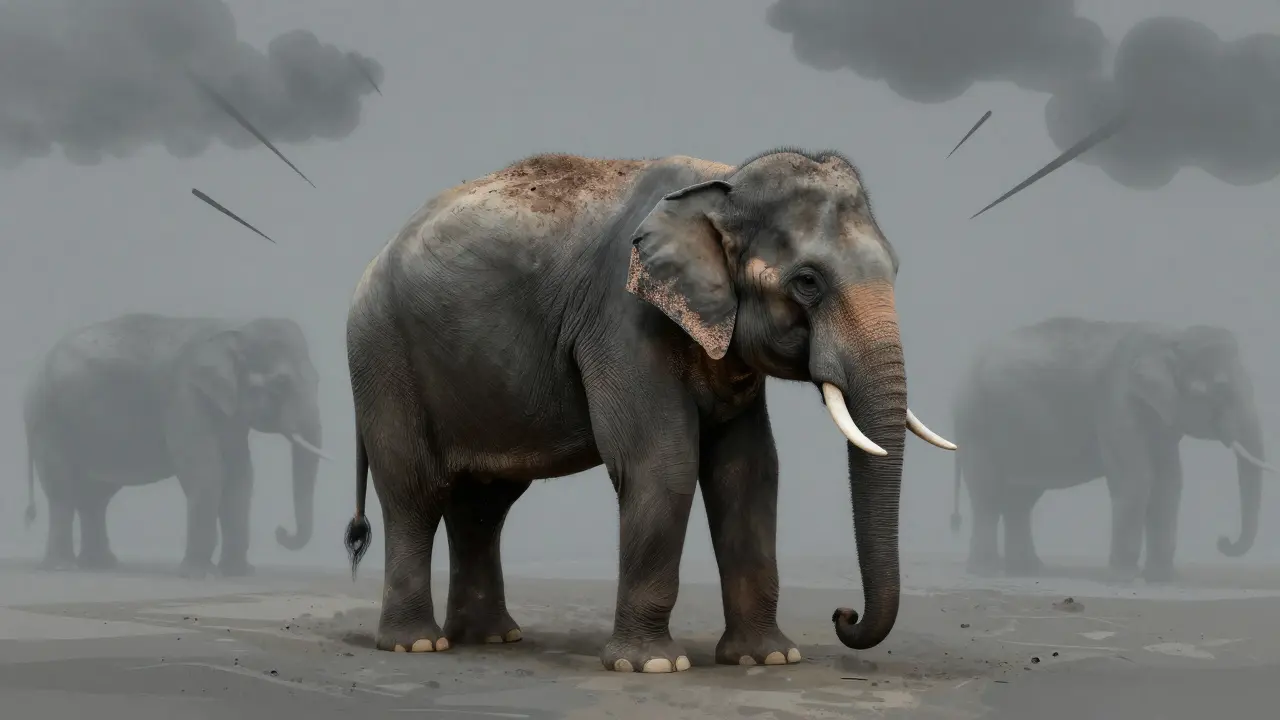
So, if we can’t massage them, how do we help? The paradigm shift mentioned in the title refers to the global move toward non-interventionist observation. This is the gold standard in modern animal welfare.
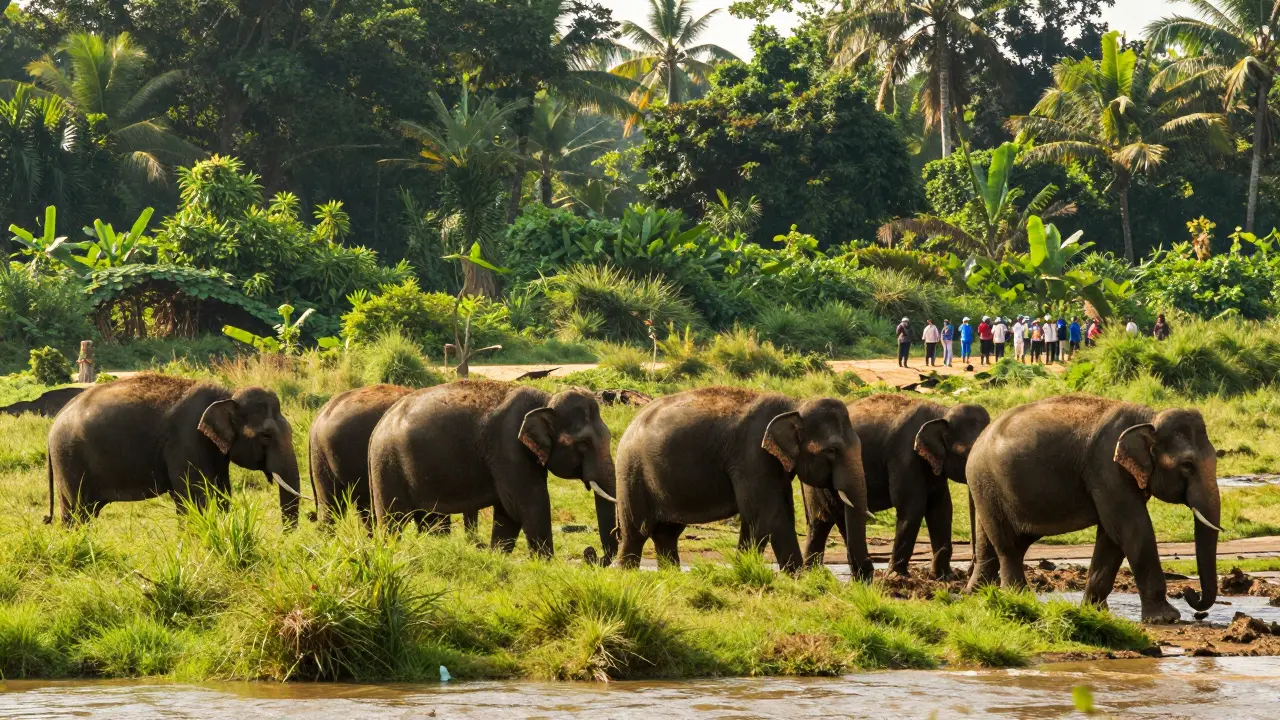
True sanctuaries, certified by organizations like the Global Federation of Animal Sanctuaries (GFAS), operate on a simple rule: No riding. No bathing with tourists. No touching. No performances. Instead, visitors observe elephants from a distance, allowing them to behave naturally. They eat, play, bathe themselves in rivers, and interact with their herd without human interference.
This approach respects the elephant’s agency. If an elephant wants to roll in the mud, it does. If it wants to walk five miles a day, it can. The role of the human shifts from "trainer" or "performer" to "guardian" and "observer."
| Feature | Traditional "Massage" Camps | Ethical Sanctuaries (2026 Standard) |
|---|---|---|
| Physical Contact | Allowed/Encouraged (Touching, Rubbing) | Strictly Prohibited (No Touch Policy) |
| Training Method | Negative Reinforcement (Beating, Hooks) | Positive Reinforcement or None (Free Range) |
| Habitat | Small Pens, Concrete Floors | Large Forest Areas, Natural Ground |
| Primary Goal | Tourist Entertainment | Animal Welfare & Conservation |
| Certification | Rarely Certified | GFAS, ABTA, or Local Govt. Verified |
How to Spot a Fake Sanctuary
The term "sanctuary" is unregulated in many countries. Any business can call itself a sanctuary if it offers food and water. However, red flags are easy to spot if you know what to look for.
1. The "Bathing" Trap: Many places claim to be ethical but still offer "elephant bathing" in rivers. While swimming sounds fun, forcing an elephant into water for tourists to scrub its back is still a performance. Ethical centers allow elephants to swim freely without humans in the water with them.
2. Chains and Tethers: Look at the feet. Are the elephants chained when not performing? Even short chains restrict natural movement and cause joint problems. True sanctuaries keep elephants loose in large enclosures.
3. Baby Elephants: If a camp has baby elephants, ask how they got there. In ethical operations, babies are only present if their mothers are also there and rescued together. Separating calves from mothers is a major trauma source and a huge red flag.
4. Social Media vs. Reality: Check reviews carefully. Look for comments mentioning "sad eyes," "swaying behavior," or "aggressive staff." Photos often hide the reality of beatings that happen out of camera range.
The Role of Technology in Modern Care
In 2026, technology plays a bigger role in elephant welfare than ever before. GPS collars and drone monitoring allow rangers to track wild herds and prevent human-elephant conflict without direct confrontation. In sanctuaries, health monitors track heart rate and temperature, ensuring early detection of illness.
Some forward-thinking centers use AI-driven cameras to monitor behavioral patterns. If an elephant starts showing signs of stereotypic behavior (like repetitive head swaying), alerts are sent to caretakers to adjust the environment immediately. This is real care-data-driven, proactive, and focused on the animal’s internal state rather than external appearances.
What Can You Do?
Your wallet is your voice. Every dollar spent on a massage tour supports an industry built on exploitation. Instead, support organizations that focus on rescue, rehabilitation, and release (where possible).
Here’s a quick checklist for ethical travel:
- Research Certifications: Look for GFAS accreditation or endorsements from reputable NGOs like ElephantsAsia or Save Elephant Foundation.
- Choose Observation Over Interaction: Book visits where you feed and watch from a distance. No touching allowed.
- Support Anti-Poaching Efforts: Donate directly to groups fighting ivory trafficking, which remains the biggest threat to elephant populations.
- Educate Others: Share the truth about "massage" camps on social media. Misinformation spreads quickly; counter it with facts.
The paradigm shift isn’t about replacing one human-centric activity with another. It’s about stepping back. It’s about realizing that the greatest gift we can give an elephant is space, safety, and silence. When you see an elephant standing still, let it be. Don’t try to fix it, don’t try to soothe it, and definitely don’t try to massage it. Just watch, learn, and respect.
Is elephant massage painful for the elephants?
While the massage itself might not cause acute pain, the context usually does. Elephants in these camps are often subjected to harsh training methods (like the hook and stick) to ensure they remain still during the procedure. The stress of confinement, lack of social interaction, and forced performance leads to chronic psychological and physical suffering, even if the rubbing sensation is neutral.
Can I still take photos with elephants ethically?
Only if the elephant approaches you voluntarily and there is no barrier between you. Most ethical sanctuaries prohibit close-up photos because they encourage tourists to invade the animal's personal space. Always use a zoom lens and maintain a respectful distance. If a handler is holding the elephant or guiding it toward you, it is not ethical.
Why do some people defend elephant massage camps?
Defenders often cite cultural preservation or economic benefits for local communities. While supporting local economies is important, it should not come at the cost of animal cruelty. Many ethical sanctuaries now provide jobs for former mahouts, teaching them new skills in conservation and hospitality without involving animal abuse. The goal is to transition communities away from exploitative practices.
Are there any legitimate reasons to touch an elephant?
In a veterinary or emergency rescue context, yes. Trained professionals may need to touch an elephant for medical treatment. However, for tourists, there is no legitimate reason. Elephants are wild animals, not pets. Even in captivity, unnecessary physical contact disrupts their natural boundaries and can lead to unpredictable aggression.
How can I verify if a sanctuary is truly ethical?
Check for third-party certifications like the Global Federation of Animal Sanctuaries (GFAS). Read independent reviews on platforms like TripAdvisor, focusing on recent posts that mention animal behavior. Look for transparency in their website: ethical sanctuaries openly discuss their no-touch policies, rescue stories, and financial reports. Avoid places that advertise "riding," "painting," or "dancing" elephants.